
My Artistic Journey Begins with a Brush in Hand
Ever since I picked up my first set of brushes, I was captivated by the magic they brought to my canvases. Over the years, I realized that the key to elevating my artwork was not just talent but also the quality of my tools. That’s when I decided to learn how to craft my own custom paintbrushes right in my home studio. It’s a rewarding process that combines creativity, craftsmanship, and a deep understanding of what makes a perfect brush.
Discovering the Art of Custom Brush-Making
Creating a professional-grade paintbrush involves more than just assembling bristles and a handle. I started exploring different types of natural and synthetic hairs, each offering unique textures and holding capacities. For the handles, I experimented with various woods and materials, seeking ones that provide comfort and balance. I found that customizing my brushes not only improved my painting results but also connected me more intimately with my art process. According to DIY Kutak, building your own tools can be a game-changer for artists who value quality and personal touch.
Step-by-Step: Making Your Own Artist-Grade Paintbrushes
My process began with selecting the right materials. I used high-quality sable hair for fine detail brushes and sturdy hog bristles for broader strokes. The handles were crafted from smooth, lightweight basswood, which I sanded meticulously for a comfortable grip. The assembly involved securing the bristles with strong, flexible adhesives and shaping the brushes to my preferred specifications. I also experimented with different ferrules to ensure durability and aesthetic appeal. This DIY approach allowed me to tailor each brush for specific techniques and textures, making my painting sessions more expressive and enjoyable.
How Do I Ensure Consistent Quality in Handmade Brushes?
Achieving consistency can be challenging but rewarding. I learned that maintaining precise measurements during assembly and investing in quality materials made a significant difference. Regularly testing and refining my brushes helped me understand how different hairs and handle shapes affected my work. Over time, I developed a reliable method that produces brushes comparable to professional tools. For detailed guidance, I recommend checking out DIY Kutak’s comprehensive guides.
What inspires you most about making your own painting tools?
For me, the most inspiring aspect is the creative control it offers. Each brush becomes a personal extension of my artistic voice. Plus, the satisfaction of transforming raw materials into functional art tools fuels my passion. I encourage fellow artists to explore this DIY journey—it’s not only cost-effective but deeply fulfilling. Feel free to share your experiences or ask questions in the comments below!
Mastering the Art of DIY Paintbrushes: Elevate Your Artistic Tools
Creating custom paintbrushes at home is a transformative experience for artists seeking precision, comfort, and a personal touch in their craft. Beyond merely assembling materials, it involves understanding the nuances of hair types, handle ergonomics, and assembly techniques that ensure professional results. This DIY skill not only enhances your artwork but also deepens your connection with your creative process.
Choosing the Right Materials for Your Artistic Tools
The foundation of a great paintbrush lies in selecting high-quality materials. Natural hairs like sable or hog bristles offer superior hold and flexibility, making them ideal for detailed work or broad strokes. Synthetic fibers, on the other hand, are excellent for specific media and are often more durable. When it comes to handles, lightweight woods such as basswood or birch provide comfort and balance, essential for prolonged use. Customizing these elements allows you to tailor each brush to your unique artistic style and techniques.
Step-by-Step Guide to Crafting Your Ideal Paintbrush
Begin by cutting the handle to your preferred length and smoothing its surface thoroughly. Secure the ferrule—a metal band—to hold the bristles in place, ensuring a snug fit. Attach the hair fibers using a strong, flexible adhesive, carefully shaping the brush head to your desired profile. For example, a fine detail brush might have a pointed tip, while a flat brush requires a broader, squared-off head. Experimenting with different ferrules and adhesives can significantly impact durability and aesthetic appeal, allowing you to create a truly personalized toolset.
How Can Consistency Be Achieved in Handmade Brushes?
Maintaining uniform quality across multiple brushes demands meticulous attention to measurement and material selection. Using precise measurements during assembly, combined with consistent curing times for adhesives, ensures each brush performs reliably. Regular testing—such as painting swatches to assess hair hold and flexibility—helps refine your techniques. Developing a standardized process, perhaps documented in your DIY journal, can streamline production and guarantee professional-grade results. For more detailed guidance, explore DIY Kutak’s comprehensive guides.
What drives your passion for creating customized painting tools?
For many artists, the joy of crafting their own brushes lies in the creative control and the satisfaction of transforming raw materials into functional art tools. This process encourages experimentation with different fibers, shapes, and handle designs, fostering innovation in technique. Plus, it’s a cost-effective way to expand your toolkit without sacrificing quality. Sharing your DIY journey can inspire others—so consider posting your projects or asking for tips in online art communities. Your unique approach might just spark new ideas for fellow creatives looking to elevate their craft.
Embracing the Artistic Depth of Custom Brush-Making
Crafting your own paintbrushes is more than a mere DIY project; it becomes a journey into understanding the intricate dance between brush hairs, handle ergonomics, and the subtle nuances that influence your artistic expression. I recall how each brush I create is a reflection of my evolving style, capturing the essence of my creative voice. This process demands a deep appreciation for material science and an intuitive feel for how different hairs like sable or synthetic fibers respond to various mediums, from oils to watercolors.
The Art of Material Selection: Beyond the Basics
Choosing the right materials is akin to selecting the perfect palette—every element contributes to the final masterpiece. I often ponder how the density of sable hair offers unparalleled finesse for detailed work, whereas hog bristles lend strength and texture for bold strokes. The handles, crafted from woods like basswood or cherry, are selected not just for aesthetics but for tactile comfort, enabling prolonged focus without fatigue. This meticulous selection process elevates the quality of my tools, which in turn enhances my art.
Refining Technique: From Assembly to Artistic Confidence
The assembly phase is an art form in itself. I use precision measurements to ensure uniformity, and I experiment with adhesives that provide both strength and flexibility. Shaping the brush head demands a delicate touch—every taper and angle influences how the brush interacts with paint and canvas. Over time, I developed a standardized workflow, documented in my DIY journal, that guarantees consistency across my collection. This consistency translates into more predictable results, empowering me to push creative boundaries.
Deepening Your Artistic Connection: The Creative Soul of Handmade Brushes
What truly inspires me about making my own brushes is the profound connection they forge between my hands and my art. Each brush is a personal extension, imbued with my preferences and tactile experiences. This intimacy fosters a mindful approach to painting, where the tools serve as conduits for emotion and technique. Sharing this journey with fellow artists invites a collaborative exploration—perhaps you’ve also experienced that satisfaction of transforming raw materials into a trusted companion in your creative pursuits.
The Complexity of Achieving Artistic Consistency
Ensuring uniform quality in handmade brushes is a complex endeavor. It involves rigorous attention to detail—from controlling the curing times of adhesives to maintaining precise measurements during assembly. I often test each brush by creating small swatches, observing how the hair holds paint and responds to pressure. This iterative process sharpens my skills and deepens my understanding of material behavior. For those interested in mastering this craft, I recommend exploring DIY Kutak’s comprehensive guides, which offer invaluable insights into professional techniques.
How can I elevate my DIY brush-making to achieve professional-grade results?
Achieving professional results requires not just quality materials and meticulous technique but also an understanding of the subtle interactions between hair types, handle ergonomics, and assembly methods. Experimenting with different ferrules, adhesives, and hair blends allows for customization tailored to specific artistic needs. Regularly refining your process, documenting your findings, and seeking feedback from other artists can accelerate your mastery. Remember, each brush you craft is a step toward unlocking new creative potentials—so embrace the learning curve and enjoy the journey of artistic discovery.
Embracing the Subtleties of Hair Selection for Precision Artistry
One of the most nuanced aspects of crafting professional-grade paintbrushes lies in the meticulous selection of hair fibers. Beyond choosing sable or hog bristles, understanding the specific qualities of different grades and sources can significantly impact the final tool’s performance. For instance, higher-grade Siberian sable offers exceptional softness and resilience, making it ideal for delicate watercolor work. Conversely, thicker, stiffer hog bristles excel in creating bold strokes with oil paints. I often combine various hair types to develop hybrid brushes tailored to specific techniques, a method inspired by master artisans documented in DIY Kutak. This granular attention to material detail elevates the precision and expressiveness of my artwork.
Optimizing Handle Ergonomics for Extended Creative Sessions
While the aesthetic aspects of handle material and shape are crucial, the ergonomic design profoundly influences a painter’s endurance and control. I experiment with handle contours, diameters, and textures—such as adding subtle ridges or matte finishes—to reduce fatigue during prolonged sessions. Incorporating features like balanced weight distribution and tactile grip zones ensures that the brush responds intuitively to my hand movements. Advanced techniques also involve customizing handle length and curvature to match specific painting styles, whether fine detail or broad washes. For artists seeking to refine their tools further, exploring ergonomic principles from fields like industrial design can offer valuable insights, as highlighted in DIY Kutak. The result is a bespoke tool that feels like an extension of my body, allowing for unparalleled control and fluidity.
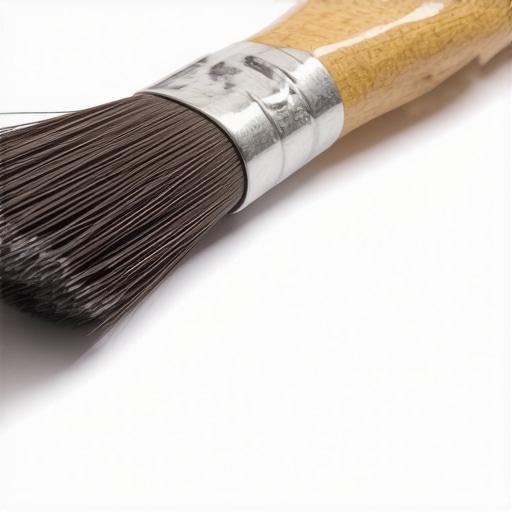
Crafting brushes with such precision demands an understanding of how handle materials respond to different adhesives and shaping techniques. I’ve found that using epoxy resins not only secures the ferrule firmly but also allows for intricate shaping and smoothing, creating a seamless transition between handle and ferrule. Fine-tuning these joints ensures durability, especially when working with thick mediums or vigorous strokes. For those interested in mastering these advanced assembly techniques, exploring comprehensive guides on DIY Kutak can be invaluable. The culmination of these refinements produces brushes that exhibit consistent quality and exceptional performance, crucial for professional artistic pursuits.
How Can I Incorporate Environmental Sustainability into My Brush-Making Process?
Integrating eco-conscious practices into custom brush-making elevates not only the quality of the tools but also aligns with a broader commitment to sustainability. I experiment with biodegradable handle materials, such as bamboo or recycled woods, and source hair fibers from ethically managed farms or recycled sources. Additionally, I explore eco-friendly adhesives and finishes that reduce chemical impact without compromising durability. For example, natural resins or plant-based varnishes can preserve the integrity of the brush while minimizing environmental footprint. Embracing sustainability in my craft has deepened my connection to the art process, transforming it into a holistic practice that respects the planet. If you are interested in sustainable DIY projects beyond brush-making, exploring natural dyeing techniques can offer inspiring avenues for environmentally friendly artistic expression.
What advanced methods can elevate my DIY brush-making to a professional level?
Mastering professional-grade results involves a keen understanding of material interactions, precision assembly, and iterative testing. Experimenting with different ferrule designs, such as crimped versus slip-on types, can influence durability and aesthetic appeal. Additionally, blending synthetic and natural hairs allows for custom textures tailored to media-specific needs. Regularly documenting your process, refining your measurement techniques, and solicit feedback from fellow artists can accelerate your mastery. Remember, each refined brush is a step toward unlocking new creative horizons, so invest time in learning advanced assembly, finishing, and testing practices. For comprehensive insights, advanced techniques in related crafts can inspire innovative approaches that transfer seamlessly into your brush-making craft.
Things I Wish I Knew Earlier (or You Might Find Surprising)
The Hidden Value of Material Quality
Looking back, I wish I had appreciated how much choosing the right hairs and handles influences the performance of my handmade brushes. Early on, I underestimated the importance of high-grade sable or hog bristles, which can make a real difference in detail work or bold strokes. Investing in quality materials from the start saved me time and frustration later.
The Power of Customization
One of the most eye-opening realizations was how tailoring each brush to my specific needs—like handle length or hair type—transformed my painting experience. It’s like having a set of tools that truly feel like an extension of your hand, making every stroke more natural and confident.
Patience Pays Off
Crafting consistent, professional-grade brushes isn’t quick. I learned that meticulous measurements, careful curing of adhesives, and regular testing are essential. The extra effort always results in better tools that boost my artistic confidence.
Sustainability Can Be Stylish
Incorporating eco-friendly materials like recycled woods or natural fibers not only benefits the planet but also adds a unique character to each brush. I love the idea of creating art tools that are as kind to the Earth as they are beautiful and functional.
Sharing Your Journey Enriches Your Craft
Discussing my DIY projects with fellow artists or online communities opened my eyes to new techniques and ideas. It’s inspiring to see how others customize their brushes, and it motivates me to keep experimenting and improving.
Resources I’ve Come to Trust Over Time
- DIY Kutak: Their comprehensive guides on creating professional-grade paintbrushes have been invaluable, helping me refine my technique and material choices. I highly recommend exploring their step-by-step tutorials.
- Art Supply Manufacturers’ Blogs: Many brands share insights into the different hairs and materials used in professional brushes. These resources deepen my understanding of what makes a great brush.
- Environmental Crafting Sites: For tips on eco-friendly materials and sustainable practices, these sites have inspired me to make greener choices in my art tools.
Parting Thoughts from My Perspective
Creating your own paintbrushes might seem daunting at first, but it’s incredibly rewarding. The process not only results in personalized tools that elevate your art but also fosters a deeper connection with your craft. I’ve learned that patience, quality materials, and a willingness to experiment are key ingredients. If you’re curious about elevating your artistic tools, I encourage you to give it a try—your future masterpieces will thank you. If this resonated with you, I’d love to hear your thoughts or see your own DIY brush projects. Feel free to share in the comments or connect through your favorite social channels.
What a beautifully detailed post about the art of crafting custom paintbrushes! I’ve recently started making my own brushes to get more control over my texture and precision, especially when working with watercolors. I totally agree that selecting the right hair type and handle material can transform your painting experience — it’s almost like finding the perfect extension of your hand. One challenge I often face is maintaining consistency across multiple brushes, particularly when experimenting with different adhesive techniques. Your advice on precise measurements and regular testing really resonated with my process. I also find that documenting each step helps refine my technique over time. I’m curious, do you have any tips for balancing aesthetics and durability when shaping the handles? I’d love to hear how others approach this aspect, especially those working with eco-friendly materials. Thanks for sharing such inspiring insights on elevating artisanal tools! Looking forward to trying your suggested methods and maybe even experimenting with hybrid hair blends in my next batch.