
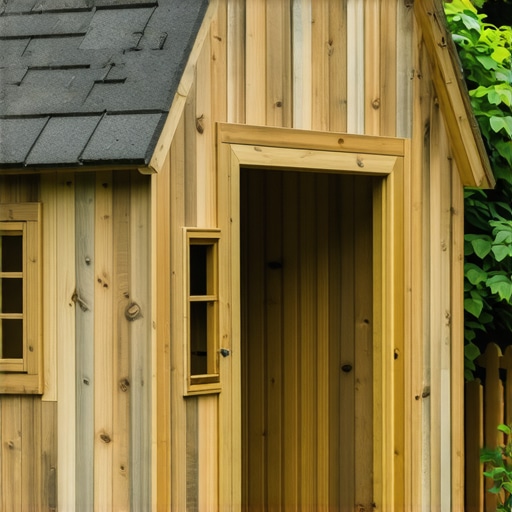
My Journey to Creating a Charming Wooden Playhouse for My Kids
One summer, I decided it was time to channel my inner DIY enthusiast and build a special play area for my children. Inspired by my love for woodworking and their endless imagination, I set out to craft a child-sized wooden playhouse that would become their favorite outdoor retreat. Little did I know, this project would teach me invaluable skills and create lasting memories.
Designing a Playhouse That Sparks Imagination
My first step was sketching out a design that balanced practicality with fairy-tale charm. I wanted the playhouse to be sturdy, safe, and inviting, with a cozy door and windows that let in the sunlight. I researched various plans online and found detailed guides on step-by-step DIY guides that helped me understand the essentials of woodworking for kids’ projects.
Choosing Quality Materials for Durability and Safety
For the structure, I opted for treated cedar wood, known for its weather resistance and natural beauty. I also selected non-toxic, child-safe paint and sealants to ensure the playhouse would be safe for my children to explore and enjoy for years. The importance of using high-quality, eco-friendly materials cannot be overstated — I learned from authoritative sources like home improvement tips that longevity and safety go hand in hand in DIY projects.
Building the Playhouse: From Foundation to Finish
The foundation was laid using pressure-treated beams, ensuring stability on uneven ground. I then assembled the frame, carefully measuring and cutting each piece for a precise fit. Installing the door and windows was a rewarding challenge, as I wanted them to open smoothly and securely. I used hinges and locks that are specifically designed for children’s furniture, adding an extra layer of safety and durability. During this process, I discovered that patience and attention to detail are key, especially when working with small parts and intricate fittings.
Adding Personal Touches with Doors & Windows
What truly transformed the playhouse from a simple structure into a magical space were the charming doors and windows. I chose a classic wooden door with a small window pane, allowing my kids to peek outside. The windows were framed with decorative trim, giving the playhouse character and realism. I also added a latch that my children could easily operate but was secure enough to keep the playhouse safe. These details not only enhance the aesthetic appeal but also improve the functionality, making the playhouse feel like an authentic tiny home.
Why Is It Important to Incorporate Safety and Functionality in DIY Playhouses?
Creating a safe, functional play space involves understanding the right materials, construction techniques, and safety accessories. I found that consulting experts or authoritative resources, such as woodworking guides from DIY guides, can significantly reduce risks and improve the quality of your project. It’s always better to invest time in planning and safety checks than to rush into building something that might pose hazards later.
If you’ve ever thought about building a playhouse for your kids, I encourage you to give it a try. It’s not only a rewarding experience but also a wonderful way to spend quality time together. Feel free to share your own DIY adventures in the comments or explore more inspiring projects at craft ideas for all ages.
Mastering the Art of Crafting Safe and Durable DIY Playhouses for Kids
Building a playhouse isn’t just about assembling wood and adding a splash of paint; it’s about creating a secure, long-lasting space where children can imagine, explore, and grow. As I delved deeper into the craft, I realized that understanding the nuances of safety and durability is crucial for any DIY enthusiast aiming to craft a truly special outdoor retreat for their little ones.
Prioritizing Safety in Every Step of Your DIY Playhouse
One of the most vital aspects of constructing a DIY playhouse is ensuring it’s safe for children. This involves selecting non-toxic, eco-friendly paints and sealants, which I learned from authoritative sources like home improvement tips. Additionally, all edges and corners should be rounded or smoothed to prevent injuries, especially since kids tend to be curious and active.
Hinges, locks, and handles are other details that demand attention. Choosing hardware specifically designed for children’s furniture, which often includes soft-close features and rounded edges, can significantly reduce the risk of pinched fingers or accidental injuries. It’s also wise to avoid small parts that could become choking hazards, particularly if young children will be using the playhouse.
Selecting Weather-Resistant Materials for Longevity
To ensure the playhouse withstands the elements, I opted for treated cedar wood, known for its natural resistance to decay and pests. Using high-quality, weather-resistant paint and sealants further protects the structure from moisture, UV rays, and temperature fluctuations. This approach aligns with expert advice from home improvement tips, emphasizing that durability begins with the right materials.
Incorporating design elements such as overhanging roofs and proper drainage ensures water doesn’t pool around the foundation, reducing the risk of rot or structural damage over time.
The Role of Structural Integrity and Foundation
A sturdy foundation is the backbone of any durable playhouse. I used pressure-treated beams to construct a level base, paying close attention to ground leveling and drainage. Reinforcing the frame with cross-bracing added stability, especially if the playhouse is placed on uneven terrain or exposed to high winds. For added safety, anchoring the structure to the ground with ground anchors or stakes prevents accidental tipping or shifting.
For detailed guidance on foundation and framing, I recommend exploring step-by-step DIY guides that cater to all skill levels and highlight best practices for structural integrity.
Incorporating Expert Insights for Lasting Results
While craftsmanship plays a significant role, consulting expert resources can elevate your project. For instance, expert advice from seasoned woodworkers stresses the importance of proper joinery techniques and regular maintenance checks to prevent issues like loose fittings or wood rot. Regularly inspecting the playhouse and applying protective coatings every few years will extend its lifespan significantly.
Reflecting on my experience, I found that a meticulous approach to safety and material selection transforms a simple DIY project into a trusted play space that endures over time. If you’re contemplating creating a custom playhouse, don’t hesitate to seek inspiration and detailed tutorials from trusted DIY platforms, or share your ideas and questions in the comments below. For more creative ideas and detailed tutorials on outdoor projects, visit craft ideas for all ages.
What Are the Hidden Challenges of Building a Truly Safe and Durable Playhouse?
Reflecting on my journey, I realize that beyond choosing the right materials and following construction guides, the real challenge lies in anticipating the unpredictable — from weather fluctuations to active little explorers. Over time, I learned that incorporating features like overhanging roofs and proper drainage not only prolongs the lifespan of the playhouse but also adds a charming aesthetic element that enhances its fairy-tale appeal. Regular maintenance checks, such as inspecting for loose fittings or wood rot, are essential to catch issues early and prevent costly repairs. This proactive approach resonates with expert advice from seasoned DIY enthusiasts, emphasizing that safety and durability are ongoing commitments rather than one-time tasks.
How Can Personalizing Your DIY Playhouse Elevate the Children’s Experience?
Adding personal touches transforms a simple structure into a magical sanctuary. I experimented with custom paint designs and decorative trims, which sparked my children’s imagination and made the space feel uniquely theirs. For example, painting a whimsical mural or installing themed accessories like a tiny mailbox or flag can turn the playhouse into a storytelling hub. These details nurture their creativity and give them a sense of ownership and pride. Sharing stories of my own creative experiments, I found that involving children in the decorating process not only makes the project more meaningful but also encourages their engagement and sense of responsibility. If you’re interested in exploring creative ways to enhance your outdoor space, check out creative home decor projects.
Why Is It Worth Investing Time in Expert Insights and Advanced Techniques?
While DIY guides provide an excellent foundation, diving into expert techniques elevates your project from good to exceptional. For instance, understanding advanced joinery methods or weatherproofing techniques from authoritative sources like step-by-step DIY guides can significantly enhance the structural integrity and longevity of your playhouse. I personally experimented with techniques such as reinforced framing and eco-friendly sealants, which proved invaluable during the unpredictable seasons. These investments in knowledge and craftsmanship ensure that your creation withstands the test of time and active use, providing a safe haven for years to come. If you’re eager to refine your skills further, exploring advanced tutorials on other DIY arts can inspire new ideas and techniques.
How Can Sharing Your DIY Experience Inspire Others?
Documenting and sharing your journey not only celebrates your achievements but also empowers others to embark on their own creative projects. Whether through blog posts, community forums, or social media, your insights can serve as valuable learning resources. I’ve found that engaging with fellow DIY enthusiasts often leads to helpful tips or collaborative ideas, enriching the entire experience. Moreover, your story can motivate hesitant beginners to take the plunge, emphasizing that patience, safety, and creativity are the keys to success. If you’re looking for a platform to showcase your projects or seek inspiration, I recommend exploring dedicated DIY communities or crafting a personal blog. Remember, every project, no matter how small, contributes to a larger culture of sustainable creativity and hands-on learning.
Embracing the Nuances of Advanced Material Science for Playhouse Longevity
While selecting treated cedar and eco-friendly paints forms the foundation of a durable playhouse, delving into the intricacies of material science elevates your project to an expert level. For instance, understanding how specific wood treatments like thermal modification or advanced preservative coatings influence resistance to weathering and pests can dramatically extend the lifespan of your structure. Additionally, integrating nano-coatings that repel water and resist UV degradation, as highlighted in recent studies on sustainable building materials, can safeguard your playhouse against the harshest elements, ensuring it remains a safe haven for years to come.
Innovative Joinery and Structural Reinforcement for Peak Safety
Beyond basic framing, employing sophisticated joinery techniques such as half-lap joints or mortise and tenon joints can significantly enhance structural integrity. These methods distribute loads more evenly and reduce stress concentrations, which is crucial for outdoor play structures subjected to frequent active use and environmental stressors. Incorporating cross-bracing and steel reinforcement within wooden frameworks, as recommended by structural engineers, provides additional stability, especially in regions prone to high winds or seismic activity. Regularly inspecting these joints and reinforcing them with corrosion-resistant fasteners ensures ongoing safety and resilience.
Integrating Smart Safety Mechanisms and Monitoring Technologies
Advancements in smart home technology offer innovative solutions for maintaining safety in DIY playhouses. Installing IoT-enabled sensors that monitor structural integrity, detect moisture intrusion, or alert you to temperature fluctuations can preemptively identify potential hazards. For example, a moisture sensor embedded within the foundation can warn of leaks or drainage issues before rot occurs, aligning with the principles of predictive maintenance. Such integrations not only showcase your technical prowess but also provide peace of mind, knowing that your creation is continually monitored for safety. To explore more about smart safety solutions, consider reviewing the latest DIY integrations at smart DIY innovations.
How Can I Leverage Sustainable and Eco-Friendly Technologies for Enhanced Durability?
Embracing eco-friendly technologies like bamboo reinforcement or recycled composite materials can further enhance your playhouse’s durability while aligning with sustainable practices. Bamboo, for instance, boasts remarkable tensile strength and resilience when treated correctly, making it an excellent alternative to traditional lumber for certain structural components. Additionally, recycled plastic composites resist rot, pests, and weathering, reducing maintenance needs and extending the lifespan of your project. Incorporating these materials requires understanding their properties and suitable joinery methods, which can be learned through specialized tutorials and expert consultations. For a deeper dive into eco-friendly building techniques, visit eco-friendly DIY innovations.
Why Is Continuous Maintenance and Expert Consultation Critical for Long-Term Success?
Even with the most advanced techniques and high-quality materials, ongoing maintenance remains essential. Regularly inspecting joints, sealing cracks, and reapplying protective coatings based on environmental exposure can prevent minor issues from escalating into safety hazards. Moreover, consulting with structural engineers or experienced craftsmen periodically ensures that your playhouse adheres to safety standards and incorporates the latest advancements in material science. Sharing your journey and seeking feedback from online communities or local experts fosters a cycle of continuous improvement, ultimately transforming your DIY project into a legacy of craftsmanship and safety. To connect with like-minded enthusiasts and access expert insights, explore dedicated DIY communities or advanced tutorials, such as advanced deck maintenance.
Things I Wish I Knew Earlier (or You Might Find Surprising)
Patience Is Truly a Virtue
When I first embarked on building the playhouse, I underestimated how much patience was needed. Rushing through steps often led to small mistakes that took time to fix. Slowing down and appreciating each phase made the process more enjoyable and the end result more solid.
The Power of Personal Touches
Adding unique details like custom painted doors or decorative trims transformed the playhouse from a simple structure into a magical space for my kids. These personal touches sparked their imagination and made the project incredibly rewarding.
Safety First, Always
From the outset, I realized that prioritizing safety—such as choosing non-toxic paints and rounding all edges—was essential. It’s better to spend extra time on safety measures than to worry about potential hazards later.
Weather-Resistant Materials Save the Day
Opting for treated cedar and weatherproof paints made a huge difference in durability. I learned that investing in quality materials upfront prevents costly repairs and keeps the playhouse looking charming for years.
Regular Maintenance Is Key
Even after completing the build, I discovered that routine inspections and upkeep keep the structure safe and functional. A little effort regularly can extend the lifespan of your DIY project significantly.
Resources I’ve Come to Trust Over Time
- DIY Guides from DIYKutak: These comprehensive step-by-step instructions helped me understand the nuances of woodworking and safety. I recommend them to anyone starting a DIY project.
- Home Improvement Tips: Expert advice on choosing durable, eco-friendly materials guided my decisions on weatherproofing and safety.
- Creative DIY Craft Ideas: For personalizing the playhouse, this site offered inspiring ideas for decorating and adding unique features.
- Outdoor Project Tutorials: Detailed tutorials on foundations and structural reinforcement ensured my playhouse was stable and long-lasting.
Parting Thoughts from My Perspective
Building a wooden playhouse for my kids was more than just a DIY project; it was a journey of learning, patience, and creativity. The most valuable takeaway is that thorough planning and prioritizing safety and durability can turn a simple build into a cherished family space. If you’re considering creating a playful outdoor retreat, I encourage you to dive in—embrace the imperfections and enjoy every moment of the process. And if this story resonated with you, I’d love to hear your thoughts or see your own projects in the comments. Happy building!