
Discovering the Magic in Discarded Scrap Materials
My journey into creating unique metal art began quite unexpectedly. I was rummaging through my garage, seeking materials for a new project, when I stumbled upon an assortment of discarded scrap metals. Instead of tossing them away, I felt a strange pull to turn these overlooked pieces into something extraordinary. That moment sparked my passion for welding and sculpting with recycled materials, transforming everyday trash into captivating art pieces.
My First Welding Experience: From Nervous Beginnings to Artistic Confidence
At first, the idea of welding was intimidating. I remember watching tutorials on DIY guides for all skill levels, which helped me grasp the basics. My first attempt was shaky, but I learned that patience and practice are key. As I gained confidence, I started experimenting with different techniques, like MIG welding and arc welding, to see how they could bring my sculptures to life.
Crafting Sculptures from Scrap: My Personal Tips and Tricks
One of the most rewarding aspects of working with scrap metal is the creative freedom. I often ask myself,
How can I give new life to these seemingly useless pieces?
I began exploring various sculpting techniques, like assembling welded joints into abstract shapes or realistic figures. Using a beginner-friendly approach, I managed to craft eye-catching pieces that tell a story or evoke emotion. The key is to view scrap as a canvas, not waste.
Incorporating Artistic Elements and External Inspirations
To elevate my metal art, I started studying traditional sculpture techniques and modern mixed-media art. I often look at works from reputable artists, like those discussed on creative DIY crafts, to inspire new ideas. Combining welding with paint or patinas, I create textured, colorful finishes that add depth and personality to each sculpture.
Why I Believe Scrap Metal Art Is a Sustainable and Artistic Choice
Creating art from scrap not only reduces waste but also challenges the notion of what materials are valuable. I feel proud knowing my sculptures contribute to a more sustainable approach to art. Plus, working with recycled metals often results in one-of-a-kind textures and forms that commercial materials can’t replicate. For those interested, I recommend exploring resources like eco-friendly art techniques to deepen your understanding of sustainable practices.
Share Your Metal Art Stories — Let’s Inspire Each Other!
If you’ve tried welding or sculpting with scrap materials, I’d love to hear about your experiences. Feel free to comment below or share your projects. Remember, every piece of scrap can be a starting point for something beautiful and meaningful. For further inspiration, check out more DIY art ideas and keep creating!
Unlocking the Potential of Recycled Metals in Artistic Creations
As an experienced sculptor working primarily with scrap metals, I’ve discovered that these overlooked materials hold endless possibilities for innovative art. The key lies in understanding the unique textures, forms, and properties of different metals, which can be harnessed to create compelling visual stories. For instance, using weathered steel or rusted iron can add a layer of natural patina that enhances the rustic charm of your sculptures.
Essential Tools and Techniques for Welding Scrap Metal
Mastering welding techniques is fundamental to transforming scrap into art. I recommend starting with MIG welding for its ease of use and versatility. As you progress, exploring arc welding can provide more control and strength for larger structures. Safety should always be a priority; proper gear like masks, gloves, and ventilation are non-negotiable. For detailed guidance, check out comprehensive DIY welding guides.
Creative Approaches to Assembling Metal Art
One of my favorite techniques involves exploring the natural shapes of scrap pieces and envisioning how they can fit together like puzzle pieces. Sometimes, I use a combination of welding and riveting to join different textures seamlessly. For example, combining curved and angular pieces can produce dynamic visual tension, making each sculpture a unique dialogue of form and material. Remember, patience and experimentation are your best allies in this process.
Incorporating Color and Texture for Artistic Depth
Beyond the metallic shine, adding color through patinas or heat treatments can dramatically change the mood of your piece. I often experiment with chemical solutions or torching to create oxidized finishes that evoke a sense of history and age. Texture is equally important; rough surfaces contrast beautifully with smooth, polished areas, guiding the viewer’s eye and emphasizing focal points. For inspiration, explore sustainable art practices that leverage eco-friendly finishing techniques.
What are the nuances that differentiate amateur scrap-metal art from professional-grade sculptures?
Understanding material behavior—such as how different metals respond to heat, stress, or corrosion—is crucial. Professionals often employ advanced techniques like TIG welding for precision or incorporate structural supports that ensure durability. Moreover, thoughtful conceptual planning, combined with technical mastery, elevates scrap metal from mere assemblage to meaningful art. Engaging with professional resources and workshops can greatly accelerate this learning curve.
Sharing Knowledge and Inspiring Innovation
As artists, we thrive on community and shared expertise. If you’ve experimented with scrap metal sculpture, I invite you to share your insights or showcase your work. Discussing challenges like warping or joint strength can lead to valuable solutions. Remember, every piece of scrap is an opportunity for creativity. For further inspiration and practical advice, explore more DIY art ideas and keep pushing your artistic boundaries!
Delving into the Nuances of Material Behavior for Elevated Scrap Metal Art
One of the most intriguing aspects of working with scrap metal is understanding how different materials respond to various manipulations. For instance, weathered steel or rusted iron carries a unique character, but also presents challenges like brittleness or unpredictable oxidation. Gaining a nuanced understanding of these behaviors allows me to select the right material for the desired effect, whether it’s creating a rustic patina or ensuring structural integrity for larger sculptures.
Refining Welding Skills: From Basic to Professional-Grade Precision
While beginner techniques like MIG welding are accessible, advancing to TIG welding opens a universe of precision and finesse. This transition was pivotal in elevating my work from rough assemblages to refined, detailed sculptures. Mastering the subtleties of heat control, torch angles, and filler material selection has been essential. I often recommend participating in workshops or courses—like those offered through comprehensive DIY guides—to accelerate this mastery and avoid common pitfalls.
Incorporating Structural Supports: Enhancing Durability and Artistic Expression
Another sophisticated layer involves understanding when and how to integrate supports that don’t detract from the aesthetic. Using internal reinforcements or carefully placed rivets can add strength without compromising the visual flow. This is particularly important when working with large or delicate pieces that require stability against environmental factors like wind or corrosion. Thoughtful engineering coupled with artistic vision allows scrap metal sculptures to transcend mere assemblages and become enduring works.
Exploring Color and Texture: Advanced Finishing Techniques
Beyond simple patinas, I experiment with chemical treatments, heat applications, and layered finishes to achieve complex textures and color shifts. Techniques such as torching or applying eco-friendly dyes can mimic natural aging or create vibrant contrasts. Combining these with textured surfaces—rough, polished, or hammered—adds depth and invites viewers to engage more intimately. For inspiration, I often explore sustainable art techniques that emphasize eco-conscious finishes.
Deepening Artistic Conceptualization and Integration
Advanced scrap metal art also involves conceptual clarity—understanding how material choice, form, and finish communicate a message. For example, weathered metals can evoke nostalgia, decay, or resilience. I challenge myself to blend technical mastery with meaningful storytelling, which often involves integrating other media like paint, fabric, or lighting. This layered approach transforms a simple assemblage into an immersive experience for the viewer.
Sharing and Evolving: Connecting with the Artistic Community
Community feedback and shared insights are invaluable for growth. I encourage fellow artists to document their processes, experiment with new techniques, and reflect on the emotional impact of their work. Platforms like DIY craft communities provide fertile ground for inspiration and critique. Remember, every challenge encountered is an opportunity to refine your skills and deepen your artistic voice.
Harnessing the Nuances of Metal Behavior for Sophisticated Artistic Outcomes
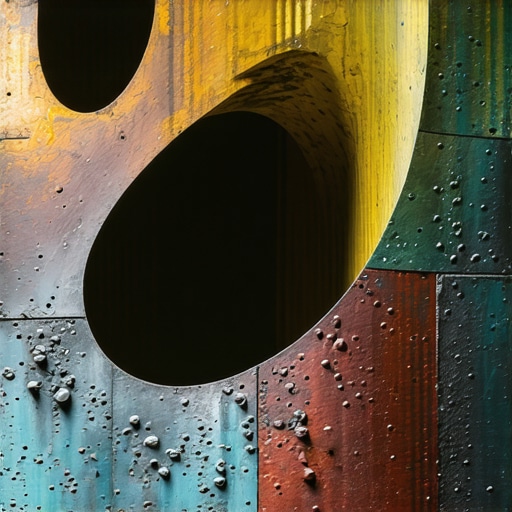
Understanding the intrinsic properties of various scrap metals is pivotal for achieving nuanced effects in your sculptures. For example, weathered steel, with its natural rusted patina, offers a rustic aesthetic but demands careful handling to prevent brittleness. Conversely, aluminum’s lightweight and corrosion resistance open avenues for delicate, intricate designs. Deep knowledge of how different metals respond to heat, stress, and environmental factors allows me to select the perfect material for each artistic vision, ensuring both beauty and durability. Exploring resources like eco-friendly techniques has enriched my understanding of sustainable practices that complement material choice.
Refining Welding Techniques: From Basic to Precision Craftsmanship
Transitioning from beginner MIG welding to advanced TIG welding marked a turning point in my artistic journey. TIG welding, with its precision, allows for fine detail and seamless joints, elevating scrap assemblages into refined sculptures. Mastering the subtleties of heat control, torch angles, and filler material selection has been an ongoing process, often guided by specialized workshops. Engaging with comprehensive DIY guides such as step-by-step tutorials accelerated my mastery and helped me avoid common pitfalls. The result is sculptures that not only captivate visually but also withstand the test of time.
Innovative Support Structures: Merging Functionality with Artistic Expression
Integrating structural supports without compromising aesthetic integrity is an art in itself. I employ internal reinforcements and strategic rivets that subtly enhance stability. For larger or more delicate pieces, thoughtful engineering ensures resilience against environmental factors such as wind and corrosion, transforming sculptures into enduring works. Techniques like embedding hidden supports or using tension wires enable me to preserve the organic flow of the piece while ensuring structural soundness. Such meticulous support integration elevates scrap metal art from mere assemblages to sophisticated masterpieces.
Advanced Finishing Techniques: Color, Texture, and Depth
Beyond natural metal finishes, I experiment with chemical patinas, torching, and eco-friendly dyes to introduce vibrant colors and complex textures. Heat treatments, for example, can create gradient effects or aged appearances, adding layers of depth. Combining rough, hammered textures with polished, reflective surfaces guides viewers through a tactile visual experience. Exploring sustainable finishing techniques has allowed me to achieve eco-conscious yet striking finishes that resonate with contemporary art sensibilities. These methods are essential for conveying mood, history, and emotion within each piece.
Engaging with the Artistic Community for Continuous Growth
Sharing my experiences and learning from fellow artists has been invaluable. Platforms dedicated to DIY and scrap metal art provide feedback, new ideas, and collaborative opportunities. I encourage you to document your processes and seek constructive critique, as every challenge—be it warping, joint failure, or aesthetic dilemmas—presents a learning opportunity. Exploring community resources expands your technical and conceptual horizons, fostering growth and innovation. Remember, mastery is a continuous journey rooted in passion and curiosity.
Things I Wish I Knew Earlier (or You Might Find Surprising)
Patience Is Part of the Process
When I first started working with scrap metal, I expected quick results. Turns out, mastering welding and assembling takes time, and rushing only leads to mistakes. Embracing patience has allowed me to appreciate each step and improve my craftsmanship significantly.
Not All Metals Behave the Same
I’ve learned that weathered steel, rusted iron, and aluminum each respond differently to heat and stress. Understanding these nuances has helped me select the right material for each project, ensuring durability and aesthetic appeal.
Safety Is Non-Negotiable
Initially, I underestimated the importance of safety gear. Wearing masks, gloves, and working in well-ventilated areas has prevented accidents and made the process much safer and more enjoyable.
Creative Problem-Solving Is Key
Working with scrap means improvising and finding innovative solutions on the fly. Sometimes, I had to engineer supports or joints that weren’t initially planned, which pushed my creativity and technical skills further.
Sharing Your Work Fuels Inspiration
Posting my sculptures online and engaging with fellow artists has motivated me to push boundaries. Community feedback not only helps me grow but also opens doors to new ideas and collaborations.
Resources I’ve Come to Trust Over Time
- DIY Guides for All Skill Levels: These comprehensive tutorials helped me get started safely and confidently. I recommend exploring them if you’re new to welding or metal art.
- Creative DIY Crafts: This site offers inspiring project ideas and techniques that keep my creative juices flowing.
- Eco-Friendly Art Techniques: Learning about sustainable practices has enriched my approach and made my art more meaningful.
Parting Thoughts from My Perspective
Creating scrap metal art has been a journey of discovery, patience, and constant learning. Understanding the nuances of different metals, refining my welding skills, and embracing creativity have transformed simple scraps into meaningful sculptures. If you’re considering diving into this craft, remember that every piece is an opportunity to learn and express yourself. I’d love to hear your stories or see your projects—feel free to share in the comments or connect through your own creative pursuits. Happy welding and sculpting!
Reading this post really resonated with me, especially the part about seeing scrap as a canvas rather than waste. I started a similar journey last year, working with rusty iron pieces that I found discarded around my property, and it’s amazing how much character these materials can lend to a sculpture. The challenge I often face is balancing the preservation of natural textures with the need for structural stability. Has anyone experimented with different finishes that both protect the piece and enhance its aesthetic appeal? I’d love to hear about effective eco-friendly solutions or techniques to achieve that balance. Also, I appreciate the emphasis on patience and continual learning; those are key to evolving as an artist in this medium. Overall, this post has inspired me to push my boundaries further and to explore more diverse metal textures and bonding techniques.