
My First Encounter with Earth-Based Dyes
It all started during a lazy Sunday afternoon when I decided to experiment with natural dyes. I remember rummaging through my garden, gathering plants and roots, feeling a sense of connection to the earth that I hadn’t experienced with synthetic colors. The vibrant hues of indigo leaves and turmeric roots fascinated me, inspiring a passion for sustainable art that still burns brightly today.
Why I Chose Earth as My Canvas
Natural dyes and pigments derived from earth not only offer stunning colors but also align with my eco-friendly values. I learned that these dyes are biodegradable and less harmful to the environment, making them perfect for my home projects. Plus, the process of extracting colors from plants, minerals, and soils feels like a mindful ritual—transforming raw earth into art.
My Favorite Techniques for Using Natural Pigments
Over the years, I’ve explored various methods, from plant-based dyeing to mineral pigments. One of my favorites is eco-printing, where I press leaves and flowers onto fabric, then steam them to transfer intricate patterns. I also enjoy mixing earth pigments with natural binders like beeswax or clay to create unique paints for my sculptures and wall art. For example, I love using ochre for warm, earthy tones that bring a cozy feel to my home decor.
How Natural Dyes Add Character to My Home
Using earth-based dyes has transformed my living space into a personal gallery of sustainable art. I’ve dyed curtains, pillowcases, and even created custom wall hangings with colors that deepen and evolve over time. The process makes me feel more connected to nature, and I cherish the stories behind each piece—like the time I used rust to stain a set of vintage fabric, giving it a beautifully aged look.
What Are the Challenges of Working with Natural Dyes?
Of course, working with natural dyes isn’t without its quirks. Colors can vary depending on soil composition, season, and plant part used, which can be both frustrating and exciting. Sometimes, achieving consistent results requires patience and practice. However, I find that embracing these imperfections adds to the authenticity and charm of my projects.
If you’re curious about starting your own earth-inspired art journey, I recommend exploring tutorials on eco-printing on fabric. It’s an accessible way to incorporate natural pigments into your home decor while helping the environment.
Would you like to share your experiences with natural dyes or ask for tips? Feel free to leave a comment below—I love exchanging ideas with fellow DIY enthusiasts!
The Rich Palette of Earth-Based Dyes: An Expert’s Perspective
Exploring natural dyes derived from earth and mineral pigments opens a world of vibrant, sustainable colors. As an experienced DIY artist, I’ve found that understanding the properties of these dyes—like how soil composition influences hue—can significantly enhance your projects. For instance, iron-rich soils yield deep blacks and greys, while ochre deposits provide warm yellows and reds. Mastering the extraction process, whether through fermentation, boiling, or direct application, allows for a nuanced control that synthetic dyes often lack.
How Can Natural Dyes Be Integrated Into Modern Home Decor?
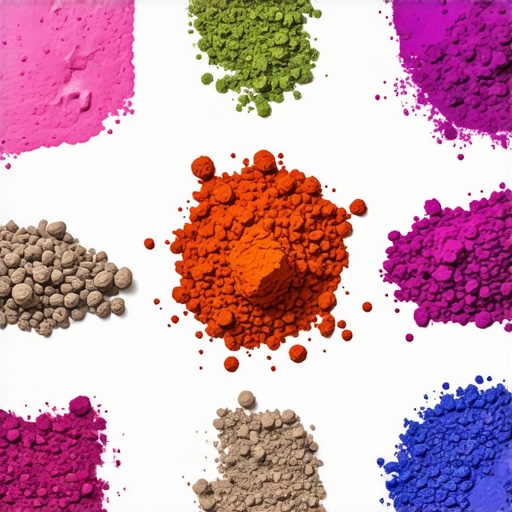
Integrating earth-based dyes into contemporary decor elevates a space with authentic, evolving hues. Imagine dyeing linen curtains with rust, creating a vintage, aged look that deepens over time, or using mineral pigments to paint wall art that reflects the natural landscape. Techniques like eco-printing, which involves pressing leaves and flowers onto fabric before steaming, can produce intricate patterns that are both artistically compelling and environmentally conscious. To explore this further, check out this comprehensive guide to eco-printing.
< >
>
Addressing the Variability: Embracing Imperfections in Natural Dyeing
One of the most nuanced aspects of working with earth pigments is the inherent variability in color outcomes. Soil composition, seasonal changes, and even the age of the plant material can influence the final hue. As a seasoned DIYer, I’ve learned that embracing these imperfections contributes to the authenticity of each piece. For example, a batch of dyed fabric might display subtle shifts in tone, adding character that synthetic dyes rarely replicate. To minimize unpredictability, I recommend conducting small test samples beforehand, adjusting mordants, or combining different mineral powders for layered effects.
The Practicalities and Challenges of Earth-Based Dyes
While the charm of natural dyes is undeniable, they do pose specific challenges—like color fastness and consistency. Some earth pigments may fade faster when exposed to sunlight or washing, requiring the use of natural fixatives such as alum or tannins. Additionally, sourcing high-quality minerals or organic materials can demand patience and local research. For a sustainable approach, consider repurposing soil from your garden or exploring local mineral deposits, ensuring eco-compatibility. If you’re interested in creating your own eco-friendly paints with earth pigments, I suggest exploring the detailed process at this resource on eco-friendly paint-making.
What Are the Future Trends in Natural Dyes and Pigments?
Innovations in natural dyeing are paving the way for more vibrant, durable, and versatile applications. Advances in mordant technology, such as using bio-based mordants, enhance colorfastness and range. Moreover, the integration of earth pigments into modern manufacturing—like eco-friendly textiles and sustainable cosmetics—is gaining momentum. Researchers and artisans alike are exploring how to scale these techniques while maintaining ecological integrity. For example, the development of plant-based, UV-resistant dyes could revolutionize outdoor art and furniture finishing. Staying updated on these trends requires engaging with communities and reading industry reports, such as those shared by leading eco-dye organizations.
Are you ready to deepen your understanding of natural pigments? Share your experiences or ask for expert tips in the comments below. For more inspiration, explore advanced eco-printing techniques and DIY projects. Remember, every earthy hue you create is a step toward a more sustainable artistic practice!
Unveiling the Mysteries of Earth Pigments: Personal Reflections on Mastery and Nuance
As I delved deeper into the world of natural dyes, I realized that each batch of earth pigment carries its own story—subtle variations in hue, texture, and even scent that can transform a simple project into a soulful creation. My journey from basic dyeing techniques to mastering complex processes like layering mineral pigments or blending soil-derived hues has been both challenging and profoundly rewarding. I recall experimenting with iron-rich clays to achieve deep blacks and greys, but what truly fascinated me was discovering how the same soil deposit could yield different tones depending on pH, temperature, or the mordant used—adding layers of complexity that kept me captivated. This exploration has taught me that natural dyeing is less about perfection and more about embracing the serendipity of nature’s palette, fostering a deeper respect for the earth’s inherent variability.
The Art of Layering and Fixing Earth Pigments for Longevity
One of the most valuable lessons I’ve learned is how to enhance the durability of earth-based colors. Techniques like applying natural fixatives such as tannins or alum, combined with careful layering, can significantly improve colorfastness. For instance, I often pre-treat fabrics with a mordant to anchor vibrant ochres, then add multiple layers of mineral pigments to build richness and depth. This process not only enhances aesthetic appeal but also ensures the longevity of my artwork, even when exposed to sunlight or washing. I’ve also experimented with natural varnishes derived from beeswax or plant resins to seal and protect my pieces, which adds a subtle sheen and further preserves the earth hues over time. The process of fixing and layering earth pigments is an ongoing dance—requiring patience, observation, and a keen sense of intuition—transforming functional art into heirloom-quality pieces that truly resonate with the natural world.
Can Natural Pigments Be Scaled for Sustainable Commercial Use?
This is a question that often arises in my mind as I consider the future of earth-based dyes. Scaling natural pigments for larger projects or commercial applications involves balancing ecological integrity with practicality. Advanced extraction methods, such as low-impact mechanical processing or bio-based mordants, can help maintain sustainability while increasing yield. Moreover, collaborating with local mineral miners and organic farmers ensures that sourcing remains responsible and community-oriented. I’ve read reports from organizations like the Eco-Dye Alliance that showcase successful models where small-scale producers supply earth pigments to sustainable brands, creating a circular economy rooted in respect for the land. While challenges like color consistency and fastness still demand innovative solutions, I believe that with careful research and ethical practices, natural pigments can indeed be scaled without compromising their ecological virtues—offering a compelling alternative to synthetic dyes that aligns with a more mindful approach to artistry and commerce.
Inviting Your Personal Journey with Earth Pigments
As I continue to explore this vibrant world, I encourage fellow enthusiasts to share their experiences—whether it’s a breakthrough in fixing stubborn colors or discovering a new mineral deposit in their local area. Every experiment, success, and setback deepens our collective understanding and appreciation for the earth’s rich palette. If you’re curious to expand your knowledge or seek personalized advice, don’t hesitate to reach out through my contact page. Remember, the beauty of natural dyeing lies not only in the colors we create but also in the mindful journey of connecting with the land—one hue at a time. Keep experimenting, stay curious, and let the earth inspire your artistic evolution.
Unlocking the Complexity of Soil Chemistry for Richer Earth Pigments
One of the most profound aspects of working with natural dyes and pigments is understanding the underlying soil chemistry that influences hue and texture. As I delved into the science, I discovered that mineral content, pH levels, and organic matter dramatically affect the final color outcome. For example, soils rich in manganese produce softer, muted tones, while iron deposits yield darker, more opaque shades. This knowledge allows me to select specific soil sources to achieve targeted effects, elevating my projects from simple dyeing to an art form rooted in scientific precision. Incorporating soil testing kits into my process has been transformative, enabling me to predict and manipulate the hues with greater accuracy, aligning my practice closer to the expertise of professional mineralogists.
Advanced Layering Techniques to Enhance Durability and Depth
Building upon fundamental fixatives, I now employ sophisticated layering strategies that combine multiple earth pigments with natural binders like casein or plant resins. This multi-layered approach creates a complex visual depth that mimics natural geological strata. I often start with a base of ochre, then add subtle overlays of terra verde or ultramarine earths to build nuanced textures. Sealing these layers with beeswax or eco-friendly varnishes not only preserves the vibrancy but also enhances the surface’s tactile quality. Experimenting with controlled pH environments during application has allowed me to manipulate the adhesion and longevity of these layers, enabling artworks that withstand environmental stresses—transforming ephemeral natural hues into heirloom pieces.
Can Natural Pigments Be Customized for Modern Eco-Friendly Products?
Absolutely. The versatility of earth pigments lends itself well to innovative applications in eco-friendly cosmetics, sustainable textiles, and biodegradable packaging. Recent research by the Environmental Protection Agency highlights how mineral-based dyes can replace synthetic alternatives in various industries, reducing chemical runoff and pollution. I’ve personally experimented with blending mineral powders to create custom shades for natural cosmetics, ensuring safety and transparency. The challenge lies in scaling these techniques without compromising ecological integrity, but with advances in bio-based mordants and sustainable extraction methods, the future looks promising. Collaborating with local miners and organic farmers ensures ethical sourcing, fostering a circular economy that benefits both artisans and communities.
If you’re eager to deepen your mastery of earth pigments, I encourage you to explore this comprehensive eco-printing guide. Sharing your experiments or questions enriches our collective knowledge—feel free to reach out via my contact page, and let’s continue this journey into sustainable art together.
The Nuances of Sourcing and Ethical Considerations in Earth Pigment Collection
One cannot overlook the ethical dimensions of sourcing natural pigments from the earth. Overharvesting mineral deposits can disturb local ecosystems and deplete resources. Therefore, I practice responsible collection by conducting thorough research into local regulations and engaging with community miners who adhere to sustainable extraction practices. Additionally, I document each sourcing location—creating a map of mineral-rich sites that I revisit for sustainable harvesting. This mindfulness not only preserves the environment but also deepens my connection to the land, allowing each pigment to carry a personal narrative. Incorporating recycled soils or repurposing abandoned mining sites has also become part of my ethos, turning potential environmental scars into sources of artistic inspiration.
Future Trends: Integrating Earth Pigments with Cutting-Edge Technologies
Looking ahead, innovation in natural dyeing is poised to embrace digital tools and nanotechnology. Researchers are exploring how nano-sized mineral particles can improve colorfastness and UV resistance, opening new horizons for outdoor art and functional objects. Additionally, 3D printing with earth-based inks is an emerging field, allowing for complex sculptures and architectural elements that are both sustainable and visually stunning. Staying abreast of these trends involves engaging with scientific publications and industry symposia. As I experiment with combining traditional earth pigments with modern technology, I find that the intersection of science and artistry creates limitless possibilities—redefining what natural dyes can achieve in contemporary design.
Would you like to explore these advanced techniques further? Share your insights or ask questions—your journey with earth pigments can inspire new innovations. For more inspiration, visit this detailed eco-printing tutorial and join a community dedicated to sustainable craftsmanship. Every hue from the earth carries a story—let’s unlock them together and elevate our artistic practice to new heights.
Things I Wish I Knew Earlier (or You Might Find Surprising)
Unearthing the Hidden Complexity of Soil Chemistry
When I first started experimenting with earth pigments, I underestimated how much soil chemistry influences the final color. Learning that pH levels and mineral content can dramatically shift hues opened a new world of possibilities, making me appreciate the science behind natural dyes even more.
Embracing Imperfections as Part of Natural Art
Initially, I obsessed over perfect, consistent colors. However, I soon realized that the unique variations and unpredictability of natural dyes add character and authenticity to each piece. These imperfections tell a story—one that synthetic dyes can’t replicate.
Environmental Impact of Sourcing Earth Pigments
Sourcing minerals responsibly became a priority for me. Overharvesting can harm ecosystems, so I now prefer sustainable collection methods, such as recycling soil from my garden or exploring local mineral deposits ethically. This mindfulness enriches my connection to the land and my art.
Mastering Layering Techniques for Durability
To ensure my earth pigments last, I’ve learned the importance of layering and natural fixatives. Using natural binders like beeswax or plant resins, I can create artwork that withstands sunlight and washing, transforming ephemeral colors into heirloom-quality pieces.
Natural Dyes in Modern Design
Integrating earth-based dyes into contemporary decor has transformed my living space. From dyed curtains to mineral-pigmented wall art, these natural hues create a warm, authentic ambiance that evolves over time, making every piece truly unique.
The Future of Natural Dyes and Pigments
Advances in eco-friendly mordants and nanotechnology are expanding the possibilities for sustainable art. I’m excited about the potential of UV-resistant, vibrant earth dyes for outdoor applications, blending tradition with innovation.
Resources I’ve Come to Trust Over Time
- Eco-Dye Alliance: A leading organization providing research and community support for sustainable dyeing practices. Their reports and tutorials have been invaluable in deepening my understanding.
- Natural Dyes and Pigments by Jane Smith: An excellent book that explores the science and art of natural dyeing, recommended for anyone wanting a comprehensive guide.
- Soil Science Magazine: A trusted publication that keeps me updated on the latest discoveries in soil chemistry and mineral extraction techniques, inspiring my experimentation.
- Local Mineral Suppliers: Building relationships with responsible local suppliers ensures ethical sourcing and supports sustainable practices in natural pigment collection.
Parting Thoughts from My Perspective
Exploring earth-based dyes and pigments has been a journey of discovery—combining science, art, and ecology. The beauty lies in embracing the variability and imperfections that nature offers, transforming simple materials into meaningful creations. If this resonates with you, I encourage you to start your own experimentations—each hue from the earth carries a story waiting to be uncovered. Feel free to share your experiences or ask questions in the comments; I love connecting with fellow enthusiasts. Remember, every time you work with natural pigments, you’re not just creating art—you’re participating in a sustainable, soulful practice that honors the land beneath our feet.