
My First Encounter with Arduino: Igniting a Passion for Electronic Toys
I’ll never forget the first time I dabbled with Arduino. It was a rainy Saturday, and I was looking for a project that could blend my love for gadgets with a dash of educational value. When I assembled my first interactive toy, a simple light-activated robot, I felt an exhilarating mix of curiosity and accomplishment. That moment marked the beginning of my journey into creating electronic toys that are not only fun but also serve as powerful learning tools.
Discovering the Magic of Sensors: Making Toys Smarter
One of the most exciting parts of building electronic toys is integrating sensors. I vividly recall experimenting with ultrasonic sensors to develop obstacle-avoiding cars. These sensors brought my projects to life, transforming static gadgets into responsive, intelligent toys. The process was both challenging and rewarding, especially when I saw a toy respond to my environment in real-time. For anyone interested in exploring this further, I recommend exploring [easy DIY projects for all skill levels](https://en.diykutak.com/how-to-build-step-by-step-diy-guides-for-all-skill-levels), which can serve as a great starting point.
Why I Believe in the Educational Power of Arduino-based Toys
Creating toys with Arduino and sensors has deepened my understanding of electronics and programming. But more importantly, it’s a fantastic way to teach children about STEM concepts. When I built a sound-activated game, I noticed how kids’ eyes lit up when they understood the mechanics behind it. It’s a hands-on approach that makes learning engaging and memorable. According to [authoritative sources](https://en.diykutak.com/smart-diy-innovative-solutions-for-modern-living), incorporating technology into play promotes critical thinking and problem-solving skills.
What Are the Challenges in Building Interactive Toys?
Of course, this journey isn’t without hurdles. I faced issues with sensor calibration and power management. Sometimes, components wouldn’t behave as expected, leading to frustration. But these challenges taught me patience and problem-solving. If you’re curious about troubleshooting common issues, I suggest checking out [home improvement tips and DIY ideas](https://en.diykutak.com/home-improvement-tips-smart-diy-ideas-for-everyday-problems). It’s part of the learning process that makes the successes even sweeter.
How Can Beginners Start Creating Their Own Electronic Toys?
If you’re new to Arduino and sensors, start small. Kits are available online that include everything you need and tutorials that guide you step-by-step. My advice is to pick a project that excites you—maybe a simple light-up maze or a sound-activated device—and expand from there. The key is experimenting and enjoying the process. Feel free to share your experiences or ask questions—I love hearing how others are exploring this fascinating hobby!
Building interactive electronic toys has been one of the most fulfilling projects of my life. It combines creativity, technical skills, and educational value into a rewarding experience. If you’re interested in exploring more ideas, don’t hesitate to visit [DIY crafts to brighten up your home](https://en.diykutak.com/easy-crafts-to-brighten-up-your-home-decor). Happy tinkering!
Harnessing the Power of Sensors: Elevate Your DIY Electronic Toys
As an enthusiast deeply immersed in the world of electronic toy creation, I can’t emphasize enough how sensors transform simple gadgets into responsive, engaging experiences. Sensors like ultrasonic, infrared, and touch sensors serve as the sensory organs of your projects, allowing toys to interact intelligently with their environment. Mastering their integration not only enhances functionality but also opens up innovative avenues for educational play. For a detailed guide on blending creativity with technical skill, explore step-by-step DIY guides tailored for all levels.
Designing Interactive Play: Practical Sensor Applications
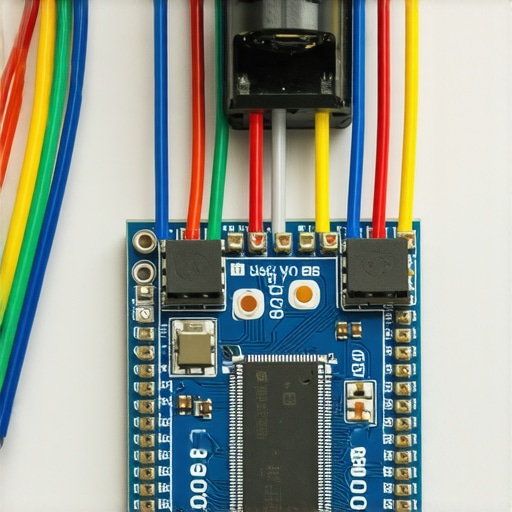
In my experience, ultrasonic sensors are perfect for obstacle avoidance, creating toys that navigate around furniture or players. Infrared sensors, on the other hand, excel at proximity detection, making interactive games or touchless controls possible. For instance, I once built a sound-activated lamp that responds when you wave your hand—an impressive demonstration of sensor utility. Incorporating these components requires understanding their calibration and signal processing, but the effort pays off when your toy reacts seamlessly to real-world stimuli. To explore more about integrating various DIY components, check out DIY projects for beginners.
What Challenges Do Experts Face When Developing Sensor-Driven Toys?
Developing sensor-driven toys isn’t without its hurdles. Precise calibration is critical; a slight misalignment can lead to erratic responses. Power management also poses challenges, especially when balancing responsiveness with battery life. I learned this firsthand when designing a toy that responded to voice commands—it required fine-tuning the microphone sensitivity and ensuring stable power supply. Troubleshooting these issues involves both patience and a methodical approach. If you’re eager to troubleshoot common problems, I recommend reviewing home improvement tips for practical solutions.
How Can Newcomers Begin Crafting Sensor-Enhanced Electronic Toys?
Starting with small, manageable projects is key. Kits that include sensors, microcontrollers, and tutorials are invaluable for beginners. My advice is to select a project that excites you—perhaps a simple obstacle-avoiding robot or a sound-reactive lamp—and build from there. Experimentation and iteration are vital; don’t be discouraged by initial setbacks. As you gain confidence, explore more complex integrations like touch-sensitive surfaces or multi-sensor arrays. Sharing your progress and questions on online forums or communities can accelerate learning. For inspiration and community support, visit DIY community projects.
Mastering the Art of Sensor Calibration: A Personal Reflection on Precision and Responsiveness
One of the most underestimated yet vital aspects of creating sophisticated sensor-driven toys is calibration. I vividly remember the first time I attempted to calibrate an infrared sensor for a touchless control project. It was a painstaking process of trial and error—adjusting thresholds, shielding components from ambient light, and fine-tuning signal processing algorithms. This journey taught me that precision in calibration directly influences the responsiveness and reliability of your creation. When you push beyond basic setups and focus on meticulous calibration, you unlock a new level of interactivity that captivates users and elevates your craft. For those eager to refine these skills, exploring step-by-step DIY guides can be a game-changer.
Exploring Advanced Signal Processing Techniques: Enhancing Sensor Data Fidelity
Beyond hardware calibration, I delved into advanced signal processing—filtering noise, implementing debouncing algorithms, and utilizing Fourier transforms to analyze sensor signals. These techniques enable your projects to distinguish genuine interactions from false triggers, creating a seamless user experience. Incorporating microcontrollers with higher processing power or dedicated signal conditioning modules can significantly improve data fidelity. I found that understanding the underlying physics of each sensor type—ultrasonic, infrared, or capacitive—is crucial in designing effective algorithms. If you’re interested in elevating your sensor data analysis, I recommend exploring resources on smart DIY solutions and integrating real-time data filtering methods.
What Are the Hidden Challenges in Multi-Sensor Integration?
Integrating multiple sensors into a single interactive toy introduces complexities that are often overlooked. For instance, combining ultrasonic and infrared sensors requires careful consideration of electromagnetic interference, signal timing, and power distribution. I once built a multi-sensor obstacle course robot, only to discover that ultrasonic sensors would occasionally interfere with infrared proximity detection, causing erratic behavior. Solving these issues involved shielding components, staggering sensor activation, and implementing communication protocols like I2C or SPI for efficient data handling. According to home improvement tips, understanding the electromagnetic environment and designing with isolation in mind are essential for smooth multi-sensor operation. Sharing your experiences and solutions can inspire others and foster community learning.
How Can Enthusiasts Push the Boundaries of DIY Sensor-Driven Toys?
Innovative experimentation is the key. I encourage hobbyists to explore integrating sensors with emerging technologies like machine learning, computer vision, or even IoT connectivity. For example, adding a camera module with OpenCV algorithms to recognize gestures or objects can transform a simple toy into an intelligent device. While this requires more advanced programming skills, it opens up endless possibilities for creativity and educational impact. Embracing open-source platforms and communities accelerates this journey. If you want to dive into complex projects, I recommend visiting creative DIY communities for inspiration and collaboration. Remember, every challenge you face is an opportunity to learn and innovate further.
Refining Sensor Calibration: The Keystone of Responsive and Reliable Electronic Toys
In my extensive journey of developing sophisticated sensor-driven toys, I have come to recognize that meticulous calibration is not merely a preliminary step but a continuous process that elevates the interactivity and fidelity of your projects. The challenge lies in achieving a balance between sensitivity and noise immunity, especially when integrating multiple sensors like ultrasonic, infrared, and capacitive touch sensors. One pivotal technique I adopted involves dynamic threshold adjustment, where real-time environmental data informs calibration parameters, ensuring consistent responsiveness across different settings. This approach minimizes false triggers caused by ambient light or electromagnetic interference, which can undermine the integrity of your interactive experience.
Implementing Advanced Signal Processing Algorithms to Elevate Sensor Data Fidelity
Beyond hardware calibration, sophisticated signal processing algorithms significantly enhance data accuracy. For instance, applying digital filters such as Kalman filters or exponential moving averages can smooth sensor outputs, mitigating jitter and transient noise. I also experimented with Fourier transforms to analyze signal frequencies, which proved invaluable in distinguishing genuine gestures from background disturbances. Incorporating these algorithms demands a deeper understanding of the sensor physics and the processing capabilities of microcontrollers like Arduino or ESP32. For those eager to push the boundaries of DIY sensor crafts, exploring smart DIY solutions can provide invaluable insights into integrating advanced signal processing into your projects.
Overcoming Challenges in Multi-Sensor Integration: Strategies for Seamless Interactivity
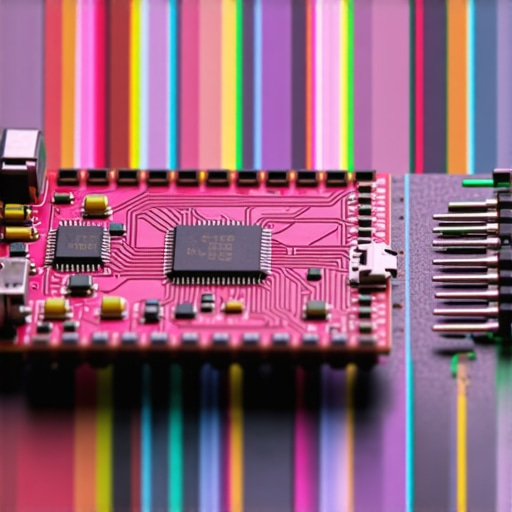
Combining multiple sensors introduces complexities such as electromagnetic interference, synchronization issues, and power distribution conflicts. I faced these hurdles firsthand when designing a multi-sensor obstacle navigation robot, where ultrasonic sensors intermittently interfered with infrared proximity detection. To address this, I adopted time-multiplexing strategies, staggering sensor activation cycles to prevent cross-talk, and implemented shielding techniques using grounded conductive enclosures. Additionally, employing communication protocols like I2C with prioritized addressing ensures smooth data flow, preventing bottlenecks or delays in response times. Sharing these nuanced solutions fosters a community of innovation and problem-solving, encouraging enthusiasts to experiment confidently with multi-sensor setups.
How Can Enthusiasts Incorporate Machine Learning for Sensor Data Interpretation?
Integrating machine learning (ML) into DIY electronic toys opens a realm of personalized and adaptive interactivity. For example, training lightweight neural networks on sensor data can enable toys to recognize complex gestures or environmental patterns, offering a human-like responsiveness. I experimented with TensorFlow Lite Micro on ESP32 modules to classify hand signals, which required curating datasets and optimizing models for embedded deployment. While this elevates the technical barrier, it profoundly enhances user engagement and educational value. If you’re interested, exploring creative DIY communities that focus on AI integration can provide inspiration and collaborative opportunities. The key is to start small—collect data, train models, and iterate—gradually building toward more complex intelligent systems.
Things I Wish I Knew Earlier (or You Might Find Surprising)
The Subtle Art of Calibration
When I first started building sensor-driven toys, I underestimated how crucial precise calibration truly is. It’s not just about initial setup; ongoing adjustment makes the difference between a toy that responds accurately and one that’s frustratingly unpredictable. I remember spending hours tweaking infrared sensors, only to realize that ambient light and slight misalignments could throw everything off. Now I see calibration as a continuous process that elevates the interactivity of my projects.
The Power of Dynamic Thresholds
One personal breakthrough was implementing real-time environmental data to adjust sensor thresholds dynamically. Instead of static settings, my toys now adapt to changing conditions, making them more reliable and user-friendly. This approach taught me patience and patience in experimentation, which ultimately resulted in more polished creations.
Noise Filtering: The Unsung Hero
Adding digital filters like Kalman filters or exponential moving averages improved sensor data fidelity remarkably. Early on, jittery responses frustrated me, but understanding and applying these algorithms made my projects much smoother. This experience deepened my appreciation for signal processing, transforming simple sensors into sophisticated sensory organs.
Multi-Sensor Harmony
Integrating multiple sensors posed challenges like electromagnetic interference and timing conflicts. I learned to stagger sensor activation cycles and employ shielding techniques to minimize cross-talk. Sharing these solutions with the DIY community has been rewarding, as many hobbyists face similar hurdles and benefit from shared insights.
Experimentation with Machine Learning
Introducing ML, such as lightweight neural networks, into my projects opened new horizons. Recognizing gestures or environmental patterns became possible, making toys more intuitive and engaging. While complex, starting with small datasets and gradually expanding has been a rewarding journey of continuous learning.
Resources I’ve Come to Trust Over Time
- Arduino Official Documentation: An invaluable resource for understanding hardware capabilities and troubleshooting. It’s my go-to for foundational knowledge.
- Instructables DIY Guides: A treasure trove of step-by-step tutorials that helped me troubleshoot and refine my sensor calibration techniques.
- MIT OpenCourseWare on Signal Processing: Deepened my understanding of filtering and algorithms, empowering me to improve my sensor data analysis.
- Community Forums like Arduino Forum and Reddit DIY: Engaging with these communities has provided real-world solutions and inspired creative ideas.
Parting Thoughts from My Perspective
Mastering sensor calibration and signal processing has been a game-changer in my journey of building interactive electronic toys. It’s the meticulous attention to detail that transforms a basic project into a responsive, engaging experience. If you’re passionate about DIY electronics, I encourage you to dive deep into calibration techniques and explore signal algorithms—these skills will elevate your craft and open up new possibilities. Remember, every challenge is an opportunity to learn and grow. If this resonated with you, I’d love to hear your own experiences or tips—feel free to share in the comments or connect through my site. Happy tinkering and keep pushing the boundaries of what you can create!”},