
My Unexpected Journey into Vintage Home Decor
It all started when I stumbled upon a dusty, old wooden crate at a local flea market. That discovery sparked an obsession with transforming ordinary furniture into charming vintage pieces that tell a story. I realized that mastering fading & ageing effects could bring a unique character to my home, blending history with personal style.
Why Fading & Ageing Effects Are My Favorite Decor Tricks
As I experimented, I found that these techniques add depth, authenticity, and a touch of nostalgia to any space. Whether it’s a distressed finish on a coffee table or a weathered look on decorative accents, the natural imperfections evoke stories of the past, making my home feel warm and inviting. Plus, I learned that using eco-friendly DIY methods, like natural earth pigments, not only enhances authenticity but also aligns with my eco-conscious values. For more eco-friendly ideas, check out this guide.
How Do I Achieve That Perfect Vintage Look?
My secret lies in layering different techniques—using chalk paints, wax finishes, and gentle sanding to create that beautifully worn appearance. I also discovered that patience is key; allowing the paint to dry and then gently distressing surfaces reveals the charm of imperfections. For a truly authentic aged effect, I sometimes incorporate subtle cracks and peeling paint, which can be simulated with specific DIY methods. I’ve even started experimenting with natural dyes to add subtle color variations that look centuries old. Want to dive deeper into DIY techniques? I recommend exploring home decor DIY ideas.
Isn’t it Challenging to Make Furniture Look Truly Vintage?
At first, I thought so too. But with a bit of practice and the right tools, like fine sandpaper and natural sealants, I gained confidence. The key is to embrace imperfections—sometimes a little chipped paint or uneven finish adds to the charm rather than detracts from it. Over time, I’ve learned to trust my eye and not overthink the process. And it’s incredibly rewarding to see an old piece come back to life, with a story etched into every crack and worn edge.
If you’re interested in experimenting with different DIY techniques, don’t hesitate to explore step-by-step guides that cater to all skill levels. Your vintage transformation journey awaits!
Have you tried creating your own aged decor? I’d love to hear your stories or answer any questions—share your experience in the comments below or reach out via our contact page.
Unlocking the Secrets of Authentic Vintage Furniture Restoration
Reviving old furniture to achieve that genuine vintage charm is both an art and a science. As an enthusiast with years of experience, I’ve learned that understanding the history and original materials of a piece is crucial. For instance, identifying whether a piece was painted with oil-based or latex paints helps determine the best stripping and finishing methods. Additionally, embracing the imperfections, such as minor cracks or chips, can add character rather than detract from its authenticity.
Choosing the Right Materials for a Timeless Finish
One of the most important decisions in vintage furniture restoration is selecting eco-friendly and durable products. Natural earth pigments, for example, can be mixed with plant-based binders to create authentic stains and paints that age beautifully over time. Natural waxes and oils, like beeswax or linseed oil, not only protect the surface but also enhance the piece’s patina, giving it that aged look. For a comprehensive guide on eco-friendly paints, check out this resource.
Layering Techniques for Depth and Character
Achieving a convincing vintage appearance often involves multiple layers of paint, stain, and sealant. I recommend starting with a base coat that matches the original color, followed by translucent layers to mimic age-related fading. Sanding between layers introduces subtle wear, revealing underlying colors and textures. Sometimes, I deliberately distress the surface with tools like wire brushes or fine-grade sandpaper to simulate natural wear. These steps require patience but reward with a stunning, authentic look that tells a story.
What Are the Common Pitfalls When Trying to Make Furniture Look Truly Vintage?
Many DIYers struggle with overdoing the distressing or failing to match the original style, resulting in a look that feels inauthentic. Over-sanding can remove too much detail, while using synthetic finishes may age poorly over time. The trick is moderation and research—studying period styles and authentic finishes helps guide your choices. Trusting your eye and embracing imperfections, like uneven paint or minor cracks, can elevate your piece from a simple makeover to a true vintage masterpiece. For more advanced techniques, exploring step-by-step DIY guides can provide valuable insights.
Additionally, natural dyes can be used to add subtle color variations, making the piece look centuries old. Experimenting with different techniques on scrap wood before applying them to your main piece can save you from costly mistakes. Remember, patience is key—allow each layer to dry thoroughly before proceeding, and don’t rush the aging process.
If you’re eager to deepen your expertise, I highly recommend exploring resources dedicated to authentic vintage finishes and eco-friendly restoration methods. Sharing your projects or asking questions can also be incredibly helpful—feel free to comment below or connect with me through our contact page. Happy restoring!
Deepening the Craft: Embracing the Nuances of Age and Authenticity
As I delved further into vintage furniture restoration, I discovered that understanding the subtle nuances of aging—such as the natural patina that develops over decades—can elevate a piece from merely distressed to genuinely authentic. This realization prompted me to study historical finishes and how they weather over time, which often involves researching old photographs, period-specific materials, and techniques used by craftsmen of yesteryears. For example, applying a thin layer of natural oils like linseed or tung oil can mimic the deepening of color and texture seen in antique pieces, adding depth and authenticity.
The Complexity of Layering: Balancing Wear and Preservation
Layering techniques are much more than just applying paint and distressing; they require a delicate balance to preserve the integrity of the piece while enhancing its character. I’ve learned to work in multiple thin layers, allowing each to dry thoroughly before sanding or distressing, which creates a more natural transition between aged and newer areas. Sometimes, I intentionally leave some areas untouched to serve as visual anchors, drawing the eye to the authentic wear patterns. This layered approach demands patience and an eye for detail—traits that I believe are essential for any serious DIY enthusiast aiming for a truly vintage look.
Can Advanced Techniques Elevate DIY Restoration to an Art Form?
Absolutely. Techniques such as crackling, veneer distressing, and using natural dyes can turn a simple project into a work of art. For instance, natural dyes derived from foraged plants or minerals can introduce subtle color shifts that mimic centuries-old finishes, adding a layer of complexity that synthetic paints often lack. I’ve experimented with these methods, referring to detailed guides like this resource, which provides invaluable insights into eco-friendly and authentic coloring techniques. The key is to approach each piece as a story waiting to be told, respecting its history while skillfully enhancing its character.
Sharing the Journey: Learning From Mistakes and Celebrating Success
One of the most rewarding aspects of this craft is sharing my experiences with others. I’ve learned that mistakes—such as over-sanding or using the wrong sealant—are valuable lessons that refine my skills. Over time, I’ve developed a personal style that combines historical accuracy with a touch of my own creativity. I encourage fellow DIYers to document their process, celebrate their successes, and embrace imperfections as part of the story. If you’re interested in exploring more advanced or nuanced techniques, I recommend exploring comprehensive DIY guides that cater to varying skill levels and help refine your craft.
Have you tried incorporating advanced fading and aging effects into your projects? I would love to hear your stories or see your work—feel free to share in the comments or reach out through our contact page. Remember, every piece has a story, and your craftsmanship is the voice that brings it to life.
Harnessing the Power of Natural Patinas for Genuine Vintage Aesthetics
One of the most captivating aspects of authentic vintage restoration is the development of natural patinas over time. To replicate this, I experimented with applying thin layers of natural oils, such as tung oil and Danish oil, which deepen the surface coloration and enhance the tactile feel of aged wood. These oils penetrate deeply, fostering a rich, durable finish that mimics the subtle variations seen in century-old furniture. An insightful resource I often consult is this detailed guide, which emphasizes eco-friendly methods for achieving authentic finishes.
Mastering the Art of Crackling and Veneer Distressing
To elevate the aged appearance, I incorporate advanced crackling techniques, such as applying a layer of rabbit skin glue or using specialized crackle mediums that create natural-looking fissures. Veneer distressing involves carefully removing or aging thin layers of veneer to reveal the underlying substrate, adding depth and history to the piece. Precision is vital here; I often practice on scrap before working on the main piece to perfect my approach. Combining these methods with gentle sanding and strategic paint application results in a convincing relic that exudes authenticity. For comprehensive tutorials, I recommend exploring this resource for sealing and aging techniques.
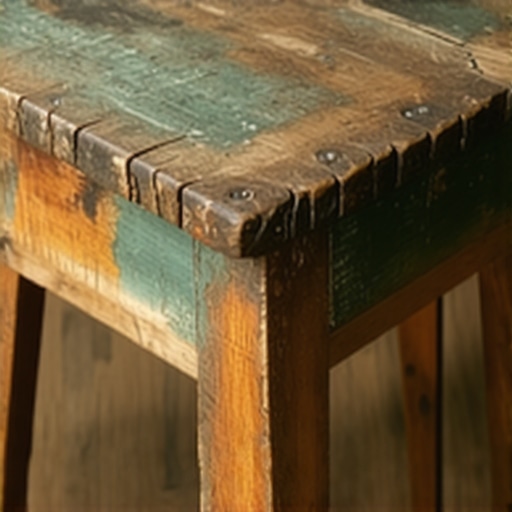
Natural patinas and crackle effects can be vividly illustrated through a photo of a vintage oak table with deep, uneven fissures and rich, layered coloration.
Incorporating Historical Research for Contextual Accuracy
Understanding the original craftsmanship and materials used in period-specific furniture allows for more respectful restoration. I delve into historical archives and period photographs to identify authentic paint colors, hardware styles, and finishing techniques. For instance, identifying whether a piece was finished with natural shellac or oil-based paints helps tailor my approach to authenticity. Such research informs the selection of materials, like using traditional linseed oil or beeswax, which age gracefully and develop a beautiful patina over time. To deepen this knowledge, I consult authoritative sources like this expert article on eco-friendly, historically accurate materials.
Engaging with the Community of Experienced DIY Restorers
Sharing insights and learning from fellow enthusiasts has been invaluable. I actively participate in online forums and local workshops, exchanging tips on mastering nuanced techniques like subtle crackling and color layering. These interactions often inspire innovative approaches, pushing the boundaries of traditional restoration. If you’re eager to advance your skills, I encourage exploring comprehensive DIY guides that cater to all levels of expertise. Your journey toward creating truly authentic vintage furniture is a continuous process of learning and experimentation.
Things I Wish I Knew Earlier (or You Might Find Surprising)
1. The Power of Patience
When I first started experimenting with fading and ageing techniques, I underestimated how crucial patience was. Waiting for each layer to dry thoroughly before proceeding made a huge difference in achieving authentic results, and rushing often led to less convincing effects. It’s a lesson I wish I had embraced sooner, as the subtle nuances truly come to life with time.
2. Imperfections Are Your Friends
I used to think that every chipped paint or uneven finish was a flaw, but now I see it as part of the charm. Embracing these imperfections adds depth and authenticity, making a piece look genuinely vintage rather than artificially distressed. Sometimes, the small cracks and wear tell a story better than any perfect finish ever could.
3. Natural Materials Make a Difference
Switching to eco-friendly, natural pigments and waxes transformed my projects. Not only do they age beautifully, but they also feel better to work with, knowing I’m using sustainable materials. It’s a win-win for the environment and the quality of the final look.
4. Research Enhances Authenticity
Delving into historical finishes and period-specific techniques deepened my understanding and improved my results. Spending time researching old photographs or vintage hardware helped me make more informed choices, ensuring my restorations are respectful of the original designs.
5. Layering Creates Depth
Mastering the art of layering—using base coats, translucent glazes, and gentle distressing—can turn a simple project into a piece full of character. Each layer adds complexity, and knowing when to stop is part of the craft.
6. Practice Makes Perfect
Initially, I faced setbacks, but continuous practice and experimenting on scrap pieces built my confidence. Over time, I developed my own style that balances authenticity with personal flair, proving that persistence pays off.
Resources I’ve Come to Trust Over Time
- Creating Natural Paints & Earth Pigments: This guide has been invaluable for understanding how to craft eco-friendly paints that age beautifully. It’s a resource I highly recommend for anyone interested in sustainable decor.
- Mastering DIY Techniques: The step-by-step guides available here have helped me refine my skills, especially when tackling advanced effects like crackling or veneer distressing. It’s a trustworthy source for all skill levels.
- Historical Finishes and Authenticity: Researching period-specific techniques and materials has taught me the importance of respecting a piece’s history. This website offers a wealth of knowledge that deepens the restoration process.
Parting Thoughts from My Perspective
Reflecting on my journey into vintage decor, I realize that the most valuable lesson is to approach each project with curiosity and patience. Mastering fading and ageing effects isn’t just about techniques—it’s about telling a story through your craftsmanship. The joy comes not only from transforming furniture but also from learning and embracing imperfections along the way. If this resonates with you, I’d love to hear your experiences or see your projects—feel free to share in the comments or reach out through our contact page. Happy restoring, and remember: every crack and worn edge has a story waiting to be uncovered.
Reading about the journey into vintage decor really resonated with me, especially the emphasis on patience and embracing imperfections. I’ve found that working on small projects like distressed picture frames or weathered planters is a good way to build confidence before tackling larger furniture pieces. The layering techniques mentioned, such as using translucent glazes over base coats, seem essential for achieving that authentic aged look. I’m curious, has anyone experimented with natural dyes to add subtle colour shifts? I’ve been considering adding some earthy tones to a reclaimed wood shelf, but I wonder what methods or materials others have used successfully for consistent results. Also, I appreciate the focus on eco-friendly materials—using beeswax and natural earth pigments not only adds authenticity but is better for the environment. What are some common pitfalls beginners should watch out for when trying to mimic natural wear and patina? I’d love to hear more tips or see some before & after photos from fellow enthusiasts.