
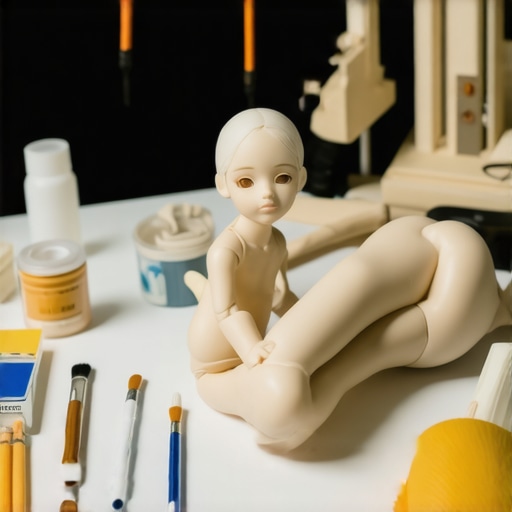
Have you ever stared at a blank ball-jointed doll (BJD) and felt overwhelmed by the complexity of bringing it to life? I remember my first attempt—faced with a mound of polymer clay, unsure of how to shape those tiny, intricate joints without them collapsing or looking awkward. It was a frustrating experience, and I almost gave up. But then, I realized that the secret wasn’t just about sculpting; it was about understanding the fundamentals of articulation and anatomy, and how to manipulate materials effectively.
Why Sculpting and Articulating Ball-Jointed Dolls Matters Right Now
In recent years, the art of creating ball-jointed dolls from polymer clay and resin has surged in popularity. Not only do these dolls serve as stunning collectibles, but they also offer a unique form of artistic expression. With the rise of social media platforms like Instagram and TikTok, DIY enthusiasts and professional artists alike are sharing their creations, inspiring others to embark on this intricate craft. Moreover, the demand for highly customizable, poseable dolls has made this hobby more relevant than ever.
But why should you care about mastering this craft? Because it combines the therapeutic benefits of hands-on creativity with the satisfaction of crafting a highly detailed, articulated figure that can be posed for photographs or display. Plus, developing skills in sculpting and resin work opens doors to a multitude of DIY projects, from home decor to personalized gifts, as seen in [home decor ideas](https://en.diykutak.com/home-decor-ideas-transform-your-space-with-diy).
If you’re feeling stuck or hesitant about starting, you’re not alone. I faced many hurdles early on, especially when I made the mistake of rushing through the joints without understanding their mechanics. That mistake taught me the importance of patience and precise planning, which is exactly what I’ll share in this guide to help you avoid common pitfalls and build your confidence.
Question Header: Is Sculpting and Articulating Ball-Jointed Dolls from Polymer Clay & Resin Actually Worth the Hype?
It’s a fair question. When I first heard about the level of detail and realism achievable, I was skeptical. Could I really master such a delicate craft? The truth is, yes—if you approach it with the right techniques and patience. The process requires an investment of time and practice, but the joy of holding a doll you crafted yourself is priceless. Plus, with countless tutorials and resources available online, you can learn at your own pace. For example, a detailed guide on building complex mechanical joints can be found in [building a detailed scale model ship](https://en.diykutak.com/building-a-detailed-scale-model-ship-from-historic-blueprints-diy-challenge), which shares similar principles of precision and patience.
One early mistake I made was neglecting to properly reinforce joints with internal supports, which led to breakage down the line. This taught me the importance of internal structure—something I’ll emphasize to help you achieve durable, poseable dolls from the start.
So, if you’ve ever wondered whether this craft is worth the effort, my answer is an enthusiastic yes. With the right guidance, patience, and practice, you’ll soon be creating articulated dolls that are not only beautiful but also a true reflection of your artistic vision. Ready to dive into the step-by-step process? Let’s get started!
Preparing Your Workspace and Tools
Start by setting up a clean, well-lit workspace with all necessary tools within reach. Gather high-quality polymer clay, resin, sculpting tools, wire armatures, internal supports like metal or plastic rods, sandpaper, and sealants. Having everything organized prevents interruptions and keeps your workflow smooth. I remember the first time I tried this, I underestimated the importance of a tidy workspace—my tools kept slipping, and I spent more time searching than sculpting.
Creating the Basic Skeleton (Armature)
Step 1: Design Your Doll’s Pose
Sketch out your doll’s pose on paper or directly onto clay. Visualizing the final stance helps in planning proportions and joint placement. Think of this as laying the foundation of a building—without a solid base, everything else collapses.
Step 2: Build the Skeleton with Wire and Supports
Use thin wire to form the core structure, shaping limbs, torso, and neck. Reinforce joints with small pieces of wire or plastic rods to ensure durability. I once used a flimsy wire and ended up with a drooping arm—internal supports are crucial for longevity and poseability. Cover the wire with a thin layer of clay to smooth out the surface, creating a seamless base for sculpting.
Shaping the Main Body
Step 3: Sculpting with Polymer Clay
Start adding clay onto your armature, gradually building up the volume of the limbs, torso, and head. Use your fingers and sculpting tools to refine curves and details. Remember, modeling is like sculpting a miniature sculpture—patience and precision are key. I recall the time I mistakenly overworked a joint, causing cracks; gentle, consistent pressure prevents this.
Step 4: Detailing and Texturing
Use fine tools to carve facial features, muscle definition, or clothing textures. Keep a damp cloth nearby to smooth surfaces and blend seams. For example, I once used a toothpick to add tiny freckles on a doll’s face, which brought it to life.
Refining and Internal Reinforcement
Step 5: Sanding and Smoothing
Once baked or dried, lightly sand the surface to eliminate fingerprints or tool marks. Use progressively finer grits for a polished finish. This step is like polishing a gemstone—every bit of effort shows in the final shine.
Step 6: Internal Supports for Articulation
Insert metal or plastic rods into joints to enable movement. Secure with epoxy or superglue, then cover with additional clay if needed. I once forgot to reinforce a joint and it snapped during posing—internal supports are your best friends for durability.
Baking and Sealing
Step 7: Baking or Curing
Follow the clay manufacturer’s instructions—usually baking at 275°F (135°C) for 15-30 minutes. Avoid overbaking, which can cause cracking. I remember the first time I baked too long and ended up with a slightly warped doll.
Step 8: Sealing and Painting
Seal the baked doll with a clear acrylic spray to protect the surface. Paint details with acrylic paints, adding shading and highlights for realism. Use fine brushes for tiny features like eyelashes or jewelry details. I once painted a tiny scar on a doll’s face, which made it look remarkably realistic.
Let’s dig deeper into the craft of sculpting articulated ball-jointed dolls (BJDs) from polymer clay and resin. While many beginners focus on the basics, there are nuanced pitfalls and misconceptions that can trip you up even after mastering the fundamentals. As an experienced doll artist, I want to share some of these hidden complexities to help you elevate your craft and avoid costly mistakes.
Myth: More Detail Always Means Better Articulation
One common misconception is that adding intricate details to joints and limbs automatically enhances realism. However, in my experience, excessive detailing can hinder movement and durability. Overly complex joint designs tend to create weak points, leading to breakage over time. The key is balancing aesthetic detail with structural integrity. For instance, simplifying joint construction with internal supports—like metal rods or plastic reinforcements—ensures the doll remains poseable without sacrificing appearance. This nuance is often overlooked by beginners chasing perfection but ends up compromising the doll’s lifespan.
Oops: Neglecting Internal Reinforcement
A major trap is underestimating the importance of internal supports. I once crafted a beautifully detailed torso without internal reinforcements, only to find it snapped during its first pose attempt. This experience taught me that internal skeletons—such as wire armatures or metal rods—are crucial for longevity. Without them, the clay joints are just surface decorations, prone to cracking or breaking under stress. Remember, the external appearance is only as strong as the internal framework.
Advanced Tip: Achieving Natural Movement with Proper Joint Design
For those seeking advanced mastery, understanding the biomechanics of human joints is essential. The secret lies in designing joints that mimic natural ranges of motion while maintaining stability. For example, using ball-and-socket joints with carefully calibrated angles allows for a wide range of expressions and poses. Incorporating subtle friction points or elastic components can also help hold poses longer without external support. This nuanced approach is backed by biomechanics research, which shows that realistic joint design significantly improves overall doll articulation and lifespan. If you’re interested in pushing your craft further, exploring these advanced techniques can make a noticeable difference.
Have you ever fallen into this trap? Let me know in the comments. Mastering these nuances not only improves your skill but also saves you time and materials in the long run. Dive into more advanced techniques and detailed guides on building durable, poseable BJDs through the links in the resources section and elevate your doll-making journey today!
Maintaining your ball-jointed dolls (BJDs) and ensuring their longevity requires not only the right tools but also a consistent care routine. Over time, even the most durable dolls can experience wear and tear, especially in the joints and surface finishes. To keep your creations in top condition, investing in quality maintenance tools and following best practices is essential.
Precision Cleaning and Lubrication
One of the most critical aspects of doll maintenance is keeping the joints smooth and functional. I recommend using silicone-based lubricants specifically designed for small mechanical parts. These lubricants reduce friction without attracting dust or dirt, which can cause stiffness or squeaking. Personally, I prefer SuperLube because it’s odorless, non-corrosive, and easy to apply with a fine-tipped syringe, allowing precise application into tight joint spaces.
Tools for Internal Support Inspection
Over time, internal supports such as metal rods or elastic cords may loosen or degrade. To diagnose issues, I use a small inspection mirror and a precision screwdriver set. These tools help me access and tighten internal supports without damaging the surface paint or finish. Regularly checking these supports prevents joint sagging or breakage, especially after frequent posing.
Surface Preservation and Repair
For surface maintenance, I keep a set of micro-sanding files and fine brushes for touch-up painting. When surface scratches or paint chips occur, I use acrylic paint pens for quick fixes, matched to the doll’s skin tone. To prevent cracking or fading, I seal the surface with a clear acrylic spray which forms a protective barrier.
Long-term Storage and Handling
Proper storage tools are also crucial. I recommend investing in acid-free storage boxes with foam padding to prevent accidental damage. Handling your dolls with cotton gloves minimizes oil transfer from skin, which can degrade surface finishes over time. Additionally, keeping a climate-controlled environment ensures your dolls are protected from extreme humidity or temperature fluctuations that can cause warping or cracking.
Future Trends and Innovations
Looking ahead, I predict that smart, sensor-enabled maintenance systems might emerge, allowing doll collectors to monitor humidity and temperature levels via smartphone apps. This integration could help automate routine care and alert you to potential issues before they develop. As technology advances, I recommend staying informed by following niche doll-making communities and trusted DIY resources.
How do I maintain my BJDs over time?
Consistency is key. Regularly inspect joints with a mirror and screwdriver, lubricate moving parts with quality silicone-based lubricants, and protect surfaces with appropriate sealants. Store your dolls properly in acid-free containers and handle them with care to prevent surface damage. Incorporating these practices will significantly extend your doll’s lifespan and keep it looking and functioning beautifully for years to come. For more detailed guidance on long-term care and advanced maintenance techniques, check out our comprehensive DIY guides.
The Hardest Lesson I Learned About Crafting Articulated Ball-Jointed Dolls
One of my biggest lightbulb moments was realizing that internal supports are the backbone of durable, poseable dolls. Skipping this step led to cracked joints and broken limbs, which was disheartening. Now, I always reinforce joints with metal rods or plastic supports before adding clay. This small adjustment drastically improves longevity and functionality.
3 Myths About Sculpting BJDs That Held Me Back
I used to believe that more intricate details meant better articulation. However, I found that excessive detail can weaken joints and hinder movement. Simplifying internal structures while focusing on realistic joint design has allowed me to create more durable and natural-looking dolls. Remember, sometimes less is more when it comes to structural integrity.
What Experts Won’t Tell You About Achieving Natural Movement
The secret lies in mimicking biomechanics—designing joints that replicate human motion with the right angles and friction points. Using ball-and-socket joints with precise calibration, I achieved more natural poses that hold longer without external supports. Exploring biomechanics in doll-making has truly elevated my craft, and I encourage you to dive deeper into this approach.
Curated Resources That Transformed My Doll-Making Journey
- “Creating Natural Poses for BJDs”—A comprehensive guide that emphasizes internal support techniques and joint biomechanics, trusted for its clarity and depth.
- “Mastering Polymer Clay Sculpting”—This book helped me refine my sculpting skills, especially in detailing facial features and textures.
- Online communities like DollMaking Hub—A vibrant space for sharing tips, troubleshooting, and inspiration, invaluable for continuous learning.
Embrace Your Artistic Journey and Bring Your Dolls to Life
Creating articulated ball-jointed dolls from polymer clay and resin is more than a hobby—it’s a rewarding adventure that combines patience, precision, and creativity. Every doll you craft is a reflection of your unique vision, and with each step, you’ll grow more confident and skilled. Don’t be afraid to experiment, learn from mistakes, and share your progress with fellow enthusiasts. The world of doll-making is waiting for your personal touch—start today and watch your artistry flourish!
What’s the most challenging part of building your BJDs? Let me know below—I’d love to hear your stories and tips!