
Have you ever spent hours, maybe days, building a beautiful wooden deck only to watch it fade, warp, or crack after just a season? I remember the sinking feeling I got when my outdoor space, which I had poured so much love into, started showing signs of wear within just a year. That moment was my lightbulb moment: I realized I was missing a crucial step in protecting my investment. The truth is, without proper staining and sealing, even the most solid deck can become a victim of weather, sun, and time.
The Real Key to a Deck That Lasts
It’s not just about choosing the right wood or spending a weekend assembling the planks. Long-lasting outdoor decks require a strategic approach to maintenance—specifically, advanced staining and sealing techniques that shield your wood from the harshest elements. I’ll walk you through the methods I’ve tested and perfected over the years, so you can keep your deck looking fresh and sturdy for years to come. Whether you’re starting from scratch or refreshing an existing deck, these tips will make a world of difference.
Is Overdoing It on Sealant Worth It?
Early in my DIY journey, I made the mistake of thinking more is better. I applied thick coats of sealant, hoping to prolong its life. Turns out, I was trapping moisture and causing more harm than good. Proper application and understanding the right product for your climate are vital. For a detailed guide on choosing eco-friendly options, check out home improvement tips. This mistake taught me the importance of balance and patience, which are essential for successful staining and sealing.
Now, I’ll share the advanced techniques I’ve learned that can transform your deck from worn-out to wow. Ready to protect your outdoor oasis and enjoy it for years? Let’s dive in and turn your deck into a durable, beautiful centerpiece of your home.
Prep Your Wood for Perfection
Start by thoroughly cleaning your deck with a power washer or a stiff brush and biodegradable cleaner. Remove dirt, mold, and old sealant residues. This step is crucial because a clean surface ensures better adhesion of stains and sealers. I once skipped this step and ended up redoing my work a few months later due to uneven fading. After drying completely, sand any rough spots with medium-grit sandpaper to smooth the surface and open the wood pores for better product absorption.
Choose the Right Products for Your Climate
Select high-quality, exterior-grade stains and sealants suited for your local weather. For hot, sunny areas, opt for UV-resistant formulations to prevent fading. In humid environments, look for products with added mold inhibitors. I recommend exploring eco-friendly options listed on home improvement tips. Using the wrong product or applying the wrong amount can drastically reduce the lifespan of your deck’s finish.
Apply Stain with Precision
Use a Quality Brush or Sprayer
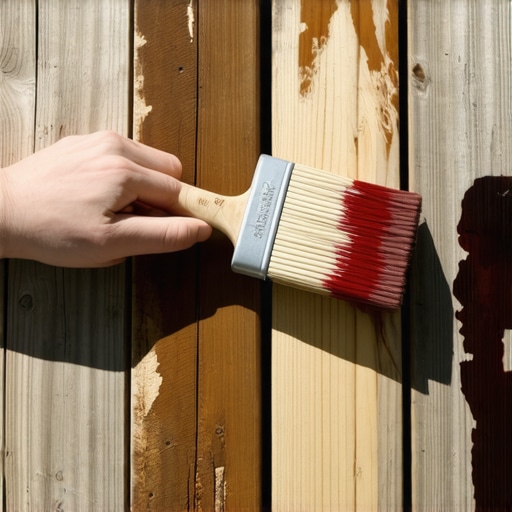
For even coverage, I prefer a high-quality brush designed for exterior wood or a pump sprayer for large areas. When I stained my deck last summer, I used a brush to get into the grain and a sprayer for quick coverage. Always work in the direction of the wood grain to prevent streaks and missed spots. Work on a dry, overcast day to avoid rapid drying which can cause uneven absorption.
Master the Technique
Apply the stain in thin, even coats. Thick coats tend to drip, pool, and may not dry properly, trapping moisture inside. Allow each coat to penetrate and dry according to manufacturer instructions—usually 4-6 hours. I learned this the hard way when rushing a second coat and ending up with sticky patches that peeled off after a few months.
Seal for Ultimate Protection
Choose a clear, waterproof sealant that offers UV protection. Applying a sealant over stain is like adding a shield—think of it as putting armor on your wood. Use a roller for large surfaces and a brush for edges and tight spots. Work in sections, starting from one end and moving systematically. I once applied sealant in direct sunlight, and it caused bubbling and uneven finish. Always follow the recommended temperature range for application.
Layer for Longevity
For best results, apply at least two coats of sealant, allowing proper drying time between coats. This layered approach creates a formidable barrier against weathering, UV rays, and moisture. Remember, patience beats speed here; rushing can compromise the integrity of your protective layer. When I finished sealing my deck, I noticed a marked difference in how well it resisted fading and warping over the next two seasons.
Maintain Your Investment
Reapply stain and sealant every 2-3 years to keep your deck looking fresh and protected. Regular inspections for signs of wear or damage help you catch issues early. A quick touch-up can extend the life of your finish significantly, saving you money and effort in the long run. For ongoing tips, check out gardening and DIY outdoor tips.
Many homeowners fall into the trap of oversimplifying deck maintenance, believing that a single coat of stain or sealant is enough to keep their outdoor space protected for years. This misconception can lead to costly mistakes and premature deterioration. Let’s dig deeper into what most people get wrong about staining and sealing outdoor decks, and how understanding the nuances can save you time, money, and frustration.
Why More Isn’t Always Better When Applying Sealant
A widespread myth is that applying multiple thick coats of sealant will dramatically extend its lifespan. In reality, this approach can trap moisture inside the wood, causing peeling, bubbling, or even wood rot. Proper sealing involves applying thin, even layers and allowing sufficient drying time between coats. Experts recommend following manufacturer instructions carefully—usually two to three thin coats are ideal for optimal protection. Overapplication not only wastes product but also risks damaging your deck’s surface integrity. For advanced techniques, check out advanced staining and sealing methods.
Neglecting the Prep Work Can Sabotage Your Effort
Many DIY enthusiasts skip or rush the cleaning and sanding process, thinking it’s an optional step. This oversight is a common trap that severely compromises the adhesion of stain and sealant. Dirt, mold, and old coatings create a barrier that prevents proper penetration, leading to uneven fading and reduced durability. Thorough cleaning with a power washer or stiff brush, followed by sanding rough spots, is essential. I’ve learned from experience that skipping this step forces you to redo the work prematurely, wasting time and resources. For a detailed guide, explore step-by-step prep tips.
Choosing the Wrong Products for Your Climate
Another mistake is selecting generic or unsuitable products without considering your local climate. For instance, UV-resistant stains are crucial in sunny areas to prevent fading, while mold inhibitors are necessary in humid environments. Using the wrong product can drastically reduce the lifespan of your finish. A common myth is that all exterior stains are created equal—this couldn’t be further from the truth. Always opt for high-quality, climate-specific products to ensure lasting protection. For guidance, see climate-adapted product selection tips.
Have You Ever Fallen into This Trap?
Protecting your deck isn’t just about applying stain and sealant—it’s about understanding the nuances, avoiding common pitfalls, and applying advanced techniques for long-term durability. Remember, patience and proper preparation make all the difference. Have you ever fallen into this trap? Let me know in the comments!
Investing in the Right Equipment Makes a Difference
When it comes to maintaining your outdoor decks, having the proper tools can be a game-changer. I personally swear by a high-quality electric pressure washer for cleaning because it provides consistent, powerful jets that remove dirt, mold, and old sealant residues efficiently. It’s not just about power; adjustable settings allow me to control water pressure to avoid damaging delicate wood surfaces. For sanding, I recommend a random orbit sander with variable speeds, which helps smooth out rough patches without leaving swirl marks. I’ve found that investing in ergonomic, lightweight tools reduces fatigue during long maintenance sessions, making the process more enjoyable and less tiring.
Why Precision Matters in Application
Applying stain and sealant with the right equipment ensures a long-lasting finish. I prefer using a high-quality, professional-grade sprayer with a multiple-nozzle system, allowing me to reach into tight corners and cover large areas evenly. Paired with a good-quality brush, I can handle edges and detailed sections with finesse. Using a sprayer minimizes overlaps and drips, which is crucial for an even coating. Remember, the goal is thin, consistent layers that dry properly—thick coats are a quick way to mess up your project. For more advanced techniques, check out advanced staining and sealing methods.
Long-Term Care: Tools and Strategies
Maintaining your deck over the years requires ongoing attention and the right tools. I schedule biannual inspections using a flashlight and mirror to spot early signs of wear or damage in hard-to-see areas. For touch-ups, I keep a small portable electric sander and a foam brush handy—these allow quick fixes that prevent small issues from growing into costly repairs. Applying a fresh coat of sealant every 2-3 years is vital, and I use a roller for the main surfaces to ensure a smooth, uniform finish. This combination of regular inspections and the right tools ensures my deck remains beautiful and durable through seasons of sun, rain, and snow.
Prepare Your Equipment for Long-Term Success
Cleaning your tools after each use prolongs their lifespan and maintains their performance. For sprayers and sanders, I use eco-friendly cleaning solutions that dissolve dried sealant and paint residues without harming the equipment. Proper storage—preferably in a dry, climate-controlled space—also prevents rust and degradation. Regularly replacing worn-out parts like nozzles or sanding pads keeps your tools performing at their best. As I look to the future, I predict smart tools with integrated sensors and app connectivity will help monitor wear and suggest maintenance schedules, making DIY deck care even more accessible.
How do I maintain tools over time?
To keep my tools in top condition, I follow manufacturer maintenance guides, routinely lubricate moving parts, and perform calibration checks. Investing in high-quality storage solutions like durable tool chests and wall mounts prevents damage and clutter. Additionally, I keep spare parts on hand, so I don’t have to delay projects waiting for repairs. This proactive approach ensures my tools are always ready when I need them, saving time and money in the long run. For more insights on DIY maintenance, explore home improvement tips.
The Hardest Lesson I Learned About Deck Protection
- One of my early mistakes was neglecting the importance of prep work. Skipping thorough cleaning and sanding led to uneven fading and early peeling, which cost me time and money. That lightbulb moment taught me that a clean, smooth surface is the foundation of lasting protection.
- Applying too much sealant seemed like a good idea at first, but I quickly learned that thick coats trap moisture and cause bubbling or peeling. Thin, even layers, with proper drying time, are critical for durability.
- Choosing the right products for your climate isn’t just advice—it’s essential. I’ve seen my deck fade faster because I didn’t select UV-resistant or mold-inhibiting formulations suited for my environment. Trusting high-quality, climate-specific products makes all the difference.
- Investing in quality tools—like a professional sprayer and a good sander—transformed my maintenance routine. Proper equipment ensures even application and reduces frustration, making deck care more enjoyable and effective.
My Essential Toolkit for Deck Longevity
- High-quality exterior stains and sealants: I personally rely on eco-friendly and climate-specific formulations listed on home improvement tips—they’ve lasted through harsh seasons.
- Commercial-grade sprayers and brushes: These tools help me achieve even coverage quickly. The sprayer minimizes drips, while brushes handle edges and detailed spots. My secret to a flawless finish.
- Power washer and orbital sander: Regular cleaning and surface prep are easier with these tools, saving me hours and ensuring my deck’s surface is receptive to stains and sealants.
Step into Action and Protect Your Outdoor Space
Don’t wait for damage to show—regular maintenance keeps your deck beautiful and sturdy. Remember, patience with thin coats and proper prep yields the best results. Now that you know these secrets, your outdoor oasis can stand the test of time. Share your experiences or ask questions below—what’s been your biggest challenge in deck maintenance? Let’s learn from each other and keep our decks looking amazing for years to come!