
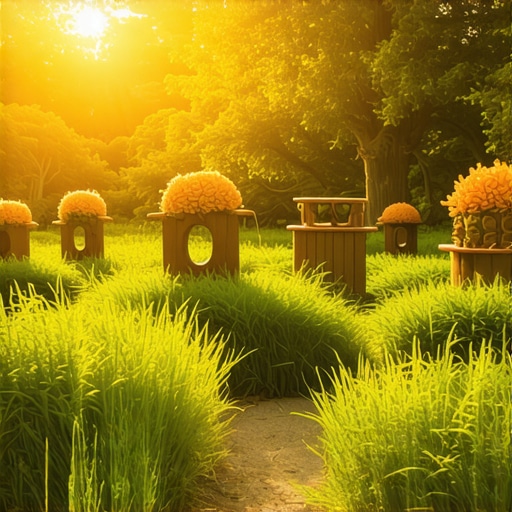
One afternoon, as I looked out at my tired, uninspired garden, I realized I had a pile of old metal scraps, broken ceramics, and forgotten plastic items gathering dust in my shed. I felt a pang of guilt—here I was, wanting a beautiful outdoor space, yet I was letting trash take over instead of transforming it into something vibrant and alive. That was my lightbulb moment. I discovered that creating eco-friendly garden art from recycled materials isn’t just a fun DIY project; it’s a powerful way to breathe new life into your outdoor space while helping the environment.
Why Eco-Friendly Garden Art Matters Now More Than Ever
We’re facing a global waste crisis, with landfills overflowing and pollution harming ecosystems. According to the World Bank, the world generates about 2.12 billion tons of waste annually, and much of it could be repurposed rather than discarded. Turning old items into garden sculptures, planters, or decorative features isn’t just satisfying—it’s an act of environmental stewardship. Plus, it adds a unique, personal touch to your yard that store-bought décor can’t match.
But let’s be honest—many of us hesitate. I made my fair share of mistakes early on, like rushing into projects without planning or choosing materials that didn’t hold up outdoors. I learned the hard way that not all recycled items are suitable for garden art, especially if they’re not weather-resistant. That’s why I want to help you avoid those pitfalls and show you how to craft stunning, durable pieces using simple techniques and eco-friendly materials.
Is Creating Recycled Garden Art Really Worth the Effort?
Absolutely. I used to think it was too complicated or not worth the trouble. But once I started experimenting, I found it incredibly rewarding to see my garden evolve into a reflection of my creativity and commitment to sustainability. Plus, it’s budget-friendly—many of the materials can be found around your home or local recycling centers. If you’re skeptical, I totally get it—trust me, I’ve been there. But the benefits far outweigh the doubts. Want to learn how to get started? Check out step-by-step guides for all skill levels and discover the joy of transforming trash into treasure.
This journey isn’t just about making pretty things; it’s about reconnecting with the environment and becoming a conscious creator. Ready to turn your clutter into captivating garden art? Let’s dive into some inspiring ideas and practical tips to get you started.
Gather Your Materials and Plan Your Design
Start by collecting recyclable items like old metal scraps, broken ceramics, plastic bottles, and wood pieces from your home or local recycling centers. Before you begin assembling, sketch a simple plan or look for inspiration online to decide what kind of art piece you want—be it a whimsical sculpture, a decorative planter, or a colorful mosaic.
Prepare and Treat Your Materials for Outdoor Use
Assess each item’s durability and weather resistance. For metals, consider welding or sealing to prevent rusting—this is where metal welding DIYs can be helpful. Ceramics and plastics may need cleaning and sealing with outdoor-grade sealants. I remember once using a high-quality outdoor epoxy to secure broken ceramic pieces for a mosaic, which turned out stunning and durable.
Choose Appropriate Adhesives and Sealants
Use waterproof, weatherproof adhesives like epoxy or silicone sealants. These will keep your art intact despite rain or sun exposure. For example, I glued broken ceramic shards onto a reclaimed wood base, sealing the edges with outdoor silicone, ensuring my mosaic lasted through seasons.
Assemble Your Garden Art Piece
Begin by laying out your design on a flat surface to visualize the final look. Then, glue or weld parts together following your sketch. Think of this step as building a puzzle—you want each piece to fit snugly. For a metal sculpture, I used a simple welding kit (which I learned from welding tutorials) to join scrap pieces into a whimsical tree shape. It was messy but incredibly satisfying to see the piece come to life.
Secure and Finish Your Artwork for Outdoor Display
Once assembled, reinforce weak points with additional sealants or welds. Apply a weather-resistant paint or finish if desired—think of it as giving your art a protective coat. For example, I spray-painted my metal sculpture with rust-resistant paint, which added color and longevity.
Position and Integrate Your Art into the Garden
Choose an area that complements your design—perhaps near a flower bed or along a garden path. Anchor larger pieces into the ground with stakes or concrete for stability. Remember, safety first: ensure your art isn’t a hazard for children or pets.
Creating eco-friendly garden art is about patience and creativity. Every step, from collecting discarded items to sealing and positioning, is a chance to express your environmental values while beautifying your outdoor space. Want more ideas? Explore creative DIY crafts for your home and garden that use recycled materials.
Many enthusiasts jump into recycled garden art projects with enthusiasm but miss out on crucial nuances that can make or break their creations. One prevalent myth is that all recycled materials are suitable for outdoor use. In reality, materials like untreated wood or certain plastics can degrade quickly when exposed to weather, leading to early deterioration and safety hazards. To ensure longevity, it’s vital to select weather-resistant materials or treat them appropriately, such as sealing wood with outdoor-grade finishes or using rust-proof metals. For comprehensive guidance on safeguarding your projects, explore advanced sealing techniques.
Another common mistake is underestimating the importance of proper adhesion and sealing. Many DIYers assume that regular glue or paint will suffice, but outdoor conditions demand more durable solutions. Using waterproof adhesives like epoxy or silicone sealants is essential to prevent materials from loosening or falling apart over time. For example, sealing ceramic mosaics with outdoor-grade sealants can dramatically extend their lifespan. It’s a small step that significantly impacts durability, so don’t overlook it.
Why does weatherproofing matter for recycled garden art?
Weatherproofing is the secret to transforming your creative ideas into lasting outdoor fixtures. Without it, even the most charming piece can succumb to rust, rot, or cracking, turning your effort into disappointment. Studies show that outdoor art treated with proper sealants can last up to 3-5 years longer than untreated counterparts. This isn’t just about aesthetics—it’s about waste reduction and sustainability. When you invest in weather-resistant coatings, you’re making a smarter choice for both your garden and the environment.
Many people overlook the importance of positioning and anchoring their garden art securely. Wind, rain, and curious pets can topple fragile sculptures if they aren’t anchored properly. Embedding large pieces into the ground or using concrete supports can prevent accidents and ensure safety. Remember, a beautiful garden sculpture isn’t just about design; it’s also about stability and safety.
Lastly, advanced creators should consider designing with modularity in mind. Building art that can be easily repaired or updated reduces waste and prolongs its life cycle. For inspiration and detailed techniques, check out creative DIY crafts that promote sustainable practices.
Have you ever fallen into this trap? Let me know in the comments. Remember, thoughtful planning and attention to detail elevate your recycled garden art from temporary to timeless. Happy creating!
How do I keep my recycled garden sculptures looking their best over time?
Maintaining your eco-friendly garden art requires the right set of tools and techniques to ensure longevity and beauty. I personally swear by high-quality, weather-resistant sealants like outdoor epoxy or silicone, which prevent deterioration caused by rain, sun, and temperature fluctuations. For cleaning, a soft brush and mild soap are sufficient to remove dirt without damaging delicate surfaces. When it comes to repairs or touch-ups, a cordless heat gun can be invaluable for reshaping or re-sealing materials like plastics or metals that might warp or crack over time.
To keep your sculptures rust-free, a rust converter spray combined with a weatherproof topcoat extends their lifespan significantly. I also recommend investing in a good pair of pliers and wire cutters for any on-the-fly adjustments or repairs to welded or wired parts. For wooden elements, a brush and outdoor-grade stain or sealant are essential to prevent rot and insect damage. Regular inspections—say, every season—help spot early signs of wear and tear, allowing you to address issues before they become big problems.
What tools do I use for sealing and weatherproofing?
For sealing, I prefer a high-quality outdoor-grade silicone sealant, which adheres well and remains flexible. When applying, a caulking gun makes the process clean and efficient. For larger projects, a spray-on weatherproof coating can provide an even protective layer over entire sculptures, saving time and ensuring comprehensive coverage. Remember, I learned from advanced sealing techniques that proper preparation and application are key to durability.
Why investing in the right tools is future-proofing your garden art
As trends move toward more sustainable and durable outdoor décor, selecting high-quality tools and materials is essential. The future of eco-friendly garden art lies in modular, easy-to-repair designs that can be maintained with minimal tools—think of it as an investment in longevity. For example, using a cordless angle grinder with a soft disc allows you to smooth rough edges or remove rust efficiently, making repairs faster and less labor-intensive. Additionally, incorporating smart sealants and weatherproof paints can triple the lifespan of your projects, reducing waste and ongoing costs.
Get inspired to upgrade your maintenance routine
Start by evaluating your current tools—are they up to the task? Consider adding a versatile multi-tool set that includes a rotary tool, mini sander, and a precision drill. These tools make delicate repairs and touch-ups straightforward, even in tight spots. To explore more advanced methods, I recommend checking out creative DIY crafts that emphasize sustainability and durability. Don’t wait—try applying a weatherproof sealant to your latest sculpture with a caulking gun and see how much longer it lasts. This small step can make a huge difference in maintaining your garden art for years to come.
The Hardest Lesson I Learned About Recycled Garden Art
One of my biggest mistakes was rushing into projects without adequate planning. I once glued ceramic shards onto a wooden base without sealing it properly, and the piece warped after a season of rain. That taught me the importance of researching weatherproofing techniques beforehand and testing materials for outdoor durability.
Myths About Recycled Garden Art That Held Me Back
I used to believe that all recycled materials are suitable for outdoor use. Turns out, untreated wood and some plastics degrade quickly, leading to safety hazards. Learning to select weather-resistant materials or treat them properly has revolutionized my approach and extended the lifespan of my creations.
What Experts Won’t Tell You About Weatherproofing
While many DIY guides suggest sealing with basic paints, I discovered that using high-quality outdoor epoxy or silicone sealants dramatically improves durability. Applying these correctly and regularly inspecting your sculptures ensures they remain vibrant and safe for years to come.
Curated Resources for Eco-Friendly Garden Art Enthusiasts
- DIY Guides for All Skill Levels: A comprehensive resource that walks you through building and weatherproofing recycled sculptures, perfect for beginners and pros alike. Find it here.
- Creative DIY Crafts: Explore inspiring ideas to incorporate recycled materials into your garden decor, helping you get started on your project. Check it out here.
- Advanced Sealing Techniques: Learn professional-grade sealing methods to protect your art from weathering. Discover more here.
Embrace the Challenge and Let Your Creativity Blossom
Creating eco-friendly garden art from recycled materials is a journey of patience, learning, and self-expression. Every project reinforces your connection with the environment and transforms your outdoor space into a personal masterpiece. Remember, the most beautiful gardens are those that tell a story—your story of sustainability and creativity. Ready to turn trash into treasure? Start small, stay curious, and let your garden become a testament to your eco-conscious spirit.
Reading this post really resonated with me, especially the part about avoiding common mistakes like using materials that aren’t weather-resistant. I’ve had a few garden sculptures suffer damage after a rainy season simply because I didn’t seal or treat the materials properly. It’s a gentle reminder that patience and proper preparation make all the difference. I’ve started experimenting with sealing techniques and using outdoor-grade epoxy, which has extended the lifespan of my recycled art projects significantly. Has anyone here found particular materials or sealing methods that work especially well for durability in our climate? I’d love to hear some tips, especially for beginners trying to keep their eco-friendly creations looking fresh year-round.