
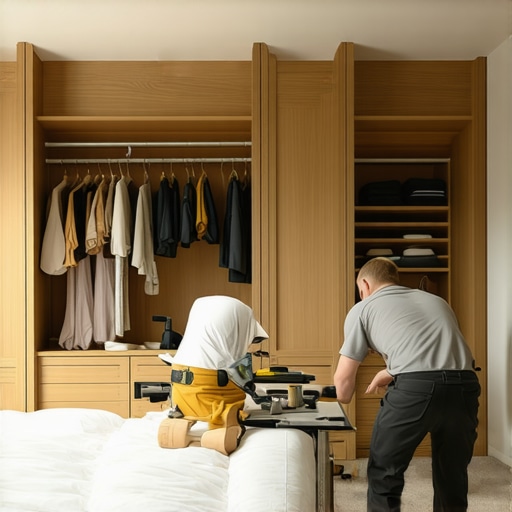
I remember the moment I realized my cluttered bedroom was taking over my sanity. Clothes spilling over, drawers bursting, and no space to breathe. That’s when I finally decided to invest in a built-in wardrobe. But boy, was I in for a surprise! The process of designing and installing a custom wardrobe isn’t just about picking a style; it’s a journey full of pitfalls and revelations. If you’ve ever felt overwhelmed by the sheer number of choices or worried about making a costly mistake, you’re not alone. I’ve been there, and I want to share what I’ve learned so you can avoid my early blunders.
Why a Custom Built-In Wardrobe Could Be Your Game-Changer
Let’s face it. Off-the-shelf wardrobes are convenient, but they rarely fit perfectly or make the most of your space. A well-designed built-in wardrobe can transform your room from chaos to calm, giving you both style and function. Plus, it adds value to your home. But before you jump into measurements and material choices, there’s a lot more to consider — from the initial design to the final door installation. And trust me, getting this right can save you headaches — and money — down the line.
Will This Really Make a Difference? The Big Skeptic’s Question
One of my biggest mistakes early on was rushing into a design without fully understanding the space or my needs. I thought I knew best, but I overlooked crucial details like clearance space and door mechanics. That led to doors that wouldn’t open properly and shelves that were awkwardly placed. The truth is, a little preparation and expert advice can make all the difference. For example, I wish I had checked out some detailed DIY guides before starting my project. They saved me from costly errors and gave me confidence in my choices.
So, have you ever faced the frustration of a wardrobe that just doesn’t fit or work the way you want? If so, stick around. I’ll walk you through the entire process, from design inspiration to the final door installation, so you can create a space that truly reflects your lifestyle and personality. Ready to turn your clutter chaos into a custom masterpiece? Let’s get started!
Design Your Dream Wardrobe with Precision
Start by measuring your space meticulously. Use a tape measure to note width, height, and depth. Remember, I once rushed this step and ended up with shelves that didn’t fit — a costly mistake I learned to avoid. Sketch your design on paper or digital tools, considering the types of storage you need: hanging rods, drawers, shelves, or shoe racks.
When I designed my wardrobe, I found that prioritizing vertical space maximized storage. For instance, I installed double-hanging sections for shirts and longer sections for coats. To visualize your design, use free online wardrobe planners or consult a DIY guide that walks you through planning effectively.
Choose Materials That Last and Look Great
Select durable materials suited for your environment. Plywood, MDF, or solid wood are popular options. I opted for plywood with a veneer finish, which balanced cost and durability. Always ask suppliers for samples and check for quality assurance. Remember, the wrong choice of material can lead to warping or damage over time, which I experienced firsthand when a cheaper MDF warped after a few months.
Prepare Your Workspace and Gather Tools
Clear a spacious area for assembly. Gather tools like a drill, screwdriver, saw, measuring tape, level, and clamps. I borrowed a power drill from a friend, saving me hours of manual work. Having a clean, organized workspace prevents mistakes and injuries. Consider wearing safety gear, especially when cutting or drilling.
Frame the Wardrobe Structure with Precision
Start by building the frame. Cut side panels, top, and bottom pieces according to your measurements. Use a level and clamps to keep everything aligned. I found that double-checking measurements before drilling saves headaches later. Assemble the frame on the floor first, then lift into position, securing it firmly to the wall studs for stability. This step is crucial — a wobbly structure is a nightmare to fix later.
Install Shelves and Dividers Carefully
Mark shelf positions on side panels. Use a level to ensure straight lines. Drill pilot holes before screwing in shelves to prevent splitting. When I installed my shelves, I used scrap wood as temporary supports to hold them in place while securing. Adjust shelf heights to suit your storage needs, and don’t forget to secure heavy shelves with brackets for safety.
Attach Doors and Hardware with Attention to Detail
Choose doors that match your style — sliding, hinged, or bi-fold. Measure opening clearances carefully. When I installed sliding doors, I spent extra time aligning tracks to ensure smooth operation. Use a level and proper screws to secure hardware, and test frequently. For handles and pulls, pick ergonomic options that complement your design. Proper installation prevents misalignment and future repairs.
Finish and Personalize Your Wardrobe
Sand rough edges, apply paint or varnish for protection, and add interior accessories like hooks or organizers. I painted my wardrobe in a light color that reflected my personality and made the room feel larger. Don’t forget to seal all surfaces to prevent moisture damage, especially in humid environments.
By following these concrete steps, you transform a complex project into manageable tasks, just like I did during my own build. Remember, preparation and precision are your best friends. If you want to explore more DIY projects or get inspired, check out home decor ideas for creative solutions that elevate your space.
When it comes to designing a built-in wardrobe, many enthusiasts fall prey to misconceptions that can lead to costly mistakes. One prevalent myth is that opting for cheaper materials will save money in the long run. However, seasoned DIYers and professionals know that quality materials like sturdy plywood or solid wood not only last longer but also maintain their aesthetic appeal over time, making them a smarter investment. Rushing the planning stage is another trap; skipping precise measurements and detailed design can result in doors that don’t open smoothly or shelves that don’t fit, causing frustration and additional expenses. As I learned from my own experience, meticulous planning and using reliable DIY guides are essential for success.
Why Do Advanced DIYers Emphasize Flexibility in Design?
One nuance often overlooked is the importance of adaptability within your wardrobe layout. Many assume a fixed design is best, but experienced builders recommend incorporating adjustable shelves, removable dividers, and modular components. This flexibility allows your wardrobe to evolve with your changing storage needs, preventing obsolescence and ensuring continued satisfaction. According to a recent study by the DIY community, adaptable designs significantly increase the longevity and functionality of custom furniture. Remember, the goal isn’t just a beautiful wardrobe but one that adapts as your lifestyle does.
Another common mistake is underestimating the importance of proper hardware installation. Misaligned tracks or poorly secured hinges can compromise the entire structure’s stability. For advanced DIYers, paying close attention to detail during the attachment of doors and hardware is crucial. Using a level repeatedly and testing door movements during installation can save hours of troubleshooting later. If you’re interested in more tips on perfecting your build, explore detailed DIY guides that cover advanced techniques.
In summary, avoiding these common myths and understanding the nuanced aspects of custom wardrobe construction can elevate your project from amateur to expert level. Have you ever fallen into this trap? Let me know in the comments and share your experiences!
Remember, a successful built-in wardrobe isn’t just about aesthetics; it’s about smart planning, quality choices, and attention to detail. For more insights into advanced DIY projects, check out creative solutions for your home.
Keeping your built-in wardrobe functioning smoothly over time requires more than just initial craftsmanship. It’s about using the right tools and adopting effective maintenance routines to ensure longevity and continued aesthetic appeal. From selecting specialized equipment to implementing smart care practices, I’ll share what I personally rely on to keep my wardrobe in top shape.
How do I maintain my wardrobe hardware and structure over time?
First and foremost, I recommend investing in quality lubricants for hinges and sliding tracks. I use a silicone-based spray because it provides a smooth operation without attracting dust, which can cause wear. Regularly applying a light coat every few months prevents squeaking and rust, especially in humid environments. Additionally, using a magnetic-level tool during installation and periodic checks helps keep everything aligned. Misaligned doors or shelves can cause uneven wear and even damage over time. For these tasks, I swear by a compact, professional-grade spirit level — it’s precise and easy to handle.
In terms of tools, I personally rely on a cordless drill with adjustable torque settings. It allows me to tighten hardware without overdriving screws that could strip or crack materials. A good set of clamps is also essential; they help hold pieces steady during adjustments or when gluing parts. I’ve found that a multi-bit screwdriver set saves space and keeps everything organized, especially when working with different types of screws and hardware.
Beyond tools, software like SketchUp or room planning apps can help you visualize and tweak your wardrobe design for years to come. These digital tools allow you to simulate modifications, ensuring you won’t need to dismantle major parts later — saving time and money. I’ve used such apps extensively, and they’ve helped me anticipate issues and plan for future upgrades or repairs.
What long-term maintenance routines do I recommend?
Establishing a routine for inspecting your wardrobe every six months can prevent small issues from becoming costly repairs. Check door hinges, track alignments, and shelf stability. Tighten loose screws, and replace any worn-out hardware before it causes further damage. It’s also wise to clean the interior with a soft, damp cloth regularly to remove dust and prevent mold, especially if you live in a humid climate. For the exterior, a gentle wood or laminate cleaner keeps surfaces looking fresh without harming the finish.
Future trends suggest that smart home integrations might become standard. Imagine adding sensors that alert you when hinges need lubrication or when shelves are overloaded. As technology advances, I predict that maintenance will become more automated and user-friendly, making DIY upkeep even easier.
If you’re interested in more advanced DIY techniques, check out this comprehensive guide. It’s packed with tips for proper assembly and ongoing care, perfect for both beginners and seasoned DIYers. I highly recommend trying out a routine inspection this weekend — a little effort now can save you big headaches later. Keep your wardrobe working like new, and enjoy the satisfaction of mastering long-term maintenance!
The Hardest Lesson I Learned About Custom Wardrobes
One of my biggest realizations was that rushing through measurements can lead to a cascade of problems, from doors that don’t slide properly to shelves that don’t fit. It’s tempting to skip the meticulous planning stage, but I learned the hard way that patience and precision are essential. Taking the time to double-check every measurement saved me countless headaches later on.
Three Myths About DIY Wardrobes That Held Me Back
I used to believe that only expensive materials could result in a durable wardrobe, but I discovered that quality plywood can outperform cheaper options over time. Also, I thought a perfect design had to be fixed from the start, but incorporating adjustable shelves and modular components makes your wardrobe adaptable as your needs evolve. Finally, I underestimated the importance of hardware; investing in good hinges and tracks makes a huge difference in operation and longevity.
What Experts Won’t Tell You About Building a Wardrobe
Many professionals emphasize that integrating your wardrobe into the room’s architecture can maximize space, but few highlight the value of visualizing your design with digital tools like SketchUp before starting construction. This step helps anticipate issues and refine your plan. Additionally, experts stress the importance of anchoring heavy structures securely to wall studs—something I initially overlooked, leading to wobbliness and future repairs.
My Essential Toolkit for Wardrobe DIY
Tools like a high-quality cordless drill, clamps, a spirit level, and a saw are indispensable. I trust brands that offer durability and precision because they make the building process smoother and safer. For planning, I rely on digital room planners and DIY guides, which provide step-by-step instructions and save me from costly mistakes.
Where to Go from Here
If you’re inspired to create or upgrade your wardrobe, start by measuring your space carefully and sketching your design. Use reputable DIY guides to ensure your project is a success, and don’t hesitate to seek advice from experts if needed. Remember, building a built-in wardrobe is not just a project—it’s an investment in your home’s comfort and style. For more advanced tips and ideas, explore our collection of creative DIY solutions that can help you elevate your space.