
Ever had a big mishap—something that left a gaping hole in your wall—and felt the dread of a repair that might look worse than the damage? I’ve been there. I remember the first time I tackled a large hole in my textured living room wall. I was so eager to fix it quickly that I skipped some crucial steps, and the patch looked patchy—literally. That was a lightbulb moment for me: repairing large holes in textured drywall isn’t just about filling the gap. It’s about precision, patience, and understanding the nuances of textures that can make or break the seamless look you want.
The Secret to Flawless Drywall Repairs
If you’re tired of end results that scream “DIY gone wrong,” I promise, there’s a way to get it right. Today, I’ll walk you through the best techniques to make large-hole repairs blend perfectly, even if your walls have intricate textures. No more mismatched patches or rough spots. Just smooth, professional-looking walls that make your home feel fresh and cared for. And guess what? Achieving this isn’t as complicated as it sounds. With a bit of practice and the right approach, you’ll be surprised how seamless your repairs can become. If you’re feeling skeptical—believe me, I’ve made my fair share of mistakes early on. A common one? Underestimating the importance of matching the texture before painting. It’s a mistake I learned the hard way, but now I know better. For more detailed guides, check out this comprehensive DIY guide.
Have you ever faced a repair project that seemed impossible to hide?
Prep Your Surface Like a Pro
Start by removing any loose debris or crumbling drywall around the hole using a utility knife or drywall saw. For textured walls, it’s crucial to replicate the existing texture later, so take a sample or note the pattern. I once repaired a large hole in my stippled ceiling; I carefully scraped away loose material and pressed a piece of painter’s tape with the pattern to keep track of the texture style. This initial step ensures a clean surface and sets the stage for a seamless repair.
Use Reinforcement for Structural Integrity
If the hole is large, insert a backing support like a piece of wood or a mesh patch behind the drywall opening. Secure it with screws or adhesive. I once used a scrap piece of plywood behind a sizable hole in my textured wall, which prevented the patch from sagging and created a sturdy base. This reinforcement is essential for stability and prevents future cracking or sagging.
Apply a Proper Patch with Texture Matching
Cut a drywall patch slightly larger than the hole. For textured surfaces, I recommend using a mesh patch for flexibility. Secure the patch with drywall screws, ensuring they sit flush. Then, apply joint compound over the patch, feathering the edges outward. To match the texture, I experimented with different spray-on or stipple techniques, testing on scrap drywall first. Use a spray bottle, stippling brush, or sponge to mimic the existing wall texture for a seamless blend. This step requires patience; I often spend extra time adjusting the texture before it dries.
Blend the Edges for a Flawless Finish
Once the joint compound is dry, sand lightly with fine-grit sandpaper to smooth the surface. Be careful not to sand away the textured pattern. To hide the repair, I often spray a light mist of texture spray or dab with a stippling sponge to replicate the wall’s pattern. Repeat sanding and texturing until the patch is indistinguishable from the surrounding wall.
Final Touches for a Seamless Look
After achieving the perfect texture, prime the area with a stain-blocking primer to prevent any bleed-through. Finish with matching paint, ideally in thin coats, allowing each to dry thoroughly. I once painted a textured wall after a repair, and the secret was to use a roller with a stipple finish to preserve the texture and avoid a flat patch.
Remember, patience and practice are key. Don’t rush the drying or texturing process, and always test your techniques on a small area first. With these detailed steps, your large drywall repairs will blend in perfectly, leaving your wall looking flawless and professional.
Many DIY enthusiasts believe that repairing large holes in textured drywall is straightforward—just patch it up and paint over. However, this oversimplification often leads to mistakes that compromise the final look. In reality, there are nuanced details that most people overlook, which can make or break a seamless repair. Let’s dig deeper into some misconceptions and advanced pitfalls that can trip up even seasoned DIYers.
Why Matching Texture Is More Critical Than You Think
A common myth is that applying joint compound and painting are enough to hide a large repair. But texture matching is an art that requires precision. Experts emphasize that even a slight mismatch in spray patterns or stippling techniques can be glaring once the paint dries. For textured walls, it’s crucial to replicate the existing pattern exactly—whether stippled, knockdown, or popcorn. Skipping this step or rushing through it often results in a patch that screams “DIY.” For advanced techniques, consider testing your texture on scrap drywall, adjusting spray distance, or using specialized tools. This extra effort ensures a seamless blend, which is essential for professional-looking results.
The Hidden Dangers of Underestimating Backing Support
Many overlook the importance of reinforcement behind the patch. Using a mesh patch alone might seem sufficient, but experts warn that larger repairs demand sturdy backing, like a piece of plywood or a metal support, to prevent sagging or cracking later. Failure to reinforce can lead to future issues, especially in textured drywall, where cracks are more noticeable. For more detailed guidance on reinforcement methods, check out this comprehensive DIY guide. Remember, a strong foundation is key for a flawless finish.
Advanced Mistake: Rushing the Texture and Paint Phases
One of the biggest pitfalls is impatience. Rushing to sand, texture, or paint can ruin the repair. Texture needs to dry completely, and the surface should be gently sanded to avoid destroying the pattern. When applying the final texture, experts recommend using controlled techniques—like a spray gun or stippling sponge—and testing first. After that, patience in drying and multiple thin coats of paint will produce a professional finish. Skipping these steps or rushing can result in visible patches or uneven surfaces, defeating the purpose of a seamless repair.
Have you ever fallen into this trap? Let me know in the comments. Remember, mastering large drywall repairs involves understanding these nuanced details. For more expert tips, explore DIY projects for beginners or home improvement tips. The devil is in the details, and with a little extra effort, your repairs can look flawless.
Maintaining your tools and understanding the best practices for upkeep are crucial for ensuring long-lasting results in your DIY projects. Investing time in proper maintenance not only extends the lifespan of your equipment but also guarantees consistent performance, saving you time and money in the long run.
Quality Tools Make All the Difference
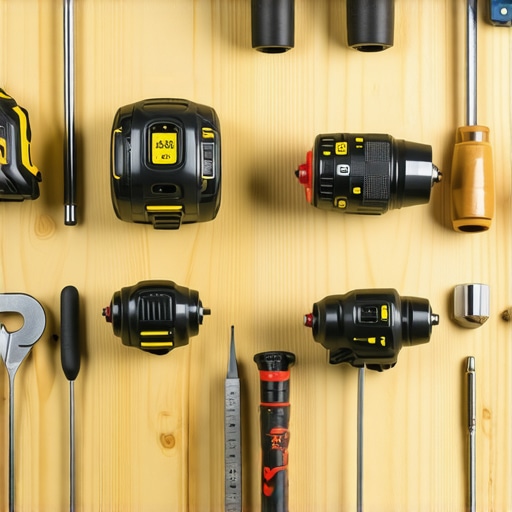
Personally, I recommend investing in high-quality tools like the Dewalt DWE575 Circular Saw and the Bosch GCM12SD Miter Saw. These tools are known for their durability, precision, and ergonomic design, which make them ideal for intricate drywall textures and large repairs. For example, a reliable saw with precise cuts ensures that patches fit seamlessly, reducing the need for excessive sanding or rework. When it comes to hand tools, I swear by my Stanley FatMax screwdrivers and my trusted sanding blocks—these feel comfortable in hand and hold up over time.
Keep Your Tools Clean and Sharp
After each project, I make it a point to clean my tools thoroughly. For power tools, I wipe down dust and debris, and occasionally lubricate moving parts per the manufacturer’s instructions. Sharp blades and bits, like my carbide-tipped saw blades, stay sharper longer if I keep them clean and use a sharpening stone or professional sharpening service when needed. This attention to detail ensures cleaner cuts and reduces the stress on your equipment.
Store Equipment Properly
Proper storage is often overlooked but essential. I keep all my drywall tools in a dedicated toolbox or wall-mounted rack, avoiding exposure to moisture or extreme temperatures. For power tools, I use protective cases or covers to prevent dust buildup and accidental damage. Consider labeling your storage areas so you can quickly find what you need, especially during time-sensitive projects.
Utilize the Right Software and Planning Tools
Beyond physical tools, digital planning can streamline your projects. I rely on apps like Trello for task management and SketchUp for 3D modeling of interior spaces. These tools help me visualize textures, plan material requirements, and keep track of progress. As technology advances, I predict that AI-driven project management tools will become more accessible, offering real-time suggestions for improvements and troubleshooting.
How do I maintain my tools over time?
Regular inspection and preventive maintenance are key. Check power cords and switches for wear, replace worn-out blades, and update software or firmware for your digital tools. Creating a maintenance schedule—like cleaning and inspecting every few months—ensures your equipment stays in top shape. Remember, well-maintained tools perform better and reduce the risk of accidents, making your DIY journey safer and more enjoyable.
If you want to elevate your skills further, I recommend trying out advanced techniques with your existing tools. For example, mastering the fine art of texture matching with spray guns can significantly improve your drywall repairs. For detailed guidance on these techniques, check out this comprehensive DIY guide.
Lessons from My Biggest Drywall Oops
One thing I learned the hard way is that rushing texture matching can sabotage your entire repair. I once tried to quickly spray a stipple pattern without testing, and it stood out like a sore thumb. Now I always test on scrap drywall first, adjusting spray distance and pressure. That patience pays off in a flawless blend. Another lesson is that reinforcement isn’t optional—using a backing like plywood keeps your patch sturdy and prevents future cracks. I’ve seen many DIYers overlook this step, only to regret it later. Lastly, I discovered that the final sand and texture touch-up are what truly hide the repair. Grit your teeth and take your time; a little extra effort makes your wall look professional, not patchy.
Tools and Resources That Changed My Approach
My go-to tools include a high-quality spray gun, which makes matching textures easier and more consistent. For patches, I swear by mesh patches—they’re flexible and easy to work with. To learn more about advanced drywall techniques, I recommend this comprehensive DIY guide. It’s packed with tips that help me avoid common pitfalls. For texture matching, I rely on a stippling sponge and a spray bottle, which give me control over the final look. When in doubt, I consult tutorials from experienced DIYers who share their secrets openly. These resources keep my repairs looking sharp and seamless.
Your Next Step Toward Flawless Walls
Don’t let the fear of large drywall repairs hold you back. With patience, the right tools, and a willingness to learn, you can transform your walls into a showcase of skill. Remember, every successful repair boosts your confidence and makes your home feel truly yours. So, grab your tools, practice on scrap, and start fixing with purpose. Your walls—and your future DIY self—will thank you.
What’s the biggest drywall repair challenge you’ve faced? Share your story below and let’s troubleshoot together!