
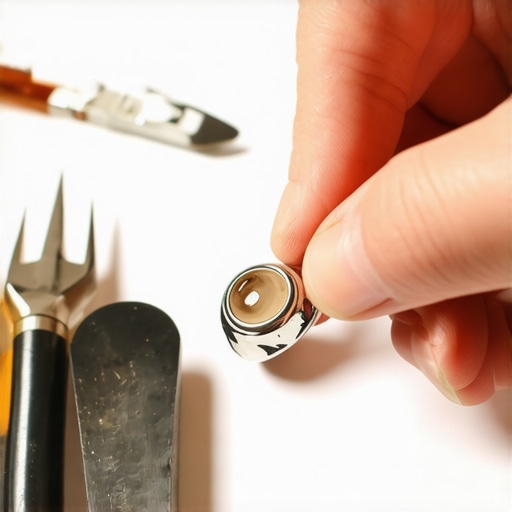
Have you ever spent hours crafting a beautiful silver pendant, only to have your carefully set cabochon slip or sit unevenly? I know that frustrating moment all too well. Early in my silversmithing journey, I thought I could wing it—just press the stone into a bezel and hope for the best. The result? A wobbly, uneven setting that made me question everything I’d learned. But that lightbulb moment came when I realized that setting cabochons is an art that demands precision, patience, and understanding. If you’ve faced similar struggles, don’t worry—you’re not alone. Today, I’m going to share a reliable, step-by-step approach that transformed my work and can do the same for you.
Why Getting Your Cabochon Settings Just Right Matters
In silversmithing, the way you set your cabochon can make or break the entire piece. A secure, well-aligned setting not only ensures your stone stays put, but it also elevates the overall aesthetic, showcasing your craftsmanship. Plus, a perfect setting adds value and durability, especially if you’re selling your jewelry or gifting it to loved ones. But let’s be honest—achieving that flawless setting isn’t as simple as it looks. It takes skill, patience, and attention to detail, which I’ve learned through plenty of trial and error.
Is It Really Worth the Extra Effort to Perfect Your Cabochon Settings?
Absolutely. Early mistakes—like uneven bezels or loose stones—can be discouraging and costly. I once rushed a setting, thinking I could fix it later. Big mistake. The stone ended up slipping out during wear, and I had to start over. It’s a mistake I don’t want you to make. Instead, I recommend following a careful, proven process. In the process, I’ve also discovered that the difference between a good setting and a great one is often just a few extra steps—like double-checking your measurements or gently pressing the bezel into place. If you’re curious about other DIY jewelry techniques, you might enjoy exploring more home projects, such as home decor ideas or beginner-friendly crafts.
Now that I’ve shared my initial struggle, let’s dive into the core of mastering cabochon settings. Whether you’re a seasoned silversmith or just starting out, these steps will help you create jewelry that’s both beautiful and durable. Ready to elevate your skills? Let’s get started with the essentials that will set your stones perfectly every time.
Preparing Your Workspace and Tools
Before diving into setting your cabochon, ensure your workspace is organized, well-lit, and equipped with essential tools such as fine-tipped pliers, a jeweler’s saw, a ruling pen, a bezel roller, and a gentle hammer. Having a clean, clutter-free area minimizes mistakes and allows for precision. I remember a time when I was rushing to finish a piece and couldn’t find my bezel pusher—luckily, it was right next to my soldering station, reminding me to keep everything within arm’s reach.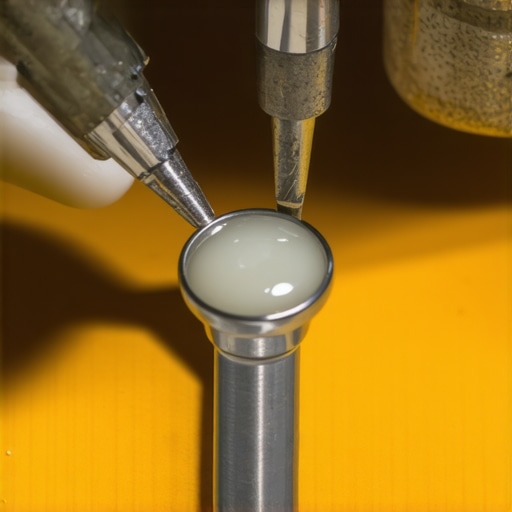
Measuring and Cutting the Bezel
The foundation of a perfect setting lies in accurate measurement. Measure your cabochon at its widest points, then add about 1.5 mm for the bezel wall thickness. Use a ruler or digital calipers for precision. When I first started, I underestimated this step and ended up with a bezel that was too tight, making it difficult to insert the stone. Cutting the bezel strip slightly longer than your measurement allows for adjustments during the fitting process. Use your jeweler’s saw to cut the strip cleanly, avoiding rough edges that can snag or distort the metal.
Forming and Soldering the Bezel Band
Wrap the strip around the cabochon to form a snug, but not tight, circle. Use your fingers or bezel-forming tools to gently shape the metal. Overlap the ends slightly—about 1 mm—and mark where they meet. For a seamless look, file the ends to fit together perfectly, like fitting puzzle pieces. Solder the joint with a small amount of flux, then heat with a soldering torch until the solder flows and joins the ends securely. I recommend practicing this step with scrap metal first to perfect your technique and avoid overheating the piece.
Fitting the Bezel to the Stone
Place the formed bezel around the cabochon, pressing gently with your fingers or a bezel roller to check fit. It should hold the stone securely without excessive pressure. If it’s too tight, file the bezel slightly; if too loose, gently reheat and add a tiny bit of solder to tighten the joint. During my early attempts, I learned that patience is key—rushing this step leads to gaps, which compromise both appearance and security. Double-check the fit before proceeding to solder the bezel onto the backing.
Securing the Bezel to the Base
Position your bezel on your silver backing and gently press it into place, ensuring even contact all around. Use a bezel roller to gently push the metal around the stone, creating a tight, uniform grip. To prevent the bezel from shifting during soldering, secure it with small, heat-resistant clamps or by applying a tiny amount of flux underneath—this acts like a glue that keeps everything in place. I once used a pin to hold the bezel temporarily, which held well during soldering but was tricky to remove afterward without damaging the piece.
Soldering the Bezel to the Base
Apply flux generously to the joint, then heat the piece evenly with your torch. Watch for the solder to melt and flow into the joint—this is your indicator that the bezel is securely attached. Move the flame slowly around the piece to avoid uneven heating, which can cause warping. Once cooled, quench in water and inspect the joint for strength. I’ve found that reheating and adding a second solder layer ensures durability, especially for pieces that will endure regular wear.
Final Finishing Touches
Use files and sanding sticks to smooth any rough edges, then polish the entire piece to bring out the shine. Check the stone’s security by gently tapping it—if it’s loose, repeat the fitting and soldering process. Remember, a well-set cabochon isn’t just about aesthetics; it’s about creating a durable, lasting piece. With practice, these steps become second nature, much like building a sturdy piece of furniture or crafting intricate home decor (more DIY techniques).
Many silversmiths fall into the trap of believing that setting a cabochon is a straightforward task that requires minimal effort. However, this misconception can lead to costly mistakes and frustrating results. One of the most prevalent myths is that a snug fit alone guarantees a secure setting. In reality, precision in measurement and technique is crucial to ensure longevity and aesthetic appeal. Over-tightening the bezel, for instance, may seem like a good idea but can crack or distort the stone or the metal. Conversely, a loose setting risks the cabochon slipping out over time, especially with daily wear.
Another common misunderstanding is that soldering is a quick fix to any fitting issue. While soldering effectively joins components, it doesn’t compensate for poor initial fitting. If your bezel is misaligned or uneven before soldering, the final piece will reflect those imperfections. This is why meticulous fitting and double-checking are essential before applying heat. Rushing this step often results in gaps, uneven bezels, or even damage to the stone or metal.
Why Do Many Silversmiths Struggle with Bezel Formation Despite Experience?
One advanced nuance often overlooked is the importance of controlling metal flow during bezel formation. Properly annealed metal allows for smooth shaping without cracking or warping. Many craftspersons assume that simply forming the bezel around the stone is enough, but without understanding how metal behaves under heat and pressure, the bezel can become uneven or brittle. Techniques like gradual bending and controlled annealing, supported by expert tips from sources such as advanced metalworking guides, can make a significant difference.
Furthermore, many novice silversmiths underestimate the importance of a clean, fluxed joint during soldering. Residue or oxidation can prevent solder from flowing correctly, leading to weak joints or the need for rework. Using high-quality flux and ensuring the joint is properly cleaned and prepared is an often overlooked step that can save time and frustration in the long run.
Finally, mastering the art of fitting the cabochon into the bezel requires patience and a keen eye for detail. Testing fit multiple times and making micro-adjustments before soldering ensures that the stone sits perfectly and securely. Remember, this process is as much about finesse as it is about technique—rushing can compromise the entire piece.
Have you ever fallen into this trap? Let me know in the comments. For more insights into advanced silversmithing techniques, explore advanced metalworking tips or check out comprehensive DIY guides.
Maintaining your silversmithing tools and workspace is crucial for long-term success and consistent results. Over time, tools like bezel rollers, pliers, and soldering stations can wear out or become misaligned, impacting the quality of your jewelry pieces. Regular maintenance not only prolongs the lifespan of your equipment but also ensures precise craftsmanship every time. I personally recommend inspecting your tools weekly, cleaning them with a soft cloth after each session, and lubricating moving parts with a light machine oil to prevent rust and buildup. For example, bezel rollers can develop burrs that mar your metal, so honing them with a fine abrasive pad keeps them smooth and effective.
Investing in quality tools is equally important. I swear by the Kumihimo Bead Spinning Plate because its sturdy construction and smooth rotation allow for more consistent bezel forming. Additionally, a digital caliper has become indispensable for precise measurements, especially when creating custom-sized bezels. Using these tools consistently helps avoid the common mistake of fitting stones improperly, which leads to loose or uneven settings. As trends evolve, I predict that smart, digitally connected tools—like Bluetooth-enabled soldering stations—will become more popular, providing real-time data and troubleshooting support for silversmiths.
How do I maintain my silversmithing tools over time?
To keep your tools in prime condition, establish a routine of cleaning, lubrication, and proper storage. Store tools in a dedicated, organized toolbox or on a pegboard to prevent damage and loss. Periodically check for wear and replace any worn-out parts, such as rubber grips or worn tips on pliers. For soldering equipment, ensure your torch tips are free of carbon buildup, and replace them when necessary. Using a proper cleaning and storage routine minimizes corrosion and maintains precision. Remember, a well-maintained toolkit makes every project smoother and more enjoyable, turning a potentially tedious task into a rewarding experience. Don’t forget to explore DIY projects for beginners that can help you craft custom storage solutions for your tools, keeping your workspace organized and efficient. By investing a little time into maintenance, you’ll ensure your tools serve you reliably for years to come, making every jewelry piece a testament to your skill and dedication.
How I Nearly Ruined My First Cabochon Setting and What It Taught Me
One of the most valuable lessons I learned was that perfection in cabochon setting isn’t about rushing through the process. Taking the time to measure carefully, fit precisely, and solder with patience transformed my jewelry from fragile to durable. I realized that every small adjustment before soldering counts, and that mastering the art of bezel formation is about controlling metal flow and annealing properly. This insight saved me countless hours of rework and frustration, and now I approach each project with a more mindful, deliberate mindset.
The Tools That Changed My Silversmithing Journey
Investing in quality tools like a digital caliper for exact measurements and a bezel roller for even shaping made a significant difference. These tools not only improve precision but also boost confidence, especially when working on complex or delicate designs. Regular maintenance of my tools—cleaning, lubricating, and replacing worn parts—ensures consistent results. For anyone serious about cabochon setting, these essentials are worth every penny and effort. For more advanced techniques, I often consult trusted sources like advanced metalworking guides.
Believe in Your Progress—Your Jewelry Deserves It
Don’t let initial setbacks discourage you. Every expert silversmith started where you are now, making mistakes and learning from them. The key is to stay patient and persistent, remembering that mastery comes with practice. Your next piece can be a masterpiece if you approach it with curiosity and care. Keep experimenting, keep polishing your skills, and soon, setting cabochons will feel second nature. Ready to elevate your jewelry craft? Dive into more DIY techniques at home decor projects and discover what you can create next.