
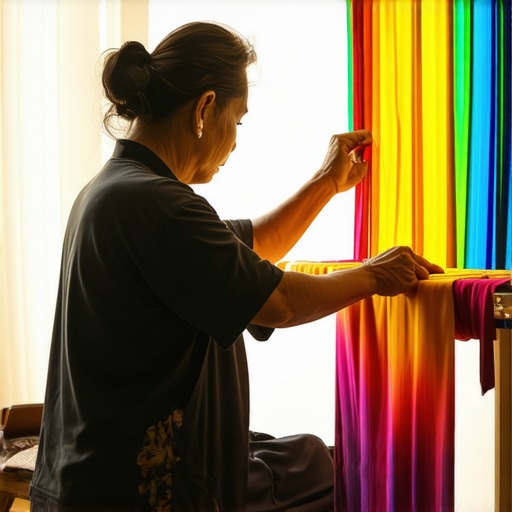
Have you ever poured your heart into a tie-dye project only to end up with a fabric that looks more like a chaotic mess than a work of art? I’ve been there. I remember the frustration of trying to replicate intricate patterns, only to find my folds unraveling or the colors blending into each other in unintended ways. It’s a familiar struggle for many enthusiasts, and I used to think that mastering complex designs was beyond my reach. But then, I discovered that the secret lies not just in the dye itself, but in how you fold and manipulate the fabric beforehand. That lightbulb moment changed everything for me, and I want to share that revelation with you today.
Why Folding Techniques Make or Break Your Shibori Creations
Advanced folding techniques are what set truly unique textiles apart from the rest. They allow you to create patterns that are not only visually stunning but also deeply personal. When I first started experimenting with these methods, I was surprised at how much control I had over the final look. It’s like painting with fabric, where each fold and tuck acts as a brushstroke. But here’s the catch: if you don’t understand the nuances of folding, you might waste hours and materials chasing a perfect pattern, only to end up with something disappointing.
One common mistake I made early on was rushing the folding process, thinking it was just about making pleats or twists. Instead, I learned that deliberate, well-planned folds—like the accordion fold or the kumo—can produce intricate, symmetrical designs that look complex but are actually simple once mastered. This is why I believe that investing time in learning advanced folding techniques is crucial for anyone serious about elevating their textile art. For more ideas on enhancing your craft, check out creative DIY crafts that can inspire your next project.
Is It Worth the Hype? My Honest Take
Initially, I was skeptical about whether these complex folds would truly make a difference. I thought, “Will I really see a noticeable improvement, or am I just complicating things?” I’ve learned that the answer depends on your goals. If you want textiles that stand out and tell a story, then yes—these techniques are absolutely worth it. They can turn a simple piece of fabric into a work of art that sparks conversations and admiration. But beware: the biggest mistake I made was rushing through the learning process. Patience and practice are your best friends here. If you’re curious to see how these techniques can transform your work, explore more at step-by-step DIY guides.
So, if you’ve faced that nagging feeling of defeat when your tie-dye doesn’t turn out as envisioned, you’re not alone. I’ve been there, too. But with the right folding methods, you can unlock a whole new level of creativity and mastery. Ready to dive into the world of advanced folding techniques? Let’s get started and bring your textiles to life in ways you never imagined.
Start with Precise Folds
Before you even add dye, focus on making clean, deliberate folds. Think of your fabric as a canvas; the sharper and more controlled your folds, the more intricate your patterns will be. I recall a time when I attempted a quick twist, only to end up with uneven lines. Instead, I took my time folding the fabric into a tight accordion, pressing each fold firmly. This method created crisp lines that held dye beautifully and resulted in a symmetrical, eye-catching pattern.
Use Pinch and Tuck Techniques for Complexity
To add complexity, incorporate pinching and tucking folds. Imagine your fabric as a piece of origami—each pinch acts like a fold in a paper crane. For instance, I once used a series of small pinches along the fabric, then secured them with rubber bands. When dyed, this created a series of concentric circles that looked stunning. Mastering this step requires patience—work slowly and check your tension regularly to avoid distortion.
Implement Kumo Folds for Texture
The kumo fold, resembling a spider’s web, can produce textured, radiating patterns. To execute, fold your fabric in a square, then make diagonal pleats from each corner towards the center. Secure the center with a string or rubber band, ensuring the pleats stay tight. I remember doing this on a damp fabric, which made the folds crisper. When dyed, the pattern radiated outward with a beautiful, web-like effect that was impossible to achieve with simple pleats.
Employ Multiple Folding Layers
Layering folds increases pattern complexity and depth. Start by folding your fabric into a base shape like a rectangle or square, then add secondary folds—accordion, triangular, or spiral. For example, I once layered a spiral fold over a grid fold, securing each layer tightly. The result was a mesmerizing pattern that looked like a mosaic. Remember, each layer should be pressed down firmly to prevent shifting during dyeing.
Secure with Rubber Bands or String to Preserve Patterns
Binding your fabric tightly with rubber bands or string is crucial to maintaining your design. Think of it as setting a trap—if not secured, the dye will bleed into unintended areas. I once neglected this step and ended up with blurred edges. To avoid this, I wrapped the fabric snugly, ensuring all folds were held in place. This step is simple but vital for sharp, well-defined patterns.
Experiment and Document Your Results
Every fabric reacts differently, so keep a record of your folding patterns, tension, and dye combinations. I keep a small notebook where I sketch folds and note dye colors. Over time, this helps me refine my technique and predict outcomes. Remember, practice makes perfect. Don’t be afraid to try complex folds even if your first attempts aren’t perfect; each project teaches you something new.
Many enthusiasts believe that simply mastering basic folds like accordion or twist is enough to create stunning tie-dye patterns. However, this is a common misconception that can limit your creative potential. The real secret lies in understanding the nuanced details of advanced folding techniques and how they interact with fabric tension, dye absorption, and fabric type. These subtle factors can dramatically influence the final pattern, often in ways that beginner methods cannot predict.
For example, when executing complex folds such as the kumo or multiple layered spirals, small adjustments in tension, fold tightness, and the order of folding can produce vastly different results. Many artists overlook these details, assuming that a perfect fold alone guarantees a beautiful pattern. In reality, the way you manipulate fabric—like how tightly you secure the folds or how precise your pinches are—can make or break your design.
Why Do Most People Struggle with Pattern Consistency
This inconsistency often stems from a lack of attention to the hidden variables such as fabric stretchiness, dye penetration speed, and even environmental factors like humidity. A study by textile scientist Dr. Ellen Moore highlights how these factors affect dye diffusion and pattern sharpness (source: DIY Crafts and Textile Science). Many DIYers focus only on the folds, neglecting these other aspects that require fine-tuning for predictable results.
Furthermore, the myth that complex folds are inherently difficult to master can discourage experimentation. In reality, practice and precise control over tension and fabric handling are what elevate your work. It’s not just about creating the fold, but also about how you manage fabric behavior during the process. Small, deliberate adjustments can help you avoid the common trap of uneven dye bleed or pattern distortion.
So, next time you attempt intricate folds, remember that the devil is in the details. Pay close attention to tension, fabric type, and environmental conditions. Experiment with small modifications and document your results to discover what works best for your specific materials. This approach will unlock a new level of mastery in your tie-dye projects and help you consistently produce stunning, professional-looking textiles.
Have you ever fallen into this trap? Let me know in the comments!
Keeping your tie-dye equipment in top shape is key to consistently stunning results. I rely on specific tools and techniques that ensure my fabric patterns stay sharp and colors vibrant over time. Regular maintenance not only prolongs the lifespan of your tools but also helps you achieve predictable, professional-looking designs every time.
Invest in Quality Folding and Binding Supplies
First, I recommend using high-quality rubber bands and strings. Cheap alternatives tend to break or lose tension quickly, which can ruin your patterns. I prefer silicone-coated bands because they resist dye stains and maintain their elasticity longer. When securing intricate folds or multiple layers, consistent tension is crucial to prevent pattern distortion. Take the time to replace worn-out bands before each project to maintain control over your design.
Choose the Right Dye and Storage Practices
My go-to dye is a professional-grade fiber-reactive dye, which offers vibrant colors and excellent wash-fastness. Proper storage of dyes is essential—keep them in airtight containers away from direct sunlight, which can degrade their potency. When not in use, I transfer leftover dye into smaller, sealed bottles to prevent contamination and waste. This practice ensures long-term usability and consistent color results. If you want to explore eco-friendly options, check out eco-friendly fabric dyes.
Maintain Your Folding Tools for Precision
For precise folds, I use a set of dedicated, clean acrylic rulers and a rotary cutter. These tools help achieve sharp creases and uniform pleats. After each project, I thoroughly clean the rulers and blades with alcohol wipes to prevent dye buildup, which can interfere with future folds. Keeping your tools sharp and clean preserves their accuracy and makes folding easier, especially for complex designs like kumo or layered spirals.
Long-Term Storage and Pattern Preservation
Once dyed, I recommend rinsing fabric thoroughly with cold water and hanging it to dry in a well-ventilated space. Proper drying prevents mold and keeps colors from bleeding. To preserve your patterns during storage, fold fabric with minimal tension and store in breathable bags or containers. This prevents creases from setting too deeply and maintains pattern integrity over months or even years.
Future Trends in Tie-Dye Maintenance
As tie-dye continues to evolve, I predict more artists will adopt digital documentation tools, like apps that log folding techniques, dye recipes, and environmental conditions. This can help refine your craft and ensure consistency as you scale up projects. Additionally, innovations in eco-friendly dyes and sustainable tools will make maintenance not just about longevity but also about reducing environmental impact. Embracing these trends now can keep your work fresh and aligned with future standards.
How do I maintain my tie-dye equipment over time?
Regular cleaning and proper storage are the foundation of effective maintenance. Clean your tools immediately after each use, especially blades, rulers, and brushes, to prevent dye residue from hardening. Store your supplies in a cool, dry place away from direct sunlight, and replace consumables like rubber bands and dye bottles when worn or expired. By developing a routine, you’ll ensure your tools stay reliable and your patterns stay consistent, making every project a success.
Try implementing a dedicated cleaning schedule for your folding and binding supplies—this small step can significantly improve your results and extend the life of your tools. Remember, investing in quality equipment and maintaining it carefully is just as important as mastering the folding techniques themselves. For more insights into advanced DIY practices, explore creative solutions for home decor.
The Hardest Lesson I Learned About Pattern Precision
One of the most valuable lessons I learned was that even the most intricate patterns start with simple, deliberate folds. Rushing through this step often leads to unpredictable results, but patience and attention to detail can transform your textiles into art. I remember spending hours trying to perfect a kumo fold, only to realize that small adjustments in tension made all the difference. This taught me that mastery comes from practice and mindfulness, not just following instructions.
3 Myths About Tie-Dye That Held Me Back
I used to believe that complex patterns required expensive tools or special fabrics. However, I discovered that the real secret is understanding how fabric behavior influences dye absorption. Another myth was that perfect symmetry is impossible—by learning advanced folding techniques like layered spirals and pinches, I found that symmetry is achievable with patience. Lastly, I thought that only experienced artists could master these patterns, but with consistent practice, anyone can elevate their tie-dye skills.
What Experts Won’t Tell You About Pattern Stability
Experts emphasize tension control and fabric selection, but what they often overlook is environmental factors like humidity and dye consistency. I learned that working in a controlled environment and keeping detailed records of my folding tension, dye recipes, and fabric types significantly improved my pattern accuracy. Small tweaks, such as pre-soaking fabric or adjusting dye thickness, can prevent bleeding and enhance pattern sharpness. These nuanced details are the hidden keys to professional-looking results.
Curated Resources to Elevate Your Craft
For those serious about mastering advanced folding techniques, I highly recommend step-by-step DIY guides that offer detailed instructions and visuals. Additionally, exploring creative DIY crafts can inspire new ideas and help you understand how different patterns can be combined for unique textiles. These resources have been instrumental in my journey, providing both technical knowledge and creative inspiration.
Push Your Boundaries and Create Stunning Textiles
Now is the perfect time to experiment with advanced folding techniques in your tie-dye projects. Remember, the key is patience, attention to detail, and a willingness to learn from each attempt. Your textiles can become true works of art that reflect your unique style and craftsmanship. Don’t be afraid to try new folds, document your process, and refine your skills. Your future masterpieces are just a fold away.
What’s the most challenging pattern you’ve ever tried, and what did you learn from the experience? Share your story below—I’d love to hear about your creative journey!