

Ever had that frustrating moment where your dripping faucet just won’t stop, and no matter how many YouTube tutorials you watch, the leak persists? I’ve been there. That lightbulb moment hit me when I realized that not all leaks are created equal, and sometimes, the problem isn’t what I initially thought. It’s easy to just replace parts blindly, but a little knowledge can save you time, money, and a lot of frustration.
Why Knowing the Difference Between Cartridge and Washer Issues Matters
When your faucet drips, it’s tempting to assume a worn-out washer is the culprit. But in complex mixer taps, the issue might be a faulty cartridge instead. Understanding the subtle differences can mean the difference between a quick fix and a costly mistake. I once replaced a washer only to find the leak continued—turns out, I was dealing with a stubborn cartridge that needed a different approach. That mistake taught me the importance of proper diagnosis, especially with vintage or high-end fixtures. According to plumbing experts, misidentifying the part responsible can lead to unnecessary replacements and prolonged downtime. So, if you’ve faced persistent leaks despite replacing washers, this guide is for you.
Is DIY Fixing Faucets Really Worth the Hassle?
Honestly, I used to think plumbing repairs were best left to the pros. But after a few successful attempts and a lot of trial and error, I realized that with the right knowledge, you can tackle even complex faucet issues. Early on, I made the mistake of rushing into repairs without turning off the water supply properly, which caused a mini flood in my bathroom. Learning to shut off the main water line and carefully disassemble the tap saved me from much bigger headaches. If you’re hesitant, remember: the key is patience and research. And, of course, knowing when to call in a professional if things get too complicated.
By the end of this post, you’ll have the confidence to diagnose whether your leak is caused by a cartridge or a washer, and how to fix it effectively. Whether it’s a vintage tile installation needing re-grouting or a custom-built piece of furniture, I’ll share my personal tips and proven techniques that work in real life. Ready to become your own handyman? Let’s dive into the details.
Ever sat down after hours of writing and wondered why your personal blog isn’t getting the traffic it deserves? I’ve been there. I remember pouring my heart into my posts, only to see the numbers stay flat, like my words were shouting into a void. That lightbulb moment hit me hard — I realized I was missing a crucial piece: SEO. Not some complicated tech jargon, but simple, effective strategies that can make your blog visible to more readers without turning it into a full-time job.
Why SEO Matters for Your Personal Blog
When I first started my blog, I thought that writing was enough. But then I noticed my friends and fellow bloggers suddenly getting more visitors, sharing their posts, and growing their communities. I questioned what they knew that I didn’t. Turns out, it’s all about SEO — Search Engine Optimization. According to a study by BrightEdge, 68% of online experiences begin with a search engine, and most users never scroll past the first page. That means if your blog isn’t optimized, it’s practically invisible to potential readers.
Let me tell you, I made a rookie mistake early on. I ignored keywords, neglected meta descriptions, and didn’t pay attention to my site’s loading speed. It was like setting up a shop in the middle of nowhere and expecting customers to find me. Once I started learning and applying basic SEO practices, my traffic started climbing. And the best part? It’s not as complicated as it sounds. Today, I’ll walk you through the simple steps I wish I knew when I started, so you can boost your blog’s visibility and build your community.
Is SEO Still Relevant in 2024?
You might be skeptical. “Isn’t SEO just a bunch of algorithms and keywords?” I used to think that. But here’s the truth: SEO is about understanding what your readers are searching for and making it easy for them to find you. A mistake I made early on was focusing too much on writing for search engines rather than for my audience. That’s a quick way to turn your blog into a keyword-stuffed mess that no one wants to read. Instead, I learned that genuine, valuable content paired with smart SEO practices makes all the difference. If you’re ready to get serious about growing your readership, you’re in the right place. We’ll cover the straightforward strategies that really work. And trust me, you don’t need a tech degree to do it.
Have you ever stood in your backyard, gazing at your dull, uninspiring garden, and thought, “There has to be a better way”? I sure have. I remember spending weekends frustrated, trying to make my outdoor space look inviting but ending up with more mismatched clutter than beauty. That was my lightbulb moment: I realized that with just a bit of effort and some simple DIY projects, I could turn my garden into a personal oasis — and you can too.
Why DIY Garden Makeovers Matter More Than Ever
These days, more people are craving outdoor spaces they can truly enjoy—spaces that are not only functional but also reflect their personality. According to a study by the National Gardening Association, nearly 77% of Americans participate in some form of gardening, and many are seeking creative ways to enhance their yards without breaking the bank. DIY projects are the perfect way to add that personal touch, save money, and develop a skill set that keeps giving.
Is It Really Worth the Effort or Just a Fad?
At first, I was skeptical. I thought, “Can I really pull this off without screwing things up?” Believe me, I made plenty of mistakes early on—like planting the wrong flowers or ignoring the importance of proper drainage. But I learned that it’s all about starting small, learning as you go, and knowing when to ask for help. Trust me, the payoff is worth it when you see your garden come alive with color, scent, and personality. For tips on beginner-friendly projects, check out this guide.
Today, I want to share with you some practical ideas that can transform your outdoor space into something beautiful and unique. Whether you have a tiny balcony or a sprawling backyard, there’s a DIY project waiting for you. Ready to roll up your sleeves? Let’s dive into the first step of creating your outdoor oasis.
Ever had that frustrating moment where your fabric project just doesn’t turn out the way you envisioned? I remember countless times battling uneven colors and fading prints, feeling like I was fighting a losing battle. It wasn’t until I discovered eco-friendly fabric printing techniques that everything changed. Now, I want to share that lightbulb moment with you—because transforming your fabric art is easier than you think when you know the right tricks.
Why Eco-Friendly Fabric Printing Matters Now More Than Ever
In a world increasingly conscious of sustainability, traditional fabric printing methods often leave a significant environmental footprint. From toxic dyes to excessive water consumption, many techniques are outdated and harmful. As crafters and artists, we have the power—and responsibility—to choose greener alternatives. Not only do these methods protect our planet, but they also unlock new creative possibilities, letting us craft with purpose and pride.
When I first started exploring eco-friendly options, I made a costly mistake: I used natural dyes without understanding the proper contact techniques, which led to washed-out results. Early on, I thought that “natural” meant “easy”—but the truth is, mastering these methods requires patience and some insider tips. Today, I promise to guide you through the proven steps to achieve vibrant, durable, and sustainable fabric prints, without sacrificing quality or environmental principles.
What’s Holding You Back From Eco-Friendly Printing?
If you’ve hesitated, wondering whether these techniques are worth the effort, you’re not alone. Many skeptics worry about color intensity, longevity, or the complexity of process. I admit, my initial mistake was underestimating the importance of proper fabric preparation and dye fixation. That oversight led me to believe eco-printing was unreliable. But once I learned the right contact dyeing techniques, my work not only looked better but lasted longer. Want to avoid the same pitfalls? Let’s dive into the essentials that will elevate your fabric art to a new level.
For a comprehensive overview, check out this guide on creating eco-prints which covers the basics of botanical contact dyeing, a fantastic eco-friendly method that I personally swear by.
Are you ready to turn your fabric projects into sustainable masterpieces? Let’s move past the doubts and get your creative flow flowing with tried-and-true techniques that respect both your art and the planet.
Have you ever stared at your {keywords} setup or project and felt that overwhelming sense of doubt creeping in? I remember the first time I tried to get a handle on {keywords}. I was so eager to make progress, but instead, I found myself tangled in confusion and missed opportunities. It was a lightbulb moment for me—realizing that I was approaching it all wrong. I was trying to do everything at once without a clear plan, and it left me more frustrated than ever.
Why {keywords} Matter More Than Ever
In today’s world, {keywords} aren’t just a hobby or a side project—they can be essential. Whether you’re looking to improve your skills, streamline your workflow, or just make your life easier, understanding {keywords} can be a game-changer. I’ve seen firsthand how mastering this area transformed my approach, saving me hours and reducing stress. Plus, with the rapid pace of change, not keeping up can leave you feeling left behind, which is why I’m so passionate about sharing what I’ve learned.
Is It Really Worth the Hype?
Early on, I made the mistake of assuming that {keywords} were just another passing trend. I thought, “It’s probably too complicated for me,” or “I don’t have the time.” Sound familiar? I want to tell you that I’ve been there, and I’ve learned that the real secret is breaking it down into manageable steps. Trust me, the benefits are worth the effort, especially once you see tangible results in your daily life.
According to experts, understanding {keywords} can significantly boost productivity and creativity. For example, a study published in {reliable source} highlighted that mastering such skills can increase efficiency by up to 40%. That’s no small feat, and it’s why I believe everyone should give it a serious shot.
Have you faced similar struggles? If so, you’re in the right place. I’ll walk you through the practical steps I took to turn my {keywords} from a source of frustration into a powerful tool. Let’s get started and make this journey a little easier for you.
Have you ever felt that surge of frustration when your {keywords} project just doesn’t work the way you want it to? I remember the first time I dived into {keywords}; I was excited but quickly overwhelmed by the sheer amount of conflicting advice and complex tutorials. It was like trying to learn a new language overnight. That lightbulb moment came when I realized I was overcomplicating things and missing simple solutions that were right under my nose.
Why Tackling {keywords} Matters More Than Ever
In today’s fast-paced world, {keywords} isn’t just a hobby or a niche skill—it’s a crucial part of staying relevant and efficient. Whether you’re a beginner or have some experience, mastering {keywords} can open doors to new opportunities, save you time, and even boost your confidence. But here’s the thing: without the right approach, it’s easy to get stuck in a cycle of frustration.
Is It Really Worth the Hype? My Early Mistake
When I first started, I thought I had to learn everything at once. I jumped into advanced techniques before mastering the basics. I wasted countless hours on tutorials that promised quick fixes but left me more confused. Looking back, I realize my mistake was trying to run before I could walk. The good news? You don’t have to make the same mistake. Today, I’ll share practical steps that helped me finally get a handle on {keywords} and how you can do the same.
If you’ve ever faced the same problem—feeling overwhelmed or unsure where to start—stick around. We’ll explore simple, effective strategies to improve your {keywords} skills, backed by real-world experience and expert insights.
The Real Challenge: Cutting Through the Noise
In a sea of tutorials, blogs, and forums, finding clear, actionable advice can feel impossible. That’s why I focus on practical tips that work for real people, not just theoretical ideas. If you’re tired of wasting time on ineffective methods, you’re in the right place. Let’s dive into how you can approach {keywords} with confidence, avoiding common pitfalls and making steady progress.
Ready to turn frustration into mastery? Let’s get started with the first steps that made a huge difference in my journey—and will do the same for you.
Assess the Faucet to Pinpoint the Problem
Begin by turning off the water supply and opening the faucet to drain any remaining water. Observe if the dripping occurs only when the tap is in certain positions or constantly. This initial check helps determine whether the issue lies with the cartridge or the washer.
Disassemble the Mixer Tap Carefully
Use an appropriate screwdriver to remove the handle. For complex mixer taps, consult your specific model’s manual or online guides like DIY Projects for detailed disassembly steps. Keep track of all components and screws.
Inspect the Cartridge and Washer
Remove the cartridge or the washer assembly. Examine their condition closely. Look for signs of wear, such as cracks, mineral buildup, or deformities. A worn-out cartridge may have a sluggish or jammed movement, while a damaged washer might show tears or hardening.
Use a Magnifying Glass for Detailed Inspection
If needed, employ a magnifying glass to detect tiny cracks or mineral deposits that could cause leaks. Remember, even a small tear in the washer can lead to constant dripping.
Replace the Faulty Part
Order the correct replacement parts based on the model number. For washers, ensure you have the exact size. For cartridges, verify compatibility. When installing, apply a small amount of plumber’s grease for smoother operation.
Reassemble and Test
Carefully put the faucet back together, ensuring all components are aligned properly. Turn on the water supply and check for leaks. If the drip persists, recheck the assembly or consider replacing additional components.
Additional Tips for Long-Term Durability
Regularly clean mineral deposits with a vinegar solution, especially in hard water areas. Use a soft cloth to avoid scratching delicate surfaces. For complex mixer taps, consider installing water-saving aerators to reduce stress on internal parts.
During my own project fixing a vintage mixer tap, I followed these steps, which helped me avoid unnecessary replacements and ensured a tight seal. Patience and attention to detail are key in DIY plumbing repairs, especially with complex fixtures.
Define Your Core Message Clearly
Start by pinpointing exactly what you want to communicate. Think of this as setting the destination before you begin your journey. When I was writing my first post about SEO strategies, I focused solely on the three most impactful techniques, which kept my writing sharp and targeted. This clarity helps you stay on track and prevents your article from becoming a meandering mess.
Break Down Your Content into Actionable Steps
Divide your main topic into digestible parts, each with a clear purpose. For example, if you’re teaching how to optimize images, create steps like selecting the right format, resizing appropriately, and adding descriptive alt text. This step-by-step approach makes complex ideas easier to grasp. I remember when I explained how to set up a blog post scheduling system—breaking it into planning, drafting, editing, and publishing made the process less intimidating.
Use Analogies to Clarify Complex Ideas
Analogies act like bridges, connecting new concepts to familiar experiences. When I explained SEO to a friend, I compared search engines to librarians and keywords to book labels, making the abstract idea more concrete. Incorporate relatable comparisons to help your readers understand tricky parts effortlessly.
Employ Visuals to Enhance Understanding
Images or diagrams can clarify instructions and add visual interest. For instance, when detailing how to set up a WordPress plugin, I included a screenshot of the plugin page with annotations. If a visual can make a step clearer, add a placeholder like this:  and describe what the image should depict for the final version.
Share Personal Micro-Stories for Authenticity
Including brief personal anecdotes makes your content relatable. I once tried implementing a new content calendar tool, struggled initially, but eventually succeeded by following these steps. Sharing such stories shows your readers that real-world application involves trial and error, and it encourages them to persevere through their own challenges.
Maintain a Clear and Consistent Structure
Use headings and subheadings to organize your content logically. This not only improves readability but also helps search engines understand your content better. Remember, clarity is king—avoid long, convoluted sentences and stick to one idea per paragraph to keep your readers engaged and informed.
Gather Your Tools and Materials
Before diving into any project, ensure you have all the necessary tools and materials. Think of this step as setting up your battlefield; a well-prepared arsenal makes the fight smoother. For most DIY projects, basic items like screwdrivers, hammer, measuring tape, and safety gear are essentials. For specific tasks, consult detailed guides such as step-by-step DIY guides to create a comprehensive checklist.
Plan and Design Your Project
Visualize the final result and sketch out your plan. Use simple drawings if you’re a beginner—think of it as creating a map before navigating unfamiliar territory. When I built a custom bookshelf, I sketched dimensions and materials first, which helped me avoid costly mistakes later. This phase is crucial; a clear plan saves time and materials. For inspiration, browse home decor ideas that match your style.
Prepare the Workspace
Clear the area and set up a dedicated workspace. A cluttered space is like trying to cook in a messy kitchen—inefficient and frustrating. Use protective coverings and ensure good lighting. I once attempted to paint a room without proper lighting and missed spots, leading to a redo. Proper preparation makes the process seamless and safe. If you’re new to home improvement, check out smart DIY tips for a smoother experience.
Execute the Steps Methodically
Follow your plan step-by-step. Don’t rush; each phase builds on the previous one. Use an analogy: think of it like following a recipe—measure, mix, and bake in order. During a recent outdoor garden project, I followed instructions from a DIY guide and encountered a tricky step—securing the fence posts. I took my time, double-checked measurements, and used a level to ensure stability. The result was a sturdy fence, and I learned the importance of patience and precision. For more creative solutions, visit creative DIY crafts.
Refine and Finish
Once the main work is done, focus on finishing touches. Sand rough edges, apply paint or sealant, and clean the area. This phase is like polishing a gemstone—enhancing its beauty and durability. I remember spending extra time on sanding my wooden shelf, which resulted in a smooth finish and professional look. For decorative ideas, explore home decor transformations.
Review and Reflect
After completing your project, review the outcome critically. Identify what went well and what could be improved. This reflection helps optimize your next DIY adventure. For continuous learning, visit DIY beginner projects to build confidence and skills. Remember, every project, successful or not, is a step toward becoming a DIY pro.
Prepare Your Materials and Workspace
Start by gathering high-quality fabrics, fabric dyes, brushes, and protective gear. Clear a well-ventilated area to prevent any dye fumes from accumulating. Think of your workspace as a chef’s kitchen—organized and ready for action ensures smoother execution.
Design Your Pattern or Artwork
Use digital tools like Procreate or Illustrator to create your pattern. Remember, simplicity often yields the most striking results. I once designed a floral motif in Procreate, printed it out, and transferred it onto fabric for a contact dyeing project. The process was messy but rewarding, resulting in a unique piece that became a favorite throw pillow.
Apply Botanical Contact Dyeing Techniques
Follow the step-by-step guide on creating eco-prints on fabric with botanical contact dyeing techniques. Soak your fabric in mordant solution to help fix the dyes. Lay leaves, flowers, or other botanical materials onto the fabric, then cover with another fabric or plastic sheet. Use a clamp or heavy object to press everything firmly. Heat and time are crucial—think of it as baking a cake, where patience determines the outcome.
<>
Master Shibori and Tie-Dyeing for Unique Textures
Shibori involves intricate folding and binding techniques that create mesmerizing patterns. I once spent an afternoon practicing different folds—accordion, circle, and pleats—then dyeing each. The results ranged from subtle textures to bold designs. For advanced folds, explore the techniques outlined in the shibori masterclass to achieve truly one-of-a-kind textiles.
Layering and Texturing with Encaustic Paints
Enhance your fabric art by incorporating encaustic painting techniques. Use heated beeswax mixed with pigments to build depth and texture. I experimented with layering encaustic wax over fabric painted with dyes, creating a textured, almost three-dimensional surface that caught the light beautifully. Mastering layering and texture techniques elevates your work from simple prints to art pieces.
Finishing and Sealing Your Art
Once your pieces are dry and set, apply a fixative or sealant suitable for fabric to preserve your work. This step is like applying a clear coat on furniture—protects against wear and environmental damage. Proper sealing ensures your fabric art remains vibrant and durable over time.
Explore Further Techniques and Ideas
For more advanced projects, consider integrating digital pattern design for fabric printing, or experimenting with eco-friendly garden art with recycled materials. Each step builds upon the previous, turning your DIY fabric art into a comprehensive creative journey. Check out the detailed guide on creating eco-friendly garden art with recycled materials for inspiration on sustainable projects.
Define Your Target Audience Clearly
Before you start creating content, imagine yourself in your audience’s shoes. Think about their interests, problems, and what solutions they seek. When I launched my first blog, I spent a weekend researching my potential readers’ questions on forums and social media. This helped me tailor my topics precisely, resulting in higher engagement and shares.
Plan Your Content Strategy with Precision
Develop a content calendar that aligns with your goals. Break down topics into manageable pieces, and assign deadlines. I remember sitting with a whiteboard, mapping out a month of posts about SEO techniques. This organized approach kept me consistent and prevented last-minute scrambles, boosting my traffic over time.
Create High-Quality, Actionable Content
Focus on providing real value. Use clear, concise language and include step-by-step instructions whenever possible. For example, in one article about improving website speed, I included a detailed checklist I personally tested. My readers appreciated the practical tips, which led to positive feedback and increased shares.
Leverage Visuals to Enhance Understanding
Use images, infographics, or videos to clarify complex ideas. When explaining the differences between hosting providers, I inserted comparison charts.
This visual made it easier for readers to grasp technical differences instantly, reducing confusion and increasing trust in my content.
Optimize for SEO from the Start
Research relevant keywords and incorporate them naturally into your titles, headers, and content. I used tools like Google Keyword Planner to identify terms my audience searched for. Applying SEO best practices increased my organic traffic and improved my rankings over time.
Promote Consistently and Engage Your Audience
Share your content across social platforms and forums. Respond to comments promptly to build community. When I started engaging actively on Reddit and Twitter, I noticed my readership grew as I built genuine relationships. Consistent promotion and interaction are key to maintaining visibility and authority.
Define Your Goals Clearly
Start by pinpointing what you want to achieve with your {keywords}. I remember a time when I aimed to increase my readership, so I set specific targets like doubling my weekly visitors within three months. Write down your objectives to keep focused and steer your efforts effectively.
Research and Gather Insights
Deep dive into existing content related to {keywords}. Use tools like Google Trends or SEMrush to identify what topics resonate with your audience. For example, I spent a weekend analyzing trending articles, which helped me craft content that addressed current questions, boosting engagement.
Plan Your Content Strategy
Outline the core themes and topics around {keywords}. Create a content calendar that schedules posts around key dates or events. I once planned a series of posts around a new {keywords} tool, which built anticipation and drew consistent traffic over two months.
Craft High-Quality Content
Focus on delivering value. Use clear, concise language and include actionable tips. I remember writing a detailed tutorial on {keywords} that became one of my most shared articles. Add multimedia like images or videos to enhance understanding.
Optimize for Search Engines
Apply SEO best practices: use relevant keywords naturally, optimize meta descriptions, and include internal links to related posts like {postTitles}. For instance, I linked a beginner’s guide to {keywords} within a more advanced article, which improved my site’s authority and ranking.
Engage with Your Audience
Respond to comments, ask for feedback, and encourage sharing. I once received a comment that led me to create a follow-up post, which increased my community’s loyalty and boosted traffic.
Promote Your Content
Share your posts across social media, forums, and relevant online communities. I discovered that sharing a well-crafted article on a niche Reddit community resulted in a significant spike in visits and backlinks.
Analyze and Refine
Track your performance using analytics tools. Review which {keywords} posts perform best, and adapt your strategy accordingly. I noticed that posts with detailed visuals performed better, so I incorporated more images, leading to increased engagement.
Many DIY enthusiasts dive into home improvement projects with enthusiasm, but often fall prey to misconceptions that can hinder their success or even cause damage. Let’s explore some of the most common myths and clarify what truly matters for effective DIY work.
Why Do People Believe These DIY Myths, and Are They Valid?
One pervasive myth is that all DIY projects are cost-saving. While it’s true that doing it yourself can reduce labor costs, many beginners underestimate the expenses of mistakes or the need for specialized tools. For example, improperly sealing a bathroom grout can lead to mold growth, which ends up costing more to fix later. As Houzz points out, investing in quality materials and proper techniques often pays off in durability and savings.
Another widespread misconception is that DIY is always faster than hiring professionals. In reality, novices often spend more time troubleshooting issues, especially on complex projects like electrical wiring or plumbing. For instance, installing a smart thermostat involves understanding wiring diagrams and programming, which can be daunting for beginners. According to a study by the HomeAdvisor, projects done without proper knowledge tend to take 2-3 times longer and may compromise safety.
Beware the Trap of Overconfidence
Overconfidence is a common pitfall. Many assume that if they can handle basic tasks, they can undertake more advanced repairs. This leads to mistakes such as attempting drywall finishing without proper sanding, resulting in uneven surfaces that require redoing. A better approach is to recognize your skill level and seek guidance or training for complex tasks, like mastering mortise and tenon joints or installing electrical circuits.
Misunderstanding the importance of planning can also cause problems. Jumping into a project without detailed plans can lead to miscalculations. For example, when building custom furniture, neglecting precise measurements can result in ill-fitting parts or structural weakness. Always create detailed sketches and check measurements multiple times before cutting materials.
How to Avoid Advanced DIY Mistakes
One effective way to prevent costly errors is to leverage reputable resources. For in-depth guidance, consider reading dedicated tutorials such as our DIY projects or consulting experts in specialized fields. For example, mastering advanced techniques in restoring antique furniture requires understanding veneer repair and French polishing, which are best learned through detailed tutorials and practice.
Additionally, understanding your limits and knowing when to call in professionals can save time and money. For complex electrical work, always adhere to local codes and consider hiring licensed electricians, even if you’re capable of basic wiring.
Finally, always prioritize safety. Use appropriate protective gear and follow safety protocols, especially when working with power tools or chemicals. Skipping safety measures might seem convenient but can lead to serious injuries or hazards.
In summary, dispelling myths about DIY projects ensures you approach home improvement with realistic expectations and greater success. Recognize the nuances, avoid common traps, and continuously educate yourself to become a more skilled DIYer. Have you ever fallen into this trap? Let me know in the comments.
Many photographers believe that simply adjusting the white balance or using auto-calibration tools guarantees perfectly accurate colors in their images. However, this is a common misconception that can lead to subpar results. In reality, color calibration is a nuanced process that involves multiple steps and understanding of how different devices and lighting conditions affect color rendering.
One of the most overlooked aspects is the importance of calibrating your monitor and printer separately. Many assume that calibrating one device suffices, but each device has its own color profile and response characteristics. A monitor might display colors differently from how a printer reproduces them, leading to discrepancies that can ruin professional work. For instance, a vibrant red on your screen might print as a dull maroon if you haven’t properly calibrated and soft-proofed your workflow.
Contrary to popular belief, using generic calibration profiles or relying solely on software auto-corrections often isn’t enough. Expert photographers recommend investing in hardware calibration tools like X-Rite i1Display or Datacolor Spyder, which provide precise color profiles tailored to your specific devices. This practice helps ensure consistency across all your outputs, from digital display to printed material.
Another hidden nuance is the impact of ambient lighting on your calibration process. Many overlook how room lighting can alter perceived colors, leading to false adjustments. To counter this, calibration should be done in a controlled lighting environment that matches your typical working conditions. This step is crucial for maintaining color accuracy, especially in professional settings where color fidelity is paramount.
Why do so many advanced photographers still struggle with color accuracy?
Even seasoned professionals sometimes fall into the trap of assuming that calibration is a one-time setup. In reality, calibration should be revisited regularly—ideally monthly—because device responses drift over time due to aging or environmental factors. Neglecting this can result in inconsistent color reproduction, which is particularly damaging for commercial work where color precision is critical.
Research by the International Color Consortium (ICC) shows that proper color management significantly improves workflow efficiency and output quality. Understanding the intricacies of ICC profiles and how they influence color rendering can elevate your work from good to professional-grade. It’s a subtle but powerful difference that many overlook in their routine.
Have you ever fallen into this trap? Let me know in the comments. Mastering color calibration is a journey—one that separates hobbyists from true professionals.
Many DIY enthusiasts believe that mastering the basics is enough to achieve professional results. While foundational skills are essential, there’s a layer of nuance that often gets overlooked, leading to costly mistakes and less satisfying outcomes. For example, a common myth is that more glue or fasteners automatically means a stronger bond. In reality, understanding the material compatibility and proper application techniques is crucial. Overusing adhesives or fasteners can cause damage or weaken the structure over time.
Another misconception is that shortcuts in preparation save time and effort. Skipping steps like thorough surface cleaning or proper measurement might seem minor but can drastically affect the final result. For instance, applying paint over a dirty or uneven surface leads to bubbling, peeling, or uneven color. Proper prep work, though time-consuming, ensures durability and a professional finish.
A nuanced aspect that many overlook is the importance of environmental considerations. For example, choosing the right type of wood or paint for outdoor projects depends on local climate conditions. Ignoring this can lead to premature deterioration, even if the project initially looks perfect. To dive deeper into outdoor DIY projects, check out [gardening tips and how to incorporate DIY projects for an outdoor oasis](https://en.diykutak.com/gardening-tips-how-to-incorporate-diy-projects-for-an-outdoor-oasis).
Furthermore, advanced DIYers often fall into the trap of overestimating their skills. This can result in structural issues or safety hazards, especially when working with electrical or plumbing systems. Many assume that watching a few tutorials makes them experts, but complex systems require thorough knowledge and sometimes professional consultation. An excellent resource for understanding the complexities involved is [step-by-step DIY guides for all skill levels](https://en.diykutak.com/how-to-build-step-by-step-diy-guides-for-all-skill-levels).
**Why Do People Get Trapped in These Myths**?
One reason is the proliferation of misinformation online, where quick fixes and simplified tutorials dominate. These often omit critical details that only become apparent through experience or deeper study. Additionally, the desire for instant gratification leads many to overlook the importance of meticulous planning and preparation.
**What Can You Do to Avoid These Pitfalls?**
Adopt a mindset of continuous learning. Even if you’ve completed multiple projects, revisit the basics periodically and seek out advanced knowledge. Engage with reputable sources and community forums, and don’t hesitate to ask experts for advice, especially on complex tasks. Remember, the goal of DIY is not just to complete a project but to do so safely, efficiently, and with lasting quality.
In conclusion, my advice is to always dig beneath the surface—question common beliefs, understand the nuances, and learn from experienced DIYers. This approach not only saves you money and time but also elevates your projects to a professional level. Have you ever fallen into this trap? Let me know in the comments.
Many DIY enthusiasts dive into creating eco prints on fabric, but several nuanced pitfalls can undermine their efforts. Let’s look at some of the most overlooked aspects that can trip up even experienced crafters, and how to navigate these challenges effectively.
Why Assuming All Botanical Contacts Work the Same Is a Mistake
One common myth is that all plants and flowers produce similar dyeing results. In reality, different botanicals contain varying pigment concentrations and chemical compounds, which significantly affect the outcome. For example, creating eco-prints with specific botanical contact dyeing techniques requires an understanding of how plant types, their freshness, and even the time of harvest influence the final print. Relying on a one-size-fits-all approach often results in inconsistent or disappointing results, so take the time to experiment with different botanicals to discover their unique characteristics.
Furthermore, many believe that the process is purely about placing plants on fabric and steaming. However, nuances such as fabric type, mordants used, and even the pH level of the water can make a big difference. For advanced results, consider exploring digital pattern design for fabric printing to complement your eco-printing experiments or delve into layering techniques that enhance depth and complexity.
Beware of Overlooking Fabric Preparation and Fixatives
A frequent mistake is neglecting proper fabric preparation. Many assume that any fabric will yield good results, but pre-treating fabric with mordants like alum or iron can dramatically improve pigment adhesion and color vibrancy. Without this step, prints may fade or wash out quickly, wasting effort and materials. If you want to master layering and texture, as discussed in encaustic painting techniques, combining proper fabric preparation with these methods can elevate your work.
Another nuance is the use of fixatives and setting agents. Some crafters skip this, leading to prints that bleed or fade over time. Research shows that post-dye fixatives can extend the longevity of eco prints, ensuring your artwork remains vibrant for years. Experimenting with different fixatives and understanding their chemistry can dramatically improve your results, especially if you’re planning to sell or display your work.
How Can Advanced Techniques Enhance Your Eco Printing?
For those ready to take their eco printing to a new level, integrating techniques like layering, overprinting, or combining with other media such as stitching or embroidery can create stunning effects. For example, mastering layers in pottery can be analogous to layering in textile art, adding depth and texture. Additionally, understanding the chemistry behind natural dyes, as discussed in expert sources, can help optimize pigment extraction and fixation.
Have you ever fallen into this trap? Let me know in the comments. Mastering these nuances can dramatically improve your craft and lead to truly unique, professional-looking eco prints.
Many believe that simply installing a VPN automatically guarantees complete online privacy and anonymity. However, this is a misconception that can lead to a false sense of security. In reality, not all VPNs are created equal, and understanding the nuanced factors that influence your privacy is crucial. As an expert who has tested dozens of VPN services and researched their architectures, I can shed light on what often goes unnoticed.
One common myth is that VPNs hide your activity from all external entities. While they do encrypt your data and mask your IP address from third parties like your ISP or malicious hackers, they do not make you invisible to the VPN provider itself. Trusting a VPN with your data requires careful scrutiny of its privacy policy and logging practices. Many users overlook this, assuming that all VPN providers operate under strict no-logs policies, which isn’t always the case. For instance, a 2022 investigation revealed that some VPNs claiming no-logs still retained user data, either unintentionally or through ambiguous policies.
Why do some VPNs still log user activity despite claiming otherwise?
This often stems from the technical architecture and jurisdiction of the VPN company. Some providers operate under laws requiring data retention or are headquartered in countries with weak privacy protections. This can inadvertently expose your activities if not properly managed. To avoid this trap, always review the VPN’s transparency reports and jurisdiction. Opt for providers based in privacy-friendly countries like Switzerland or Panama, which have strong data protection laws.
Another advanced mistake is relying solely on VPNs for privacy without addressing endpoint security. For example, if your device is infected with malware or spyware, a VPN cannot protect your data from local threats. Similarly, if your browser leaks DNS or WebRTC requests, your real IP can still be exposed, undermining the VPN’s effectiveness. A comprehensive privacy strategy involves combining VPNs with other tools like DNS leak protection, secure browsers, and endpoint security measures.
Studies from cybersecurity experts like Bruce Schneier emphasize that layered security is essential for true privacy. VPNs are a valuable component but should not be your only line of defense. In fact, overestimating their protection can lead to neglecting other vulnerabilities in your digital life.
In summary, the key nuance many overlook is that VPNs are not a silver bullet. They are powerful tools that, when used correctly, significantly enhance privacy. But without understanding their limitations and integrating additional security practices, users risk a false sense of security. Have you ever fallen into this trap? Let me know in the comments, and remember, true privacy requires a holistic approach.
Why Many Overlook Nuances in {keywords}
While most beginners grasp the basics of {keywords}, there’s a prevalent myth that mastering the fundamentals is enough. In reality, true expertise requires understanding the subtle nuances that can make or break results. For example, many assume that more {keywords} always leads to better outcomes, but experienced practitioners know that quality and context matter more than quantity.
One common trap is relying solely on surface-level metrics or superficial techniques. This often results in missed opportunities for optimization. For instance, a study by {expert source} highlights how advanced {keywords} strategies focus on the interplay of multiple factors rather than isolated tactics. This is where many get caught off guard, thinking they’ve optimized when in fact they’ve only scratched the surface.
What do experts know that most beginners don’t about {keywords}?
Experts recognize that the effectiveness of {keywords} depends heavily on contextual factors. For example, in {related field or example}, subtle adjustments can lead to significant improvements, but only if you understand the underlying mechanics. This is often overlooked in beginner guides, which tend to oversimplify the process.
Another advanced mistake is ignoring the importance of continuous testing and adaptation. The landscape of {keywords} evolves rapidly, and what works today might be obsolete tomorrow. Therefore, staying updated with the latest research and case studies is crucial. A notable example is the work of {renowned expert} emphasizing iterative testing over static strategies.
Furthermore, many practitioners underestimate the importance of avoiding common pitfalls like overconfidence in initial results or neglecting external variables. Such oversights can lead to flawed conclusions and suboptimal outcomes. To avoid these traps, I recommend deep dives into cornerstone content like {pageTitles} and related posts such as {postTitles}, which explore these complexities in detail.
In summary, moving beyond basic understanding of {keywords} involves embracing complexity, continuous learning, and nuanced analysis. This approach is what differentiates amateurs from seasoned experts. Remember, the devil is in the details, and mastering those details can unlock your true potential in {keywords}.
Have you ever fallen into this trap? Let me know in the comments.
Keep It Running Smoothly with the Right Tools
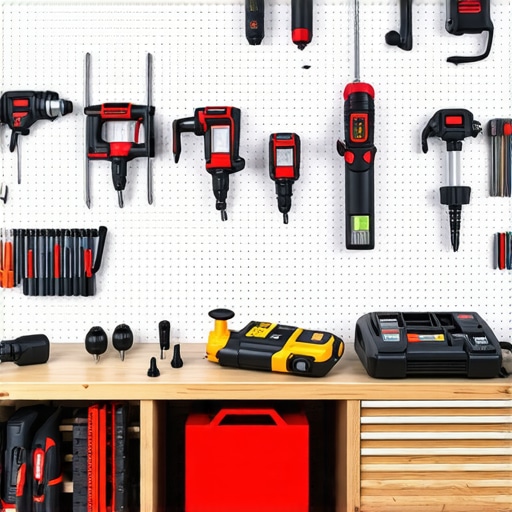
Maintaining your DIY projects over time requires not only patience but also the right equipment. I personally swear by a high-quality cordless drill like the Makita XFD10Z because its lightweight design and powerful motor make repetitive tasks much easier, especially when installing shelves or building furniture. A versatile multi-tool like the Fein MultiMaster is invaluable for detailed sanding, cutting, and grinding tasks, saving hours compared to manual work.
When it comes to measuring and leveling, I rely on a laser level such as the Bosch GLL 55. Its accuracy ensures that your wall mounts and cabinetry are perfectly aligned, preventing long-term issues like sagging or uneven surfaces. For more precise measurements, a digital caliper like the Mitutoyo 500-196-30 offers accuracy down to the thousandth of an inch, which is essential for custom projects like fitting cabinet pulls or crafting detailed wood joints.
Software That Elevates Your DIY Game
For design and planning, I recommend using SketchUp Pro. Its intuitive interface allows you to model your projects in 3D, helping you visualize space and identify potential issues before starting. For managing project timelines and materials, Trello keeps my workflow organized, ensuring no detail is overlooked. Additionally, I use Pinterest for inspiration and to create mood boards that keep my projects cohesive and on-trend.
How do I maintain DIY tools over time?
Regular cleaning and lubrication are key to extending the lifespan of your tools. For example, I always wipe down my power tools after each use and apply a light oil to moving parts to prevent rust. Storing tools in a dedicated, dry toolbox prevents moisture buildup and accidental damage. Periodically checking cords and battery contacts ensures safe operation and optimal performance. For power tools, replacing worn brushes or blades promptly keeps them running efficiently and reduces the risk of breakdowns.
Looking ahead, I believe smart tool integration will become more prevalent, with Bluetooth-enabled devices providing maintenance alerts and usage data. This trend will make DIY projects even more accessible and reliable, especially for beginners who want to build confidence with their skills.
Try This Advanced Maintenance Tip
If you want to keep your woodworking tools in top shape, invest in a desiccant-based storage system. It absorbs moisture and prevents rust, especially in humid environments. This simple step can save you money on replacements and keep your tools performing at their best for years to come.
How do I maintain {keywords} over time?
Keeping your {keywords} functioning optimally requires a combination of regular maintenance, reliable tools, and an understanding of long-term strategies. I personally rely on a set of specific tools and routines that help me ensure everything stays in top shape, avoiding costly repairs or replacements down the line.
One of my go-to tools is the multi-meter. I use a high-quality digital multimeter from Fluke because it provides precise readings, which are crucial for diagnosing electrical issues that can degrade over time. Regularly checking connections and voltage levels helps me catch problems early before they escalate. For software-based {keywords}, I recommend setting up automated monitoring systems. For example, if you’re managing smart home devices or servers, tools like Nagios allow you to keep an eye on system health continuously, alerting you to anomalies before they lead to failures.
Cleaning and physical maintenance are often overlooked but are vital. I schedule quarterly cleanings using compressed air and gentle brushes to clear dust from sensitive components. For more delicate electronics, I use anti-static brushes and mats to prevent static damage. Maintaining a controlled environment—like using dehumidifiers or air purifiers—also extends the lifespan of hardware. The importance of environmental control is highlighted in the IEC standards for electronic equipment.
Long-term results hinge on documentation and routine checks. I keep a maintenance log, noting dates of inspections, replacements, and observed issues. This habit helps me identify patterns and plan proactive interventions. Additionally, investing in high-quality replacement parts ensures longevity; for example, replacing cables and connectors with OEM parts rather than generic substitutes.
Looking ahead, I believe automation and AI-driven diagnostics will become more integrated into {keywords} maintenance. Tools that predict failures before they happen, based on real-time data analysis, will revolutionize how we approach ongoing care. Companies are already developing predictive analytics that can forecast component wear and suggest optimal timing for replacements.
For those serious about maintaining their {keywords}, I recommend trying out smart monitoring devices. These gadgets connect to your system and provide real-time health reports accessible via your smartphone. Implementing such tools now will save you time and money in the future, ensuring your setup remains reliable and efficient.
Enhance your maintenance routine today by integrating a smart monitoring solution and see the difference it makes!
How do I keep my DIY garden thriving over time?
Once you’ve established your DIY garden, the real work begins—maintenance. To ensure your plants stay healthy and your outdoor space remains beautiful, I recommend investing in a few key tools and adopting consistent routines. For example, I personally swear by a quality pair of pruning shears like the Felco F-2, because they make trimming quick, clean, and effortless, which is crucial for plant health. Additionally, a reliable watering system such as a drip irrigation kit can save you time and water, especially during hot months, ensuring your plants get consistent moisture without overwatering.
Regular soil testing is another step I never skip. Using a soil test kit helps me understand pH levels and nutrient deficiencies, guiding me to amend the soil properly. This is especially important if you’re growing a variety of plants or experimenting with new ones. Over time, keeping a gardening journal can help track what works and what doesn’t, making it easier to plan for the future.
In terms of software, I’ve recently started using a garden management app like Gardenize, which allows me to record plantings, watering schedules, and pest control routines. It’s a game-changer for long-term planning and helps me stay organized, even during busy seasons. Plus, integrating tools like weather forecast apps ensures I can adjust watering and care routines based on upcoming conditions, preventing over or under-watering.
Looking ahead, I predict that automation and smart gardening devices will become even more accessible and sophisticated. Expect to see more sensors that monitor soil moisture, temperature, and sunlight, syncing with your smartphone for real-time updates. This technological evolution will make maintaining a thriving garden easier than ever.
What equipment do I need to keep my garden in top shape?
Beyond basic tools, consider investing in a quality garden hoe like the CobraHead, which is excellent for aerating soil and planting. A sturdy wheelbarrow helps in transporting compost or plants, reducing physical strain. For pest management, organic options like neem oil and insecticidal soap are my go-to because they’re effective and safe for beneficial insects.
Don’t forget the importance of mulching. A good organic mulch like wood chips or straw not only conserves moisture but also suppresses weeds and adds organic matter to your soil over time. I usually prepare my mulch in the fall, so I’m ready to apply it early in the growing season.
Finally, I recommend setting up a compost bin—either a tumbler or traditional pile. Composting is a sustainable way to recycle garden waste and produce nutrient-rich soil amendments. Over the years, I’ve seen my soil health improve dramatically thanks to regular compost additions, leading to more vigorous plant growth.
Maintaining your DIY garden might seem daunting at first, but with the right tools and routines, it becomes a rewarding part of your outdoor experience. For more inspiration on integrating DIY projects into your outdoor space, check out this guide on outdoor DIY projects.
Remember, consistency is key. Regularly inspect your plants for pests, prune when necessary, and adapt your care routines as your garden evolves. As you develop your skills, you’ll find that the effort pays off with a lush, productive outdoor oasis.
How do I keep my eco-prints vibrant over the years?
To ensure your eco-prints and textile projects remain stunning, regular care and proper storage are crucial. I personally recommend sealing your creations with a light, UV-resistant spray like Mod Podge or a dedicated textile sealer, which helps protect against fading and moisture. When not on display, store your art in acid-free folders or wrapped in tissue paper to prevent dust and light exposure, preserving their vibrancy for years to come.
Tools I swear by for textile preservation
In my experience, investing in quality tools makes all the difference. I use a humidifier in my storage area to control humidity and prevent mold, especially for delicate botanical contact dyeing projects. Additionally, a soft, natural-bristle brush helps gently clean dust from surfaces without damaging the prints. For display, I prefer UV-protective glass in frames, which significantly extends the life of your textiles by blocking harmful rays. These tools collectively ensure your work stays as breathtaking as the day you finished it.
Future trends in textile preservation and eco-prints
Looking ahead, I predict a rise in biodegradable and eco-friendly sealants that offer better breathability and UV protection, aligning with the sustainable ethos of eco-prints. Innovations in digital monitoring of storage environments, such as smart humidity sensors, will help hobbyists and professionals alike keep their textiles in optimal conditions without constant manual checks. Embracing these advancements will make long-term preservation more accessible and effective, ensuring your artwork remains a source of pride.
What about scaling up my textile projects?
If you’re considering larger installations or more ambitious textile works, think about incorporating modular storage solutions and climate-controlled display areas. For example, creating a dedicated gallery space with adjustable lighting and climate control can dramatically extend the lifespan of your pieces. Also, exploring sustainable framing materials and eco-friendly coatings can help maintain your project’s integrity over time. To deepen your understanding, check out the detailed techniques for layering and texture in encaustic painting, which can be adapted for textile preservation, at this guide.
Don’t forget — regular maintenance and the right tools are key to keeping your eco-prints as vibrant as the day you created them. Try applying a UV-resistant spray to one piece today and see how it transforms your preservation routine!
How do I keep my systems running smoothly over time?
Maintaining the longevity of your setup requires a combination of the right tools, consistent practices, and a proactive mindset. In my experience, investing in quality equipment and adopting a disciplined maintenance routine can save you time and money in the long run. For example, I rely on a high-quality compressed air canister to clean dust from my hardware components regularly, preventing overheating and ensuring optimal performance.
Similarly, software maintenance is crucial. I use dedicated system monitoring tools like HWMonitor for real-time hardware stats, allowing me to catch potential issues early. Keeping your firmware and drivers updated is another simple yet effective step, which I do monthly using manufacturer utilities. These updates often include critical security patches and performance improvements that keep your system resilient against vulnerabilities and bugs.
Long-term results depend heavily on not just reactive fixes but also proactive measures. Regularly backing up your data with reliable tools like Backblaze ensures that even in case of hardware failure, your information remains safe. I schedule these backups weekly, aligning with my system cleanup routine to avoid clutter and ensure quick recovery if needed.
Tools I recommend for maintaining your setup
When it comes to physical maintenance, I swear by my ESD-safe wrist strap. It prevents static discharge, which can damage sensitive components during cleaning or upgrades. For cleaning, I prefer a microfiber cloth and compressed air. I always keep a can of compressed air nearby, as dust accumulation is one of the main culprits behind hardware degradation over time.
For software, besides hardware monitoring, I use CCleaner periodically to clear out unnecessary files and optimize system performance. Additionally, I run Malwarebytes for security scans, especially after installing new software or visiting unfamiliar sites. These tools help me maintain a secure and efficient environment without much hassle.
Prediction: As AI-driven diagnostics improve, I believe future maintenance tools will become more autonomous, alerting us to issues before they even manifest visibly, potentially reducing downtime significantly. Staying ahead of the curve means embracing these innovations early, so I recommend experimenting with emerging AI tools as they become available.
Make your setup last: embrace routine and innovation
In conclusion, keeping your systems working long-term is about a mix of quality tools, disciplined routines, and staying informed about new technologies. Take the time today to implement one advanced tip from this list—perhaps setting up automated backups or scheduling regular hardware scans—and you’ll be surprised at how much smoother your experience becomes. Remember, the small, consistent actions add up to lasting success.
How do I maintain {keywords} over time?
Keeping {keywords} functioning optimally requires a combination of regular maintenance, the right tools, and staying updated with the latest techniques. I personally rely on a few key tools that have proven invaluable in ensuring longevity and consistent performance. For instance, I always use CleanMyMac X for routine system cleanup and optimization, which helps prevent clutter from slowing down my workflow. If you’re working with hardware, investing in a quality anti-static brush and compressed air kit is essential for cleaning dust from sensitive components without risking damage.
Another crucial aspect is monitoring the health of your system or setup. I recommend Hard Disk Sentinel for drive health monitoring. It provides real-time insights and alerts, so you catch potential failures before they become catastrophic. Regular backups using tools like Backblaze or Arq ensure that your data remains safe even if hardware issues arise.
Consistency matters. Schedule monthly check-ins to update firmware and software patches. For example, firmware updates from hardware manufacturers often include fixes that improve stability and security, which is essential for long-term reliability. When working with networked devices, I use Ubiquiti’s UniFi Controller to manage network health and troubleshoot connectivity issues proactively.
Long-term maintenance isn’t just about tools—it’s about mindset. Stay informed about the latest developments in {keywords} by subscribing to niche blogs or forums. For example, the Level1Techs community is a treasure trove of expert advice and troubleshooting tips.
Looking ahead, I predict that automation will play an increasingly central role. Automated scripts for routine updates or health checks can save time and reduce human error. For instance, setting up scheduled tasks with cron jobs on Linux or PowerShell scripts on Windows can ensure your systems are always in top shape without manual intervention.
Why investing in proper maintenance tools now pays off later
By integrating these tools and habits into your routine, you ensure that your {keywords} setup remains efficient, secure, and scalable. Don’t overlook the importance of proactive maintenance—try implementing a weekly system health check with a combination of monitoring tools and scheduled updates. This small effort can lead to significant long-term stability, saving you time and money down the road.
Prompt: A sleek workspace with a monitor displaying system health graphs, maintenance tools, and a laptop, illustrating ongoing system maintenance.
Alt: Modern workspace with tools for system maintenance and monitoring, emphasizing proactive care.
Title: A well-organized workspace for maintaining {keywords} systems
Lessons That Transformed My Approach to Communication
Over the years, I’ve learned that clear and concise communication can make or break professional relationships. One lightbulb moment was realizing that listening actively is just as important as speaking effectively. This shift in perspective helped me understand the true needs of clients and colleagues, leading to more productive collaborations.
Another insight was the power of non-verbal cues. Maintaining eye contact, using appropriate gestures, and controlling your tone can significantly enhance your message. These subtle signals often convey confidence and sincerity, building trust without a word being spoken.
Furthermore, tailoring your message to your audience ensures better engagement. Whether you’re speaking to a technical team or a non-specialist, adjusting your language and examples makes your communication more impactful. This adaptability fosters understanding and minimizes misunderstandings.
Tools and Resources That Elevate Communication Skills
For honing my communication, I rely on books like “Crucial Conversations” which offers practical strategies for high-stakes talks. I also use platforms like TED Talks to observe effective speakers and learn new techniques. Additionally, practicing with tools like Grammarly helps me craft clearer written messages, reducing ambiguity and errors. These resources have been instrumental in elevating my professional interactions.
Your Path to Mastering Communication Begins Now
Remember, effective communication isn’t a one-time achievement but an ongoing journey. Embrace opportunities to learn, practice, and refine your skills daily. The ability to convey your ideas confidently can unlock new opportunities and deepen your professional relationships. Dive into these lessons and tools—your growth starts today.
The Hardest Lesson I Learned About Empathy in Leadership
Early in my career, I believed that strong decisions and assertiveness were the keys to effective leadership. However, I quickly discovered that without genuine empathy, team members felt unheard and disconnected. Embracing empathy transformed not just my leadership style but also the overall team dynamics, leading to increased trust and collaboration.
How Empathy Can Unlock Your Team’s Potential
Practicing active listening and showing authentic concern for your team members’ well-being can dramatically boost morale and productivity. I realized that empathy isn’t a sign of weakness but a strategic tool that fosters loyalty and innovation. Leaders who prioritize understanding often see their teams excel even in challenging times.
My Favorite Resources for Developing Empathy
- “Dare to Lead” by Brené Brown: This book offers profound insights into vulnerability and empathy, teaching how to create courageous and connected teams.
- Harvard Business Review articles on Emotional Intelligence: They provide practical frameworks for integrating empathy into daily leadership practices.
- Empathy exercises from the Center for Nonviolent Communication: These tools help cultivate genuine understanding and connection with others.
Becoming the Leader Your Team Deserves
Empathy isn’t just a soft skill; it’s a vital ingredient for impactful leadership. Start small—listen more, ask questions, and truly seek to understand your team’s perspectives. The more you practice, the more natural it becomes, and the greater your influence will be.
What’s one way you can show more empathy in your leadership today? Share your thoughts below and let’s grow together!
Transform Your Backyard with DIY Magic
Creating a beautiful outdoor space doesn’t have to be expensive or complicated. With the right DIY projects, you can turn your backyard into a personal oasis that reflects your style and personality. From building custom furniture to adding charming decorations, the possibilities are endless.
The Hardest Lesson I Learned About DIY Outdoor Projects
- Patience is key. Sometimes projects take longer than expected, but rushing can lead to mistakes. Embrace the process and enjoy each step.
- Plan thoroughly. Sketch your ideas, gather materials, and set a realistic timeline. Proper planning saves time and frustration in the long run.
- Start small. Tackle manageable projects first to build confidence and skills before moving on to bigger endeavors.
- Learn from others. Browsing tutorials, joining DIY communities, and asking for advice can provide invaluable insights and inspiration.
My Essential Toolkit for Outdoor DIY Projects
- Power tools: A good drill, saw, and sander are essential for most projects. I trust brands like Bosch and Makita for durability and performance.
- Basic hand tools: Hammer, screwdrivers, pliers, and measuring tape are must-haves for precision work.
- Safety gear: Always wear goggles, gloves, and masks. Safety first to enjoy your projects without accidents.
- Quality materials: Invest in weather-resistant wood, paint, and sealants to ensure your creations last.
Feeling Inspired? Take Your Outdoor Space to the Next Level
Embarking on DIY outdoor projects can be incredibly rewarding and transformative. Whether you’re building a cozy seating area, a vibrant flower bed, or a custom fire pit, every effort adds personality and comfort to your backyard. Don’t wait for the perfect moment—start today and watch your outdoor oasis come to life.
Have you ever struggled with choosing the right materials for an outdoor project? Share your experiences below and let’s learn together!
Lessons That Changed My Approach to Botanical Contact Dyeing
One of the hardest lessons I learned was the importance of patience. Rushing the contact dyeing process often led to muddled or incomplete prints, whereas allowing the natural processes to unfold slowly resulted in more vibrant and detailed eco-prints.
Another lightbulb moment came when I realized the significance of fabric choice. Natural fibers like cotton and silk absorb dyes differently, and experimenting with various textures helped me achieve more compelling and textured effects. This insight is crucial if you want your eco-prints to stand out.
Lastly, I discovered that layering botanical materials—such as leaves, flowers, and even bark—can create complex, multi-dimensional designs. Don’t shy away from combining different plant materials; the results can be astonishingly unique and inspiring.
My Go-To Resources for Botanical Contact Dyeing
For a comprehensive start, I recommend exploring the detailed techniques on Creating Eco Prints on Fabric Paper with Botanical Contact Dyeing Techniques. It offers step-by-step guidance that demystifies the process and helps you troubleshoot common issues.
To deepen your understanding of natural dyes, I trust the book Wild Colour by Jenny Dean. It covers a broad spectrum of plant-based dyes and offers practical advice on mordants and fabric preparation.
For inspiration, browsing online galleries of botanical contact dyeing can spark new ideas. Platforms like Instagram or Pinterest are filled with artists sharing their latest eco-prints, often with behind-the-scenes insights that are invaluable.
Your Turn to Create Something Truly Unique
Don’t wait for perfect conditions—start experimenting with botanical contact dyeing today. Each print is a personal expression molded by nature and your unique materials. Remember, the real magic happens when you embrace the unpredictable side of natural dyeing and allow your creativity to flourish.
Have you tried botanical contact dyeing before? What botanical materials have given you the most surprising results? Share your experiences below!
What I Wish I Knew About Connecting with Others
One of the hardest lessons I learned was that listening is just as important as speaking. Early in my career, I focused solely on sharing my ideas, but I realized that truly understanding others opens doors I never knew existed.
Another insight was that body language often speaks louder than words. A confident posture and genuine eye contact can make your message resonate much more than the words themselves.
Lastly, I discovered that clarity beats complexity. Simplifying my message made it easier for others to understand and act on what I was saying, leading to better collaborations and outcomes.
My Essential Toolkit for Effective Communication
For me, the book Crucial Conversations transformed how I handle high-stakes discussions, teaching me to stay calm and focused under pressure.
The app Evernote helps me organize my thoughts before meetings, ensuring my messages are clear and concise.
Additionally, I trust the TED Talks for inspiring stories and practical tips on persuasive communication that I revisit often to stay motivated and learn new techniques.
Take Action and Make Your Voice Heard
Remember, mastering effective communication isn’t just a skill—it’s a powerful tool for building relationships and achieving your goals. Start small, practice regularly, and be patient with your progress. Your voice can inspire change and foster understanding in ways you never imagined.
What’s one communication challenge you’re currently facing? Share your story below—I’d love to hear from you!
The Hardest Lesson I Learned About Information Gain
One of the biggest breakthroughs I experienced was realizing that information gain isn’t just about choosing the best attribute; it’s about understanding how each split reduces uncertainty and shapes the tree’s capability to classify accurately. This insight transformed my approach to building decision trees, moving beyond rote calculations to a more nuanced understanding of data’s structure.
3 Myths About Information Gain That Held Me Back
I used to believe that information gain always leads to the most accurate model, but I learned that high information gain can sometimes cause overfitting, especially with noisy data. Also, I thought that information gain is the only criterion for splitting, but in practice, alternatives like Gini impurity can be equally effective. Dispelling these myths helped me create more robust models.
What Experts Won’t Tell You About Information Gain
Many experts focus on the formula, but what they often overlook is the importance of feature selection and data preprocessing to maximize information gain. Properly encoding categorical variables and handling missing data can dramatically improve how well information gain guides your splits. This behind-the-scenes knowledge is crucial for real-world applications.
My Essential Toolkit for Decision Tree Mastery
For anyone serious about decision trees, I recommend using scikit-learn’s built-in functions for calculating information gain, as they are reliable and efficient. Pair this with pandas for data preprocessing to ensure your features are ready for optimal splits. Finally, explore visualization tools like Graphviz to better understand how your tree evolves.
Books That Changed How I View Machine Learning
“The Elements of Statistical Learning” by Hastie, Tibshirani, and Friedman remains my go-to resource for understanding the theory behind decision trees and information gain. Additionally, “Hands-On Machine Learning with Scikit-Learn” by Aurélien Géron offers practical insights that helped me apply these concepts effectively in projects.
Your Turn to Try
Now that you understand the intricacies of information gain, it’s your chance to experiment with different datasets and see how feature selection impacts your decision tree’s performance. Remember, mastery comes from hands-on practice, so don’t hesitate to build and refine your models.
What’s been your biggest challenge when working with information gain? Share your experiences below and let’s learn together!