
Ever had the frustrating moment when your microwave or air conditioner trips the breaker, leaving you in the dark—literally? I remember the first time I experienced this. It was a sweltering summer day, and I was trying to cool my home with an old, overburdened circuit. Suddenly, everything shut down, and I was left wondering what went wrong. That lightbulb moment made me realize: I needed a dedicated circuit for those high-power appliances. If you’ve ever faced similar issues, you’re not alone. Many homeowners overlook the importance of properly wiring high-demand devices, which can lead to safety hazards and inconvenience.
Why Dedicated Circuits Matter for Powerful Appliances
High-power appliances like electric ranges, dryers, and HVAC systems draw a significant amount of current. When they share circuits with other devices, it can cause overloads, overheating, and even fires. Installing dedicated circuits ensures each major appliance has its own safe power line, reducing the risk of tripping breakers and electrical fires. Plus, it prolongs the lifespan of your appliances by providing consistent power supply. From personal experience, I learned that neglecting this step can turn a simple repair into a costly disaster. According to the National Fire Protection Association, electrical failures are a leading cause of home fires, and many are preventable through proper wiring practices.
Is Installing a Dedicated Circuit Really Worth the Effort?
At first, I was skeptical. Would it really make that much of a difference? Early on, I made the mistake of trying to DIY my wiring without understanding the load calculations or local electrical codes. That led to a few sparks, some frustration, and a lesson learned the hard way. But with proper guidance and adherence to safety standards, installing dedicated circuits is entirely feasible for the average DIYer. It’s a worthwhile investment in safety and peace of mind. If you want to avoid costly repairs or dangerous situations, consider this your practical starting point. Want to see how I approached the project step-by-step? Check out my detailed guide on [building a DIY home electrical system](https://en.diykutak.com/how-to-build-step-by-step-diy-guides-for-all-skill-levels) for all skill levels.
Plan Your Circuit Path Carefully
Start by mapping out where you want to install the dedicated circuit. Choose a location close to the high-power appliance, like your oven or dryer, to minimize wiring length and voltage drop. Turn off the main power at the panel to ensure safety before proceeding. Think of this step as drawing a blueprint — the clearer your plan, the smoother the installation will go.
Select the Right Breaker and Wire
Identify the correct breaker size based on the appliance’s wattage and amperage requirements. For example, a typical electric oven might need a 50-amp breaker. Use gauge-appropriate wiring; for a 50-amp circuit, 6-gauge wire is common. Remember, an undersized wire can cause overheating, while an oversized wire may be unnecessary and costly. Double-check local codes or consult an electrician if unsure.
Install the Breaker and Run the Wiring
Remove the panel cover and install the new breaker in an empty slot — snap it in firmly. Route the wire from the breaker to the outlet or junction box near the appliance. Use cable clamps to secure the wire and prevent strain. When running wire, avoid sharp bends or contact with hot surfaces. This step is like laying the foundation for a house — precision here ensures safety and durability.
Connect Wires to the Breaker and Outlet
Strip about 3/4 inch of insulation from the wire ends. Connect the hot wires (usually black and red) to the breaker terminals; tighten securely. Connect the neutral wire (white) to the neutral bus bar, and the ground wire (green or bare copper) to the grounding bus bar. Ensure all connections are tight to prevent arcing or loose contacts. Think of this as making the perfect electrical handshake — firm and secure.
Test and Verify Your Work
Turn on the main power and flip the new breaker to the ON position. Use a multimeter to verify voltage at the outlet or junction box. Confirm that the appliance receives power without tripping the breaker. If everything checks out, replace the panel cover and tidy up your workspace. This phase is like a test drive — ensuring all systems are go before regular use.
Document and Label the Circuit
Label the breaker clearly, such as “Oven Circuit,” for future reference. Keep a simple diagram of your wiring route inside the panel cover or in your home maintenance folder. Proper documentation saves time and confusion during future troubleshooting or upgrades. Think of it as leaving a trail for your future self, making maintenance straightforward.
When I did my own upgrade last summer, I followed these steps meticulously. The initial wiring was a bit messy, and I had to redo some connections. But the result was a safe, reliable dedicated circuit that eliminated those annoying breaker trips. Remember, safety first — if at any point you feel unsure, it’s wise to consult a professional or check out detailed guides like this comprehensive DIY guide.
Many DIY enthusiasts believe that simply running a wire and installing a breaker is enough to set up a dedicated circuit for high-power appliances. However, this misconception can lead to serious electrical issues, including overloads and fire hazards. One of the most overlooked nuances is the importance of precise load calculations and adherence to local electrical codes, which are often misunderstood or ignored by beginners. For example, assuming a 50-amp breaker can handle any appliance without considering the actual wattage and existing load on your panel can be dangerous. According to the National Fire Protection Association, improper circuit design is a leading cause of residential electrical fires. Always double-check the appliance’s amperage requirements and consult local codes before proceeding.
Another common myth is that bigger wire gauges always mean better safety. While thicker wires (like 6-gauge) are necessary for certain circuits, using an unnecessarily large wire can complicate installation and increase costs without added safety benefits. The key is matching the wire gauge precisely to the breaker size and load requirements. For example, a 50-amp circuit typically calls for 6-gauge wire, but going up to 4-gauge may not provide any additional safety if not required. Start your wiring project with proper planning and understanding.
Why Overlooking the Importance of Proper Grounding Can Be Dangerous
One advanced mistake many make is neglecting to properly ground high-power circuits. Proper grounding is crucial for safety, preventing electrical shocks and ensuring that any fault currents are safely diverted. Skipping this step or wiring ground connections incorrectly can turn your dedicated circuit into a hazard. Experts recommend following the National Electrical Code (NEC) guidelines strictly and using the correct grounding conductors. For a detailed look into grounding practices, see this guide on home electrical safety. Remember, a well-grounded circuit is your best defense against unexpected electrical failures.
Have you ever fallen into this trap? Let me know in the comments. Ensuring every detail, from load calculations to grounding, makes the difference between a safe, reliable setup and a potential disaster. Keep learning and stay safe!
Keeping your DIY electrical systems in top shape requires more than just initial installation skills. Investing in the right tools and implementing consistent maintenance routines can significantly extend the lifespan of your circuits and ensure safety. I personally rely on a few specialized tools that have proven invaluable over the years, and I recommend them highly for anyone serious about maintaining their electrical setups.
Why I Trust My Multimeter for Ongoing Checks
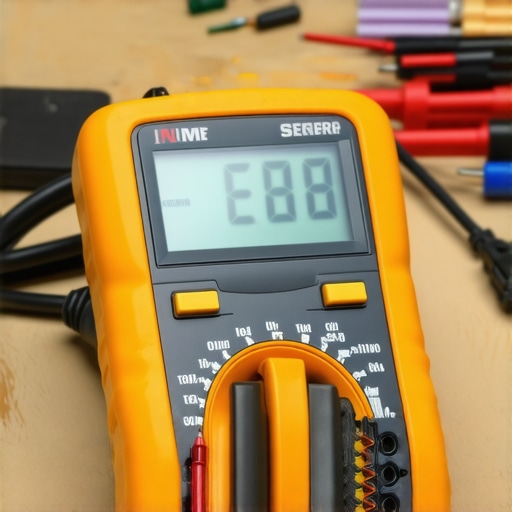
A high-quality multimeter is my go-to device for regular voltage and continuity checks. I prefer the Fluke 115 Multimeter because of its accuracy, durability, and ease of use. With it, I can quickly verify that my circuits are functioning correctly without needing to call in an electrician every time. Regular testing helps catch potential issues early, such as loose connections or voltage drops, preventing costly repairs or safety hazards.
The Power of Cordless Insulated Screwdrivers
For installing or tightening electrical connections, I swear by my Wiha 77791 Insulated Screwdriver Set. The cordless feature gives me flexibility, and the insulation provides an added layer of safety when working near live wires. These tools help me avoid accidental shocks and ensure tight, secure connections that won’t loosen over time.
Maintaining Circuit Breakers with a Thermal Imaging Camera
One advanced tool I use periodically is a FLIR TG165-X Thermal Imaging Camera. It allows me to detect hotspots in my breaker panel that could indicate overloaded circuits or failing breakers. Catching these issues early can prevent electrical fires and prolong the life of my system. As electrical components age, thermal imaging provides an extra layer of insight beyond what a multimeter can offer.
Future Trends: Smart Maintenance Solutions
Looking ahead, I believe the integration of smart sensors and IoT devices into home electrical systems will revolutionize maintenance routines. Imagine receiving real-time alerts on your smartphone if a circuit starts overheating or if a breaker trips unexpectedly. This proactive approach will make DIY maintenance safer and more efficient, reducing the need for frequent manual checks.
How do I keep my electrical system working over time?
Consistent inspection using high-quality tools like multimeters and thermal cameras is key. Regularly cleaning and tightening connections also prevent corrosion and loosening. Scheduling periodic professional inspections ensures everything remains compliant with updated codes. To further enhance your knowledge, explore detailed DIY guides on building a DIY home electrical system and consider incorporating smart monitoring solutions as they become more accessible.
In my experience, dedicating time and resources to proper maintenance not only keeps your system safe but also saves money long-term. Try investing in a thermal imaging camera or upgrading your multimeter today — these small steps can make a big difference in your DIY journey.
The Hardest Lesson I Learned About Dedicated Circuits
One of my biggest mistakes was underestimating the importance of proper load calculations. I once installed a 50-amp circuit without double-checking the appliance’s wattage, which led to frequent breaker trips and potential fire hazards. Now, I know that every high-power device requires precise planning and adherence to electrical codes to ensure safety.
Why I Thought Bigger Wires Were Safer
I used thicker wiring than necessary, thinking it would provide extra safety. But this added unnecessary complexity and cost. Proper sizing based on load calculations is more effective and safer than just opting for the largest gauge possible.
The Hidden Danger of Ignoring Grounding
Early on, I neglected to properly ground my circuits, which could have led to electrical shocks. Proper grounding isn’t just a formality; it’s a critical safety measure that diverts fault currents safely to prevent injuries and fires.
My Essential Toolkit for Electrical Projects
- Fluke 115 Multimeter: Accurate and reliable for regular safety checks and troubleshooting.
- Wiha 77791 Insulated Screwdriver Set: Ensures safe and secure connections, especially near live wires.
- FLIR TG165-X Thermal Imaging Camera: Detects hotspots that could indicate overloaded circuits or failing breakers.
- Smart Home Sensors: Future-proof your system with real-time alerts on circuit health and safety.
Fuel Your Electrical Knowledge and Confidence
Embarking on your dedicated circuit project can be empowering. With the right tools, careful planning, and respect for safety standards, you can create a safer, more reliable home environment. Remember, ongoing maintenance and learning are key — consider exploring advanced DIY guides or smart monitoring solutions to stay ahead. Keep your home safe and your appliances happy by doing it right the first time.
Have you ever faced challenges installing a dedicated circuit or overlooked a safety step? Share your experiences below and let’s learn from each other’s stories!