
Discovering the Magic of Embroidery in My Creative Journey
Ever since I picked up embroidery as a hobby, I’ve been fascinated by the depth and texture that can be achieved through advanced techniques like goldwork and stumpwork. I still remember the first time I tried goldwork; the shimmering threads and intricate stitches transformed a simple fabric into a piece of art that felt truly luxurious. Embroidery, for me, has become more than just a craft—it’s a form of storytelling that adds stunning dimension to any textile project.
Why I Fell in Love with Goldwork & Stumpwork Embroidery
Goldwork, with its rich history dating back centuries, offers a regal touch that elevates any embroidery piece. What I love most is the way metallic threads catch the light, creating a mesmerizing effect that’s impossible to ignore. On the other hand, stumpwork pushes the boundaries of traditional embroidery by adding three-dimensional elements—think raised flowers or tiny creatures that seem alive on the fabric. These techniques have unlocked a new level of creativity for me, inspiring countless projects and experiments.
My Personal Tips for Mastering Advanced Embroidery Techniques
Learning advanced embroidery techniques like goldwork and stumpwork isn’t just about following patterns; it’s about understanding the materials and mastering the stitches. I recommend starting with high-quality metallic threads and a sturdy fabric base. Patience is key—these techniques require meticulous attention to detail and a steady hand. I also found that watching tutorials from seasoned embroiderers and joining online communities can provide invaluable insights and encouragement. For example, I often visit expert guides to refine my skills and discover new methods.
How to Incorporate Goldwork & Stumpwork Into Your Projects
One of my favorite ways to incorporate these techniques is in personalized accessories, like embroidered jewelry or decorative patches. The challenge lies in balancing the metallic shine of goldwork with the playful textures of stumpwork—creating a visually captivating contrast. I also enjoy embellishing home decor items, such as embroidered wall art or cushion covers, which add a touch of elegance and uniqueness. If you’re curious about starting your own adventure in advanced embroidery, I highly recommend exploring creative DIY crafts that can help build your skills gradually.
What inspires you to explore the depths of embroidery art?
For me, it’s the endless possibilities to transform simple stitches into stunning, dimensional masterpieces. The process of layering threads and building textures feels like sculpting with fabric. I find that each project teaches me patience, precision, and a new appreciation for textile art. If you’re eager to take your embroidery skills further, don’t hesitate to share your progress or ask questions in online forums—community support makes all the difference!
Embroidery is truly a versatile art form, blending traditional craftsmanship with modern creativity. Whether you’re aiming for a subtle metallic shimmer or a lively 3D scene, advanced techniques like goldwork and stumpwork can elevate your work into a stunning visual story. Ready to dive into the world of dimensional embroidery? Check out some inspiring tutorials and start creating your own masterpiece today!
Exploring the Nuances of Metallic Thread Embroidery
Mastering advanced embroidery techniques like goldwork requires a keen understanding of the materials involved. The metallic threads used in goldwork are often delicate yet require specific handling to prevent fraying or tarnishing. As an expert, I recommend choosing high-quality threads and a suitable needle to ensure smooth stitching. The tension applied during sewing is crucial; too tight, and the fabric may warp, too loose, and the threads lose their luster. Incorporating different types of stitches, such as couching and padding, can add depth and richness to your embroidery, creating a luxurious textured surface that catches light beautifully.
Creating Three-Dimensional Masterpieces with Stumpwork
Stumpwork elevates traditional embroidery by adding sculptural elements that bring your textile art to life. The key to successful stumpwork lies in constructing stable, lightweight forms. Techniques such as padding with wool or silk floss can give shapes volume, while wire frames provide support for delicate figures like tiny flowers or insects. Combining various stitches—like French knots, satin stitch, and padding—allows for intricate detailing that mimics real-life textures. For beginners, starting with simple motifs and gradually increasing complexity can build confidence and skill. Exploring eco-friendly paints can also inspire new color palettes and finishes for your textile art projects.
Integrating Advanced Embroidery in Home Decor and Personal Accessories
One compelling aspect of these techniques is their versatility in enhancing home decor and personal items. Embroidered wall art with gold accents can serve as a stunning focal point in any room. Similarly, stumpwork elements can embellish cushions, handbags, or jewelry, adding a tactile dimension that invites closer inspection. The challenge is balancing the metallic shimmer and three-dimensional forms to maintain harmony within the overall design. Experimentation is essential—consider combining goldwork with traditional embroidery stitches or incorporating natural elements such as silk or linen for a refined look. To further refine your skills, I suggest visiting expert guides that delve into finishing techniques, ensuring your embroidery projects stand the test of time.
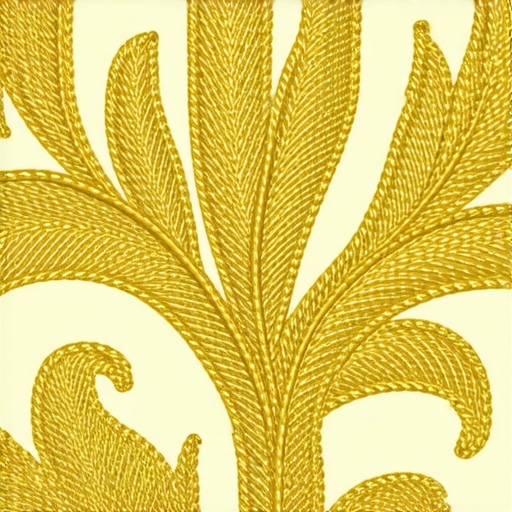
What innovative ways can you imagine elevating textile art with these advanced techniques?
The possibilities are vast—from creating personalized embroidered accessories to designing elaborate wall hangings that tell a story through layered textures and metallic accents. As you deepen your understanding of materials and stitches, you’ll unlock new creative horizons, transforming simple fabric into treasured heirlooms or conversation-starting art pieces. Sharing your progress and seeking feedback in online embroidery communities can accelerate your mastery and inspire fresh ideas. Remember, each stitch is an opportunity to express your unique artistic voice and craft something truly extraordinary.
Deepening My Embroidery Mastery: The Nuances of Technique and Material
As I continue to explore the intricate world of goldwork and stumpwork, I realize that mastery often lies in appreciating the subtle details that distinguish an ordinary piece from a true work of art. For instance, the choice of metallic threads can dramatically influence the final appearance—some threads tarnish over time, while others maintain their luster with proper care. This is why I always opt for high-quality materials, understanding that investing in better threads, needles, and fabrics can make a substantial difference in both the process and the longevity of my embroidery projects. Moreover, tension control during stitching is an art in itself; too tight, and the fabric warps, too loose, and the metallic threads lose their shine. My journey has taught me that patience and deliberate technique are essential—rushing through can compromise the delicate texture and intricate details that I aim to achieve.
Creating Textures and Depth: The Art of Combining Stitches and Materials
One of the most rewarding aspects of advanced embroidery is the ability to play with textures and layers, transforming flat fabrics into three-dimensional masterpieces. I often experiment with combining different stitches—French knots for tiny, textured buds, satin stitch for smooth, reflective surfaces, and padding to add volume to flowers or insects. Incorporating natural elements like silk or linen backgrounds enhances the richness of the piece, creating a harmonious contrast that elevates the overall aesthetic. For example, embedding tiny, raised insects within stumpwork compositions requires not only technical skill but also a creative eye for composition and storytelling. This layered approach invites viewers to engage more deeply with the textile art, discovering new details upon closer inspection.
Reflecting on the Creative Process: Challenges and Personal Growth
Every project I undertake in advanced embroidery presents unique challenges—whether it’s managing the delicate balance of metallic threads or constructing stable wire frames for three-dimensional figures. These hurdles, however, are also opportunities for growth. Over time, I’ve developed a more intuitive understanding of how different materials respond to various stitches and techniques, which has expanded my creative vocabulary. I find that setbacks often lead to breakthroughs, encouraging me to experiment further and develop innovative solutions. Sharing my progress in online communities not only provides valuable feedback but also fuels my motivation to push boundaries. If you’re interested in diving deeper into this craft, exploring resources like eco-friendly painting techniques can inspire new color palettes and finishes for your textile art.
Envisioning New Horizons: Combining Embroidery with Broader Creative Practices
Looking ahead, I see immense potential in blending advanced embroidery with other artistic disciplines—perhaps integrating textile art with mixed media, collage, or even digital fabrication. Imagine creating embroidered landscapes with metallic accents that are further enhanced with hand-painted details or incorporating stumpwork elements into wearable art that tells a personal story. The possibilities are limited only by imagination. For instance, designing personalized accessories that combine embroidery, beading, and natural dyes can produce heirloom pieces imbued with both craftsmanship and meaning. If you’re eager to explore these innovative avenues, I recommend checking out creative DIY crafts to acquire new skills and inspiration.
What are your thoughts on merging traditional textile techniques with modern art forms?
In my experience, the fusion of old and new enriches both fields, opening pathways to truly unique expressions. Whether it’s combining embroidery with 3D printing or using eco-friendly materials for sustainable projects, the key is to remain curious and experimental. Sharing your explorations and challenges in online forums can foster a vibrant community of innovators eager to learn from one another. As I continue to deepen my understanding, I find that each new project not only enhances my technical proficiency but also fuels my passion for creating meaningful, textured art that resonates on a personal level. If you’re inspired to embark on your own embroidery journey, remember that every stitch is an opportunity to tell a story and craft something truly extraordinary.
Harnessing the Power of Layered Textures for Embroidery Masterpieces
Deepening my exploration into advanced embroidery, I’ve come to appreciate the nuanced art of layering different textures to create captivating visual effects. Combining metallic threads with silk floss, for instance, allows for a dynamic interplay of sheen and softness that elevates the overall aesthetic. This technique, akin to a painter blending colors for depth, requires meticulous planning and precision. I often experiment with padding and couching stitches to build dimension, transforming flat fabrics into tactile, multi-dimensional works of art. Such layered textures not only add visual interest but also invite viewers to engage physically with the piece, discovering intricate details that evolve upon closer inspection.
Integrating Eco-Friendly and Sustainable Materials in High-Level Embroidery
As a passionate advocate for sustainability, I’ve been exploring eco-conscious materials that do not compromise on quality or visual impact. Natural fibers like hemp, organic linen, and biodegradable metallic threads are increasingly integral to my projects. Incorporating these sustainable choices aligns with my broader artistic philosophy—creating beauty that respects the environment. For example, I’ve experimented with natural dyes derived from foraged plants, which produce vibrant, lightfast colors that complement eco-friendly threads. This approach not only enhances the authenticity and depth of my work but also promotes responsible crafting practices. Inspired by insights from natural pigment guides, I encourage fellow embroiderers to pursue sustainable artistry, blending tradition with ecological mindfulness.
What Innovative Techniques Can Elevate Traditional Embroidery into Contemporary Art?
Thinking beyond conventional boundaries, I am captivated by the potential of integrating mixed media into embroidery—such as embedding tiny LED lights, metallic foils, or even incorporating digital elements. This fusion can produce interactive, kinetic textile art that responds to viewer movements or environmental changes. For instance, embedding micro-LEDs within stumpwork figures transforms static sculptures into luminous, dynamic displays. The challenge lies in seamlessly blending these modern elements without undermining the craftsmanship and delicacy of traditional stitches. To deepen my understanding, I often explore resources like advanced finishing techniques that ensure durability and longevity of complex mixed media projects. I invite fellow artists to experiment boldly, pushing the boundaries of textile art and turning timeless techniques into innovative contemporary expressions.
How Can Mastery of Metallic Thread Handling Elevate Embroidery Precision?
Handling metallic threads with finesse is crucial to achieving impeccable results in goldwork and other metallic embroidery. The delicate nature of these threads demands a gentle touch, a high-quality needle, and an understanding of tension control. I’ve found that pre-stretching threads and using specialized needles reduces fraying and ensures smooth stitches. Additionally, employing padding and couching techniques can add richness and depth, allowing metallic threads to catch light from different angles, creating shimmering effects that captivate viewers. This mastery of material handling, refined through years of practice, distinguishes amateur work from professional-grade embroidery. For detailed guidance, I recommend exploring expert tutorials that focus on finishing and sealing metallic embroidery, ensuring your work remains pristine over time. Developing this skill set opens pathways to creating heirloom-quality textiles that stand the test of time.
Expanding Artistic Horizons: Combining Embroidery with Sculptural Forms
The fusion of embroidery with three-dimensional sculptural forms remains one of the most exciting frontiers in textile art. By incorporating wireframes, padding, and natural materials like silk or linen, I’ve crafted figures and objects that defy flatness and evoke a sense of realism. For example, creating a stumpwork butterfly with layered wings, textured body, and tiny antennae involves meticulous planning and technical skill. This process not only enhances artistic expression but also challenges traditional notions of embroidery as a purely decorative craft. It encourages a dialogue between two- and three-dimensional art forms, enriching both. To inspire this venture, I often delve into sustainable sculpting methods, such as using recycled wire or eco-friendly fillers, aligning with my commitment to responsible artistry. This approach, documented in resources like wire mesh sculpting guides, has expanded my capacity to craft immersive textile sculptures that tell compelling stories through form and texture.
Engage and Evolve: Sharing Your Advanced Embroidery Journeys
As I continue to refine my craft, I find that engaging with a community of like-minded artisans fuels my growth. Sharing progress, seeking feedback, and discussing technical challenges foster a vibrant exchange of ideas. Whether through online forums, social media, or local workshops, these interactions inspire me to experiment further and discover innovative solutions. If you’re eager to elevate your embroidery skills, I encourage you to document your journey and connect with others who share your passion. Exploring advanced techniques—like combining traditional stitches with modern materials—can open new creative horizons and deepen your mastery. Remember, every project is an opportunity to learn, innovate, and create something truly extraordinary. For ongoing inspiration and expert insights, I recommend immersing yourself in diverse textile arts communities and resources, such as creative DIY projects, which continuously challenge and expand my artistic vision.
Things I Wish I Knew Earlier (or You Might Find Surprising)
Mastering Material Handling
Handling metallic threads in goldwork is more delicate than I initially thought. Investing in high-quality needles and practicing gentle tension control made a huge difference in achieving that perfect shimmer without fraying the threads. It’s a small detail but can elevate your entire project.
The Power of Patience
Advanced techniques like stumpwork require patience and a steady hand, which I underestimated at first. Rushing through these intricate stitches often leads to mistakes. Taking my time has helped me enjoy the process and produce more refined work.
Layering for Depth
Playing with textures—combining padding, couching, and different stitches—creates stunning depth. I love experimenting with natural materials like silk and linen backgrounds to enhance the richness of my embroidery. It’s like sculpting with fabric.
Learning from Communities
Joining online embroidery groups has been invaluable. Seeing others’ work and exchanging tips inspired me to try new techniques and avoid common pitfalls. Community support keeps the creative fire burning.
Sustainable Choices Matter
Using eco-friendly materials like natural dyes and biodegradable threads aligns with my values and adds authenticity to my projects. Exploring natural pigment guides has opened new creative avenues I hadn’t considered before.
Resources I’ve Come to Trust Over Time
- Embroidery Hub: This website offers comprehensive tutorials and community forums. It’s my go-to for troubleshooting and inspiration.
- Natural Dyes Guide: I recommend this resource for learning how to create vibrant, lightfast colors from foraged plants. It’s both educational and inspiring.
- Expert Embroidery Tutorials: Watching seasoned embroiderers on YouTube has helped me master tricky stitches and techniques that books alone can’t teach.
- Sustainable Textile Resources: For eco-conscious materials, this site provides a curated selection of natural fibers and dyes—perfect for blending art with responsibility.
Parting Thoughts from My Perspective
Embroidery, especially advanced techniques like goldwork and stumpwork, is a rewarding journey filled with discovery and patience. The key takeaway is that mastery comes from understanding your materials, practicing steadily, and engaging with a passionate community. These techniques have transformed my textile art into stunning, dimensional stories that reflect both tradition and innovation. If this resonates with you, I’d love to hear about your own embroidery adventures. Share your progress or questions in the comments, and keep creating something beautiful—one stitch at a time.