
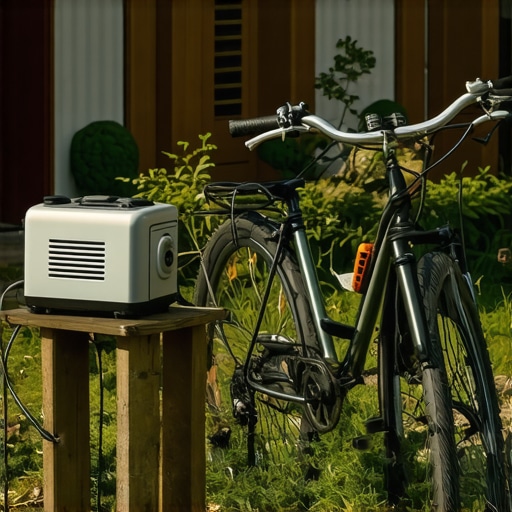
My Journey to Sustainable Off-Grid Power: Building a Bicycle-Powered Generator
Living off the grid has always been a dream of mine, especially after experiencing frequent power outages in my city apartment. I remember one particularly stormy night when the lights flickered and went out completely. That moment sparked my curiosity about alternative energy sources and led me down a fascinating rabbit hole of DIY renewable energy projects. One project that truly transformed my approach to self-sufficiency was building a bicycle-powered generator, which I now use to power essential household devices.
Why I Chose a Bicycle-Powered Generator: Combining Exercise with Energy Production
The idea of transforming my old bicycle into a mini power plant sounded both practical and eco-friendly. I liked the concept of combining physical activity with generating electricity—making it a win-win situation. Plus, it’s a sustainable way to reduce reliance on fossil fuels and lower energy bills. I started by researching how to convert a bicycle into a functional generator, reading detailed guides from sources like DIY guides. The process was surprisingly straightforward, involving a few key components like a dynamo or alternator, a suitable belt, and some wiring.
My Personal Experience: Building and Using the Bicycle Generator
Initially, I was skeptical about how much power I could generate with just pedaling, but I was amazed at the results. I installed a bicycle dynamo onto my stationary bike setup, which I connected to a small inverter to convert DC to AC power. The setup was simple: I pedaled for about 30 minutes, and I was able to charge my smartphone, power LED lights, and even run a small fan. It’s incredible how a little effort can turn into tangible energy, especially when you’re off-grid and looking to be self-reliant. I also learned that consistent pedaling yields more stable power, which is essential for household use.
What Are the Limitations and How Can You Improve Your DIY Bicycle Generator?
Of course, there are limitations—generating substantial power requires sustained effort, and the output isn’t comparable to traditional power grids. However, by combining multiple DIY solutions, such as integrating a small battery bank or solar panels, you can create a reliable off-grid system. I also found that proper gearing and using a high-quality dynamo significantly improve efficiency. For detailed instructions, I recommend checking out advanced water wheels and DIY projects to explore other creative renewable energy ideas.
How can I ensure my bicycle-powered generator is safe and efficient for household use?
Safety is paramount, especially when dealing with electrical components. I always make sure to insulate wiring properly and use a surge protector to prevent power spikes. It’s also wise to start with small loads and gradually increase as you become more comfortable with your setup. Consulting with a local electrician or referencing reputable online resources can help you troubleshoot any issues and optimize your system’s performance.
If you’re passionate about sustainable living and DIY projects, I encourage you to try building your own bicycle-powered generator. Not only does it reduce your carbon footprint, but it also provides a rewarding sense of independence. Have you experimented with alternative energy DIYs? Share your experiences in the comments—I’d love to hear about your adventures!
Maximizing Efficiency: Expert Tips for Your Bicycle-Powered Generator
Building a bicycle-powered generator is an inspiring step toward energy independence, but optimizing its performance involves understanding some nuanced technical details. To ensure safety and efficiency, it’s crucial to focus on components like dynamo quality, gear ratios, and electrical protections. For instance, selecting a high-quality, sealed bearing dynamo reduces energy losses and prolongs lifespan. Proper gear ratios can significantly boost power output; experimenting with different sprocket sizes may help you achieve a smoother pedaling experience while generating more electricity. Moreover, integrating a charge controller or surge protector is essential to safeguard your devices from power spikes and voltage fluctuations, especially when powering sensitive electronics like laptops or medical equipment.
Innovative DIY Techniques to Elevate Your Renewable Energy Setup
Beyond the basic bicycle dynamo, innovative DIY solutions can make your system more robust and versatile. For example, coupling your bicycle generator with a small battery bank allows stored energy to be used during periods of inactivity or low pedaling. This approach not only stabilizes power delivery but also enhances overall system reliability. Additionally, combining your generator with solar panels can create a hybrid renewable energy system, harnessing sunlight during the day and pedaling at night or during overcast days. If you’re interested in expanding your renewable DIY repertoire, exploring advanced water wheel projects or wind turbines can provide alternative or supplementary power sources. Check out advanced water wheel projects for more ideas on eco-friendly energy solutions.
What Are the Hidden Challenges in DIY Off-Grid Power Systems?
Implementing these systems isn’t without challenges. Fluctuations in pedaling speed can cause inconsistent power output, which is problematic for sensitive electronics. Using a capacitor bank or inverter with built-in stabilization features can mitigate this issue. Furthermore, electrical wiring must be carefully insulated and grounded to prevent shorts and shocks. It’s also wise to conduct regular system checks for wear and tear, especially on moving parts like belts and sprockets. As an expert, I recommend documenting your setup and modifications, which makes troubleshooting easier and helps you refine your design over time. Consulting with experienced DIYers or local electricians can provide invaluable insights, especially when scaling up your system for more substantial household needs.
Have you considered how to make your DIY energy system safer and more reliable for everyday household use?
Safety is the cornerstone of any DIY electrical project. Proper insulation, grounding, and the use of rated components are non-negotiable. Installing a surge protector and a dedicated circuit breaker can prevent damage from unexpected power surges. Additionally, setting up clear operational protocols—like avoiding pedaling when connecting or disconnecting components—can prevent accidents. For more advanced safety measures and system design ideas, explore smart DIY home improvement tips that focus on electrical safety and sustainable energy. Remember, a well-maintained system not only extends its lifespan but also ensures your safety and that of your household appliances.
If you’re eager to deepen your understanding of renewable DIY projects, I encourage you to share your experiences or ask questions in the comments. And for those looking for inspiration beyond energy, explore creative DIY home decor ideas to make your space as eco-friendly and personalized as your energy system.
Venturing Beyond Basics: Navigating the Nuances of DIY Sustainable Power Systems
As I delved deeper into my bicycle-powered generator project, I realized that truly mastering off-grid energy production involves more than just assembling components and pedaling away. It’s about understanding the intricate balance between efficiency, safety, and long-term sustainability. I recall the first time I experimented with different gear ratios—initially thinking that higher sprocket sizes would simply mean more power. However, I soon discovered that optimal gearing is a complex dance, influenced by rider cadence, load demands, and even the terrain of my outdoor setup. Experimenting with these parameters was both challenging and rewarding, revealing that small adjustments can significantly improve power output and pedaling comfort.
Reflections on Electrical Stability and Household Adaptation
One of the more subtle yet vital lessons I learned was how to manage power fluctuations caused by inconsistent pedaling speeds. Power surges and dips can be damaging, especially for sensitive electronics like laptops or medical devices. Incorporating a robust charge controller with voltage regulation capabilities was a game-changer, transforming my sporadic energy bursts into a more stable supply. This experience underscored the importance of not only generating energy but also conditioning it for household compatibility. It made me ponder: how can we further refine these systems to automatically adapt to fluctuating inputs, mimicking the resilience of natural ecosystems?
Innovating with Hybrid Systems: Merging Pedal Power and Solar
My exploration didn’t stop at just improving the bicycle generator. Inspired by articles on hybrid renewable systems, I began integrating small solar panels into my setup. During sunny days, I could harness sunlight, reducing the physical effort needed from pedaling. Conversely, on cloudy days or at night, I relied solely on my pedal power. This hybrid approach not only maximized energy capture but also introduced a new layer of complexity—balancing inputs from two different sources. It was a practical lesson in system design, emphasizing the importance of strategic energy storage solutions like deep-cycle batteries, which I found to be crucial for smoothing out supply and demand.
Addressing the Hidden Challenges: Safety and Longevity
With every DIY project, safety remains paramount. I learned that proper wiring insulation, grounding, and using components rated for continuous use are non-negotiable. Over time, I also noticed wear on belts and sprockets—reminding me that durability and maintenance are ongoing commitments. Exploring advanced materials, such as reinforced belts or sealed dynamo bearings, helped mitigate some issues, but regular inspections became part of my routine. One question I often ask myself is: how can I design systems that are not only efficient but also self-monitoring, alerting me to potential failures before they cause damage?
Inviting Community Insights and Sharing Personal Growth
Throughout this journey, I’ve come to appreciate the value of community—whether through online forums or local DIY groups. Sharing my experiences, troubleshooting setbacks, and celebrating small victories have enriched my understanding far beyond what I could achieve alone. I invite you, dear reader, to reflect on your own DIY adventures. Have you faced similar challenges or discovered innovative solutions? Your stories and insights could inspire others and foster a collective growth in sustainable living. Feel free to share your experiences or ask questions—I believe that every challenge encountered is an opportunity for deeper learning and connection.
Exploring Further: The Endless Frontier of DIY Renewable Energy
As I continue to refine my off-grid system, I find myself drawn to other renewable solutions like advanced water wheels and small wind turbines. Each new project introduces its own set of complexities and learning curves, but also opens up fresh avenues for creativity and self-reliance. For those interested in expanding their DIY toolkit, I recommend exploring advanced water wheel projects for a deeper understanding of eco-friendly power generation. The journey toward sustainable independence is ongoing, filled with challenges, surprises, and the rewarding sense of making a tangible difference in our lives and environment.
Refining Efficiency: How to Fine-Tune Your Hybrid Renewable Energy Setup
As I delved further into my off-grid power system, I realized that achieving true sustainability and reliability requires meticulous optimization. One area that demanded my attention was the integration of my bicycle generator with solar panels and battery storage. Using a smart charge controller with MPPT (Maximum Power Point Tracking) capabilities, I managed to extract the maximum energy from my solar array, which significantly enhanced overall system efficiency. This approach aligns with best practices outlined in authoritative sources like the National Renewable Energy Laboratory, emphasizing the importance of sophisticated power management in DIY renewable setups.
Furthermore, optimizing gear ratios for pedaling proved crucial. I experimented with different sprocket sizes, discovering that a slightly lower gear ratio reduced rider fatigue while maintaining sufficient power output. This balancing act is essential for sustained effort, which directly impacts energy generation. Incorporating a regenerative braking system or energy recovery mechanisms can also help capture excess energy during deceleration, an innovative step that many DIY enthusiasts overlook but can substantially extend system longevity and performance.
How Can I Automate Safety and Maintenance Monitoring in My DIY Power System?
Automation and self-monitoring are transformative for personal DIY renewable energy projects. I integrated a microcontroller-based monitoring system using Arduino or Raspberry Pi, equipped with sensors to track voltage, current, and temperature across critical components. This setup provides real-time alerts for anomalies, preventing damage and facilitating preventive maintenance. Implementing IoT (Internet of Things) connectivity allows remote monitoring, making system management more convenient and responsive. For comprehensive guidance on such automation, I recommend exploring smart DIY solutions that focus on sustainable and automated home systems.
By adopting these advanced techniques, your off-grid power system becomes more resilient, efficient, and easier to manage—paving the way for a truly autonomous lifestyle. If you’re interested in deepening your understanding of optimizing renewable DIY projects or sharing your own innovations, I invite you to reach out or comment below. The collective wisdom of passionate DIYers accelerates our journey toward sustainable independence.

Things I Wish I Knew Earlier (or You Might Find Surprising)
1. The Power of Small Adjustments
Early on, I underestimated how minor tweaks in gear ratios or component quality could drastically improve my bicycle generator’s efficiency. It’s like fine-tuning a musical instrument; small changes can lead to a harmonious boost in performance, saving you effort and extending your system’s lifespan.
2. Safety Comes First — Always
Initially, I was eager to get my DIY system running without considering all safety precautions. Learning to properly insulate wiring and include surge protectors was a game-changer. It’s a reminder that safety isn’t an obstacle but a foundation for sustainable success.
3. The Value of Hybrid Systems
Integrating solar panels with my bicycle generator initially seemed complicated, but it turned out to be a revelation. This hybrid approach provided energy during low pedaling times, making my off-grid setup more reliable and less physically demanding.
4. Community Knowledge Is Invaluable
Sharing my experiences on forums and local groups opened my eyes to innovative solutions I wouldn’t have discovered alone. It’s a testament to how collective wisdom accelerates our journey toward sustainable independence.
5. Regular Maintenance Is Key
Over time, I noticed belts and sprockets wear out faster than I expected. Developing a routine inspection schedule has helped me catch issues early, ensuring longevity and safety of my DIY power system.
Resources I’ve Come to Trust Over Time
- National Renewable Energy Laboratory (NREL): Their detailed guides on solar and renewable energy systems have been instrumental in understanding technical nuances. I recommend exploring their [website](https://www.nrel.gov/grid/solar-resource/charge-controllers.html) for trustworthy insights.
- DIY Guides from DIYKUTAK: Their step-by-step instructions made complex projects approachable. I found their DIY guides invaluable for my early experiments.
- Online DIY Forums and Communities: Platforms like Reddit’s r/diyelectric have provided real-world troubleshooting tips and encouragement, making me feel part of a supportive network.
Parting Thoughts from My Perspective
Building a bicycle-powered generator and exploring hybrid renewable energy solutions has been one of the most rewarding journeys in my sustainable living adventure. It’s a reminder that with curiosity, patience, and community support, we can create effective off-grid systems that empower us toward greater independence. If this resonates with you, I’d love to hear your thoughts or experiences. Sharing stories helps us all grow and innovate together. Feel free to drop a comment or explore more DIY ideas to enhance your sustainable lifestyle—perhaps with creative home decor or other eco-friendly projects. Remember, every small step counts on the path to self-sufficiency!”},