
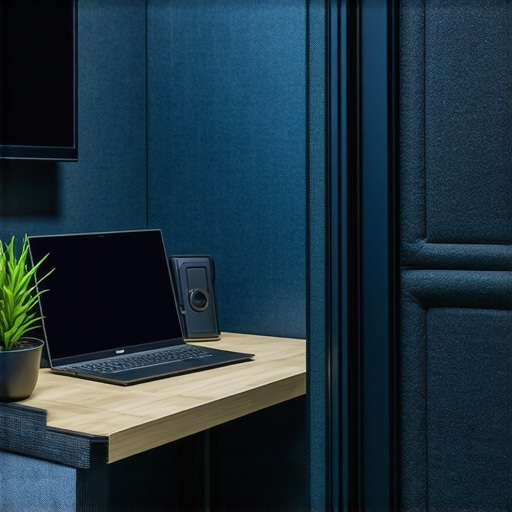
My Personal Journey to a Quieter Workspace
Working from home has always been a dream of mine, but the constant hum of city life and household noises made it challenging to focus. I remember the day I decided to create my own soundproof home office booth. It was a game changer. Not only did I gain a quiet space to concentrate, but I also learned a lot about acoustic paneling and noise reduction techniques that I want to share with you today.
The First Step: Assessing My Space and Needs
Before diving into the project, I took a good look at my available space and the noise sources. I realized that the main issues were external street noise and echoes inside the room. To tackle these, I needed a solution that combined sound absorption with noise blocking. It’s fascinating how different materials can make a big difference, and I found that planning is key. For detailed guidance, I checked out resources like DIY step-by-step guides.
Choosing the Right Acoustic Paneling & Noise Reduction Materials
My research led me to acoustic foam panels, mass-loaded vinyl, and dense insulation. I experimented with different combinations to find what worked best for my space. Acoustic panels are great for absorbing sound waves and reducing echoes, while materials like mass-loaded vinyl act as a barrier to block outside noise. I also added thick curtains and rugs to further dampen sound reflections. The process was surprisingly straightforward, and I appreciated the satisfaction of building something myself.
Building My Soundproof Home Office Booth: A Personal Project
With a plan in place, I started assembling my booth using reclaimed wood for the frame, which was both eco-friendly and cost-effective. I lined the interior with acoustic foam panels, carefully sealing gaps to maximize noise reduction. For added insulation, I used dense mineral wool, which I found to be incredibly effective. It was a rewarding experience to see my vision come to life, and I loved customizing the design to fit my aesthetic preferences. If you’re interested in similar projects, you might explore creative DIY crafts.
Why Noise Reduction Makes a Difference
Reducing noise is more than just comfort; it directly impacts productivity and mental well-being. According to soundproofing experts, creating a quiet environment helps improve focus and reduces stress. My own experience confirmed this—being able to shut the door on distractions made my workdays much more enjoyable. I highly recommend anyone working from home consider building a dedicated soundproof booth for a more professional and peaceful workspace.
What Are the Most Effective DIY Noise Reduction Techniques?
This is a question I often get asked, and honestly, the key is layering different materials—sound absorption, insulation, and barriers. Combining acoustic paneling with dense insulation and sealing gaps creates a significant noise reduction. For detailed insights, I suggest reading authoritative sources like DIY guides.
If you’ve ever thought about creating your own quiet home office, I encourage you to share your experiences or ask questions in the comments below. Building a soundproof booth is a rewarding project that pays off in increased focus and peace of mind. Remember, every space is unique, and experimenting with different materials can lead to the perfect solution for your needs.
Innovative DIY Solutions for Superior Soundproofing
When it comes to creating a tranquil home environment, traditional methods often fall short of addressing specific noise issues. As an expert in DIY home improvement, I’ve explored advanced techniques that leverage innovative materials and layered strategies for optimal sound absorption and noise blocking. For instance, combining resilient channels with acoustic foam and mass-loaded vinyl creates a multi-layered barrier that significantly reduces external noise infiltration and internal echoes. This approach not only improves acoustic quality but also enhances privacy, especially in shared living spaces.
Optimizing Material Selection for Maximum Impact
Choosing the right materials is crucial. Dense mineral wool insulation, when used behind drywall, provides excellent sound absorption, while acoustic panels made from eco-friendly recycled fibers offer an aesthetic and functional upgrade. To enhance effectiveness, sealing all gaps and joints with specialized acoustical sealant prevents sound leaks, ensuring the integrity of your soundproofing system. For eco-conscious DIYers, exploring natural alternatives like sheep wool or recycled cotton insulation can be both sustainable and effective. For comprehensive guidance, consider reviewing detailed DIY guides.
Sealing and Decoupling: The Hidden Keys
One often overlooked aspect is the importance of sealing and decoupling structures. Using resilient clips and decoupling clips between the drywall and framing minimizes vibrational transmission, a common culprit of noise leakage. Additionally, installing acoustic caulk around electrical outlets, window frames, and door jambs further prevents sound infiltration. These meticulous steps, while seemingly minor, contribute profoundly to the overall performance of your DIY soundproofing project.
Personalizing Your Acoustic Treatment for Aesthetic Appeal
Integrating soundproofing with interior design is a rewarding challenge. You can conceal acoustic panels behind decorative art, fabric-covered panels, or custom-painted surfaces. This not only maintains your aesthetic vision but also maximizes space utilization. For example, fabric-wrapped panels made from recycled textiles can serve as stylish wall art while enhancing sound absorption. If you’re interested in exploring more creative ideas, check out DIY home decor projects.
What Are the Most Effective Layered Strategies for DIY Home Soundproofing?
Layering different materials—such as insulation, resilient mounts, and absorptive panels—creates a synergy that amplifies noise reduction. For a deeper dive into complex yet practical techniques, authoritative sources like DIY guides provide invaluable insights. Remember, every space has unique acoustical challenges, and experimenting with combinations tailored to your specific needs is often the key to success.
If you’re passionate about transforming your home into a peaceful sanctuary, I invite you to share your experiences or ask questions in the comments. Building effective DIY soundproofing solutions is both a science and an art, requiring patience, creativity, and attention to detail. Keep experimenting, and you’ll find the perfect balance between form and function for your space.
Mastering the Nuances of DIY Soundproofing: Beyond Basic Materials
After successfully building my home office booth, I began exploring more sophisticated methods to optimize soundproofing. I discovered that integrating resilient channels with mass-loaded vinyl not only enhances noise reduction but also minimizes vibrational transmission, a common overlooked factor. This layered approach, often used in professional settings, can be adapted for DIY projects with careful planning and execution.
How Can Natural and Sustainable Materials Elevate Your Acoustic Environment?
One aspect I found particularly rewarding was experimenting with eco-friendly materials like sheep wool and recycled cotton insulation. These natural options provide excellent sound absorption while aligning with sustainable living principles. Their unique properties, such as breathability and biodegradability, add value beyond just soundproofing. For those interested, detailed guides on incorporating these materials can be found in eco-friendly DIY projects.
What Are the Advanced Sealing and Decoupling Techniques That Make a Difference?
Sealing gaps meticulously with acoustical sealant around outlets, windows, and door frames is vital. I also learned that decoupling the drywall from the framing using resilient clips significantly reduces vibrations that carry sound. These subtle yet impactful modifications require patience and precision but yield substantial improvements. Sharing my experiences, I found that addressing even tiny cracks and joints can dramatically enhance overall soundproofing performance.
Reflecting on Personal Growth and the Art of DIY Acoustics
This journey has deepened my appreciation for the blend of science and craftsmanship involved in creating a peaceful space. Each layer of material and every sealing detail reflects a commitment to quality and understanding that goes beyond simply blocking noise. It’s a process that fosters patience, ingenuity, and a deeper connection with your environment. If you’re passionate about transforming your living space into a sanctuary, I encourage you to explore advanced techniques and share your progress with a community of DIY enthusiasts. For further inspiration, consider browsing creative DIY crafts.
Implementing Resilient Layering for Maximum Noise Isolation
Building upon my foundational work with acoustic foam and mass-loaded vinyl, I delved into the sophisticated realm of resilient decoupling systems. Utilizing resilient channels in conjunction with layered drywall assemblies creates a decoupled structure that significantly diminishes vibrational noise transfer, a common challenge in DIY soundproofing. This approach, often employed in professional studios, can be adapted for home projects with meticulous installation, yielding superior sound isolation results. For detailed methods, I drew insights from industry-standard references like comprehensive DIY guides.
Incorporating Natural and Sustainable Insulation Materials
My exploration extended into eco-friendly insulation options, such as sheep wool and recycled cotton batts. These materials not only offer excellent acoustic absorption but also promote sustainability. Sheep wool, with its inherent moisture regulation properties, enhances indoor air quality while effectively dampening sound waves. Recycled cotton, processed from post-consumer textiles, provides comparable performance with a lower environmental footprint. Integrating these materials behind decoupled drywall panels amplifies noise reduction, aligning with eco-conscious DIY principles. For more on sustainable insulation options, visit eco-friendly DIY projects.
Sealing Gaps and Decoupling Critical Noise Pathways
Attention to detail in sealing gaps around electrical outlets, window frames, and door jambs is crucial. I employed acoustical sealant, which remains flexible and maintains airtight seals over time. Additionally, decoupling electrical boxes from the wall assembly with specialized mounts prevents sound transmission through structural vibrations. These nuanced techniques, while seemingly minor, dramatically enhance overall performance. Precise sealing also involves addressing penetrations for cables and pipes, employing grommets and sealant compounds to maintain airtightness and acoustic integrity. For expert-level guidance, I recommend reviewing advanced DIY soundproofing techniques.
Enhancing Aesthetic Integration with Acoustic Treatments
To maintain aesthetic harmony, I personalized acoustic panels using decorative textiles, embedding sound-absorbing materials behind fabric coverings that complement my interior decor. Artful arrangements of panels or creatively painted surfaces serve dual purposes: functional soundproofing and artistic expression. For example, fabric-wrapped panels made from recycled textiles blend seamlessly into my workspace, transforming noise mitigation into a design feature. If you’re interested in aesthetic integration, explore home decor ideas for inspiration.
What are the most advanced layered strategies for DIY home soundproofing?
Combining resilient decoupling systems with high-density insulation, airtight sealing, and strategic placement of absorptive panels creates an intricate barrier that tackles multiple noise pathways simultaneously. This multi-layered approach, supported by professional acoustical engineering principles, ensures optimal noise reduction tailored to specific environments. For a deep dive into these techniques, I recommend consulting expert DIY guides. I invite you to share your experiences or ask questions—mastering these advanced strategies can transform your space into a true sanctuary of silence and focus.
Things I Wish I Knew Earlier (or You Might Find Surprising)
The Hidden Power of Sealing Gaps
One of the biggest surprises in my DIY soundproofing journey was how much tiny gaps and cracks could undermine the entire project. Sealing even the smallest openings with acoustical sealant made a drastic difference in noise reduction, far beyond what I initially expected. It’s a detail that can easily be overlooked but is absolutely essential for success.
The Value of Layering Materials
I used to think that just adding acoustic panels would do the trick, but I discovered that layering different materials—like insulation behind drywall, acoustic foam, and mass-loaded vinyl—creates a much more effective barrier. Combining these layers turned my space into a peaceful retreat from noise.
Decoupling Structures Matters
Decoupling, or isolating structures to prevent vibrations from transmitting noise, was a concept I only grasped after some trial and error. Using resilient clips and decoupling drywall from framing significantly reduced noise transfer, and it’s a technique I highly recommend exploring if noise is a persistent problem.
Natural Materials Can Be Both Eco-Friendly and Effective
I experimented with sheep wool and recycled cotton insulation, and I was amazed at how well they absorbed sound while being sustainable choices. Incorporating eco-friendly materials not only helped me reduce my environmental footprint but also improved the overall soundproofing quality.
Patience and Precision Are Key
Finally, I learned that patience and attention to detail make all the difference. Rushing through sealing or installing materials can leave gaps or weak spots. Taking my time, double-checking every joint, and ensuring proper installation consistently resulted in better noise mitigation.
Resources I’ve Come to Trust Over Time
- Soundproofing Company Websites: Expert advice from reputable soundproofing companies helped me understand complex concepts like decoupling and layered barriers. Their detailed guides are invaluable for DIY enthusiasts.
- DIY Guides on DIYKUTAK: The comprehensive step-by-step instructions available here made my projects manageable and fun, even for a beginner.
- Eco-Friendly Building Material Sources: Learning about sustainable insulation options from trusted eco DIY sites inspired me to choose greener materials without sacrificing performance.
Parting Thoughts from My Perspective
Looking back, my DIY soundproofing project was more than just a home improvement task; it was a journey of discovery. I realized that effective noise reduction is all about layered strategies, meticulous sealing, and patience. If you’re considering building your own soundproof space, I encourage you to start small, experiment with different materials, and don’t be afraid to learn from your mistakes. It’s incredibly rewarding to create a peaceful environment that truly feels like your own sanctuary. If this resonated with you, I’d love to hear your thoughts or experiences—feel free to drop a comment below or explore more DIY ideas on DIYKUTAK. Happy building!
I found this post incredibly insightful—especially the emphasis on layering different materials for effective soundproofing. It’s clear that a one-size-fits-all approach rarely works when dealing with acoustics; rather, tailoring the layers to your specific space is key. When I tried my own DIY booth, I initially relied solely on acoustic foam, but soon realised that sealing gaps and adding insulation behind drywall dramatically improved the results. I also experimented with eco-friendly options like recycled cotton and sheep wool, which not only contributed to sustainability but also enhanced the overall sound absorption. Has anyone else here used natural materials successfully? I’d love to hear about your experiences or any tips for integrating aesthetics with function, as I’ve found it’s a great way to make the space both effective and visually pleasing.