
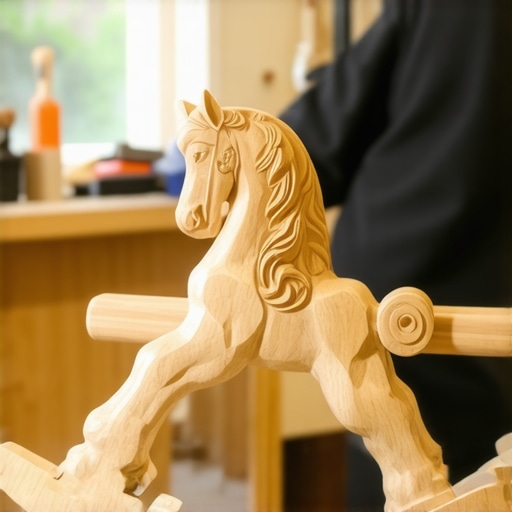
Have you ever spent hours meticulously carving a piece of wood, only to realize later that a small mistake could ruin the entire project? I vividly remember the first time I attempted to craft a wooden heirloom rocking horse. Excitement turned to frustration when I realized that my initial cuts weren’t precise enough, and the intricate details I envisioned became a daunting challenge.
Building a wooden heirloom rocking horse isn’t just about cutting and assembling; it’s an art that requires advanced crafting skills and a keen eye for detail. If you’re like me, eager to create a timeless piece that can be treasured for generations, then mastering the advanced tips for crafting and carving is essential. Today, I’ll guide you through the techniques that transformed my projects from good to exceptional, ensuring your heirloom piece stands out with craftsmanship and durability.
Why Advanced Crafting & Carving Matter in Creating a Heirloom Rocking Horse
When it comes to heirloom-quality wooden toys, every detail counts. From the smoothness of the surface to the strength of joints, each element must be carefully crafted to withstand years of play and admiration. Advanced techniques in carving and assembly help prevent common pitfalls like wood splitting, uneven surfaces, and fragile joints that can compromise the longevity of your masterpiece.
Moreover, understanding the nuances of wood behavior—how it reacts to carving tools, finishing products, and environmental factors—can make or break your project. Implementing expert tips not only elevates the aesthetic appeal but also ensures safety and durability. For example, using specific tools for delicate detailing or applying eco-friendly finishes that penetrate the wood can significantly enhance your work’s quality.
Throughout my journey, I learned that the key to a stunning heirloom piece is patience and precision. Early on, I made a crucial mistake by rushing through the carving process, which resulted in uneven edges and splinters. That experience taught me the importance of selecting the right tools and taking the time to refine each detail meticulously. If you want to avoid similar setbacks, I recommend exploring comprehensive guides on advanced woodworking techniques, such as step-by-step DIY guides that cater to all skill levels.
Now, with a clear understanding of why mastering these advanced tips is vital, we can delve into the practical steps that will elevate your woodworking skills and help you craft a rocking horse that becomes a treasured family heirloom. Ready to transform your woodworking journey? Let’s get started!
Is Building a Wooden Heirloom Rocking Horse Actually Worth the Hype?
One common skepticism I faced early on was whether investing time and effort into such a detailed project truly pays off. The truth is, the satisfaction of creating a unique, handcrafted heirloom far outweighs the initial challenges. Plus, learning advanced carving techniques not only improves your craft but also opens doors to other complex projects like creative home decor crafts that can beautify your living space.
My early mistake was underestimating the importance of proper wood selection and finishing. Choosing the wrong type of wood or neglecting to seal it properly led to cracks and wear over time. That taught me a valuable lesson: the foundation of a successful project lies in understanding materials and applying advanced techniques from the beginning. To avoid such pitfalls, I recommend reviewing detailed tutorials and expert advice available at DIY projects for beginners.
Armed with this knowledge, you’ll be better prepared to craft a rocking horse that not only looks beautiful but also lasts for generations. Let’s explore the advanced tips that will make your project truly exceptional.
,
Precision Cutting and Shaping
Start with high-quality, sharp tools like a fine-toothed saw and a detail carving knife. When I crafted my first horse, I used a jigsaw for the main cuts but switched to a fine saw for the detailed areas, which resulted in cleaner lines and less splintering. Always cut along the grain and avoid rushing; patience ensures smoother edges and reduces the risk of damaging the wood. Use a sanding block or fine-grit sandpaper to refine edges and surfaces, ensuring a safe and comfortable finish for a child’s touch.
Carving Fine Details
For intricate features like the horse’s mane or eyes, employ rotary tools with precision bits or small gouges. During my project, I used a Dremel with a fine engraving bit to add detailed textures to the mane, which brought the piece to life. Work slowly and frequently step back to assess symmetry and proportion. For softer woods, gentle carving prevents splinters and maintains detail integrity. Remember, the key is to work gradually, removing small amounts of material at a time.
Joint and Connection Strengthening
Use traditional joinery techniques such as mortise and tenon, dovetails, or dowel joints for the main assembly. I once attempted to glue the joints without reinforcement, which caused a weak connection over time. Instead, drill precise holes for dowels or use corner blocks for added stability. Applying wood glue and clamping firmly during drying ensures a tight fit. For added durability, consider reinforcing joints with discreet metal pins or screws, especially in load-bearing areas like the base and neck.
Finishing and Surface Treatment
Choose natural, eco-friendly finishes like beeswax or tung oil. During my project, I applied multiple thin coats of tung oil with a soft cloth, allowing each layer to penetrate and cure. This enhances the wood’s natural beauty and provides a protective barrier against moisture and wear. Always sand lightly between coats for a smooth, heirloom-quality surface. For safety, avoid toxic paints or finishes—opt for those rated safe for children’s toys.
Environmental and Material Considerations
Select hardwoods like maple, cherry, or birch for strength and aesthetic appeal. I learned the importance of choosing stable, well-seasoned wood to prevent warping. Store your wood properly in a dry environment before starting, and always work with wood that’s free of knots and cracks. This reduces the chances of splitting during carving or assembly. To further enhance durability, consider sealing the entire piece with a clear, non-toxic sealer that penetrates deeply into the wood grain.
Final Assembly and Quality Checks
Assemble your parts carefully, checking for alignment and balance. During my last project, I used a digital level to ensure the horse sat evenly on its base, preventing wobbling. Test the joints under gentle pressure to identify weak points and reinforce as needed. Sand any rough edges or splinters, and double-check all painted or finished surfaces for smoothness. A well-assembled, carefully finished horse will last for generations and become a cherished family heirloom.

Many enthusiasts start with the assumption that simple techniques suffice for creating heirloom-quality wooden toys. However, this is a misconception. The truth is, most people underestimate the importance of understanding nuanced material behavior and advanced joinery. For example, a common myth is that just gluing joints is enough for durability. In reality, incorporating techniques like mortise and tenon or dovetail joints significantly enhances the longevity and strength of the piece, especially in load-bearing areas. This advanced approach prevents common issues such as joint failure or wood splitting over time.
Another frequent mistake is neglecting to consider environmental factors during storage and finishing. Many DIYers think that a quick coat of paint or varnish is sufficient. Yet, advanced woodworkers know that proper sealing and environmental acclimatization are crucial. For instance, using eco-friendly finishes like tung oil, applied in thin layers and allowed to cure fully, protects the wood from moisture and temperature fluctuations, which are especially damaging to heirloom pieces. Failing to do this can lead to cracks, warping, or deterioration over the years.
What is the Hidden Nuance in Carving Details for Heirloom Toys?
One often overlooked aspect is the precision and consistency in carving intricate details. Many beginners focus on the overall shape, but advanced artisans pay close attention to subtle textures and proportional harmony. Using rotary tools with specific bits and working slowly helps achieve delicate features like the horse’s mane or expressive eyes. This meticulous attention to detail, combined with understanding wood grain flow, ensures that the carvings remain durable and visually striking over time. According to woodworking expert Sam Maloof, mastering these fine details is what separates a good heirloom from a great one.
Have you ever fallen into this trap? Let me know in the comments. Mastering these nuances can elevate your craft from a simple project to a timeless heirloom, ensuring your work endures for generations to come.
Maintaining your woodworking tools and understanding the right methods for upkeep are crucial for ensuring your heirloom projects stand the test of time. Over the years, I’ve learned that investing in high-quality tools and knowing how to care for them can significantly impact the durability and precision of your craft. In this post, I’ll share my personal recommendations for tools and maintenance routines that have helped me achieve professional results and extend the lifespan of my equipment.
Choosing the Right Tools for Precision and Durability
For advanced woodworking, I always recommend investing in **Japanese saws** like the Dozuki. Their fine-toothed blades provide clean cuts and require less force, reducing the risk of splintering or damaging delicate parts. I personally prefer the **SUIZOKU Dozuki** because of its sturdy construction and razor-sharp blade that stays sharp longer, saving me time and effort during detailed carving or joinery.
In addition, a **variable speed rotary tool** like the **Dremel 4000** equipped with a range of precision bits is invaluable. I use mine for carving detailed textures and adding fine features to my heirloom pieces. The variable speed allows me to control the carving process carefully, avoiding overcutting or splitting the wood.
Essential Maintenance Practices
Regular cleaning and sharpening are vital. I sharpen my saw blades and carving bits every few projects using a **Diamond Sharpening Stone**. This maintains cutting efficiency and prevents uneven cuts that can compromise your project’s integrity. For power tools, I use compressed air to blow out dust and debris after each session, which helps prevent overheating and mechanical wear.
Lubrication is another often-overlooked step. I apply a light coat of **dry lubricant** to my rotary tool’s moving parts to keep them operating smoothly. For hand tools, a few drops of **linseed oil** on the wooden handles prevent cracking and splintering over time.
Tools I Recommend for Long-Term Results
To achieve heirloom-quality finishes, I rely on **high-quality brushes** like those from Winsor & Newton for applying eco-friendly finishes such as tung oil or beeswax. These brushes hold a fine point and distribute finishes evenly, resulting in a smooth, durable surface. For sealing, I prefer a **non-toxic, food-safe sealant** like Rubio Monocoat, which penetrates deeply and enhances the wood’s natural beauty.
Future Trends in Tool Development
Looking ahead, I predict a rise in **smart power tools** equipped with sensors that monitor wear and suggest maintenance schedules. Integration with mobile apps could provide real-time feedback on sharpening needs or lubrication points, making tool upkeep more intuitive and less time-consuming.
How do I maintain my woodworking tools over time?
The key to maintaining your tools is consistency. Regularly clean blades and bits after each use, sharpen them before they become dull, and store them in a dry, temperature-controlled environment. Periodically inspect power tools for loose screws or worn belts, and follow the manufacturer’s maintenance recommendations. Incorporating these habits will ensure your tools remain reliable and precise for all your advanced woodworking projects.
Try out sharpening your rotary tools with a diamond stone this week—it’s a game-changer for maintaining carving detail and ensuring your heirloom pieces look professional and last for generations.
For more expert tips on maintaining your woodworking equipment, visit this guide on advanced tool care.
The Hardest Lesson I Learned About Crafting Wooden Heirlooms
One of the most valuable lessons I discovered was the importance of patience and meticulous attention to detail. Rushing through the carving or assembly often led to mistakes that compromised the quality of the heirloom. Taking the time to refine each element, from the smoothness of the surface to the strength of joints, made all the difference in creating a piece that truly stands the test of time.
3 Myths About Advanced Carving That Held Me Back
I used to believe that mastering advanced carving techniques was only for seasoned woodworkers. However, I learned that with the right guidance and practice, even beginners can achieve impressive results. Another myth was that expensive tools are necessary; in reality, proper technique and patience matter more than costly equipment.
What Experts Won’t Tell You About Selecting Wood for Heirloom Projects
Many overlook the significance of choosing stable, well-seasoned hardwoods like maple or cherry. These materials resist warping and cracking over time, ensuring longevity. I found that understanding how different woods react to carving and finishing processes is crucial for success in heirloom woodworking.
Curated Recommendations for Elevating Your Wooden Heirloom Craftsmanship
- Japanese Dozuki Saw: I trust this tool for its precision and clean cuts, essential for detailed work.
- Diamond Sharpening Stone: Keeps my blades and bits sharp, ensuring smooth carving and lasting edges.
- Eco-friendly Finishes (Tung Oil & Beeswax): Enhance the natural beauty of the wood while providing durable protection.
- Online Tutorials from DIY Guides: Platforms like DIY Guides offer invaluable step-by-step insights to refine your skills.
Your Turn to Try: Embrace the Art of Timeless Woodworking
Now that you’ve uncovered some of the hidden secrets and advanced techniques, it’s time to bring your vision to life. Remember, creating a wooden heirloom isn’t just about craftsmanship; it’s about pouring your heart into a piece that will be cherished for generations. So pick up your tools, start carving with patience, and let your creativity flourish. Have you ever struggled with a specific step in heirloom woodworking? Share your experiences below and let’s grow together in this timeless craft.
This is such a detailed and insightful post that really highlights the importance of patience and precision in heirloom woodworking. I’ve been passionate about creating custom furniture, and I totally agree that advanced techniques such as mortise and tenon joints make a huge difference in the longevity and strength of a piece. When I first started, I underestimated how critical choosing the right wood is; I once used softwoods that warped or cracked over time, which was frustrating. Since then, I’ve switched to using seasoned hardwoods like cherry or maple, just as you recommend.
One thing I’ve noticed is the impact of environmental factors—proper storage and sealing seem to be often overlooked by beginners but are vital for heirloom quality. Do you have any tips on how to best acclimate wood in varying climates before starting a project? I’d love to hear more about how seasoned wood should be stored or conditioned for optimum results.
This post really resonates with my experience, especially the emphasis on patience and meticulous detail. I’ve found that taking the time to learn about the natural grain flow of the wood makes a noticeable difference in the final appearance of heirloom projects. I completely agree that using seasoned hardwoods like cherry or maple is crucial; I’ve had less warping or splitting with properly cured wood. Regarding storage, I typically keep my wood in a dry, stable environment for several weeks before use, and I make sure to check for any signs of moisture or cracks.
Your point about acclimatisation is spot on. Do you advise storing wood in a particular way for those in more humid or variable climates? Are there specific practices that help maintain the wood’s stability during the project?