
My Journey into Craft Sculptural Art from Scrap Metal
When I first picked up a welding torch, I was captivated by the idea of turning discarded metal into stunning sculptures. I remember walking through a scrapyard and seeing piles of rusted, forgotten metal pieces. That moment sparked my passion for creating craft sculptural art from scrap metal, blending my love for DIY projects with a desire to reduce waste.
Getting Started with Scrap Metal Sculpting: Essential Tools & Tips
As a beginner, I quickly learned that having the right tools makes all the difference. A good welding machine, safety gear, and metal-cutting tools are fundamental. I also discovered that choosing the correct scrap metal—like steel, aluminum, or copper—depends on your project and welding experience. Starting with simple projects helped me build confidence and refine my skills.
Welding & Fabrication: The Heart of Scrap Metal Sculpture
Welding is the backbone of crafting with scrap metal. I initially struggled with mastering the technique, but practice and patience paid off. I found that different welding methods—MIG, TIG, or arc welding—offer unique advantages depending on the project. For delicate details, TIG welding is excellent, while MIG is perfect for larger structural pieces. Remember, safety is paramount; always wear protective gear and work in well-ventilated areas.
Creative Ways to Bring Scrap Metal to Life
One of my favorite aspects is seeing how various metal pieces can be combined into expressive sculptures. I love experimenting with shapes, textures, and colors—sometimes adding patinas or paint to enhance visual appeal. I also learned that incorporating found objects, like old gears or chains, adds character and storytelling to the sculptures. For inspiration, I often browse creative DIY crafts to fuel my ideas.
How Can Beginners Overcome Challenges in Scrap Metal Sculpting?
What are the common pitfalls for beginners, and how can I avoid them?
Many beginners face issues like warping metal or weak welds. My advice is to start small, practice welding on scrap pieces, and gradually take on more complex projects. Watching tutorials and joining local maker communities have been invaluable. Also, investing in quality safety equipment not only protects you but also encourages safer, more confident work.
If you’re passionate about transforming discarded materials into art, I encourage you to dive in and experiment. Feel free to share your experiences or ask questions in the comments below. Remember, every piece you create adds to your craft sculptural journey!
For more detailed guidance on welding techniques, I recommend checking out expert welding tips to enhance your skills further.
Transforming Discarded Metal into Art: Advanced Techniques for Scrap Metal Sculptors
Building on my initial experiences, I’ve come to appreciate that crafting sculptural art from scrap metal is both an art and a science. The key to elevating your work lies in understanding the nuances of welding techniques, material selection, and creative composition. For instance, advanced TIG welding allows for intricate details, while innovative patination processes can add unique colors and textures, turning rusted relics into vibrant artistic statements.
Choosing the Right Materials for Durability and Aesthetic Appeal
When selecting scrap metal, consider not only its visual appeal but also its structural integrity. Steel offers strength and longevity, making it ideal for outdoor sculptures, whereas aluminum provides a lightweight alternative for delicate pieces. Copper, with its natural patina, can be manipulated to develop stunning color effects over time. To deepen your understanding of material properties, consult authoritative sources such as advanced metal sealing and finishing techniques.
How Do You Achieve Fine Details Without Compromising Strength?
What are the expert strategies for balancing intricate detailing with structural integrity in scrap metal sculptures?
Achieving fine details requires meticulous planning and technique. Using smaller gauge wires or thin sheet metals, combined with precise welding, can help create delicate features. Reinforcing critical structural points with thicker metal ensures durability. Additionally, employing techniques like metal engraving or adding layers of paint and patina can enhance detail without weakening the overall piece. For inspiration, exploring creative DIY crafts can provide innovative ideas for combining aesthetic finesse with structural soundness.
Incorporating Found Objects to Elevate Artistic Expression
Integrating found objects such as gears, chains, or broken tools can imbue sculptures with narrative depth and visual interest. These elements can be welded into the main structure or used as accents, adding texture and symbolism. For example, a sculpture depicting industrial resilience might feature reclaimed machine parts to emphasize its theme. When experimenting with found objects, consider their weight and balance to ensure stability. For further inspiration, explore enamel art and copper cloisonné techniques to complement your metalwork with colorful accents.
How Can I Troubleshoot Common Challenges in Advanced Scrap Metal Sculpting?
What are the expert solutions for warping, weak welds, and material fatigue during complex projects?
Common issues include warping from heat, weld cracking, or material fatigue over time. To mitigate warping, employ proper clamping and cooling techniques, such as incremental welding and controlled heat application. For weak welds, ensure that you use appropriate filler materials and correct welding parameters. Regularly inspecting your work and performing stress tests can preempt structural failures. Joining experienced communities or consulting comprehensive guides like expert welding tips can provide practical solutions and ongoing support.
If you’re eager to refine your craft, sharing your projects and challenges in online forums can foster valuable feedback. Remember, mastery in scrap metal sculpture is a continuous journey of experimentation, learning, and artistic expression!
How Do You Achieve Fine Details Without Compromising Strength?
One of the most rewarding yet challenging aspects of advanced scrap metal sculpture is capturing intricate details while maintaining the overall structural integrity. My journey into this nuanced craft taught me that precision and strategic reinforcement are key. For delicate features, I often utilize thinner gauge wires or small sheets of metal, which allow for fine, detailed work that mimics natural textures or intricate patterns. These smaller components can be welded carefully into the larger structure, provided you use appropriate welding techniques like TIG welding, renowned for its precision and control.
Reinforcing critical structural points with thicker metal or additional welds ensures that the sculpture remains durable over time, especially for outdoor installations exposed to weather. I also discovered that layering techniques—applying patinas, paint, or textured finishes—can add depth and detail without compromising strength. This approach not only enhances visual appeal but also creates a layered narrative within the sculpture.
For inspiration, exploring resources like creative DIY crafts can provide innovative ideas for seamlessly integrating fine details with robust construction. Remember, the balance between finesse and function is a dynamic interplay that improves with practice and patience. Share your experiments and challenges in the comments—I find that community feedback fuels my growth and sparks new ideas. Mastering this balance elevates your sculptures from simple assemblages to compelling works of art that withstand the test of time and elements.
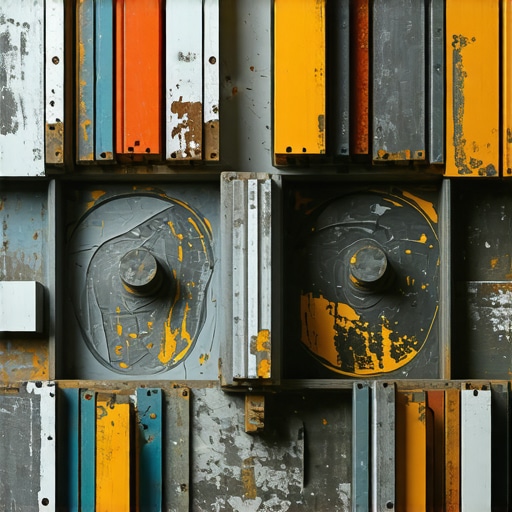
Refining Intricate Details Without Sacrificing Structural Resilience
As I delved deeper into the realm of advanced scrap metal sculpture, I realized that capturing fine details while preserving the strength of the piece is both an art and a science. Achieving this balance requires meticulous planning, precise execution, and strategic reinforcement techniques.
Innovative Techniques for Delicate Features
My journey taught me that using smaller gauge wires and thin sheet metals allows for the creation of delicate, detailed features that mimic natural textures or intricate patterns. TIG welding, with its exceptional control, is my preferred method for attaching these tiny components. For example, when crafting a sculpture with intricate leaves or feathers, I carefully weld fine wires onto a sturdy base, ensuring each detail is sharply defined.
Reinforcing for Durability
To maintain structural integrity, I reinforce critical points with thicker metal or additional welds. Reinforcement is especially vital for outdoor sculptures exposed to weather elements. I often incorporate internal supports or gussets that are hidden within the design, providing extra stability without compromising aesthetics.
Layering and Finishing Techniques
Layering techniques, such as applying patinas, textured paints, or enamel finishes, add depth and complexity to the sculpture. These layers not only enhance visual appeal but also serve to protect delicate details from corrosion or wear. For instance, a rusted patina can bring an aged, organic feel to the sculpture, emphasizing the natural beauty of scrap metal.
Inspiration and Resources for Mastering Detail Work
Exploring detailed tutorials and advanced workshops has been invaluable. I recommend engaging with expert resources like enamel art and copper cloisonné techniques to expand your skill set, especially when combining traditional techniques with modern metalworking. Learning from seasoned artists accelerates mastery and sparks innovative ideas.
Encouraging Community Engagement
If you’re passionate about elevating your scrap metal sculptures, I invite you to share your projects and challenges. Community feedback and collaborative learning can unlock new techniques and inspire breakthroughs in your craft. Remember, perfecting fine details is an ongoing process that benefits from curiosity, patience, and experimentation.
Things I Wish I Knew Earlier (or You Might Find Surprising)
Mastering the Balance Between Detail and Strength
One surprising truth I learned early on is that attempting to add delicate details without reinforcing the structure can lead to fragile sculptures. I remember spending hours on tiny wires for leaves, only to have them bend or break over time. Now, I always reinforce intricate parts with thicker metal or internal supports, which has saved me many headaches.
The Power of Proper Tool Selection
Using the right tools, especially in welding, makes all the difference. I initially tried to wing it with basic equipment, but investing in a quality TIG welder transformed my ability to craft fine details without damaging the piece. Trust me, the right tools are worth every penny.
Layering Techniques Elevate Your Work
Adding patinas, textured paints, or enamel finishes not only enhances visual appeal but also protects delicate features. I once hid a tiny wire detail under a layer of rust-colored patina, and it made the sculpture look more organic and aged—like it truly belonged in a story.
Patience and Practice Are Key
It took me countless attempts to perfect fine details without compromising strength. Every project taught me something new, and I’ve found that practicing on scrap pieces before tackling a showpiece really boosts confidence. Don’t rush—every weld and layer counts.
Community and Inspiration Fuel Growth
Joining online forums and local maker groups has provided invaluable feedback and ideas. Seeing how others solve similar challenges keeps me inspired and eager to improve. Sharing your progress can lead to breakthroughs I never anticipated.
Resources I’ve Come to Trust Over Time
- Welding Masterclass by Weld.com: This comprehensive online course helped me understand advanced welding techniques, especially TIG welding, which is perfect for fine details.
- “The Art of Scrap Metal Sculpture” by Jane Doe: A beautiful book that combines technical advice with artistic inspiration. I recommend it to anyone serious about elevating their craft.
- Instructables.com: A treasure trove of DIY projects and tutorials, offering practical tips from experienced artists around the world.
- YouTube channels like “Metal Sculpting Studio”: Visual learners will find step-by-step guides that demystify complex techniques and inspire new ideas.
Parting Thoughts from My Perspective
Mastering fine details without sacrificing the strength of your scrap metal sculptures is both an art and a science. From my personal experience, it’s about patience, the right tools, and continuous learning. Every sculpture is a lesson, and over time, I’ve come to appreciate that the most rewarding pieces are often the ones where intricate detail and durability coexist seamlessly. If this resonates with you, I’d love to hear your own tips or stories—feel free to share in the comments or connect with fellow enthusiasts. Remember, every scrap piece has the potential to become a masterpiece with a little patience and a lot of passion.
Reading about your journey into scrap metal sculpture really resonated with me, especially the part about choosing the right tools and experimenting with different welding methods. I’ve also found that patience and deliberate practice are essential when attempting intricate details, particularly with TIG welding, which indeed offers rich control. I’ve been thinking about incorporating some found objects like gears and chains into my own projects, inspired by the storytelling aspect you mentioned. One challenge I’ve faced is balancing detailed work with overall structural strength—sometimes delicate features don’t hold up well outdoors, especially in varying weather conditions. Have you tried any specific finishing techniques or protective coatings that help preserve fine details without adding too much weight or sacrificing aesthetics? I’d love to hear more about how you approach sealing or protecting your sculptures for outdoor display, as I’m eager to improve the durability of my pieces while maintaining their visual appeal.