
I remember the first time I tried to craft my own resin keychain. I was so excited to pour the liquid resin into a mold I found online. But after hours of waiting, I pulled out a warped, messy piece that looked nothing like the cute design I envisioned. That moment was a lightbulb for me: my success depended on the right mold. If I had known then how simple and rewarding it was to create my own silicone molds, I would’ve saved so much frustration. Today, I want to share that secret with you.
Why Creating Custom Silicone Molds Matters for Your Crafting Projects
Custom silicone molds open a world of possibilities, especially for resin and soap artisans. They allow you to bring your unique designs to life, rather than relying on generic store-bought molds. Plus, designing your own molds gives you control over the size, shape, and intricate details of your creations. Imagine making personalized jewelry, decorative soaps, or even eco-friendly home decor with ease. Creating your own molds also saves money in the long run. Instead of constantly buying new molds, you can reuse your custom-made ones countless times.
Another compelling reason to learn this skill? The process is surprisingly straightforward. With the right materials and techniques, even beginners can master mold-making in no time. And the best part? It’s a fun, creative process that enhances your overall crafting experience. If you’ve ever faced the disappointment of a mold not capturing detail or sticking to your project, don’t worry. I’ve been there, and I’ll guide you step-by-step to avoid those pitfalls.
Are Custom Silicone Molds Actually Worth the Hype?
Absolutely. Early on, I made the mistake of rushing the curing process, which resulted in bubbles and imperfections. Trust me, patience is key. When I took the time to follow proper mixing, pouring, and curing techniques, my molds turned out crystal clear and perfect for detailed work. That experience taught me the importance of precision and care—lessons I now share with fellow crafters at DIY Kutak.
Creating custom molds isn’t just about aesthetics; it’s about elevating your craft and expanding your creative horizons. Whether you want to craft personalized gifts or start a small business, mastering mold-making can be a game-changer. Ready to dive into the practical steps? Let’s explore how to make your own silicone molds with ease and confidence.
Gather Your Materials and Prepare Your Workspace
Start by collecting high-quality silicone rubber, which is the core material for mold-making. I recommend using a silicone kit designed specifically for crafts, available at your local craft store or online. Clear silicone is preferable because it allows you to see your casting process and results clearly. Set up a clean, well-ventilated workspace with plenty of room to work comfortably. Cover surfaces with newspaper or plastic to protect against spills. I once worked on my balcony, and a little silicone seeped onto my jeans—lesson learned: always prepare your workspace thoroughly.
Create or Select Your Master Model
Your master model is the original object you want to duplicate—be it a resin piece, soap, or even a custom shape. For example, I once used a small decorative leaf I found in my garden as a model. Make sure your model is clean, dry, and free of dust. If your model has intricate details, consider applying a release agent or a thin layer of petroleum jelly to prevent the silicone from sticking. Think of this step as preparing a cake mold before pouring the batter—your master model is the base for your final mold.
Mix and Pour the Silicone Rubber
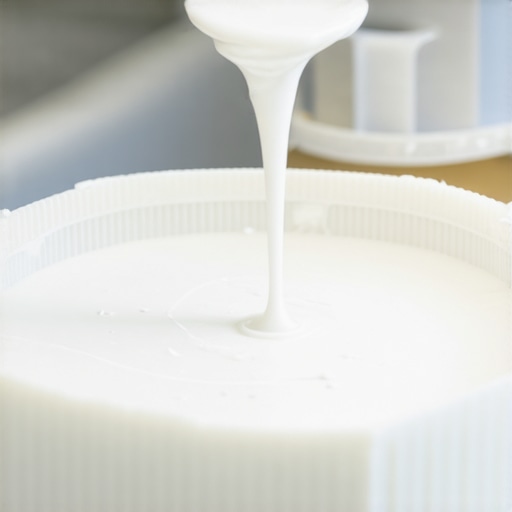
Follow the manufacturer’s instructions carefully to mix your silicone rubber. Usually, this involves mixing equal parts of silicone base and catalyst. Use a stir stick or a clean spatula, and mix thoroughly to avoid bubbles. To reduce air bubbles, pour the silicone slowly into your mold container from one corner and let it flow naturally, as I did when I poured silicone into a small plastic container for my leaf mold—this reduces trapped air and results in a smooth mold surface.
< >
>
Allow the silicone to cure fully—this can take anywhere from 4 to 24 hours depending on the product. Do not disturb the mold during this period; patience is key. I once hurried this step and ended up with a mold full of bubbles, which compromised the detail in my castings. Proper curing ensures a flexible, durable mold that captures every nuance of your model.
Demold and Finish Your Silicone Mold
Once cured, carefully peel away the silicone from your master model. Use gentle pressure and avoid tearing the silicone. Trim any excess silicone or flashing with scissors or a craft knife. Clean the mold with mild soap and water before use to remove any residual release agents or dust. For example, I once cleaned my mold with a soft cloth and mild soap, which kept it in pristine condition for multiple uses. Your mold is now ready to be used for pouring resin or soap mixture—enjoy the process of creating detailed, personalized items with your handmade mold.
Many DIY enthusiasts believe that creating silicone molds is a straightforward process where following basic steps guarantees perfect results. However, this oversimplification leads to frequent mistakes that can ruin your project. One of the most pervasive myths is that silicone molds cure perfectly on their own without attention to detail during mixing and curing. In reality, nuances such as mixing ratios, curing environment, and even silicone quality significantly impact the final outcome.
Nuance: The Importance of Proper Mixing and Degassing
While many assume that stirring silicone just enough is sufficient, advanced mold-making requires thorough mixing to ensure uniformity. Even a slight imbalance in catalyst-to-base ratio can cause incomplete curing, leading to sticky or fragile molds. Additionally, trapped air bubbles are a common trap—these weaken the mold’s structure and obscure fine details. Using a vacuum chamber or applying gentle vibration during pouring can eliminate bubbles, but many beginners overlook this critical step. A study by Materials Science experts highlights how degassing improves the integrity of silicone molds, especially for detailed work.
Myth: Silicone is Completely Inert and No Prep Is Needed
Contrary to popular belief, silicone surfaces can stick to certain models or release agents if not prepared correctly. Applying a dedicated release agent or even a light coating of petroleum jelly can prevent the silicone from adhering to your master model, ensuring clean demolding. Skipping this step often results in tearing or damaging the mold during removal, especially with intricate designs. Proper surface prep is a nuanced but vital step many overlook, which can lead to costly mistakes and rework.
What Advanced Crafters Should Know: How to Achieve Long-Lasting, High-Detail Silicone Molds
For experienced mold-makers, the focus shifts to mold longevity and detail preservation. Using high-quality, platinum-cure silicone enhances durability and maintains flexibility over multiple uses. Additionally, incorporating a mold release before each casting extends the mold’s lifespan. Paying attention to environmental factors—such as temperature and humidity—during curing ensures consistent results. An expert from DIY Kutak recommends curing silicone in a controlled environment to prevent imperfections caused by external factors.
Have you ever fallen into this trap? Let me know in the comments. Mastering these nuances elevates your craft from good to professional-quality results, saving you time, money, and frustration in the long run. For more expert tips on advanced DIY techniques, visit our step-by-step guides.
Maintaining your silicone molds is crucial for ensuring their longevity and optimal performance over time. One of my favorite tools for upkeep is a soft silicone brush, which gently cleans mold surfaces without causing damage or tearing. Regular cleaning prevents resin or soap residue buildup, which can compromise detail and release quality. Additionally, using a silicone-safe lubricant spray before each use forms a protective barrier that minimizes wear and tear, especially for molds with intricate details. I personally rely on a high-quality, platinum-cure silicone conditioner, which I apply periodically to keep molds flexible and prevent cracking. How do I maintain my silicone molds over time? Proper storage is equally important—store molds in a cool, dry place away from direct sunlight, which can degrade the silicone material. Air bubbles trapped during casting can also be a concern; I recommend using a small vacuum pump to degas your silicone before pouring, significantly reducing bubble formation and enhancing detail retention. For detailed cleaning, a mixture of isopropyl alcohol and warm water works wonders in removing stubborn residues without harming the silicone. As expert mold maker The Silicone Institute emphasizes, routine maintenance extends the life of your molds and keeps your projects looking professional. Don’t forget to replace your release agents regularly—using a high-quality, silicone-compatible release spray ensures easy demolding and preserves your mold’s surface. Try incorporating a dedicated cleaning and conditioning routine into your mold-making process to see long-term benefits. For more advanced techniques, explore our home improvement tips and elevate your craft today.
The Hardest Lesson I Learned About Silicone Mold-Making
One of my biggest lightbulb moments was realizing that patience and precision are your best friends when making silicone molds. Rushing through mixing or curing can lead to imperfections that ruin your entire project. Trust me, taking the time to degas the silicone and carefully prep your master model can make all the difference in achieving professional-quality molds.
3 Myths About Silicone Molds That Held Me Back
- Myth 1: Silicone cures perfectly without special care.
Reality: Proper mixing, environment, and degassing are essential for flawless molds. - Myth 2: Silicone is completely inert and needs no prep.
Reality: Surface preparation of your master model with a release agent prevents sticking and tearing. - Myth 3: Silicone molds last forever.
Reality: Regular maintenance and proper storage significantly extend their lifespan.
What Experts Won’t Tell You About Silicone Mold Longevity
High-quality platinum-cure silicone and meticulous curing in a controlled environment ensure your molds stay flexible and detailed over multiple uses. Incorporating a release agent before each pour and routine cleaning with silicone-safe products can dramatically improve your results. These nuanced steps are often overlooked but are vital to mastering durable, high-detail silicone molds.
My Essential Toolkit for Silicone Mold-Making
- Silicone Rubber: I trust brands like Smooth-On for their consistent quality and ease of use.
- Release Agents: A dedicated silicone-compatible spray makes demolding smoother and extends mold life.
- Degassing Equipment: A small vacuum chamber is a game-changer for bubble-free molds.
- Cleaning Supplies: Mild soap, isopropyl alcohol, and soft brushes keep molds in top condition.
Your Turn to Dive In and Master Silicone Mold-Making
Creating your own durable silicone molds is a rewarding skill that elevates your DIY crafts to a new level. With patience, attention to detail, and the right tools, you can produce professional-quality molds for resin, soap, or even jewelry. So, why not start today? Experiment, learn from mistakes, and enjoy the process of turning simple materials into masterpieces. Have you ever struggled with a step in mold-making? Let me know below, and I’ll help you troubleshoot!