
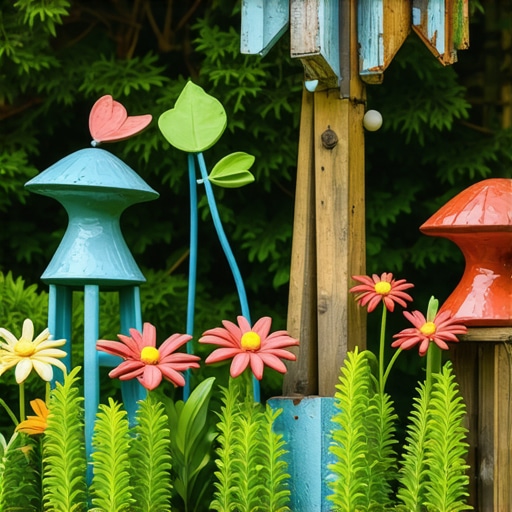
My First Encounter with Recycled Garden Art
I’ll never forget the day I decided to give my garden a new life with eco-friendly art made from recycled materials. As someone passionate about sustainability and gardening, I was eager to combine these interests into a creative project. I started browsing online and found inspiring ideas that encouraged me to repurpose old items into beautiful garden ornaments.
Discovering the Joy of Upcycling
My journey began with collecting discarded objects from around my home and neighborhood. Old broken ceramics, scrap metal, and even unused wooden pallets became my canvas. I learned that upcycling not only reduces waste but also adds a unique charm to outdoor spaces. For example, transforming broken plates into mosaic stepping stones became a rewarding experience, as detailed in this guide.
Creative Ideas for Recycled Garden Art
I experimented with various projects, from constructing planters out of reclaimed wood to crafting whimsical sculptures from scrap metal. Not only did these projects enhance my garden’s aesthetic, but they also deepened my understanding of sustainable practices. I found that incorporating recycled art encourages eco-consciousness among visitors, making my garden an inviting and educational space.
How Can Recycled Materials Inspire Your Garden?
Thinking about your outdoor space, what kind of recycled art could you create? Perhaps you might consider making birdbaths from old teapots or wind chimes from bottle caps. The possibilities are endless, and the process is incredibly fulfilling. For more ideas, explore this collection of creative DIY crafts.
What are some of the challenges I might face when creating eco-friendly garden art?
One challenge is ensuring the safety and durability of recycled materials, especially in outdoor conditions. I recommend researching weather-resistant coatings or treatments to prolong your art’s lifespan. Additionally, sourcing suitable materials might require some patience, but the unique character they bring is worth the effort.
If you’re inspired to try your hand at eco-friendly garden art, I encourage you to start small. Share your creations in the comments or visit this contact page for support. Remember, every bit of upcycled art contributes to a healthier planet and a more beautiful garden.
Transforming Your Garden with Expert DIY Recycled Art
Creating eco-friendly garden art not only beautifies your outdoor space but also showcases your commitment to sustainability. As an expert in DIY projects, I recommend exploring diverse materials and techniques that turn discarded items into stunning garden features. For instance, upcycling old metal scraps into sculptures or converting broken ceramics into mosaic pathways can add unique character and environmental value to your garden.
Advanced Techniques for Durable Recycled Garden Art
One key to successful outdoor recycled art is ensuring durability against weather conditions. Applying weather-resistant coatings, such as eco-friendly sealants or clear epoxy, can significantly extend the lifespan of your projects. For example, when working with scrap metal or wood, using natural oils or eco-friendly varnishes enhances resistance to moisture and UV rays. Additionally, selecting materials with inherent weather tolerance, like certain plastics or treated woods, can reduce maintenance needs over time.
Inspiring Examples of Eco-Friendly Garden Art
Imagine a vibrant wind chime crafted from colorful bottle caps or a whimsical fairy house built from reclaimed pallets. These projects not only serve as focal points but also engage visitors with their innovative use of recycled materials. For inspiration, I suggest checking out this collection of creative DIY crafts that includes outdoor projects tailored for eco-conscious gardeners.
What innovative materials could you incorporate into your garden to maximize sustainability and aesthetic appeal?
Consider incorporating natural elements like stones or clay, which are inherently durable and eco-friendly. You might also explore repurposing old glass bottles into garden lanterns or using recycled fabric scraps for decorative banners. The key is balancing creativity with practicality, ensuring your art withstands outdoor conditions while inspiring environmental consciousness.
For more sophisticated ideas, delve into techniques like creating natural dyes from earth pigments to add vibrant colors to your recycled art pieces. This approach aligns with sustainable practices and produces visually appealing results. Learn more about eco-friendly dyes and paints at this comprehensive guide.
If you’re eager to share your creations or seek expert advice, I encourage you to comment below or reach out through this contact page. Remember, each recycled project not only enhances your garden but also promotes a sustainable future for our planet.
Delving Deeper: The Art of Sustainable Garden Creativity
As I continued exploring the realm of eco-friendly garden art, I discovered that the true magic lies in mastering the nuances of material selection and environmental resilience. For instance, selecting weather-resistant coatings can dramatically extend the life of your creations, transforming simple scraps into enduring masterpieces. I recall experimenting with natural oils and eco-friendly sealants, which not only protected my sculptures but also added a subtle, organic finish that complemented the garden environment. This approach aligns with the principles outlined in this comprehensive guide, emphasizing sustainability without sacrificing durability.
Personal Reflections on the Challenges and Rewards of Upcycling
One of the most profound insights I’ve gained is that creating recycled garden art is as much about patience as it is about creativity. Sourcing suitable materials can sometimes feel like a treasure hunt, requiring a keen eye and a willingness to see potential where others see waste. Yet, every piece I salvaged and transformed became a story of resilience and ingenuity. There’s a deep satisfaction in turning what was discarded into a statement piece—be it a mosaic pathway from broken ceramics or a whimsical sculpture from scrap metal. These projects teach us that sustainability is a journey filled with small victories that collectively make a big impact.
Innovative Materials: Pushing the Boundaries of Eco-Art
Thinking beyond traditional materials opens up limitless possibilities. For example, incorporating natural elements like stones or clay can add texture and authenticity, while repurposed glass bottles can serve as enchanting garden lanterns. I personally experimented with creating vibrant natural dyes from earth pigments, which proved to be both eco-friendly and artistically inspiring. This technique not only yields stunning colors but also reinforces the ethos of sustainability. To dive deeper into such methods, explore this detailed guide. Sharing your own material experiments can inspire a community of environmentally conscious creators—so don’t hesitate to comment with your ideas or ask for tips.
Balancing Artistic Expression with Practicality
One challenge I faced was ensuring my recycled art could withstand the elements without frequent maintenance. To address this, I adopted techniques like applying eco-friendly varnishes and choosing inherently durable materials. For instance, reclaimed wood treated with natural oils became not just beautiful but weatherproof, allowing me to craft garden furniture and ornaments that age gracefully. This balance between aesthetics and practicality is crucial; it transforms simple upcycled objects into functional art pieces that enrich outdoor spaces while honoring sustainability principles.
Invitation to Personalize Your Eco-Garden Journey
Every garden and creator’s journey is unique. I encourage you to reflect on what materials resonate with your environment and personal style. Whether it’s making delicate wind chimes from bottle caps or constructing bold sculptures from scrap metal, each project adds a chapter to your eco-conscious story. If you’re eager to share your experiences or seek personalized advice, visit this contact page. Remember, the beauty of recycled garden art is that it’s never finished—it’s an ongoing dialogue between creativity, sustainability, and personal expression.
Exploring the Art of Material Innovation for Sustainable Garden Creations
In my ongoing journey with recycled garden art, I’ve realized that pushing the boundaries of material experimentation is essential for crafting truly unique and resilient outdoor pieces. Moving beyond conventional scrap metal and ceramics, I began exploring natural dyes derived from earth pigments, which not only add vibrant hues but also deepen the organic authenticity of my work. The integration of these eco-friendly dyes, as detailed in this comprehensive guide, allows for a harmonious blend of artistry and sustainability, elevating the visual impact while maintaining ecological integrity.
Another frontier I ventured into was the use of reclaimed glass bottles, transformed into enchanting lanterns that cast mesmerizing light patterns across my garden. The process involves careful cutting and sealing, ensuring safety and longevity. Such projects exemplify how innovative material reuse can create captivating focal points that are both functional and visually compelling.
Mastering Advanced Weatherproofing for Enduring Outdoor Art
Durability remains a significant challenge in outdoor eco-art, especially when exposed to varying weather conditions. I discovered that applying natural oils, like tung or linseed oil, combined with eco-friendly sealants, can dramatically enhance resistance to moisture and UV degradation. These coatings, when properly applied, form a protective barrier that preserves the integrity of reclaimed wood, metal, and even glass elements, making the artworks withstand the test of time. For detailed techniques, I recommend consulting this expert resource.
Furthermore, selecting inherently weather-tolerant materials, such as certain plastics or specially treated woods, reduces maintenance and ensures the sustainability of your garden sculptures. Incorporating these strategies aligns with my philosophy that eco-art should be as enduring as it is inspiring.
Incorporating Natural Elements for Textural Richness
To add depth and tactile allure, I began integrating natural elements like river stones and clay into my sculptures. These materials, rich in texture and eco-friendly, complement recycled metal and ceramic components beautifully. For instance, embedding polished stones into mosaic pathways creates a multi-sensory experience that invites tactile exploration and visual delight. Such techniques demonstrate how combining natural and recycled materials can produce harmonious, layered designs that elevate garden aesthetics.
How can I leverage eco-friendly practices to push the boundaries of creative expression in my garden art?
One approach is experimenting with natural dyeing techniques from earth pigments, which I’ve found to be both sustainable and artistically rewarding. Additionally, exploring advanced fabrication methods like natural fiber weaving or bio-based resins can open new avenues for innovation. Sharing your discoveries can spark community collaboration—consider documenting your process or engaging with online forums dedicated to eco-conscious DIY projects. For inspiration, visit this collection of creative DIY crafts.
By continuously refining your material palette and technique mastery, you can create garden art that not only beautifies your outdoor space but also embodies the highest standards of environmental responsibility and artistic excellence. Dive deeper into these advanced methods and share your experiences—each project enriches the collective knowledge of sustainable creativity and pushes the boundaries of eco-art innovation.
Things I Wish I Knew Earlier (or You Might Find Surprising)
1. Every Piece Tells a Story
When I first started creating recycled garden art, I underestimated how much character discarded materials could bring. Each broken ceramic or scrap metal became a story element, adding depth and personality to my garden that I couldn’t achieve with store-bought decor.
2. Patience is Key
Finding the right materials and experimenting with techniques can take time. I learned to embrace this process, realizing that the most meaningful pieces often come from persistence and a willingness to learn from mistakes.
3. Weatherproofing Makes All the Difference
Outdoor art faces the elements, so applying eco-friendly sealants or natural oils is essential. My early projects didn’t withstand the weather, but now I focus on durability to ensure my creations last for years.
4. Community Inspiration is Invaluable
Connecting with other DIY enthusiasts through online forums and resource sites like this collection of creative DIY crafts has sparked new ideas and boosted my confidence in tackling ambitious projects.
5. Small Changes Have a Big Impact
Starting with simple projects, like turning bottle caps into wind chimes, can be incredibly satisfying and motivate you to take on larger, more intricate pieces later on.
6. Sustainability and Aesthetics Can Coexist
My most cherished projects are those that balance environmental responsibility with beauty. Upcycling isn’t just eco-friendly; it’s a form of artistic expression that makes your garden uniquely yours.
Resources I’ve Come to Trust Over Time
- DIY Kutak Blog: A treasure trove of practical guides and inspiration for eco-friendly DIY projects, I often revisit their detailed tutorials to refine my techniques.
- Instructables: This community-driven platform offers countless project ideas, step-by-step instructions, and feedback from fellow creators, making it a trustworthy resource for beginners and experts alike.
- Earth Easy: Focused on sustainable living, their articles on natural dyes and eco-friendly materials have profoundly influenced my approach to creating resilient garden art.
Parting Thoughts from My Perspective
Creating eco-friendly garden art through upcycling has transformed not only my outdoor space but also my outlook on sustainability and creativity. I’ve learned that patience, resourcefulness, and a touch of artistic flair can turn discarded items into treasured garden features. If this journey resonates with you, I encourage you to start small, experiment boldly, and share your successes along the way. Whether it’s a mosaic made from broken ceramics or a sculpture from scrap metal, each piece adds to a collective movement toward a greener, more beautiful planet. Feel free to drop your own experiences or ask for tips—I’d love to hear how you’re transforming your garden with recycled materials!
Reading about your journey into eco-friendly garden art was truly inspiring! I recently started experimenting with upcycling old pallets into garden furniture and am amazed at how much character these reclaimed materials can add. Your point about weatherproofing resonated with me; I’ve found that natural oils not only protect the wood but also enhance its organic look, which complements my garden design beautifully. It’s fascinating how small details like embedding river stones or using natural dyes can transform a project into a real piece of art. I’d love to hear more about your preferred eco-friendly sealants—have you found any particular brands or techniques that work best with reclaimed wood or metal? I believe that sharing these practical tips can help more gardeners embrace sustainable creativity more confidently, making gardens not only more beautiful but also more environmentally responsible.
What a beautifully detailed journey into eco-friendly garden art! I totally agree that upcycling not only reduces waste but also adds this really authentic, personal touch to outdoor spaces. I’ve experimented with turning old tires into planters, which seemed simple at first but really made a statement in my garden. Your mention of weatherproofing really struck a chord — I’ve found that natural beeswax finishes work surprisingly well, providing good protection while staying eco-friendly. I wonder, have you ever tried combining recycled materials with natural elements like stones or clay to add more texture and visual appeal? I’d love to hear suggestions on how to seamlessly blend these different textures. Also, do you have any favourite sources for eco-friendly sealants or protective coatings that are both durable and safe for outdoor use? Sharing such insights could help more of us create resilient, sustainable art that lasts and inspires others to adopt eco-conscious practices.
I really enjoyed reading about your creative journey with recycled garden art! Upcycling old ceramics and scrap metal certainly adds a lot of character and uniqueness to outdoor spaces. When I started experimenting with repurposing old tyres into planters, I also faced the challenge of weatherproofing. I found that applying a natural linseed oil finish not only protected the material but also enhanced the rustic look. Have you tried using eco-friendly clear sealants that are specifically designed for outdoor use? I think that blending natural textures like stones or clay with recycled metals can really elevate the aesthetic while maintaining durability. Sharing tips on weather-resistant coatings or creative material combinations can definitely inspire more gardeners to pursue sustainable projects. What are some of the most surprising materials you’ve successfully upcycled? I believe that small projects like these can spark bigger ideas and contribute positively to our environment.