
My Journey into Eco-Friendly Garden Art: A Personal Discovery
Ever since I started transforming my backyard into a sustainable oasis, I realized that garden art could be both beautiful and eco-conscious. I remember the first time I crafted a solar-powered wind chime using recycled materials, and it sparked my passion for creating environmentally friendly outdoor decor.
Why Choose Eco-Friendly DIY Garden Art?
Opting for sustainable garden projects not only reduces waste but also adds a unique personal touch to your outdoor space. I’ve found that using natural and recycled materials makes my garden feel more connected to nature, and I love sharing these ideas with friends who are eager to try their hand at eco-friendly crafts.
Getting Started with Simple and Sustainable Materials
One of my favorite techniques is repurposing old household items. For example, turning worn-out teacups into charming planters adds a whimsical vibe to my garden. Additionally, incorporating natural elements like stones, driftwood, and native plants enhances the eco-friendly aspect. To inspire you further, I recommend exploring resources like this guide on eco-friendly DIY projects.
Creative Ideas for Easy Eco Garden Art Projects
What are some fun and practical DIY projects I can start today?
Here are a few ideas I’ve enjoyed working on:
- Upcycled Bottle Bird Feeders: Using plastic bottles and natural twine, I crafted bird feeders that attract local wildlife without harming the environment.
- Reclaimed Wood Garden Signs: I repurposed scrap wood to create personalized signs, adding charm and functionality to my garden pathways.
- Natural Dyes for Fabric Art: Experimenting with plant-based dyes allowed me to create vibrant, non-toxic colors for outdoor fabric banners and garden flags.
These projects are not only easy but also help reduce waste and promote sustainability. Plus, they make your garden uniquely yours!
Personal Tips for Designing Eco-Friendly Garden Art
When I design my garden art, I always consider the materials’ lifecycle. I prefer biodegradable or recyclable options and avoid plastics when possible. I also like to incorporate native plants, which require less water and maintenance, into my art installations. For detailed tutorials on building raised beds or creating compost bins, I suggest checking out this resource.
How can I make my garden art truly sustainable and eco-friendly?
To ensure your creations are eco-friendly, prioritize materials that are natural, recycled, or locally sourced. Avoid toxic paints or sealants, and opt for organic gardening practices. Sharing your projects and experiences in comments can inspire others to embrace sustainable gardening — I’d love to hear your ideas!
Innovative Techniques for Eco-Conscious Garden Decor: Going Beyond the Basics
As I delved deeper into eco-friendly garden art, I discovered that integrating advanced techniques can elevate your outdoor space while maintaining sustainability. For instance, using natural fiber ropes and biodegradable glues allows for intricate sculptures that naturally decompose over time, leaving no harmful trace. Incorporating repurposed materials like old metal farm tools or vintage glass jars can add an artistic, rustic charm that tells a story of sustainability and creativity.
How Can Advanced DIY Skills Enhance Your Eco Garden Projects?
Developing skills such as natural stone carving or weaving with recycled fabrics can open new avenues for unique outdoor installations. For example, crafting a mosaic from broken ceramic pieces not only recycles waste but also creates a stunning visual focal point. These techniques require patience and precision but provide a rewarding experience that combines artistry with environmental responsibility. For more detailed guidance on creating durable and eco-friendly garden structures, check out this resource.
What Are Some Hidden Opportunities for Eco-Friendly Garden Art?
One often overlooked opportunity lies in fostering biodiversity through art. For example, designing insect hotels using reclaimed wood and natural materials can attract pollinators, which are vital for a thriving garden ecosystem. Similarly, creating living sculptures by training native plants into artistic shapes encourages sustainability and environmental harmony. The key is to blend functionality with aesthetics, ensuring each piece benefits the local ecology while adding visual appeal.
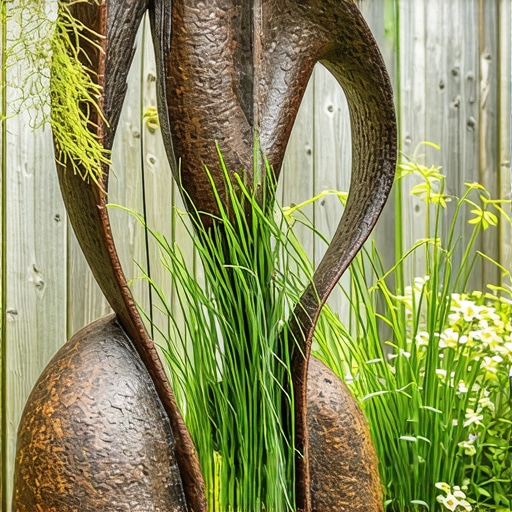
Imagine a garden sculpture made from intertwined native plants and recycled driftwood, seamlessly blending art and ecology.
Can Sustainable Garden Art Be a Community Effort?
Absolutely! Organizing community workshops focused on eco-friendly art techniques fosters collaboration and spreads awareness. Sharing your projects online or hosting local exhibitions not only inspires others but also promotes sustainable practices. Encouraging neighbors to contribute recycled materials or native plants transforms individual efforts into a collective movement towards greener, more beautiful outdoor spaces. To find inspiration and connect with like-minded enthusiasts, explore this collection of DIY ideas.
Deepening the Connection Between Art and Ecology in My Garden Journey
As I continued exploring the realm of sustainable garden art, I found myself delving into more sophisticated techniques that not only enhance the aesthetic appeal but also deepen the ecological impact of my creations. One revelation was the importance of understanding native plant behavior and growth patterns, which allows me to design living sculptures that evolve naturally over time, creating dynamic artwork that tells a living story.
The Nuances of Material Selection for Long-Term Sustainability
Choosing the right materials is more complex than it appears at first glance. For example, when I started using natural fiber ropes, I learned that some fibers, like jute, are biodegradable but susceptible to rapid degradation in damp conditions, whereas hemp offers durability with eco-friendly benefits. Balancing these factors requires a nuanced understanding of local climate conditions and the lifecycle of materials, which I’ve documented in my ongoing projects and shared through personal blog updates.
Integrating Advanced Techniques for Artistic and Environmental Harmony
One technique I adopted involves creating intricate mosaics from broken ceramic tiles sourced from local waste. This method not only recycles waste but also produces stunning visual effects that change subtly with weather and time. To achieve this, I studied the art of natural stone carving, which has a rich history of blending artistic expression with environmental consciousness. The process demands patience and precision but results in durable, eco-friendly art pieces that resonate with the landscape.
How Can Deeper Knowledge of Ecosystem Dynamics Inform Your Garden Art?
Understanding the interplay of pollinators, native flora, and soil health can transform your garden art into a catalyst for biodiversity. For instance, designing insect hotels with reclaimed wood and native plants can support pollinator populations, fostering a more resilient ecosystem. This approach aligns with the philosophy of creating art that is not only beautiful but also beneficial—an idea I encourage you to experiment with and share your findings.
For those interested in expanding their skills further, exploring resources on advanced eco-sculpting techniques can be invaluable. I recommend checking out this guide which offers insights into combining traditional craftsmanship with modern sustainability practices. Sharing your experiences in comments or social media can spark inspiring conversations and collective growth in eco-conscious artistry.
The Power of Community in Sustainable Garden Art
Building a community around eco-friendly practices amplifies the impact. I’ve organized local workshops that focus on advanced techniques like natural dyeing and organic sculpture, drawing participants from diverse backgrounds. These gatherings foster a sense of shared purpose and inspire innovative ideas that I wouldn’t have conceived alone. Collaborating with neighbors to create a collective outdoor gallery turns individual projects into a vibrant mosaic of sustainability and creativity, enriching everyone’s experience.
Harnessing Ecosystem Dynamics for Artistic Innovation in Your Garden
Delving deeper into the intricacies of native plant behavior reveals a wealth of opportunities for creating dynamic, living art installations that evolve harmoniously with their environment. Understanding pollinator pathways, seasonal growth cycles, and soil microbiomes enables me to design sculptures and plant arrangements that not only captivate visually but also bolster ecological resilience. For instance, integrating native flowering plants with structural elements like reclaimed wood or metal can attract pollinators while providing aesthetic focal points. Such projects exemplify how artistic expression can serve as a catalyst for biodiversity enhancement, fostering a symbiotic relationship between creativity and conservation.
Refined Material Selection: Balancing Durability with Eco-Consciousness
Choosing materials for long-term sustainability demands a nuanced approach. I’ve found that natural fibers such as hemp and jute offer excellent biodegradability, but their lifespan varies with climatic conditions. Hemp’s resilience in humid environments makes it suitable for outdoor sculptures, while jute’s rapid decomposition can be advantageous for temporary installations. Incorporating eco-friendly sealants derived from plant-based resins extends durability without compromising ecological integrity. Additionally, sourcing reclaimed metals and glass ensures that each element in my projects embodies sustainability, creating a narrative of reuse and environmental respect. Exploring resources like this guide has been invaluable for mastering advanced material integrations.
Innovative Techniques Elevating Eco-Designs
Natural mosaics crafted from broken ceramic tiles or repurposed glass shards exemplify advanced eco-techniques that blend artistry with waste reduction. I’ve experimented with natural binding agents, such as plant-based resins and biodegradable glues, to assemble these intricate pieces, ensuring that the final work decomposes harmlessly over time. Moreover, employing natural dyeing methods—using foraged plants and minerals—enables me to create vibrant, lightfast colors that enhance the visual impact while remaining environmentally friendly. These techniques require patience and precision but yield compelling, durable art that resonates with the landscape’s organic rhythms. For in-depth tutorials on such methods, I recommend visiting this resource.
Integrating Ecological Functionality into Artistic Structures
Designing with an ecological purpose in mind transforms garden art into functional ecosystems. Building insect hotels from reclaimed wood, with compartments filled with native plant stems, not only attracts beneficial insects but also adds an architectural element to the landscape. Creating living sculptures—such as topiary trained into artistic forms—integrates native flora into visual compositions that change naturally over seasons. This approach aligns with the principles of permaculture, where aesthetic and ecological objectives coalesce seamlessly. I encourage you to explore this collection for innovative ideas on blending functionality with art.
Empowering Communities through Collaborative Eco-Art Projects
Community involvement amplifies the reach and impact of sustainable garden art. Organizing workshops focused on advanced techniques like natural dyeing, organic sculpting, and biodiverse planting fosters collective creativity and environmental stewardship. Sharing progress through online platforms and local exhibitions inspires others to adopt eco-conscious practices, creating a ripple effect of sustainability. Collaborative projects—such as mural mosaics using recycled ceramics or community-built insect hotels—transform individual efforts into vibrant mosaics of collective ingenuity. To connect with passionate practitioners, I recommend exploring this collection of DIY ideas.
Inviting Engagement: Your Next Steps in Eco-Art Innovation
If you’re eager to deepen your mastery of sustainable garden art and explore advanced techniques, I invite you to share your experiences or ask questions. Engaging with a community of passionate creators not only enhances your skills but also enriches the collective knowledge pool. Whether it’s experimenting with natural materials, designing ecological sculptures, or organizing community projects, every step advances the movement toward environmentally harmonious artistry. Dive into the resources available and consider reaching out via this contact page to start your eco-creative journey today.
Things I Wish I Knew Earlier (or You Might Find Surprising)
1. The Power of Small Changes
Looking back, I realize that starting with tiny, manageable projects made a huge difference. I used to feel overwhelmed by the idea of creating an entire eco-friendly garden, but focusing on simple crafts like repurposing old jars into planters helped me build confidence and momentum.
2. Material Matters More Than You Think
Choosing the right materials can make or break your project’s sustainability. I learned that natural fibers like hemp not only last longer outdoors but also decompose gracefully when the time comes. It’s a subtle but vital detail that I wish I had known from the start.
3. The Joy Is in the Process, Not Just the End Result
One of my most cherished lessons is that creating eco-friendly garden art is as much about the journey as the finished piece. Each recycled bottle or natural dye experiment became a meditation, connecting me more deeply with nature and my surroundings.
4. Community Can Amplify Your Impact
Sharing my projects with friends and neighbors sparked collaborations and inspired collective efforts. Hosting small workshops turned into a wonderful way to spread awareness about sustainable practices and learn from others’ experiences.
5. There Are Hidden Opportunities Everywhere
I found that even discarded materials like broken ceramics or old metal scraps can be transformed into stunning art, revealing that waste isn’t the end but a new beginning. This mindset shifted my entire approach to sustainability and creativity.
Resources I’ve Come to Trust Over Time
- Eco-Friendly DIY Projects Guide: This comprehensive resource taught me how to make bio-enzyme cleaners from kitchen waste, emphasizing natural, biodegradable ingredients. It’s my go-to for sustainable cleaning hacks.
- Native Plant Society: Their detailed guides on local flora helped me select native plants that thrive naturally, reducing water and maintenance. A must-visit for any eco-conscious gardener.
- Natural Dyes from Plants: I discovered this site that offers step-by-step tutorials on plant-based dyeing, which added vibrant, eco-safe colors to my fabric art.
- Community Gardening Networks: Connecting with local groups has opened doors to shared tools, seeds, and knowledge, making my sustainability journey more vibrant and supported.
Parting Thoughts from My Perspective
Embracing eco-friendly garden art has profoundly enriched my outdoor space and my life. It’s a fulfilling blend of creativity, sustainability, and community spirit. I hope my reflections and trusted resources inspire you to start or deepen your own journey into environmentally conscious gardening and art. Remember, every small step counts, and the collective effort can lead to beautiful, resilient landscapes. If this resonated with you, I’d love to hear your thoughts or experiences. Feel free to share your stories or ask questions — let’s grow our green and creative communities together!