
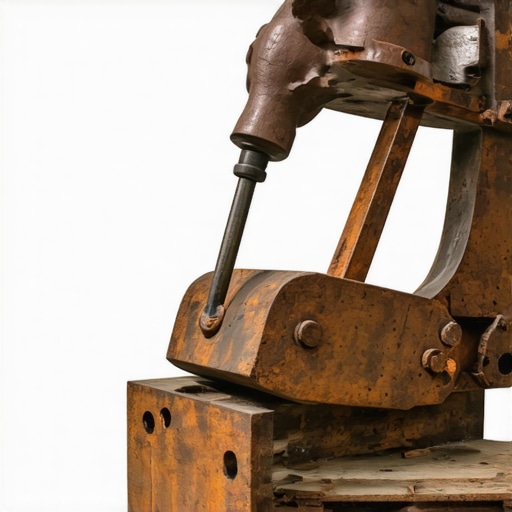
My First Encounter with Scrap Metal Art: A Spark of Inspiration
It all started on a rainy weekend when I stumbled upon a pile of discarded metal scraps in my neighbor’s yard. As an avid DIY enthusiast, I saw potential where others saw trash. My curiosity was piqued, and I decided to explore the world of sculptural art from scrap metal using welding & fabrication techniques. That initial project ignited a passion that transformed my approach to creativity and eco-friendly art.
Discovering the Power of Welding in Creating Sculptural Masterpieces
Welding, a skill I initially thought was reserved for industrial settings, became my gateway to turning scrap metal into stunning sculptures. Through online tutorials and guidance from experienced welders, I learned how to join different metal pieces securely and creatively. The beauty of welding lies in its versatility; I could shape abstract forms or realistic figures, all while repurposing materials that would have otherwise gone to waste. For example, I crafted a dynamic kinetic sculpture that moves with the breeze, using scrap rods and sheets, which truly amazed my friends and family.
Fabrication Techniques: Turning Raw Metal into Art
Fabrication, involving cutting, bending, and assembling metal parts, allowed me to add intricate details to my sculptures. I invested in a good set of tools—angle grinders, metal cutters, and clamps—and started experimenting with different textures and finishes. The process of welding and fabrication is both technical and artistic; it requires patience and an eye for design. One of my proudest creations is a life-sized animal sculpture made from old pipes and sheets, which now sits proudly in my garden. The satisfaction of creating something beautiful from discarded materials is truly unmatched.
What Makes Scrap Metal Sculptures Truly Unique?
Every piece I create tells a story—about sustainability, creativity, and respect for materials. Scrap metal offers a vast palette of textures, colors, and forms, making each sculpture a one-of-a-kind masterpiece. Plus, working with recycled materials aligns with my environmental values, reducing waste and promoting eco-conscious craftsmanship. According to industry experts, such as those at American Craftsmen, turning scrap into art not only enhances aesthetic appeal but also fosters sustainable practices in the arts.
How Can I Start Creating My Own Scrap Metal Sculptures?
If you’re inspired to begin your journey in sculptural art from scrap metal, start small. Gather scrap materials, invest in basic welding gear, and explore online tutorials or local workshops. Remember, safety first—always wear protective gear. Experiment with different shapes and techniques, and don’t be afraid to make mistakes. Over time, you’ll develop your style and perhaps even create a portfolio of eco-friendly art that makes a statement.
If you’d like some practical guidance or want to share your experience, I invite you to reach out through my contact page. Happy welding!
Unleashing Creativity with Advanced Scrap Metal Fabrication Techniques
Building upon the foundational skills of welding and basic fabrication, advanced techniques open up a world of possibilities for seasoned artists. Techniques such as **tack welding**, **gas metal arc welding (GMAW)**, and **metal forging** enable the creation of intricate, durable sculptures that showcase sophisticated design and craftsmanship. For instance, incorporating **metal forging** allows for shaping and detailing that mimic natural forms or abstract art, elevating your work from simple assemblies to complex masterpieces.
Designing with Recycled Materials: From Concept to Reality
Designing compelling sculptures from scrap metal involves a keen eye for **material selection**, **texture harmony**, and **structural stability**. As an expert, I recommend starting with a clear concept—whether it’s an organic animal figure or an abstract kinetic piece—and then selecting scrap components that lend themselves to that vision. For example, old bicycle parts can be transformed into dynamic limbs or joints, adding movement and storytelling to your art. To refine your designs, consider sketching or using CAD software to visualize the final piece before welding.
Addressing Common Challenges in Scrap Metal Sculpture
One of the most significant hurdles is **material fatigue**, where rust or corrosion can compromise structural integrity. An expert approach involves **proper surface preparation**—cleaning, sanding, and applying protective coatings like **rust inhibitors** or **clear sealants**. Additionally, **balancing weight distribution** is crucial to prevent top-heavy sculptures from tipping over. Techniques such as internal bracing or counterweights, which can be seamlessly integrated during fabrication, ensure stability and safety. For further insights, industry leaders like the American Craftsmen emphasize the importance of durable finishes and thoughtful engineering in recycled art projects.
What are the most effective ways to ensure longevity and safety in large-scale scrap metal sculptures?
Ensuring longevity requires a combination of **material treatment**, **appropriate welding techniques**, and **protective coatings**. Applying **zinc-rich primers** or **powder coatings** can significantly extend the lifespan of outdoor pieces, especially in harsh environments. For safety, paying attention to **sharp edges** and **unstable joints** is vital—welding in smooth finishes and adding **structural reinforcements** minimizes risks. Regular maintenance, such as cleaning and re-coating, also preserves the sculpture’s appearance and safety over time. If you’re interested in expanding your skills, consider exploring DIY projects for beginners that gradually introduce advanced fabrication techniques.
Sharing your projects or seeking expert advice can be invaluable. I invite you to reach out through my contact page and start a conversation about your artistic journey. Whether you’re refining your technique or planning a large installation, continuous learning and experimentation are keys to mastery.
Refining the Art of Welding for Complex Sculptures
As I delved deeper into advanced welding techniques, I realized that mastering methods like **gas tungsten arc welding (GTAW)** or **tungsten inert gas (TIG) welding** opened new horizons for detailed and delicate metalwork. These techniques allow for precision and finesse, enabling me to craft intricate designs that reflect natural textures or abstract elegance. The challenge lies in balancing heat control and movement, which I learned through countless hours of practice and experimentation. Implementing these refined skills, I was able to create sculptures with seamless joints and subtle gradations that truly elevate the artistic quality.
Innovative Design Strategies for Eco-Friendly Sculptures
Designing with sustainability in mind requires a nuanced approach—selecting scrap materials not only based on availability but also on their aesthetic and structural potential. I often sketch initial concepts, then analyze scrap components for their compatibility. For instance, old bicycle gears can serve as functional joints or decorative accents, adding movement and storytelling to the piece. Incorporating principles from **biomimicry**, I seek to emulate natural forms, creating sculptures that resonate with organic beauty. This process challenges me to think critically about material longevity and environmental impact, pushing my creative boundaries further.
Addressing Durability and Weather Resistance in Outdoor Installations
One of the most complex aspects of large-scale scrap metal sculptures is ensuring longevity against elements like rain, snow, and sun. Beyond applying **zinc-rich primers** or **powder coatings**, I have explored **metal patina techniques** that develop protective layers while enhancing visual appeal. For outdoor pieces, I also consider **internal reinforcement**—using stainless steel bracing or embedding non-corrosive fasteners—to maintain structural integrity over time. Regular maintenance, such as re-coating and rust removal, becomes part of my routine to preserve both safety and beauty, especially for sculptures intended for public or garden installations.
What are the most subtle yet critical considerations for ensuring structural safety without compromising aesthetic integrity?
In my experience, striking this balance involves meticulous internal engineering—such as strategic weight distribution and hidden supports—that doesn’t detract from the visual appeal. Using **hidden welds** and **discreet bracing**, I ensure stability while maintaining a seamless look. Additionally, understanding the **material fatigue** process helps me anticipate potential failure points, allowing me to reinforce vulnerable areas proactively. Industry insights from sources like the American Craftsmen emphasize the importance of combining artistic vision with engineering precision, especially in outdoor environments. Your projects can benefit from this integrated approach by continuously testing and refining structural elements during the development process.
If you’re passionate about elevating your scrap metal art, I invite you to share your experiences or ask questions through my contact page. Exploring new techniques and challenges together can turn your creative visions into durable, awe-inspiring sculptures.
Incorporating Precision Techniques for Durability and Aesthetic Excellence
As I delved deeper into the realm of scrap metal sculpture, I recognized that precision in fabrication is paramount to producing works that are both visually stunning and structurally sound. Techniques such as **tack welding** allow for temporary holds that facilitate intricate assembly, while **gas metal arc welding (GMAW)** provides the strength needed for large, outdoor installations. Mastering **metal forging** techniques enables me to add organic textures and complex details, mimicking natural forms with remarkable fidelity. These methods demand a high level of skill and understanding of metal properties, but when executed correctly, they transform raw scrap into enduring masterpieces.
Designing with Sustainability and Artistic Integrity in Mind
Creating sculptures from recycled materials extends beyond mere assembly; it involves a thoughtful consideration of both environmental impact and aesthetic harmony. I often employ **biomimicry principles**—drawing inspiration from nature—to shape my designs, ensuring they resonate with organic beauty while utilizing scrap components like old gears, pipes, and sheet metal. Visualizing the final piece through **sketches** or **CAD software** helps me fine-tune the concept, ensuring structural stability and visual appeal before the welding process begins. This meticulous planning ensures each sculpture tells a compelling story of sustainability intertwined with artistic innovation.
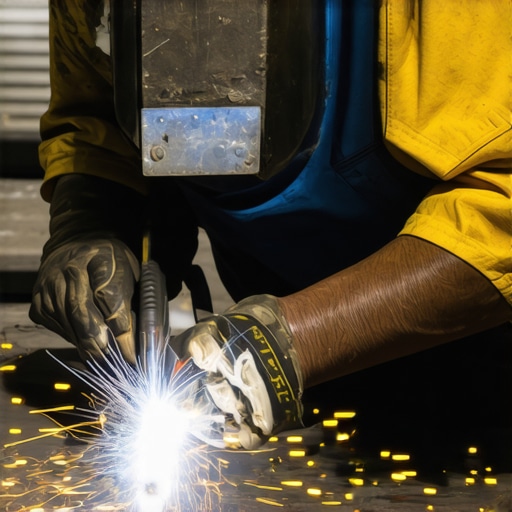
In my experience, addressing **material fatigue** and corrosion is critical, especially for outdoor sculptures exposed to the elements. Applying **zinc-rich primers** and **powder coatings** significantly enhances lifespan, while **internal reinforcements**—such as stainless steel bracing—provide additional stability. Regular maintenance, including re-coating and rust removal, preserves both safety and aesthetics. Industry leaders like the American Craftsmen emphasize that combining advanced protective techniques with thoughtful engineering results in sculptures that stand the test of time, both physically and visually.
How Can I Achieve Seamless Joints in Complex Metal Sculptures?
Achieving seamless joints in complex sculptures requires meticulous attention to detail and mastery of advanced welding methods like **TIG welding**. This technique offers precision and control, allowing me to create smooth, almost invisible welds that enhance the sculpture’s aesthetic integrity. Proper heat control and consistent movement are essential, and I often utilize **filler materials** that match the base metal to ensure uniformity. The key is to balance technical skill with artistic vision—every joint should contribute to the overall harmony of the piece. For in-depth insights into refining welding finesse, I recommend exploring resources like the craft of professional welding.
If you’re eager to elevate your scrap metal artistry, I encourage you to share your projects or ask questions through my contact page. Growing your skills and pushing creative boundaries can lead to truly extraordinary sculptures that combine durability with breathtaking design.
Things I Wish I Knew Earlier (or You Might Find Surprising)
The Hidden Potential of Scrap Metal
Looking back, I realize I underestimated the creative power hidden in discarded metal. Early on, I thought only polished, shiny pieces mattered, but I soon discovered that rust and patina add character and depth to sculptures. Embracing these imperfections transformed my approach, making each piece more authentic and compelling.
The Importance of Patience in Welding
Welding isn’t just a technical skill; it’s a mindful practice. I used to rush through projects, but I learned that taking time to perfect each weld ensures durability and a cleaner finish. This patience has been crucial in creating art that lasts and looks professional.
Design Before You Cut
Sketching or visualizing my sculpture beforehand saved me countless hours of rework. Planning my design with CAD software or simple drawings helps in material selection and structural stability, making the welding process smoother and more enjoyable.
Environmental Impact Is a Major Motivator
Working with recycled scrap metal aligns with my values of sustainability. Knowing I’m reducing waste and repurposing materials keeps me motivated, and I believe it adds a meaningful story to each sculpture I create.
Tools Make a Difference
Investing in quality tools like angle grinders and metal cutters improved my craftsmanship significantly. Good tools not only make the work easier but also produce better results, inspiring me to learn and experiment more confidently.
Resources I’ve Come to Trust Over Time
American Craftsmen
This organization offers excellent insights into sustainable and artistic metalwork. Their resources and community support have been invaluable in expanding my understanding and skills.
Instructables
An incredible platform for DIY tutorials, I’ve learned many welding and fabrication techniques here. It’s like having a global classroom at my fingertips, with projects suited for all skill levels.
YouTube Channels like WeldingTipsandTricks
Visual learners like me benefit greatly from detailed demonstrations. These channels break down complex techniques into manageable steps, boosting my confidence to try new methods.
Books on Metal Fabrication
Authors like David J. Gingery have authored comprehensive guides that deepen my technical knowledge. These books are a treasure trove of tips and theoretical background that complement hands-on practice.
Local Workshops and Makerspaces
Hands-on experience in a supportive environment accelerates learning. Connecting with fellow enthusiasts and experts has been inspiring and educational beyond what online resources can offer.
Parting Thoughts from My Perspective
Creating sculptural art from scrap metal has been one of the most rewarding journeys I’ve undertaken. It’s a seamless blend of technical skill, creative expression, and environmental consciousness. I encourage anyone curious about this craft to start small, stay patient, and let your creativity flow. Remember, each piece tells a story—yours could be the next inspiring masterpiece. If this resonated with you, I’d love to hear your thoughts or see your projects. Feel free to reach out through my contact page. Happy welding and creating!
What a motivating story about discovering the artistic potential in scrap metal! I started doing similar projects a couple of years ago and found that the key is patience and experimentation. The post highlights some vital techniques, like advanced welding and careful surface preparation, which are so crucial for lasting outdoor sculptures. I particularly appreciated the mention of using environmental principles like biomimicry—it’s inspiring to see how sustainability can harmonise with creative expression. One thing I struggled with early on was ensuring structural stability without compromising aesthetics. I’d be interested to hear how others have managed internal reinforcements or balancing weight for large installations to prevent tipping or material fatigue. Have you used any specific internal support systems or materials that worked well for durability while maintaining a seamless look? It seems like continuous learning and testing are essential in perfecting these sculptures, especially for outdoor or public display.
I really enjoyed reading about your journey into scrap metal art. It’s fascinating how a simple discovery of discarded materials can open up a whole new world of creativity and sustainability. As someone who has experimented with larger outdoor sculptures, I agree that internal reinforcement is crucial, especially to prevent tipping or material fatigue over time. One approach I’ve found effective is embedding stainless steel rods within the sculpture, which not only adds strength but also helps distribute weight more evenly. Using adjustable internal supports also allows for fine-tuning the balance as the piece ages or weather conditions change. Have you tried integrating internal bracing into your larger works, or are you mostly relying on external coatings and finishes? I believe combining both strategies might yield the best longevity and aesthetic appeal. It’s inspiring to see how artists like you push the boundaries of recycled art, and I look forward to swapping ideas on creating durable, beautiful sculptures from scrap metal.