
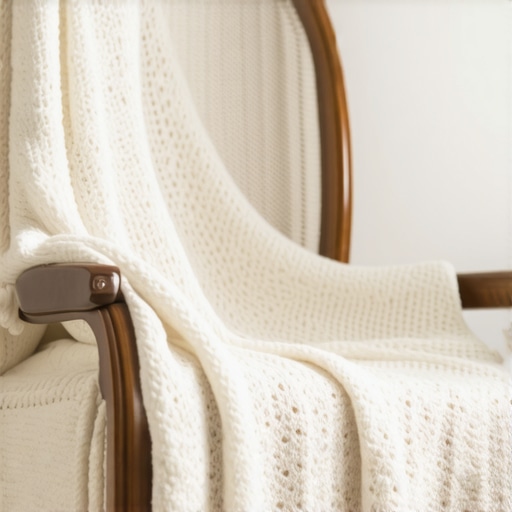
Discovering the Charm of Lace Shawls: A Personal Tale
My journey into designing and knitting intricate lace shawls began during a chilly autumn evening when I decided to craft a special gift for my grandmother. As I sat by the window, surrounded by skeins of delicate yarn, I felt a deep connection to the timeless art of lace knitting. This experience ignited my passion for creating heirloom-quality pieces that not only serve as beautiful accessories but also carry sentimental value that can be cherished for generations.
Mastering the Art of Intricate Lace Pattern Design
Designing lace shawls requires a blend of patience, creativity, and technical skill. I started by studying classic lace patterns, exploring sources like expert tutorials and vintage knitting books. The process of charting out complex motifs and understanding how to balance openwork with structure was both challenging and rewarding. Over time, I developed my own signature patterns, incorporating traditional motifs with modern twists, making each piece uniquely personal.
Knitting Techniques for Beautifully Detailed Heirlooms
To achieve that delicate, airy look, I mastered techniques such as yarn-overs, decreases, and meticulous blocking. I found that investing time in learning how to block my shawls properly dramatically enhanced the intricate details, making the patterns pop and the fabric drape elegantly. I also experimented with different fibers, from soft merino wool to luxurious silk blends, to add texture and luster to my creations.
Why a Hand-Knitted Lace Shawl Makes a Perfect Gift
There’s something profoundly special about gifting a handmade lace shawl. It embodies thoughtfulness, craftsmanship, and a personal touch that mass-produced items can’t match. I remember gifting my first lace shawl to a close friend, and her reaction—tears of joy—made me realize the enduring value of heirloom-quality crafts. These pieces can be passed down through generations, becoming family treasures that tell stories of love and dedication.
Can handmade lace shawls truly become timeless heirlooms?
I believe they can, especially when crafted with care and attention to detail. The beauty of lace knitting lies in its ability to create intricate, delicate designs that withstand the test of time. For inspiration and guidance, I often turn to established experts like crafting professionals who share invaluable tips on maintaining and preserving heirloom textiles.
If you’re considering embarking on your own lace shawl project, I encourage you to dive into tutorials and embrace the meditative rhythm of knitting. Sharing your progress and experiences can be incredibly enriching—so don’t hesitate to leave a comment or connect with fellow enthusiasts.
Exploring the Nuances of Lace Shawl Design: An Expert’s Perspective
Creating exquisite lace shawls is a craft that demands both artistic vision and technical mastery. As an experienced designer, I often delve into historical lace motifs while innovating new patterns that balance tradition with contemporary aesthetics. My process begins with meticulous pattern research, drawing inspiration from vintage textiles, antique lace collections, and modern design trends, ensuring each piece is both timeless and unique.
Advanced Techniques for Crafting Intricate Lace Patterns
Mastering complex techniques such as twisted stitches, picots, and intricate chart reading elevates the quality of your lace shawls. I recommend investing time in understanding how to execute precise yarn-overs and decreases, which are fundamental to achieving delicate openwork. Proper blocking is crucial—by stretching and shaping the fabric with expert care, you can enhance the intricate details and ensure the shawl drapes beautifully. For those looking to explore beyond basic patterns, I suggest experimenting with different fibers like silk mohair or alpaca blends, which add subtle sheen and softness to your creations.
Durability and Preservation: Ensuring Your Lace Heirlooms Last
To transform a beautiful lace shawl into a cherished heirloom, proper care and maintenance are essential. I advise gentle hand washing with mild, pH-neutral detergents and laying flat to dry, avoiding direct sunlight that can fade delicate fibers. When storing, keep your lace in acid-free tissue paper within breathable containers, and consider occasional rewashing to prevent yellowing. Learning to repair minor damages, such as snags or loose threads, can extend the lifespan significantly. Resources like professional crafting guides offer invaluable insights on preservation techniques that can help your heirlooms withstand the test of time.
Can Handcrafted Lace Shawls Truly Endure as Heirlooms?
Absolutely, when crafted with dedication and attention to detail, lace shawls can become treasured heirlooms passed through generations. The key lies in selecting high-quality fibers, mastering techniques that ensure durability, and practicing meticulous care. As I often advise fellow knitters, the artistry and patience invested in each shawl imbue it with a soul that transcends fleeting trends. For a deeper understanding of how to maintain and pass down these textiles, I recommend exploring expert resources like professional craft tutorials that focus on heirloom preservation.
Would you like to learn more about integrating traditional lace motifs into modern designs? Sharing your ideas or questions in the comments can foster a vibrant community of passionate crafters eager to exchange expertise.
Unraveling the Layers of Lace: Personal Reflections on Complexity
As I delved deeper into the art of lace knitting, I realized that mastering the finer nuances—like twisted stitches, yarn-overs, and complex chart reading—transformed my approach from merely following patterns to truly understanding their underlying structure. This shift opened new creative avenues, allowing me to innovate within traditional motifs and craft designs that resonate on a personal level. The challenge of balancing openwork with durability became a rewarding puzzle, pushing me to experiment with fibers that enhance both aesthetics and longevity, such as silk blends and alpaca.
My Favorite Techniques for Achieving Artistic Depth
I found that incorporating advanced techniques like picots and twisted stitches added texture and visual intrigue, elevating my lace shawls from simple accessories to wearable art. Proper blocking, often underestimated, became my secret weapon for revealing intricate details and ensuring a graceful drape. I learned to approach blocking with patience and precision, stretching the fabric gently to accentuate the motifs. Exploring fibers like mohair and silk not only added luster but also affected how the lace held its shape, making each piece uniquely expressive. For detailed tutorials on these methods, I often consult resources like professional crafting guides.
Preserving Your Lace Heirlooms: A Personal Philosophy
Creating heirlooms requires more than just technical skill; it demands a mindful approach to preservation. I have adopted gentle hand washing routines with pH-neutral detergents and flat drying techniques, avoiding sunlight to prevent fading. Storing lace in acid-free tissue paper within breathable containers has helped maintain their pristine condition over the years. I also believe that learning simple repair techniques—such as fixing snags or loose threads—can extend the life of these treasures, allowing them to be passed down with pride. Resources like expert guides offer invaluable tips for maintaining heirloom quality.
Reflecting on the Emotional Impact of Handmade Lace
Every time I gift a handmade lace shawl, I feel a profound connection that surpasses the physical beauty of the piece. It embodies patience, love, and a piece of my personal journey. The reactions—often tears of joy or heartfelt gratitude—affirm the timeless value of craft. I encourage fellow crafters to consider not just the technical aspects but also the stories they infuse into each stitch. Sharing these stories, whether through comments or community groups, enriches our collective experience and preserves the emotional legacy of our work. If you’re inspired to explore further, I suggest visiting step-by-step guides to deepen your skills and knowledge.
Advanced Design Concepts: Merging Tradition with Innovation
Designing lace shawls that honor tradition while embracing modern aesthetics is a passion of mine. I often draw inspiration from vintage lace collections and adapt motifs through contemporary color palettes and innovative pattern placements. This fusion creates pieces that feel both timeless and fresh, appealing to a broad spectrum of tastes. Experimenting with fibers like silk mohair or alpaca blends can add subtle sheen and softness, making the shawls even more luxurious. To push boundaries further, I explore techniques like layering or combining different lace patterns within a single piece, creating complex visual textures that tell a story in every detail. Sharing these explorations on platforms like crafting communities inspires others to innovate within their craft.
Unlocking the Secrets of Complex Lace Pattern Integration
One of the most rewarding aspects of my journey into lace knitting is the ability to seamlessly weave traditional motifs with contemporary aesthetics. To achieve this, I often incorporate advanced pattern manipulation techniques, such as combining multiple motifs within a single project and experimenting with asymmetric designs. This approach not only challenges my technical skills but also allows for personalized artistic expression. For instance, integrating geometric patterns with floral motifs can create a harmonious balance that appeals to modern sensibilities while respecting historical roots. For those eager to elevate their craft, exploring resources like professional crafting guides can provide invaluable insights into pattern adaptation and innovative design strategies.
Mastering the Art of Fiber Selection for Longevity and Beauty
The choice of fibers profoundly impacts the durability and aesthetic appeal of lace shawls. Beyond traditional options like merino wool, I often experiment with silk blends and alpaca to enhance texture and luster. These fibers, when properly cared for, can transform a delicate piece into a resilient heirloom. For example, silk mohair adds a subtle sheen that elevates the intricate openwork, making each stitch a visual delight. Additionally, understanding the properties of different fibers enables me to tailor my knitting and blocking techniques accordingly. An authoritative resource that offers detailed fiber analyses is crafting professionals, which has profoundly influenced my material choices and preservation methods.
Advanced Care Techniques to Ensure Heirloom Preservation
Transforming a beautiful lace shawl into a lasting family heirloom requires meticulous maintenance. I advocate gentle hand washing with pH-neutral detergents, followed by flat drying in a shaded environment to prevent fading. Storing these treasures in acid-free tissue paper within breathable containers minimizes environmental stressors. Moreover, I regularly inspect and repair minor damages—such as snags or loose threads—using fine needles and matching yarns. Incorporating these practices ensures longevity and maintains the intricate details that define each piece. For comprehensive guidance on preservation, I recommend consulting expert tutorials that focus on textile conservation techniques.
Can Handcrafted Lace Shawls Truly Transcend Time?
I firmly believe that with attentive craftsmanship and thoughtful preservation, lace shawls can indeed become timeless heirlooms. Their delicate construction embodies patience and artistry, qualities that resonate across generations. When crafted using high-quality fibers and advanced techniques, these pieces maintain their structural integrity and visual appeal. The emotional connection they foster—whether as a cherished gift or family treasure—adds a layer of significance that surpasses mere aesthetics. For inspiration and expert advice, exploring professional craft resources can deepen your understanding of heirloom quality.
Exploring the Layered Complexity of Lace Design
Delving into the nuances of lace pattern creation has profoundly enriched my artistic perspective. Techniques like twisted stitches, picots, and intricate chart reading enable me to craft multidimensional designs that captivate the eye. Mastery of blocking is essential—stretching and shaping the fabric to highlight motifs transforms a simple piece into wearable art. Experimenting with fibers such as silk mohair or alpaca enhances these effects, adding depth and sheen. For those interested in pushing their boundaries, I suggest exploring tutorials on advanced techniques that can elevate your craftsmanship to new heights.
Join the Creative Community and Share Your Journey
Embarking on or refining your lace knitting journey is enriched by community engagement. Sharing your experiences, challenges, and triumphs fosters connections and inspires continual growth. Whether through commenting on blogs, participating in online forums, or attending workshops, exchanging knowledge accelerates mastery. If you’re motivated to explore further, I invite you to connect via our contact page or join local craft groups—your next breakthrough might be just a conversation away. Remember, every stitch you make is part of a larger story of craftsmanship and passion that transcends generations.
Things I Wish I Knew Earlier (or You Might Find Surprising)
1. The Power of Patience
When I first started knitting lace shawls, I underestimated how much patience it would require. It’s not just about the technical skill, but also about embracing the meditative rhythm of each stitch. Looking back, I realize that rushing through patterns often led to mistakes, but slowing down transformed the process into a calming ritual that deepened my connection to the craft.
2. Fiber Choice Matters More Than I Thought
Initially, I thought any fine yarn would do, but over time I discovered that fibers like silk blends or mohair not only enhance the intricate patterns but also add durability and luster. Choosing the right fiber can truly elevate a delicate lace piece into an heirloom-quality treasure that withstands the test of time.
3. Blocking Is an Art in Itself
Mastering the art of blocking was a game-changer. Proper stretching and shaping revealed the true beauty of each motif, turning a simple pattern into a work of art. I now see blocking as an essential part of the process, deserving as much attention as the knitting itself.
4. Handmade Gifts Carry Unmatched Sentiment
Gifting a handmade lace shawl feels incredibly meaningful. I remember the joy and emotional reactions when I gifted my first piece—these are the moments that reaffirm why I love this craft. Such heirlooms become family treasures, carrying stories and love across generations.
5. The Joy of Continuous Learning
Every new pattern or technique I explore opens doors to creative expression. From complex chart reading to experimenting with modern motifs, I find that the journey of learning keeps the craft exciting and deeply personal. It’s a reminder that even seasoned knitters have room to grow and innovate.
6. Preservation Is a Loving Responsibility
To ensure my lace shawls remain heirlooms, I’ve adopted gentle care routines—hand washing with mild detergents, flat drying, and storing in acid-free tissue. Learning repair techniques also helps me extend their lifespan, turning my craft into a family legacy.
Resources I’ve Come to Trust Over Time
- Crafting Professionals: Their detailed tutorials and preservation tips have been invaluable, especially this resource. It’s like having an expert by my side whenever I need guidance.
- Vintage Knitting Books: Exploring traditional lace motifs has enriched my designs and connected me to centuries-old techniques that still inspire today. I highly recommend searching for vintage collections at local libraries or online.
- Online Communities: Sharing progress and challenges with fellow enthusiasts on platforms like forums or social media has kept me motivated and inspired new ideas.
Parting Thoughts from My Perspective
Reflecting on my journey with lace shawls, I realize that the true magic lies not only in the delicate patterns but also in the stories and emotions woven into each piece. These heirlooms, crafted with patience and love, transcend time and trends, becoming symbols of personal growth and connection. If you’re considering embarking on your own lace knitting adventure, I encourage you to embrace the process, celebrate small victories, and cherish the heirloom quality of your creations. Sharing your experiences can inspire others and build a community rooted in craftsmanship and passion. So, why not start today? Your future heirlooms are waiting to be born—one stitch at a time.