
My Journey into Eco-Friendly Outdoor Living
Last summer, I decided to revamp my backyard to create a cozy outdoor oasis. While browsing for sustainable options, I stumbled upon the idea of building DIY outdoor furniture using recycled plastic planks. As someone passionate about eco-friendly projects, I was excited to try my hand at creating durable, weather-resistant furniture that could withstand the elements for years to come.
Why I Chose Recycled Plastic for My Outdoor Furniture
Recycled plastic planks are not only environmentally friendly but also incredibly sturdy. They resist rot, mold, and UV damage, making them perfect for outdoor use. Plus, their low maintenance requirements mean I don’t have to worry about sanding or painting annually. I found that working with these materials simplified the construction process, allowing me to focus on designing my perfect outdoor setup.
Easy Assembly & Creative Design Ideas
One of the things I loved about building my outdoor furniture was how straightforward the assembly was. Using simple tools, I followed step-by-step guides from this DIY guide to assemble my benches and tables. I also experimented with different layouts—combining benches and a central table to create a communal space ideal for family gatherings or lazy afternoons.
How Durable Is Recycled Plastic Furniture Really?
In my experience, furniture made from recycled plastic planks holds up remarkably well. It withstands rain, sun, and even snow without warping or fading. I read on authoritative sources like EPA’s website that recycled plastics are a sustainable material choice, reducing landfill waste while providing long-lasting outdoor solutions. This project has truly transformed my backyard into a low-maintenance, eco-friendly retreat.
Can DIY Outdoor Furniture Be Both Stylish and Practical?
Absolutely! I designed my pieces to match my garden’s aesthetic, choosing vibrant colors and sleek finishes. The versatility of recycled plastic planks means I could customize dimensions and styles to suit my space perfectly. Whether you’re a beginner or an experienced DIYer, building your own outdoor furniture is a rewarding way to personalize your environment while supporting sustainability.
What’s the Secret to Making Outdoor Furniture Last for Years?
The key lies in selecting high-quality recycled materials and applying protective finishes when needed. Regular cleaning and avoiding harsh chemicals help maintain its appearance. I also recommend exploring innovative DIY solutions for outdoor projects, like creative home decor ideas that complement your furniture.
If you’re inspired to start your own eco-friendly outdoor project, I encourage you to share your ideas or experiences in the comments below. For more tips on sustainable DIY projects, check out our home decor ideas to transform your space with personal touches.
Transforming Outdoor Spaces: Advanced Strategies for Sustainable DIY Furniture
Building on my experience with recycled plastic outdoor furniture, it’s essential to delve deeper into the nuances that ensure longevity and aesthetic appeal. One often overlooked aspect is the importance of proper sealing and finishing techniques. Applying a high-quality, UV-resistant sealant can significantly extend the lifespan of your DIY projects, protecting them against harsh weather conditions and UV damage. For instance, natural oil finishes like tung oil or marine-grade varnishes provide excellent protective layers while maintaining a natural look.
How Can I Optimize My DIY Outdoor Furniture for Extreme Weather?
Experts recommend selecting materials that inherently resist environmental stressors. Recycled plastics are excellent, but integrating additional protective measures—such as weatherproof cushions or removable covers—can enhance durability. Additionally, positioning your furniture in areas shielded from direct sunlight and rain can reduce wear over time. For those interested in eco-friendly solutions, consider incorporating reclaimed wood elements treated with eco-safe preservatives, which not only add aesthetic value but also improve weather resistance. You might find inspiration in creative DIY home decor ideas to complement your outdoor setup.
Deepening Your Outdoor Furniture Skills: Beyond Basic Building
When I first started crafting outdoor furniture from recycled plastics, I was thrilled with the immediate results — sturdy, colorful pieces that transformed my backyard. But as I spent more time outdoors, I realized that achieving long-term durability and maintaining aesthetic appeal required a deeper understanding of advanced techniques. It’s one thing to assemble furniture; it’s another to ensure it ages gracefully and continues to impress over years of use.
Mastering Protective Finishes: The Key to Longevity
One of my pivotal discoveries was the importance of proper sealing. Applying high-quality, UV-resistant sealants like marine-grade varnishes or natural oils such as tung oil can dramatically extend the lifespan of your DIY projects. These finishes not only shield against the sun’s harmful rays but also prevent moisture infiltration that can lead to warping or mold. I’ve found that reapplying a protective coat every couple of years keeps my furniture looking vibrant and structurally sound. For those interested in eco-friendly options, botanical-based sealants are also worth exploring, offering protection without synthetic chemicals.
Addressing Extreme Weather Conditions: Practical Strategies
Living in a region with unpredictable weather patterns, I learned to adapt my outdoor furniture to withstand the elements. Positioning pieces in shaded or sheltered areas reduces direct exposure to rain and sunlight. Additionally, investing in removable cushions made from water-resistant fabrics allows me to enjoy comfort without worrying about mildew. For a sustainable touch, I started creating custom covers from recycled materials, which protect my furniture during harsh seasons. Combining these practical measures with recycled plastic durability creates a resilient outdoor setup that endures year-round.
Integrating Aesthetic Details for Personal Style
Beyond functionality, I’ve realized that aesthetic enhancements can elevate DIY outdoor furniture to personal art. Adding decorative elements like embedded mosaic tiles or carved patterns in reclaimed wood accents creates visual interest. Using eco-friendly dyes derived from natural pigments allows for personalized color palettes that age beautifully over time. These details not only reflect my personality but also foster a deeper connection with my outdoor space, turning it into a true sanctuary rather than just a functional area.
Reflecting on the Broader Impact of Sustainable DIY Projects
Every time I undertake a new outdoor furniture project, I am reminded of the environmental benefits of repurposing reclaimed and recycled materials. It’s rewarding to see discarded plastics transformed into durable, beautiful pieces that serve my family for years. Moreover, engaging in these projects deepens my appreciation for sustainable craftsmanship and inspires me to explore other eco-friendly innovations, like creative home decor ideas that complement my outdoor setup.
If you’ve been experimenting with recycled materials or are considering your own outdoor project, I invite you to share your experiences or ask questions in the comments. Sometimes, the most innovative ideas come from community collaboration and shared insights. For further inspiration, exploring advanced techniques like building eco-friendly water features can add a new dimension to your outdoor living space, blending sustainability with creative design.
Final Thoughts: The Joy of Continuous Learning
My journey into advanced DIY outdoor furniture has been as much about personal growth as it has about craftsmanship. Each project brings new challenges and discoveries, pushing me to refine my skills and deepen my commitment to sustainability. Whether you’re a beginner or an experienced DIYer, embracing these advanced strategies can transform your outdoor spaces into resilient, stylish retreats that reflect your values and creativity. Keep experimenting, keep learning, and enjoy the process of making your environment uniquely yours.
The Art of Fine-Tuning Outdoor Finishes for Enduring Beauty
After experimenting with basic sealing methods, I delved into the subtleties that distinguish a good outdoor furniture piece from a truly resilient masterpiece. High-quality, UV-resistant sealants like marine-grade varnishes or eco-friendly natural oils such as tung oil can dramatically prolong the lifespan of DIY projects. These finishes create a protective barrier against UV damage, moisture infiltration, and the inevitable wear caused by weather fluctuations. I found that reapplying such finishes every few years rejuvenates the furniture’s appearance and integrity, maintaining its vibrant colors and structural strength over time. For environmentally conscious DIYers, botanical-based sealants offer an effective, chemical-free alternative that aligns with sustainable practices.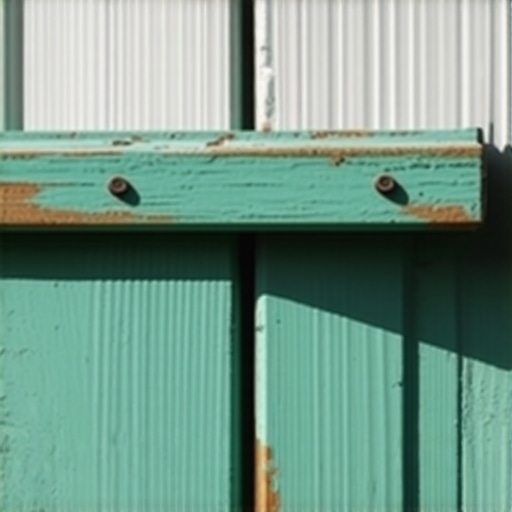
Strategies to Combat Extreme Weather and Prolong Outdoor Furniture Lifespan
Living in a region with unpredictable and harsh weather conditions has led me to adopt innovative protective strategies. Positioning furniture in shaded or sheltered areas minimizes direct exposure to sun and rain, significantly reducing deterioration. Investing in custom covers made from recycled, water-resistant fabrics offers a sustainable and practical solution to shield furniture during off-seasons. Additionally, integrating reclaimed wood elements treated with eco-safe preservatives adds aesthetic charm and weather resistance, blending sustainability with durability. Exploring these methods can transform your outdoor space into a resilient retreat, capable of enduring seasonal challenges while maintaining style and functionality. For further inspiration, check out creative DIY home decor ideas to complement your outdoor setup.
Enhancing Aesthetic Appeal with Artistic Details and Personal Touches
Beyond the structural considerations, aesthetic enhancements can elevate DIY furniture from functional to artistic. Embedded mosaic tiles, carved reclaimed wood accents, or personalized color palettes using natural dyes can infuse your pieces with character and depth. These details not only reflect personal style but also age gracefully, developing a unique patina that enhances their charm over time. Incorporating such artistic touches fosters a deeper connection to the space, transforming your outdoor environment into a personalized sanctuary. I encourage you to experiment with these creative strategies to make your outdoor furniture truly one-of-a-kind, aligning beauty with sustainability.
Invitation to Share and Explore Further
If you’re eager to elevate your outdoor projects with advanced techniques or wish to share your own experiences, I invite you to join the conversation. Engaging with a community of passionate DIY enthusiasts can inspire innovative solutions and foster a richer understanding of sustainable craftsmanship. For more insights into sophisticated DIY methods, visit creative home decor solutions. Remember, every project is an opportunity to grow your skills, express your creativity, and contribute to a more sustainable world by repurposing and protecting the resources we cherish.
Things I Wish I Knew Earlier About DIY Outdoor Furniture
1. The Power of Quality Materials
Looking back, I wish I had realized sooner how crucial selecting high-quality recycled plastics is for outdoor furniture. When I first started, I underestimated how much durability and weather resistance quality materials provide. Now, I understand that investing in the right materials makes all the difference in longevity and maintenance.
2. Sealing and Finishing Make a Difference
Initially, I thought assembly was the hard part, but I soon learned that protective finishes like UV-resistant sealants can dramatically extend the life of DIY furniture. Applying a good finish every couple of years keeps the pieces vibrant and resilient against harsh weather.
3. Location Matters
Positioning your furniture in shaded or sheltered areas can drastically reduce wear and tear. I used to place everything in the open, only to find it fading or warping faster. Now, strategic placement helps maintain aesthetics and durability over time.
4. Personalization Adds Value
One thing I discovered is that customizing furniture with artistic details like embedded tiles or natural dyes elevates the overall look and makes the space truly mine. Personal touches turn functional pieces into personal art that ages gracefully.
5. Community and Inspiration Are Invaluable
Sharing my experiences and learning from others’ projects has been incredibly motivating. The DIY community’s collective knowledge helps troubleshoot issues and sparks new ideas, making the journey more enjoyable and sustainable.
Resources I’ve Come to Trust Over Time
- EPA’s Website: A reliable source for understanding sustainable materials and recycling benefits. It helped me appreciate the environmental impact of recycled plastics and inspired my project choices.
- DIY Guides on DIYKutak: Step-by-step instructions made complex assembly manageable and boosted my confidence in tackling new projects.
- Natural Sealants and Finishes: Researching eco-friendly options like tung oil or botanical sealants deepened my understanding of sustainable solutions that protect outdoor furniture without harmful chemicals.
Parting Thoughts from My Perspective
Building eco-friendly outdoor furniture has been a rewarding journey of learning and personal growth. The key takeaway is that with the right materials, proper finishing, and a little creativity, you can craft durable, stylish pieces that stand the test of time and weather. I encourage anyone interested in sustainable DIY projects to start small, experiment, and enjoy the process of transforming recycled materials into something beautiful and functional. If this resonates with you, I’d love to hear your thoughts or see your own projects—feel free to share in the comments or explore more inspiring ideas on home decor ideas and beyond.