
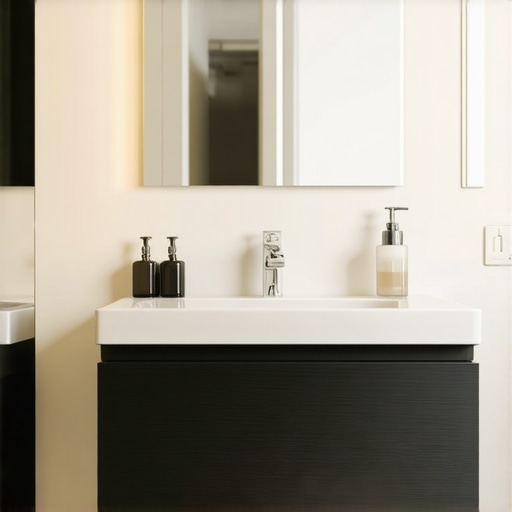
Have you ever stood in your tiny bathroom, desperately trying to squeeze past cluttered countertops and overflowing shelves, feeling like there’s just not enough space? I’ve been there — fumbling around with limited room, wishing I could make it feel bigger without tearing everything apart. That lightbulb moment hit me when I realized that the solution wasn’t necessarily bigger but smarter: a DIY floating vanity that frees up precious floor space and adds a sleek, modern touch to small bathrooms.
Why Small Bathrooms Need a Space-Saving Solution
In my experience, small bathrooms often become catch-alls for everything — toiletries, cleaning supplies, towels — all crammed into every available nook. It’s not just inconvenient; it can also be a safety hazard. Studies show that cluttered spaces can increase stress and reduce functionality (source: DIY Kutak), making daily routines more frustrating. A floating vanity isn’t just about style; it’s about reclaiming your space and making your bathroom work better for you. Plus, it visually opens up the room, making it appear larger and more inviting.
Is Building a Floating Vanity Actually Worth the Hype?
One hesitation I hear often is whether a DIY floating vanity is practical or just a trendy gimmick. Early on, I made the mistake of assuming it would be too complicated or that I’d need professional tools and skills. But I discovered that with the right plan and some basic DIY skills, it’s entirely doable. The key is understanding your space, choosing the right materials, and following a step-by-step guide. If you’re worried about stability or cost, I’ll walk you through how to avoid those pitfalls and create a sturdy, budget-friendly solution that’s tailored to your needs.
In this guide, I’ll share everything I’ve learned from my own experience to help you build a floating vanity that maximizes space, saves money, and looks fantastic. Whether you’re a seasoned DIYer or just starting out, you’ll find actionable tips and resources to get the job done right. Ready to transform your bathroom into a sleek, organized oasis? Let’s dive into the practical steps that will turn this dream into reality.
Select Your Materials Carefully
Start by choosing sturdy, water-resistant materials like plywood or MDF with a waterproof finish. I learned this the hard way when my initial plywood warped after a few months. I opted for marine-grade plywood, which held up perfectly. Gather screws, brackets, a waterproof sealant, and a countertop material such as quartz or solid surface. Having everything on hand prevents multiple trips to the store and keeps the project moving smoothly.
Plan Your Design Precisely
Measure your space accurately, considering the height, width, and depth of your vanity. I used painter’s tape to outline the design on the wall, visualizing the final look. Sketch your plan or use digital design tools to avoid costly mistakes. Decide on storage options—shelves, drawers, or open space—and incorporate them into your design. Clear planning saves time and prevents surprises during assembly.
Cut and Assemble the Frame
Cut your panels to size using a circular saw or a straight edge and a handsaw if you prefer manual tools. Remember to wear safety gear. For my vanity, I built a box frame first, then attached side panels. Use clamps to hold pieces in place while screwing them together. Pre-drill holes to prevent splitting, especially near edges. This step is crucial for stability and longevity of your floating vanity.
Secure the Frame to the Wall
Find wall studs using a stud finder—this is your anchor for the entire vanity. Mark their locations clearly. Attach a sturdy wooden ledger or mounting board to the wall, level it perfectly, then secure the vanity frame to it with long screws. I used a level to double-check alignment; a crooked vanity looks amateurish and can be unsafe.
Finish and Seal for Durability
Sand all edges smoothly to prevent splinters and give a professional look. Apply a waterproof sealant or paint suitable for bathrooms. For my project, I used a marine-grade varnish, which resisted moisture and cleaning agents. Attach a countertop, secure it with adhesive or brackets, and seal the edges thoroughly. This final step ensures your vanity remains functional and attractive over time.
Install and Organize
Once everything is dry, mount your vanity to the wall, double-checking stability. Add hardware such as handles or knobs if your design includes drawers. Organize your bathroom essentials to maximize space—use baskets, wall-mounted holders, and hooks. I kept frequently used items within easy reach and tucked away less-used supplies in drawers, maintaining a clutter-free look.
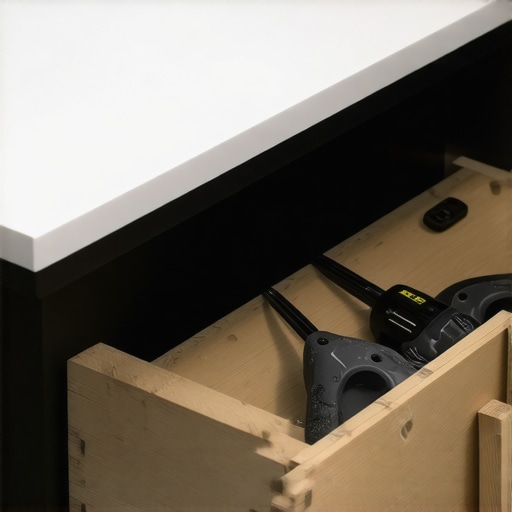
When it comes to building a DIY floating vanity, many enthusiasts fall prey to misconceptions that can compromise their project’s success. Let’s dig deeper into some nuances that often get overlooked and challenge the common beliefs surrounding this popular bathroom upgrade.
Why Bigger Isn’t Always Better for Your Vanity
A frequent myth is that larger vanities are inherently more functional. In reality, oversizing your floating vanity can make your small bathroom feel cramped and cluttered, defeating the purpose of a space-saving design. Instead, focusing on proportion and thoughtful storage solutions maximizes both utility and aesthetics. Remember, a well-designed smaller vanity can offer more effective organization than a bulky one.
The Danger of Skimping on Materials
Many DIYers assume that cheap, low-quality materials will suffice, but this often leads to warping, water damage, and instability over time. Marine-grade plywood and waterproof finishes are essential for durability, especially in humid environments. Cutting corners here might save money initially, but it will cost you more in repairs and replacements later. For reliable guidance, check out this comprehensive DIY resource.
Ever Wondered About the Advanced Stability Tricks
One advanced mistake is neglecting proper anchoring techniques. Securing your floating vanity directly into wall studs is critical; otherwise, it risks wobbling or falling. Using a ledger board or mounting cleats properly aligned with studs ensures sturdy support. For a detailed step-by-step, visit our home organisation DIY guide. Remember, stability isn’t just about strength — it’s about smart engineering.
Have you ever fallen into this trap? Let me know in the comments! Understanding these nuances helps you avoid costly mistakes and ensures your vanity not only looks great but also lasts for years to come. Let’s keep the conversation going — your next project will thank you for it!
Keep Your Tools Sharp and Ready
For any DIY project, having the right tools is crucial to achieving professional results. I personally swear by a quality cordless drill like the Makita XFD10Z because it offers cordless convenience and enough power for drilling into sturdy plywood or MDF. A circular saw with a guide rail ensures precise cuts and clean edges, which are essential for a sleek floating vanity. Investing in a good set of clamps and a square helps maintain alignment during assembly, preventing wobbly joints or uneven surfaces.
Regular Maintenance Saves Time and Money
Once your vanity is installed, regular checks and maintenance keep it looking pristine and functioning well. Use a microfiber cloth to wipe down surfaces weekly, preventing dust buildup and water spots. Applying a waterproof sealant annually, especially around edges and seams, protects your investment against moisture damage. I recommend using a marine-grade varnish, which resists humidity and cleaning chemicals, extending your vanity’s lifespan significantly.
Tools I Recommend for Longevity and Precision
Beyond basic power tools, consider a digital angle finder to ensure your cuts are perfectly aligned, especially when customizing shelves or brackets. A cordless impact driver speeds up fastening tasks and reduces hand fatigue. For finishing, a fine-grit sander like the Bosch ROS20VSC produces smooth surfaces and helps achieve that professional look. Remember, quality tools often cost more upfront but save you time and effort in the long run, making your DIY projects more enjoyable and less frustrating.
Future Trends in DIY Maintenance and Tools
As DIY technology advances, expect smart tools with integrated sensors and app connectivity to become more common. These innovations will help monitor tool health, provide maintenance alerts, and even suggest optimal settings for various materials. Embracing these trends now can make your future projects even more efficient and precise. For example, smart dust extractors connected to your power tools can keep your workspace cleaner automatically, reducing cleanup time and improving safety.
How do I maintain my DIY vanity over time?
Maintenance is all about consistency. Regularly inspect for loose screws or brackets and tighten them when needed. Reapply waterproof finishes every couple of years or after any noticeable wear, especially on high-traffic areas. Keep an eye out for signs of water damage or warping, and address issues immediately to prevent bigger problems. Using high-quality sealants and finishes recommended by experts, such as those detailed in this comprehensive guide, will help your vanity last for years. Remember, the key to long-term success is proactive care—don’t wait until damage is visible to act. Try implementing a quarterly inspection routine, and your DIY vanity will remain beautiful and functional for years to come.
Building a space-saving DIY floating vanity can revolutionize your small bathroom, making it look larger, more organized, and stylish. I’ve been through the process myself, discovering that the most important lessons aren’t just about the tools or materials, but about mindset and planning. Here’s what I wish I knew from the start to help you succeed.
The Hardest Lesson I Learned About DIY Floating Vanities
Never underestimate the importance of proper wall anchoring. I initially tried to mount my vanity directly into drywall, which was a mistake. It wobbled and felt insecure. The breakthrough came when I realized that securing the frame into wall studs with a sturdy ledger board made all the difference for stability and safety. This lesson emphasized that understanding your wall structure is crucial for any wall-mounted project.
Three Myths About DIY Vanities That Held Me Back
First, I believed that bigger is better, but a smaller, well-designed vanity actually opens up more space. Second, I thought high-end materials were necessary, yet affordable marine-grade plywood and waterproof finishes can last just as long with proper care. Lastly, I assumed I needed professional skills—turns out, with patience, precise measuring, and the right tutorials, anyone can build a stunning floating vanity. These revelations saved me time, money, and frustration.
What Experts Won’t Tell You About Building a Floating Vanity
Stability isn’t just about screwing into studs; it’s about smart engineering. Using a level throughout the process, pre-drilling holes, and double-checking measurements are key steps that experts swear by. Also, don’t skimp on waterproof finishes—marine-grade varnish or sealant will protect your vanity from moisture damage over the years. Remember, a little extra effort upfront ensures your project endures.
Curated Gear for a Flawless Finish
My essential toolkit includes a quality cordless drill like the Makita XFD10Z for effortless drilling, a circular saw with a guide rail for clean cuts, and clamps to hold everything in place during assembly. For sealing and finishing, I trust marine-grade varnish because it resists humidity and cleaning chemicals that are common in bathrooms. These tools and materials make DIY projects more enjoyable and your results more professional.
Your Next Step in Bathroom Makeover
Now is the perfect moment to take action. Building a DIY floating vanity is not just a project—it’s a chance to personalize your space and boost your confidence. With careful planning, quality materials, and the right techniques, you can create a stunning, functional feature that transforms your bathroom into a sleek oasis. Don’t wait—start your project today and enjoy the pride of crafting something uniquely yours.
What’s been your biggest challenge when tackling DIY bathroom projects? Share your story below—I’d love to hear how you’re making your space better!