
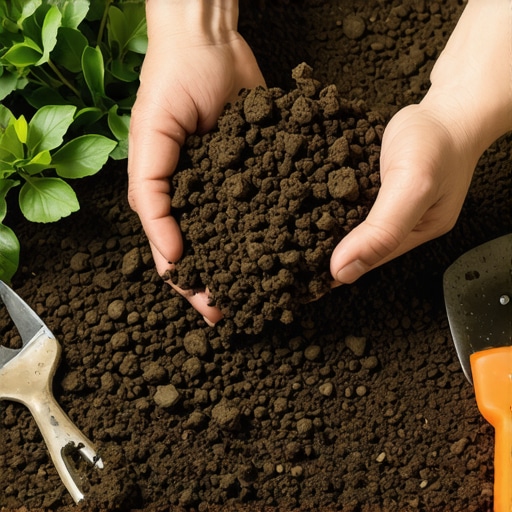
Have you ever looked at your garden and wondered why those lush, vibrant plants from a neighbor’s yard seem so hard to replicate in your own? I’ve been there—struggling with soil that just wouldn’t give my plants the nutrients they needed, even after countless attempts with store-bought fertilizers. The lightbulb moment came when I realized that what my soil lacked wasn’t just fertilizer but a natural balance of minerals and microorganisms that support healthy plant growth. That realization changed everything for my garden’s future.
Why Soil Health Matters More Than Ever
In recent years, I’ve come to see soil as the foundation of a thriving garden. Healthy soil isn’t just dirt; it’s a complex ecosystem teeming with life, minerals, and organic matter. When this balance is off, plants struggle to grow, pests become more aggressive, and yields suffer. According to research from the Soil Science Society of America, maintaining a rich mineral profile in your soil can significantly improve plant health and resilience (source). This is why I’m passionate about sharing DIY strategies that help you grow your minerals naturally and foster soil vitality without relying solely on chemical additives.
Now, I’m here to walk you through simple, effective steps to enrich your soil and create an outdoor oasis that’s both productive and sustainable. Whether you’re a seasoned gardener or just starting out, these tips will help you transform your soil into a thriving living system. Trust me, once you see your plants flourish with these natural methods, you’ll wonder why you didn’t start sooner. Ready to dive into the secrets of mineral growth and soil health? Let’s get our hands dirty!
Have you faced persistent soil problems that just won’t go away?
If your garden has been battling poor growth, nutrient deficiencies, or pests, it’s likely your soil needs a boost of essential minerals and organic matter. Early in my gardening journey, I made the mistake of assuming regular fertilization was enough—only to realize that my soil was depleted of vital minerals. This oversight limited my plants’ potential and made me frustrated. The good news is, with a few DIY tweaks, you can restore your soil’s natural balance and watch your garden thrive again. Curious how? Keep reading, and I’ll show you how to incorporate mineral-rich amendments and organic practices for a healthier, more resilient garden ecosystem.
Add Organic Matter to Your Soil
Start by incorporating compost or well-rotted manure into your garden beds. I remember a spring when I spread a thick layer of compost over my vegetable patch, which initially looked messy but soon transformed into a lush, nutrient-rich environment. Organic matter acts like a sponge, holding essential minerals and releasing them slowly to plants, mimicking nature’s own way of maintaining soil vitality.
Use Mineral-Rich Amendments
Next, apply mineral amendments such as rock dust, kelp meal, or bone char. I once mixed volcanic rock dust into my soil after reading about its mineral content. The process was straightforward: I spread a few handfuls per square meter, raked it in, and waited for the minerals to work their magic. These amendments supply trace minerals that are often depleted in commercial fertilizers, fostering stronger root systems and healthier foliage.
How to Apply Rock Dust Effectively
For best results, broadcast rock dust evenly across your soil surface and lightly incorporate it with a rake. Water thoroughly afterward to help minerals penetrate the soil. Repeat this process every few months to maintain mineral levels. Think of it like giving your soil a multivitamin—consistent supplementation ensures ongoing vitality.
Encourage Microbial Life
Microorganisms are essential for unlocking minerals and making them available to plants. I added a splash of compost tea—a brew rich in beneficial microbes—to kickstart my soil’s microbial community. This step is simple: steep compost or organic matter in water with a little molasses for a day and then spray or pour it onto your beds. The microbes will colonize the soil, breaking down organic matter and releasing minerals in a form plants can absorb.
Create a Microbial Habitat
Maintain soil moisture and avoid over-tilling to preserve microbial habitats. Mulching with straw or wood chips also encourages microbial diversity, much like creating a cozy underground city for beneficial microbes. These tiny allies are vital for a balanced, mineral-rich soil ecosystem.
Practice Crop Rotation and Cover Crops
Planting cover crops like clover or legumes adds nitrogen and organic matter while preventing soil erosion. I once grew a cover crop of vetch during the off-season; after tilling it into the soil, I noticed my plants grew more vigorously. Crop rotation prevents nutrient depletion and balances mineral levels, ensuring your soil remains a fertile foundation year-round.
Implementing Cover Crops
Simply select suitable plants for your climate, sow them in the fall or early spring, and let them grow until you’re ready to plant your main crops. They act as natural fertilizer factories, enriching the soil with minerals and organic matter.
Monitor and Adjust Soil pH
Test your soil’s pH regularly, aiming for a neutral to slightly acidic level (6.0-7.0). I used a simple kit and adjusted pH by adding lime or sulfur as needed. Healthy mineral availability depends on proper pH levels—too acidic or alkaline can lock minerals away from plants. Regular testing and adjustments keep your soil in optimal condition, much like tuning an instrument for perfect harmony.
Many gardeners operate under misconceptions that can hinder their soil health efforts. One of the most pervasive myths is that simply adding chemical fertilizers will restore soil vitality. In reality, this approach often leads to a quick burst of nutrients but fails to rebuild the complex ecosystem necessary for long-term soil fertility. Instead, focusing on organic, mineral-rich amendments fosters a balanced environment where beneficial microorganisms thrive, unlocking the full potential of your soil.
Another mistake I see frequently is the belief that pH adjustment is unnecessary or that one-time testing suffices. Soil pH influences mineral availability dramatically; neglecting regular testing or improper adjustments can cause nutrients to become inaccessible, even if they are present in the soil. Regular pH monitoring and precise amendments—like lime or sulfur—are crucial. Think of it as fine-tuning an instrument; without proper calibration, your garden cannot perform at its best.
Why Do So Many Soil Tests Miss the Mark for Advanced Gardeners?
Standard soil tests often focus on macronutrients like nitrogen, phosphorus, and potassium but overlook trace minerals essential for plant health. As I’ve learned from soil science experts, such as those cited in the Soil Science Society of America, micro- and trace minerals like zinc, manganese, and boron are vital for optimal plant development. Advanced gardeners should consider comprehensive testing that includes these elements, ensuring their amendments target specific deficiencies rather than guesswork.
Over time, relying solely on synthetic fertilizers can lead to mineral imbalances and soil degradation. Instead, integrating natural mineral sources like rock dust or kelp meal enriches the soil organically. This approach mimics nature’s own processes, creating a resilient and self-sustaining ecosystem. For practical tips on how to incorporate these amendments effectively, check out my outdoor gardening DIY projects.
Remember, building healthy soil is an ongoing process that requires understanding its nuanced needs. Don’t fall into the trap of oversimplification—soil health is complex but incredibly rewarding when approached correctly. Have you ever fallen into this trap? Let me know in the comments!
Keeping your garden soil healthy and mineral-rich over time requires the right tools and consistent effort. Personally, I swear by a few specialized pieces of equipment that make soil maintenance not only easier but more effective. One such tool is a high-quality soil pH meter. I use the Bluelab pH Pen because it provides precise readings, allowing me to adjust pH levels accurately with lime or sulfur. Regular pH monitoring ensures that minerals remain accessible to plants, preventing deficiencies caused by pH imbalances.
Another indispensable item in my gardening arsenal is a soil test kit that measures micronutrient levels. I recommend the Rapitest Soil Test Kit for its affordability and reliability. It helps me identify trace mineral deficiencies early, so I can apply targeted amendments like kelp meal or rock dust before problems escalate. Keeping track of these readings over seasons helps me fine-tune my soil amendments, ensuring long-term vitality.
For incorporating organic matter and amendments, a sturdy garden rake with adjustable tines is essential. I prefer a steel rake with a comfortable grip, which makes mixing compost and mineral amendments into the soil a breeze. Proper incorporation of organic matter enhances microbial activity, unlocking minerals naturally and creating a resilient soil ecosystem. This step is crucial for sustainable gardening, especially as soil health naturally deteriorates without proper aeration and mixing.
Maintaining microbial populations can be challenging without the right tools. I use a garden sprayer to apply compost teas and microbial inoculants evenly. My favorite is a nozzle that produces a fine mist, ensuring microbes reach deeper into the soil and roots. Regular application helps sustain a vibrant microbial community that continuously unlocks minerals, supporting plant health and growth.
Looking forward, I believe soil maintenance tools will become increasingly smart and automated. Innovations like digital soil sensors that connect via Bluetooth to apps for real-time monitoring could revolutionize how we care for our gardens, making precise adjustments easier than ever. This trend will likely lead to more personalized, data-driven soil management, maximizing mineral availability and plant resilience.
How do I keep my soil thriving year after year?
The key is consistency and using the right tools. Regularly testing pH and micronutrient levels, applying amendments thoughtfully, and fostering microbial health are the pillars of sustainable soil care. I encourage you to try integrating a soil pH meter into your routine—it’s a game-changer in maintaining optimal mineral availability. Remember, a healthy garden starts beneath the surface, and with the right equipment, you can keep that foundation strong for seasons to come.
For more DIY strategies and advanced gardening tips, check out this guide on creating an outdoor oasis.
The Hardest Lesson I Learned About Soil Health
One of my biggest surprises was realizing that soil isn’t just dirt but a living ecosystem. I used to think adding chemical fertilizers was enough, but I learned the hard way that this approach depletes minerals and destroys microbial life. It took trial and error, and many failed crops, before I discovered that nurturing microbial communities and mineral balance is the real key to vibrant plants.
Three Myths About Mineral-Rich Soil That Held Me Back
I used to believe that you could fix poor soil with quick-fix fertilizers. Turns out, this myth leads to short-term gains but long-term degradation. Also, I thought testing soil once a year was enough; the truth is, soil pH and mineral levels fluctuate seasonally. Busting these myths helped me adopt sustainable practices that sustain my garden year-round.
What Experts Won’t Tell You About Microbial Soil Life
Many gardeners overlook how essential microbes are for unlocking minerals. I learned that applying compost teas and avoiding over-tilling fosters microbial diversity. These tiny helpers are what truly turn organic matter into plant-available nutrients, making your garden resilient and self-sustaining. It’s like giving your soil a probiotic boost.
My Essential Toolkit for a Mineral-Rich Garden
I trust my high-quality pH meter because precise pH control is vital for mineral availability. My favorite soil test kit helps me monitor trace minerals, ensuring targeted amendments. A sturdy garden rake and a sprayer for compost teas complete my essential toolkit, making soil management an engaging part of my gardening routine.
Your Turn to Cultivate
Building healthy, mineral-rich soil isn’t just about adding amendments; it’s about understanding and nurturing your garden’s unique ecosystem. With patience and the right tools, you can create a thriving garden that rewards your efforts season after season. Remember, every healthy plant begins beneath the surface—invest in your soil, and it will give you bountiful results.
What’s the biggest soil challenge you’ve faced, and how did you tackle it? Share your story below!