
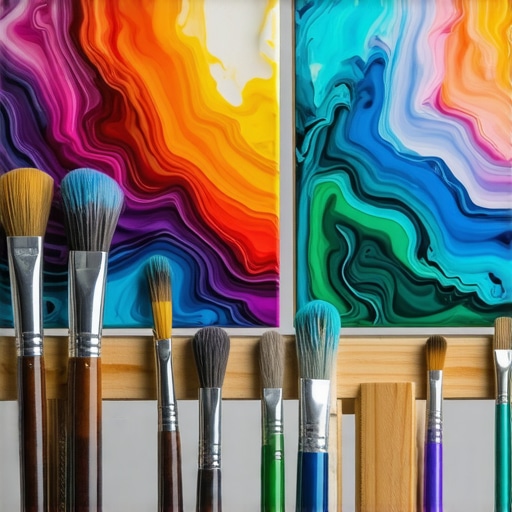
My Journey into the World of Encaustic Art: Unlocking Hidden Layers
As an artist passionate about exploring innovative mediums, I vividly recall the first time I dipped my brush into encaustic paints. The way the waxy textures shimmered under the light fascinated me and sparked a desire to master advanced layering techniques. Encaustic painting, with its rich history dating back to ancient Egypt, offers a unique blend of tradition and modern experimentation that continually inspires my creative process.
Discovering the Power of Layering in Encaustic Painting
What truly transformed my approach was learning how to build complex, multi-dimensional layers. I found that each layer should be applied thoughtfully, allowing for depth and texture to emerge naturally. Using tools like heat guns and palette knives, I experimented with blending and sculpting the wax to create stunning visual effects. This process reminded me of the importance of patience and precision, much like the techniques outlined in professional paintbrush crafting, which can elevate the overall quality of my work.
Mastering the Art of Advanced Layering
One technique I adopted was creating translucent layers that allow underlying colors and textures to peek through. This adds a luminous quality to my paintings, reminiscent of the effects seen in stained glass artistry. I also learned to manipulate the wax’s temperature carefully, ensuring each layer bonds seamlessly without disturbing the previous ones. This mastery came from consistent practice and studying tutorials from seasoned encaustic artists, like those featured on expert art platforms.
How Do You Achieve Depth and Texture in Encaustic Layers?
Achieving depth and texture relies heavily on layering techniques. I often incorporate collage elements or embedded objects between layers, which adds tactile interest and complexity. Using a variety of brushes, spatulas, and even natural materials, I can create a rich tapestry of visual stories. Incorporating heat at strategic points helps to fuse layers, resulting in a cohesive final piece. For detailed guidance, I often refer to comprehensive step-by-step guides like DIY guides that emphasize patience and experimentation.
If you’re interested in elevating your encaustic art, I encourage you to share your experiences or ask questions about specific techniques. The beauty of encaustic painting lies in its versatility and the endless possibilities for creative expression.
Explore Further: Unleash Your Artistic Potential
For those eager to explore more advanced techniques, I recommend visiting creative DIY crafts to integrate encaustic art into home decor projects. Remember, mastery takes patience and practice, but the stunning results make every effort worthwhile. Feel free to comment below or share your artwork—let’s inspire each other in this vibrant encaustic community!
Deepening Your Encaustic Mastery: Exploring Innovative Layering Methods
As I continued to experiment with encaustic art, I discovered that pushing the boundaries of layering techniques could lead to truly mesmerizing textures and depths. One area that captivated me was the integration of mixed media, where embedded materials like gold leaf, textured fabrics, or even small objects are sealed within layers of wax, creating a rich, multidimensional surface. This approach not only enriches the visual complexity but also invites viewers to engage tactilely, blurring the line between painting and sculpture.
Achieving Luminous Effects Through Translucent Layers
In my journey, I found that mastering translucency was crucial for creating luminous effects that mimic stained glass or jewel-like surfaces. Carefully controlling the temperature of the wax and applying thin, even layers allows underlying colors to glow through, especially when combined with color pigments like powders or dyes designed for encaustic work. For artists eager to elevate their craft, studying the advanced copper foil techniques used in stained glass artistry can offer valuable insights into layering transparency and reflection here.
Can You Balance Texture and Smoothness in Complex Layers?
One of the enduring challenges in advanced encaustic layering is achieving a harmonious balance between textured, sculptural elements and smooth, polished surfaces. This requires not only technical skill but also a nuanced understanding of melting points and heat application. For example, applying heat with a heat gun at strategic moments can soften certain layers while preserving or enhancing textures in others. Incorporating tools like palette knives or even natural materials such as leaves or sand can add tactile richness. For those interested in exploring this further, detailed step-by-step guides on multi-layered techniques are available here.
How Does Incorporating Collage and Embedded Objects Transform Your Art?
Embedding collage elements or small objects between wax layers introduces an exciting dimension of storytelling and texture. For instance, I often embed tiny shells, metal fragments, or paper snippets to evoke memories or themes within my work. Sealing these materials with wax requires careful timing and temperature control to prevent damage or movement. This layered approach not only enhances visual depth but also invites viewers to discover hidden details upon closer inspection, reminiscent of the meticulous craft seen in eco-printing and mixed media art.
If you’re passionate about advancing your encaustic techniques, I encourage you to experiment with mixed media, translucency, and embedded materials. Sharing your experiences or questions can foster a vibrant community of artists eager to learn and grow together. Don’t forget to explore more innovative DIY art solutions at creative DIY crafts and keep pushing the boundaries of your artistic expression.
How Do You Achieve Subtle Transitions and Intricate Textures in Your Encaustic Layers?
One of the most captivating aspects of advanced encaustic work is mastering the delicate art of blending translucent layers with textured sculptural elements. I vividly remember experimenting with a piece where I embedded tiny fragments of mica and textured fabrics between luminous wax layers, creating a mesmerizing interplay of light and tactile interest. Achieving this balance requires a nuanced understanding of heat control; too much heat can melt away textures, while too little can prevent seamless bonding. It’s a process that demands patience, intuition, and a keen eye for detail.
What Are the Practical Considerations for Layering Mixed Media in Encaustic Art?
Integrating mixed media—such as metallic foils, embedded objects, or even natural materials—between wax layers opens up a realm of creative possibilities. However, it also introduces challenges, like ensuring materials are compatible with heat and wax. For instance, I once embedded dried flower petals within a piece, but the high heat caused some to discolor or curl. To prevent this, I learned to pre-treat materials or apply thinner wax layers to reduce heat exposure. This technique not only enriches the visual narrative but also invites tactile exploration, blurring the line between painting and sculpture. For a detailed guide on working with embedded materials, exploring trusted sources like enamel and copper foil techniques can be enlightening.
How Can I Use Heat Strategically to Enhance Depth and Maintain Texture?
Strategic heat application is vital for controlling how layers fuse and how textures develop. I often use a combination of heat guns and palette knives, warming specific areas to soften or set wax as needed. For example, gently reheating a textured surface can help blend edges without losing the intricate details. Conversely, cooling certain sections quickly with a fan or compressed air can preserve sharp textures. This delicate dance of heat and cold allows me to sculpt the wax surface deliberately, creating a rich tapestry of depth and dimension. Studying advanced techniques used in stained glass artistry, like the copper foil method, provides valuable insights into manipulating transparency and reflection, which can be adapted for encaustic layering here.
What Are the Nuances in Balancing Smooth, Polished Areas with Textured, Sculptural Elements?
Achieving a harmonious composition involves strategically juxtaposing smooth, luminous surfaces with textured, sculptural accents. My own process involves deliberate planning—deciding where to add high-relief textures, like embedded stones or carved wax, and where to maintain a sleek, polished finish. The key lies in controlling heat to either soften or harden wax in specific zones, often using a fine-tipped heat tool for precision. This ensures that textures remain crisp while adjacent areas shine with translucent glow. For artists interested in mastering this balance, comprehensive step-by-step guides on multi-layered encaustic techniques are invaluable, such as those found at DIY guides.
How Does Incorporating Tactile Elements Deepen the Viewer’s Engagement?
Embedding tactile objects—like small shells, metallic fragments, or textured textiles—within wax layers transforms the artwork into a sensory experience. When viewers can physically interact or visually explore these embedded elements, it creates a layered narrative that invites curiosity and discovery. I once embedded tiny clock gears within a piece symbolizing the passage of time, and the textured surfaces invited viewers to explore the piece more intimately. Sealing these objects requires careful temperature control to avoid shifting or damage, but the result is a multidimensional artwork with both visual and tactile depth. For inspiration on integrating mixed media, exploring eco-printing and mixed media art techniques can be enlightening.
If you’re passionate about pushing your encaustic art to new heights, I encourage you to experiment with layered textures, embedded objects, and strategic heat application. Sharing your insights or questions can foster a vibrant community of artists eager to learn from each other’s journeys. Feel free to explore additional creative DIY solutions at creative DIY crafts and continue to refine your mastery of this captivating art form.
Unlocking the Nuances of Layering for Maximum Depth and Intrigue
Delving deeper into the realm of encaustic art, I discovered that the key to creating compelling, multidimensional pieces lies in mastering the subtle art of layering. Each layer must be applied with a strategic purpose—whether to build luminous transparency or to introduce textured contrast—that enhances the overall narrative. Techniques such as glazing with translucent wax or embedding subtle materials like fine mica powders can dramatically amplify the visual complexity, inviting viewers to explore the piece with a tactile curiosity. This approach, rooted in a nuanced understanding of heat dynamics and material interaction, elevates encaustic from mere painting to a sensory experience.
How Can Embedded Materials Transform the Surface Narrative?
Incorporating embedded objects—ranging from metallic flakes to natural elements—can turn a flat surface into a story-rich tableau. I often embed tiny fragments of silver leaf or textured fabrics between layers, which, when sealed with heat, fuse seamlessly into the wax matrix. This method not only introduces physical depth but also creates a play of light and shadow, reminiscent of techniques used in advanced stained glass artistry, where transparency and reflection are meticulously balanced here. The tactile quality of these embedded elements invites viewers to engage with the artwork on a multi-sensory level, transforming a visual piece into an interactive experience.
What Are the Secrets to Achieving Seamless Translucency with Depth?
Achieving a luminous, layered translucency requires a meticulous control of wax temperature and pigment application. I often experiment with applying extremely thin, even layers of colored wax—using powders or dyes—allowing the underlying hues to shimmer through, creating a jewel-like effect. Carefully reheating specific sections with a heat gun helps fuse layers without disturbing the translucency or embedded elements. This technique echoes the principles used in copper foil stained glass work, where transparency and reflection are artfully manipulated to craft stunning visual effects here. Such mastery demands patience and a keen eye for color harmony, often refined through rigorous practice and study of expert tutorials.
How Do You Balance Sculptural Textures with Smooth Surfaces?
Striking a harmonious balance between textured sculptural elements and smooth, polished areas is one of the most sophisticated challenges in encaustic art. I achieve this by selectively applying heat—using fine-tipped tools and heat guns—to soften or harden wax strategically. For instance, I might create high-relief textures with embedded objects or carved wax, then gently reheat surrounding areas to achieve a luminous, glassy finish. Incorporating natural materials such as sand or dried leaves between layers adds tactile richness, while precise temperature control preserves these textures during the fusing process. For comprehensive guidance on this delicate technique, I recommend exploring detailed step-by-step tutorials available at DIY guides.
How Can Embedding Tactile Elements Deepen Viewer Engagement?
Embedding tactile objects—such as shells, metallic fragments, or textured fabrics—within wax layers transforms the artwork into an experiential journey. When viewers visually or physically interact with these embedded objects, they discover hidden stories and layers of meaning. I once embedded tiny clock gears symbolizing the passage of time, which prompted viewers to explore both visually and tactilely. Sealing these objects requires precise temperature management to prevent shifting or damage, but the resulting piece offers a captivating blend of visual depth and tactile intrigue. To enhance your understanding of integrating mixed media, exploring techniques in eco-printing and mixed media art can provide valuable insights here.
If you’re eager to push your encaustic mastery further, I invite you to experiment with layered textures, embedded objects, and strategic heat application. Sharing your experiences and insights not only deepens your personal practice but also enriches our vibrant artist community. For more advanced DIY art solutions, visit creative DIY crafts and continue exploring the boundless possibilities of encaustic art.
Things I Wish I Knew Earlier About Encaustic Layering
Mastering Patience
One of the most surprising truths I discovered is that patience truly pays off. In the early days, I rushed through layers, only to find my work lacked depth. Now, I understand that allowing each wax layer to cool and set properly creates richer textures and luminous effects.
The Power of Translucency
Creating translucent layers was a game-changer for me. I used to think opaque wax was the way to go, but experimenting with thin, transparent layers opened up a whole new world of glowing, jewel-like surfaces that add vibrancy and depth to my pieces.
Embedding Materials Adds a Tactile Dimension
Embedding small objects like fabric or metal fragments between layers transforms the artwork from flat to multidimensional. It’s like telling a story with textures, inviting viewers to explore not just visually, but physically.
Temperature Control Is Key
Managing wax temperature precisely allows for seamless blending and texture preservation. I once melted away a textured element by overheating, so now I pay close attention to heat application, which makes all the difference.
Layering Techniques Can Be Experimental
Don’t be afraid to experiment with collage, embedded objects, and varied textures. Some of my most compelling pieces came from unexpected combinations and trial-and-error, emphasizing the importance of creative freedom.
Balancing Texture and Smoothness
Striking the right balance between textured and smooth areas in a piece requires nuanced heat application. Using tools like palette knives and heat guns strategically helps me achieve harmony and visual interest.
Resources I’ve Come to Trust Over Time
- Encaustic Art by Amy Hess: Her detailed tutorials and techniques have been instrumental in advancing my skills, especially her insights on layering translucency.
- Encaustic Art Magazine: A fantastic resource for staying updated on trends, tools, and innovative methods in encaustic painting.
- Creative Live Courses: Their encaustic workshops offer comprehensive, hands-on learning that boosted my confidence and technique.
- Artist’s Network: A supportive community with articles and forums where I learned from seasoned encaustic artists worldwide.
Parting Thoughts from My Perspective
Exploring the depths of encaustic art has been a deeply rewarding journey, revealing how layered techniques can create mesmerizing textures and luminous effects. My core advice is to embrace patience and experiment boldly—every layer you build adds to the story you want to tell. If this resonates with you, I’d love to hear your own experiences or tips. Share your journey with encaustic layering and keep pushing the boundaries of your creative expression. Remember, the magic often lies in the details and the willingness to explore beyond the surface.