
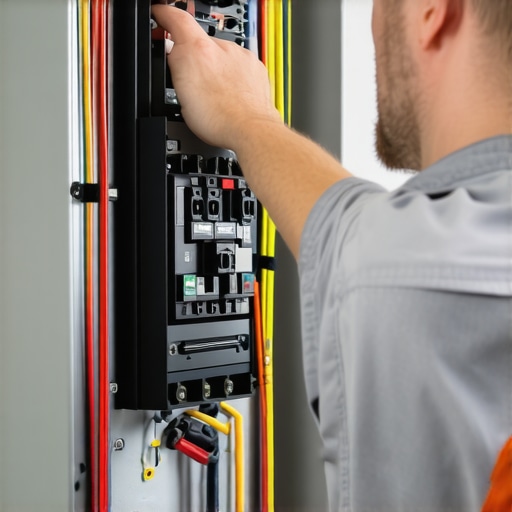
My Journey into Safe High-Power Appliance Installation
When I first decided to upgrade my kitchen with a new oven and a powerful dryer, I quickly realized that my existing electrical system might not be enough. As someone passionate about home improvement, I knew that installing dedicated circuits was essential for safety and efficiency. This personal experience sparked my deep dive into the topic, and I want to share what I learned to help fellow homeowners.
Why I Chose to Learn About Dedicated Circuits
During my research, I discovered that high-power appliances like ovens, water heaters, and dryers require their own dedicated circuits to prevent overloads and electrical fires. This insight was reinforced by authoritative sources such as the Electrical Safety Foundation International. I realized that proper wiring and circuit breaker installation are critical for safety and appliance longevity.
Understanding the Electrical Requirements
Before diving into installation, I made sure to understand the specific electrical needs of my appliances. Each device has its own amperage and voltage specifications, which I found in the user manuals. For example, my oven required a 50-amp circuit, which meant I needed a dedicated breaker and a circuit capable of handling that load. Ensuring compatibility with my home’s existing wiring was a key step I didn’t want to overlook.
My Step-by-Step Approach to Installing Dedicated Circuits
I started by turning off the main power supply to ensure safety. Then, I ran new circuit wiring from the main panel to the appliances’ designated locations. I used high-quality, appropriately rated wire (such as #6 gauge copper wire for 50 amps) to handle the load. Installing the circuit breaker in the panel was next, followed by connecting the wires securely and testing the setup. I also made sure to follow local electrical codes, which you can learn more about from your local authority or professional electrician.
What Would I Do Differently Next Time?
If I had to do this again, I would definitely consult a licensed electrician to double-check my work. While DIY can be rewarding, safety always comes first, and professional guidance ensures compliance with the latest standards. Additionally, I’d consider upgrading my panel if I planned to add multiple high-power circuits in the future.
How Do I Know If My Home Needs Dedicated Circuits?
If you’re unsure whether your appliances require dedicated circuits, I recommend checking the manufacturer’s specifications or consulting a licensed electrician. Overloading circuits not only risks damage to your appliances but also poses safety hazards. Remember, proper wiring and circuit breakers are investments in your home’s safety and performance.
If you’re planning a similar project or want to improve your home’s electrical system, I encourage you to share your experiences or ask questions in the comments. For more DIY electrical tips, visit our home improvement tips page.
Mastering the Art of High-Power Appliance Wiring: An Expert’s Perspective
Building on my journey into installing dedicated circuits, I want to delve deeper into the nuances that often challenge even seasoned DIY enthusiasts. Proper wiring for high-power appliances isn’t just about following basic guidelines; it requires a comprehensive understanding of electrical systems, local codes, and future-proofing your home’s infrastructure.
What Are the Hidden Challenges in High-Power Circuit Installation?
Many homeowners overlook the complexities involved in integrating high-power circuits into existing electrical systems. For instance, load balancing across multiple circuits is crucial to prevent overloads and ensure consistent performance. An uneven load can cause frequent breaker trips and wear on wiring, leading to potential hazards. It’s essential to map out your entire electrical load using detailed calculations, considering everything from kitchen appliances to HVAC systems. This process helps in designing a resilient wiring plan that anticipates future needs.
How Do You Future-Proof Your Electrical System?
Thinking ahead is vital. As technology advances and your household’s power demands grow, your electrical system should be adaptable. Installing a subpanel can distribute loads more efficiently and provide easier access for upgrades or repairs. Moreover, opting for higher-capacity wiring and breakers—even if current appliances demand less—can save you time and money down the road. For example, upgrading to #4 gauge wiring for future high-capacity appliances ensures your system remains safe and compliant. Incorporating smart circuit breakers with remote monitoring capabilities can also give you real-time insights into your electrical system’s health, preventing potential issues before they escalate.
What Are the Key Safety Protocols Beyond Basic Wiring?
Safety isn’t just about adhering to code; it involves proactive measures. Using high-quality connectors, ensuring proper grounding, and adhering to the National Electrical Code (NEC) standards are fundamental. Additionally, employing arc fault circuit interrupters (AFCIs) and ground-fault circuit interrupters (GFCIs) can provide enhanced protection, especially in areas prone to moisture or potential short circuits. Regular inspections and maintenance of wiring and breakers are essential, especially in older homes. For detailed guidance, consulting a professional electrician is always recommended, as they can identify subtle issues that might compromise safety.
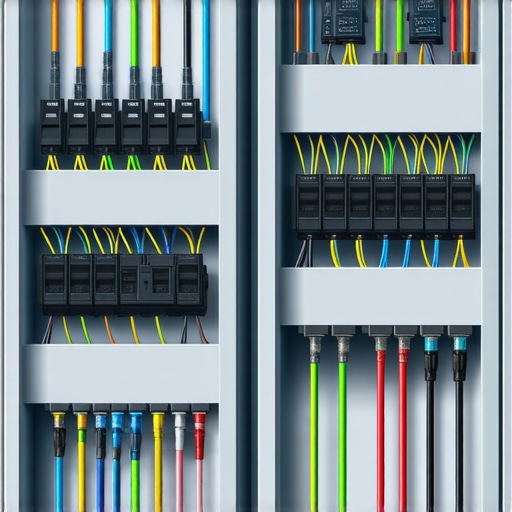
Visualize the process of circuit wiring with a detailed diagram of a high-capacity panel setup, showcasing proper wire routing and breaker placement.
Are There Innovative Technologies That Make High-Power Wiring Safer?
Yes, advances like smart wiring systems and IoT-enabled circuit breakers are transforming home electrical safety. These systems can detect anomalies, shut off power remotely, and send alerts directly to your smartphone. For example, smart breakers can monitor current flow and shut down if they detect overloads, preventing damage and fire risks. Integrating such technologies requires careful planning and compatibility checks but offers unmatched peace of mind. To learn more about incorporating smart home solutions into your electrical system, visit our smart DIY solutions page.
If you’re curious about expanding your electrical knowledge or tackling complex wiring projects, I invite you to share your experiences or questions below. For comprehensive guides on wiring and safety standards, explore our DIY guides.
How Can I Master the Art of Future-Proofing My High-Power Electrical System?
Reflecting on my journey with dedicated circuits, I realize that the key to a resilient home electrical system lies in anticipating future needs. Incorporating a subpanel not only distributes current load efficiently but also simplifies upgrades. I’ve learned that upgrading to higher-capacity wiring, like #4 gauge wire, ensures your system can handle future appliances without risking overloads. Smart circuit breakers with remote monitoring further elevate safety standards, providing real-time insights and early warnings. This approach transforms a basic wiring setup into a sophisticated, adaptable infrastructure that grows with your household’s demands.
What Are the Nuances of Load Balancing and Its Impact on Safety?
Load balancing is often underestimated but is crucial to prevent overloads and ensure consistent appliance performance. In my experience, mapping out the electrical load across all circuits—kitchen appliances, HVAC, lighting—is essential. Uneven load distribution causes frequent breaker trips and wire wear, leading to potential hazards. Using detailed calculations and consulting professional standards, like those from the Electrical Safety Foundation International, helps in designing a balanced system. Proper load management not only extends the lifespan of your wiring but also safeguards your home from unexpected electrical failures.
Are There Emerging Technologies That Enhance Safety and Efficiency?
Absolutely. The advent of smart wiring systems and IoT-enabled circuit breakers is revolutionizing home electrical safety. These innovations can detect overloads, shut off power remotely, and send alerts directly to your smartphone—adding a layer of proactive security. During my research, I discovered systems that monitor current flow continuously, providing insights that help prevent issues before they escalate. Integrating such technologies requires careful planning but offers unmatched peace of mind, especially in homes with high energy demands or older wiring. Exploring these options can be as simple as visiting our smart DIY solutions page for inspiration.
What Are the Practical Challenges in Installing These Advanced Systems?
Implementing smart systems isn’t without its challenges. Compatibility with existing wiring, the need for professional installation, and initial costs can be barriers. In my experience, working with a licensed electrician familiar with the latest tech ensures proper integration. They can also advise on selecting compatible devices and optimizing placement for maximum benefit. Despite these hurdles, the long-term gains—enhanced safety, energy efficiency, and remote management—make it a worthwhile investment. The key is to stay informed and work with professionals who can guide you through the complexities of modern electrical upgrades.
Sharing your experiences or questions about advanced wiring systems can be incredibly helpful. Feel free to comment below or explore more detailed guides on our DIY step-by-step guides. Embracing these innovations not only protects your home but also prepares it for the technological advancements ahead, ensuring safety and efficiency for years to come. Remember, the journey to mastering home electrical systems is ongoing, and continuous learning is the best way to stay ahead.
The Art of Scaling Your Electrical Infrastructure for Future Demands
As I delved deeper into the intricacies of high-power appliance wiring, I realized that a truly resilient electrical system must be adaptable to evolving household needs. This means designing with foresight—anticipating future upgrades and technological integrations that can enhance both functionality and safety. One advanced approach I adopted was the installation of a dedicated subpanel, which acts as a central hub for high-capacity circuits. This not only distributes the load more evenly but also simplifies future modifications, reducing the need for extensive rewiring.
Incorporating higher-capacity wiring, such as #4 gauge copper, provides a buffer for increased amperage demands. This ensures that when you eventually add a new electric vehicle charger or a sophisticated home automation system, your wiring can handle the load without risking overloads or fire hazards. Smart circuit breakers with remote monitoring capabilities further augment this setup, allowing real-time insights into your electrical system’s performance, which is invaluable for proactive maintenance and safety assurance.
Implementing Load Management for Optimal Safety and Efficiency
Effective load balancing is a nuanced aspect that significantly impacts your electrical system’s longevity and safety. My approach involves meticulous load calculations, considering not just current appliances but potential future devices. Using software tools or consulting with a professional can help create a balanced load profile, preventing unnecessary breaker trips and wire degradation. This process involves assigning appropriate circuits for heavy-duty appliances and ensuring that no single circuit bears disproportionate stress, which can lead to overheating.
Moreover, integrating emerging technologies like IoT-enabled smart breakers allows for dynamic load management. These devices can automatically shut off non-critical circuits during peak demand, maintaining system stability. Such innovations are increasingly accessible and can be seamlessly incorporated into existing setups, offering peace of mind and enhanced safety standards.
Harnessing Cutting-Edge Technologies for Enhanced Safety and Control
Recent advancements in electrical safety technology are transforming home systems. For example, arc fault circuit interrupters (AFCIs) and ground-fault circuit interrupters (GFCIs) are now standard in many jurisdictions, but their smart counterparts provide even greater control. IoT-enabled circuit breakers can send alerts to your devices if anomalies occur, such as unexpected surges or potential faults, enabling immediate action even when you’re away from home.
Furthermore, integrating energy management systems with smart wiring can optimize energy consumption, reduce costs, and extend the lifespan of your appliances. These systems analyze usage patterns and adjust power distribution accordingly, which is especially beneficial in homes with high energy demands or renewable energy sources like solar panels.
What Are the Key Challenges in Upgrading to a Fully Integrated Smart Electrical System?
Transitioning to an advanced, smart electrical infrastructure involves several challenges, including compatibility issues between legacy wiring and new devices, higher initial costs, and the need for expert installation. Ensuring that your existing wiring can support smart devices is crucial; sometimes, rewiring or upgrading panels becomes necessary. Working with licensed electricians familiar with the latest smart home technologies guarantees a seamless and safe upgrade. Despite these hurdles, the long-term benefits—such as enhanced safety, energy efficiency, and remote diagnostics—far outweigh the initial investment. For a comprehensive understanding of integrating smart systems, I recommend exploring detailed guides available on our DIY guides.
Things I Wish I Knew Earlier (or You Might Find Surprising)
Unexpected Load Challenges
One thing I didn’t anticipate was how easily circuits could become overloaded if not properly planned. Early on, I underestimated the total power demand, which led to some tripped breakers and a bit of frustration. Learning to accurately calculate my appliances’ amperage helped me avoid these issues and kept my system running smoothly.
The Importance of Proper Grounding
Initially, I thought following standard wiring diagrams was enough, but I soon discovered that grounding and bonding are critical for safety. Improper grounding not only risks electric shocks but can also damage appliances. Ensuring a solid grounding system became a priority in my installation process.
Future-Proofing Pays Off
Thinking ahead about potential upgrades, like adding an electric vehicle charger or a new high-capacity oven, made me realize that installing a bigger panel and higher-capacity wiring can save time and money later. It’s worth investing in the right infrastructure from the start.
DIY vs. Professional Help
While I enjoyed doing the wiring myself, I learned that consulting a licensed electrician for inspection and advice can provide peace of mind. They help ensure code compliance and safety, especially when dealing with high amperage circuits.
Smart Breakers Are Game-Changers
After installing some smart circuit breakers, I saw how remote monitoring and automatic shut-offs can prevent overloads and detect issues early. These technologies are worth considering if you want a safer, more efficient electrical system.
Resources I’ve Come to Trust Over Time
- Electrical Safety Foundation International: This organization provides comprehensive safety standards and guidelines that helped me understand the importance of proper wiring and circuit breaker selection.
- National Electrical Code (NEC): The NEC is essential reading for anyone doing electrical work, ensuring your installations are safe and compliant.
- Home Depot’s Electrical Section: Their guides and staff advice made complex concepts more approachable, especially for DIY projects.
- Online Forums like Electrician Talk: Community members share real-world experiences, which helped me troubleshoot and refine my installation process.
Parting Thoughts from My Perspective
Installing dedicated circuits for high-power appliances was a rewarding challenge that taught me a lot about home electrical systems. The key takeaways are to plan thoroughly, prioritize safety, and don’t hesitate to seek professional guidance when needed. Incorporating future-proofing strategies like a subpanel and smart breakers can make your home safer and more adaptable. If you found this insight helpful, I’d love to hear your own experiences or questions—feel free to share below. Remember, a well-designed electrical system isn’t just about convenience; it’s about safety and peace of mind for years to come.
Reading about the step-by-step process Liam shared really resonated with me because I recently undertook a similar project of installing a dedicated circuit for my electric oven. It’s quite reassuring to see detailed planning and local code adherence emphasized—those are often overlooked beginner pitfalls. I agree that consulting a licensed electrician for verification adds a critical safety net, especially when dealing with high amperage loads. One challenge I encountered was ensuring that my panel could handle the increased load without frequent trips. Upgrading to a subpanel turned out to be a game-changer for future expansion. Has anyone else found that installing a subpanel simplifies load management in homes with numerous high-power devices? Overall, DIY can be very rewarding but always prioritise safety and compliance. It’s also inspiring to see the shift towards smart breakers and IoT tech in home safety—these innovations seem to be the future of proactive electrical management, don’t they?