
My First Encounter with a Cracked Driveway: A Personal Tale
I’ll never forget the day I noticed those unsightly cracks stretching across my driveway. As a DIY enthusiast, I was initially tempted to ignore them, but I knew they could lead to bigger problems if left untreated. That experience sparked my deep dive into epoxy injection and resurfacing methods, which I now swear by for driveway repair.
Understanding the Roots of Driveway Cracks
Cracks in driveways are often caused by ground movement, temperature fluctuations, or poor initial installation. Over time, these cracks can widen, trapping water and causing further deterioration. I learned that addressing these issues early with proper techniques can extend the lifespan of my driveway significantly.
Epoxy Injection: My Secret Weapon
Epoxy injection has been a game-changer for me. The process involves sealing cracks with a high-strength epoxy resin, which bonds the concrete back together. I followed a detailed guide from DIYKutak to ensure I did it right. The results were impressive—cracks disappeared, and the structural integrity was restored almost instantly.
Resurfacing: Giving My Driveway a Fresh Look
Once the cracks were sealed, I turned my attention to resurfacing. This involved applying a new layer of concrete or epoxy coating to give my driveway a fresh, uniform appearance. Resurfacing not only improved aesthetics but also protected the surface from future damage. I found that selecting the right resurfacing material and following a step-by-step process was crucial for a smooth finish.
What Are the Best Practices for Long-lasting Results?
In my experience, prepping the surface thoroughly, using quality materials, and following manufacturer instructions are vital. Regular maintenance, such as sealing and cleaning, also helps preserve the repair. For those interested in DIY solutions, I recommend exploring home improvement tips to keep your driveway in top shape.
Why is choosing the right epoxy and resurfacing techniques so important?
Because the durability of your repair depends on proper material selection and application. Using subpar epoxy or skipping surface preparation can lead to quick failure. I always research and purchase from trusted suppliers, like authoritative sources, to ensure my repairs last.
If you’re considering fixing cracked driveways, I encourage you to share your experiences or ask questions in the comments below. Repairing your driveway is not only cost-effective but also incredibly satisfying—like giving your home a fresh new face!
Choosing the Right Materials for Durable Driveway Restoration
One of the key factors in ensuring a lasting repair is selecting high-quality epoxy resins and resurfacing materials. As I’ve learned through extensive DIY projects, not all products are created equal. Opting for epoxy resins with proven adhesion properties and resistance to weathering can significantly extend the life of your fix. Trusted suppliers, such as those recommended by authoritative sources, provide assurance of product reliability.
Surface Preparation: The Unsung Hero of Successful Repairs
Before any epoxy injection or resurfacing, meticulous surface preparation is essential. Cleaning, removing loose debris, and ensuring the area is dry create an optimal bonding environment. I’ve found that even minor oversights here can lead to premature failure. Using a wire brush or a power washer can make a noticeable difference. For complex cracks, I sometimes incorporate reinforcement meshes or fiber reinforcements to prevent future widening, especially in high-traffic areas or zones exposed to freeze-thaw cycles.
Expert Techniques for Crack Injection: Avoiding Common Pitfalls
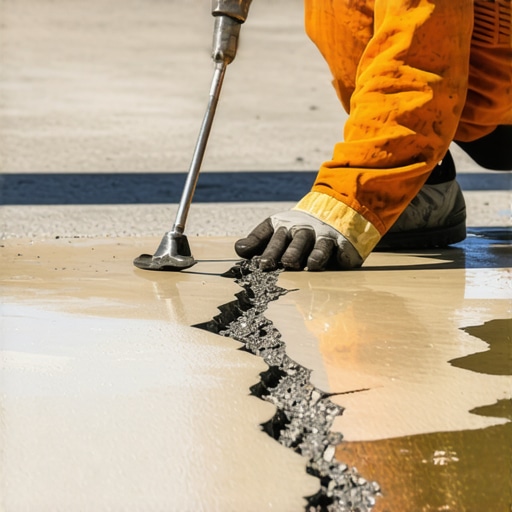
Proper crack injection involves more than just filling the gap. It requires precise sealing and controlled pressure to ensure the epoxy penetrates fully. I recommend sealing the surface edges first to prevent resin leakage, then injecting from the lowest point upward. Using specialized injection ports can help achieve uniform distribution. Skipping these steps or rushing can lead to incomplete repairs, which may cause cracks to reappear. For detailed guidance, exploring home improvement tips can be invaluable.
Resurfacing: Achieving a Seamless, Protective Finish
Once cracks are sealed, the resurfacing process can radically improve both appearance and resilience. Choosing a suitable coating—be it epoxy-based or cementitious—depends on your specific needs and climate conditions. Applying the resurfacing material in thin, even layers with proper curing times ensures a smooth, durable surface. I often use a trowel or roller, and for larger areas, a spray system can save time. Remember, proper curing is crucial; rushing the process might compromise adhesion and finish quality.
How can I ensure my driveway repair withstands seasonal changes and heavy use?
Addressing this question involves understanding the local climate and traffic load. Incorporating flexible epoxy formulations can absorb ground movements caused by temperature fluctuations. Additionally, applying a protective sealant periodically helps prevent water ingress, which is a common culprit behind crack expansion. Regular inspections and timely touch-ups are also essential to maintain longevity. I recommend reading more about eco-friendly and sustainable solutions at eco-friendly DIY projects.
Practical Maintenance Tips for Long-Term Success
Even the best repairs require ongoing care. Regularly cleaning the surface and resealing every few years can prevent minor issues from escalating. Pay attention to new cracks or surface wear, and address them promptly. For those eager to expand their DIY skills, exploring home improvement tips can provide valuable insights into preventive maintenance and advanced repair techniques. Sharing your experiences or seeking advice in the comments helps foster a community of DIY enthusiasts committed to durable, cost-effective solutions.
Balancing Aesthetics and Durability in Driveway Restoration
Reflecting on my journey with driveway repairs, I’ve come to appreciate how essential it is to strike a balance between appearance and structural integrity. When I first started resurfacing, I was primarily concerned with making my driveway look good. However, over time, I realized that choosing materials with higher flexibility and weather resistance not only maintains the beauty but also prolongs lifespan. This deeper understanding led me to explore advanced epoxy formulations that can withstand seasonal shifts and heavy traffic, ensuring my investment remains protected for years to come.
Nuances of Surface Preparation: Beyond the Basics
While surface prep may seem straightforward, I’ve learned that the devil is in the details. For instance, I now incorporate moisture meters to check for residual dampness, ensuring the surface is impeccably dry before applying epoxy. I also pay close attention to micro-textures; lightly sanded or etched surfaces provide better adhesion than merely cleaning. Sometimes, I add a primer layer tailored to my chosen epoxy or resurfacing material, which can dramatically improve bond strength. These meticulous steps may seem tedious but are crucial for seamless, lasting repairs.
How to Customize Repair Techniques for Unique Climate Challenges
Living in a region with extreme temperature fluctuations has taught me that one-size-fits-all solutions rarely work. I discovered that incorporating flexible epoxy resins can accommodate ground movement without cracking again. Additionally, I’ve experimented with sealants infused with hydrophobic compounds to repel water, a common culprit in crack expansion. These personalized adjustments require a bit of research and experimentation, but they significantly improve durability. If you’re interested in exploring eco-friendly options, I suggest checking out sustainable DIY solutions that can be adapted for driveway repair.
Deep Dive into Material Selection: Why It Matters
Choosing the right materials is more than just picking the most affordable or popular brand. I’ve learned that compatibility with climate, substrate type, and traffic load are critical. For instance, high-performance epoxy with UV stabilizers prevents fading and degradation over time, especially in sunny regions. Resurfacing products with embedded aggregates can enhance traction, reducing slip hazards. Reliable suppliers and detailed product datasheets—like those recommended at trusted sources—are invaluable for making informed choices.
Sharing Personal Experiences: Your Turn to Contribute
Repairing my driveway has been a rewarding process, filled with lessons learned from both successes and failures. I’d love to hear about your experiences—what techniques have worked for you? Have you encountered challenges that required innovative solutions? Sharing our journeys can inspire others and foster a community of DIY enthusiasts dedicated to sustainable, cost-effective home improvements. Feel free to comment below or explore more tips at home improvement resources. Together, we can build stronger, more resilient driveways that stand the test of time and seasons.
Mastering Flexibility: Customizing Repair Solutions for Dynamic Climates
Living in an area with significant seasonal shifts, I’ve learned that incorporating flexible epoxy formulations is essential to accommodate ground movement and prevent re-cracking. Epoxy resins infused with elastomeric compounds offer remarkable resilience, absorbing expansion and contraction without compromising the structural integrity. This approach requires meticulous surface preparation—ensuring micro-textures are etched for optimal bonding—and selecting products tested for thermal cycling endurance. For DIY enthusiasts aiming to refine their repair techniques, exploring sustainable DIY solutions can provide innovative insights into eco-friendly, adaptable materials that stand the test of climate variability.
The Nuances of Material Compatibility: Choosing the Right Epoxy and Resurfacing Products
Understanding the compatibility between substrate, climate, and repair materials is vital for longevity. I’ve found that UV-stabilized, high-adhesion epoxy resins resist fading and degradation under prolonged sun exposure, while cementitious overlays with embedded aggregates enhance traction and durability. Consulting detailed datasheets and trusting reputable suppliers—such as those recommended by authoritative sources—ensures optimal product selection. This meticulous process minimizes premature failure and provides peace of mind that repairs will endure seasonal stresses and heavy traffic.
Precision Surface Preparation: The Foundation of Successful Repairs
Surface preparation remains my unsung hero—often overlooked but critically important. I employ moisture meters to confirm dryness, micro-sanding to increase adherence, and priming to enhance bond strength. For complex cracks, I incorporate reinforcement meshes or fiber reinforcements to mitigate widening under load. These meticulous steps, though time-consuming, significantly improve the durability and aesthetic quality of repairs. For those seeking a comprehensive approach, exploring home improvement tips can elevate your DIY game from basic patching to expert-level restoration.
Expert Injection Techniques: Ensuring Complete Crack Sealing
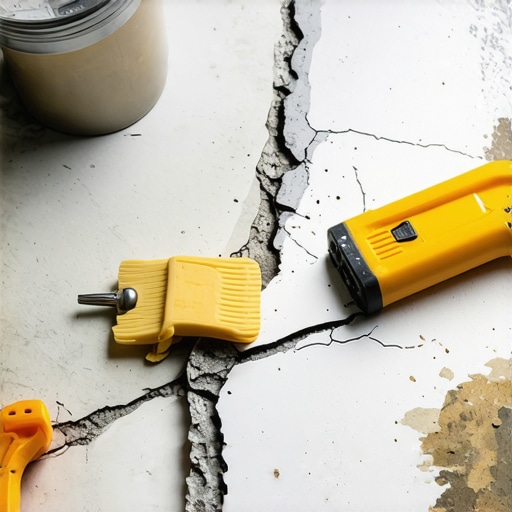
Proper crack injection involves more than just filling gaps. I follow a disciplined sequence: sealing surface edges to prevent resin leakage, injecting from the lowest point upward with specialized ports, and controlling pressure for full resin penetration. Using micro-needles and controlled-pressure pumps guarantees uniform distribution. Rushing or neglecting these steps often results in incomplete repairs, leading to re-cracking. For detailed guidance, I recommend delving into home improvement tips, which offer invaluable strategies for advanced crack sealing.
Seamless Resurfacing: Achieving a Protective and Aesthetic Finish
After sealing cracks, applying a resilient overlay is crucial. I prefer epoxy-based coatings with embedded aggregates for their slip resistance and weatherproof qualities. Applying thin, even layers with proper curing times, and using tools like rollers or spray systems, ensures a smooth, uniform surface. Rushing curing compromises adhesion—so patience here is essential. Additionally, periodic resealing enhances longevity, especially in high-traffic zones, effectively defending against future damage and maintaining aesthetic appeal.
How Can I Tailor My Repair Strategies to Withstand Heavy Loads and Seasonal Shifts?
Addressing this involves selecting high-performance, flexible epoxy resins and incorporating hydrophobic sealants that repel water ingress. Regular inspections, prompt crack sealing, and resealing with compatible protective coatings are vital. My experience shows that understanding the specific demands—be it freeze-thaw cycles or vehicle weight—is crucial. Incorporating advanced materials and techniques, such as eco-friendly solutions discussed at sustainable DIY projects, not only prolongs lifespan but also aligns with environmentally conscious practices. Sharing your journey and techniques in the comments can foster a community of skilled DIYers dedicated to durable, resilient driveway repairs.
Things I Wish I Knew Earlier (or You Might Find Surprising)
Hidden Durability Factors
One thing I underestimated was the importance of choosing epoxy resins with UV stabilization. Using high-quality, weather-resistant materials has dramatically extended the lifespan of my driveway repairs, saving me from frequent touch-ups. It’s amazing how a small detail like this can make a big difference over time.
The Power of Proper Surface Prep
I used to skip thorough cleaning and micro-sanding, thinking it was unnecessary. Now I know that meticulous surface preparation is the foundation of successful repairs. When I started paying attention to micro-texture and priming, my crack sealing and resurfacing results became much more durable and professional-looking.
Seasonal Flexibility Matters
Living in a region with harsh seasonal shifts, I discovered that incorporating flexible epoxy formulations helps my driveway withstand ground movements caused by temperature swings. This personal tweak has prevented re-cracking and preserved the aesthetic appeal through winter and summer.
Sealants for Water Defense
Applying hydrophobic sealants periodically has added an extra layer of protection. Water ingress is a sneaky enemy that causes cracks to widen, so these sealants have been a game-changer for maintaining my driveway’s integrity in rainy seasons.
DIY Doesn’t Mean Cutting Corners
While DIY is rewarding, I learned not to compromise on quality materials or skip steps like curing times. Rushing might save time initially but leads to quicker failures, which can be costly and frustrating. Patience and proper technique are worth every minute.
Resources I’ve Come to Trust Over Time
- DIYKutak: This site has become my go-to for step-by-step guides on epoxy injection and resurfacing techniques. Their detailed instructions and product recommendations give me confidence in my DIY projects.
- Home Improvement Tips: I often refer to this resource for general maintenance advice. It’s a treasure trove of practical tips that help me keep my driveway in top shape and prevent future issues.
- Trusted Suppliers: I rely on well-reviewed suppliers like those linked in DIYKutak articles for high-quality epoxy resins and resurfacing materials. Quality products are essential for durable repairs, and trusted sources help me avoid shortcuts.
Parting Thoughts from My Perspective
Reflecting on my driveway repair journey, I realize that investing in quality materials, proper prep, and patience yields the best long-term results. Epoxy injection and resurfacing transformed my cracked, aging driveway into a sturdy, attractive surface that now stands up to seasonal and heavy use. If this resonates with you, I’d love to hear your own experiences or tips. Sharing our stories can inspire others and build a community of DIY enthusiasts dedicated to lasting home improvements. Remember, a well-maintained driveway isn’t just about aesthetics; it’s about peace of mind and protecting your investment for years to come. Feel free to explore more at home improvement tips and keep learning with trusted resources.