
Discovering the Charm of Reclaimed Wood: My First Step into Worm Composting
When I first started my eco-friendly gardening journey, I was eager to find sustainable ways to compost kitchen scraps. One day, I stumbled upon the idea of building a worm bin using reclaimed wood, and I decided to give it a shot. I remember rummaging through local salvage yards, excited to find the perfect pieces of aged, weathered wood that would become the foundation of my worm composting system.
Designing a Worm Bin That Tells a Story
My goal was to create a sturdy, eco-conscious worm bin from materials I could upcycle. I envisioned a simple yet functional design, with slatted sides for airflow and a lid that kept out pests. Using reclaimed wood not only reduced waste but added a rustic charm to my garden setup. I learned that choosing untreated, chemical-free wood was crucial for maintaining a healthy environment for my worms.
Step-by-Step: Building My Reclaimed Worm Bin
Starting with a basic plan I found on DIY guides, I carefully measured and assembled the reclaimed wood pieces. I used recycled nails and eco-friendly sealants to hold everything together, making sure the structure was stable and well-ventilated. The process was both rewarding and educational, reinforcing my commitment to sustainable practices.
Why a Worm Bin Made from Reclaimed Wood Works Wonders
Not only does this approach give new life to old wood, but it also creates an environment that encourages healthy worm activity. The natural texture of reclaimed wood helps retain moisture and provides a habitat that mimics their natural surroundings. Plus, I found that my DIY worm bin was significantly cheaper and more personalized than store-bought options.
Addressing Common Concerns: Is Reclaimed Wood Safe for Worms?
One question I often encountered was whether reclaimed wood could contain harmful chemicals. I did thorough research and chose only untreated, salvaged wood from trusted sources. For added safety, I sanded the surfaces to remove any splinters or residues. According to experts like EPA, selecting non-toxic materials is essential for creating a healthy composting environment.
What deeper insights can I share about maintaining a reclaimed wood worm bin?
Maintaining the right moisture level, balancing the carbon-to-nitrogen ratio, and ensuring proper aeration are key to a thriving worm compost system. Regularly checking your bin and adding shredded paper or vegetable scraps can keep your worms happy and productive. I also recommend placing your worm bin in a shaded spot to prevent overheating, especially during summer months.
If you’re considering building your own worm bin from reclaimed wood, I encourage you to start small and observe how your worms adapt. It’s a fulfilling project that combines sustainability with practical gardening. Feel free to share your experiences or ask questions in the comments below—I love connecting with fellow eco-enthusiasts!
Deep Dive: Enhancing Your Reclaimed Wood Worm Bin for Optimal Composting
Building on my initial experience, I discovered that the longevity and health of your worm bin hinge on meticulous maintenance and thoughtful design tweaks. For instance, incorporating adjustable ventilation panels made from reclaimed wood can offer better control over humidity levels, which is crucial for worm activity. Additionally, adding a drip tray beneath the bin can prevent excess moisture from accumulating, creating a more stable environment.
Integrating Natural Materials to Boost Worm Health
Utilizing natural materials such as coconut coir or shredded straw alongside reclaimed wood can significantly improve moisture retention and aeration. These additions mimic the worms’ natural habitat, encouraging thriving populations. Moreover, sourcing these materials sustainably aligns with eco-friendly principles, ensuring your composting system remains truly green. For a comprehensive guide on eco-conscious DIY projects, check out home decor ideas for DIY enthusiasts.
Addressing Challenges: How Can You Prevent Odors and Pests?
One common issue faced with worm bins is odor buildup, often caused by excess food or improper aeration. To mitigate this, I recommend layering your kitchen scraps with shredded paper or dried leaves, which absorb moisture and prevent foul smells. Regularly turning the contents with a reclaimed wooden tool helps aerate the compost, further reducing odor issues. Additionally, ensuring the lid is secure and pest-proof is vital—consider sealing any gaps with natural, non-toxic sealants.
What advanced strategies can I employ to troubleshoot and optimize my worm composting system?
Monitoring the temperature and moisture levels consistently is key. An ideal temperature range for worm activity is 55-77°F (13-25°C). Using a simple moisture meter can help you keep conditions optimal. If temperatures fluctuate, relocating your bin to a shaded or sheltered spot can make a big difference. Also, periodically adding crushed eggshells or agricultural lime can help buffer pH levels, maintaining a healthy environment for your worms. For further insights into sustainable DIY practices, explore DIY projects for all skill levels.
Remember, maintaining a thriving worm compost bin is a dynamic process that benefits greatly from continuous observation and small adjustments. Sharing your journey or seeking advice from seasoned composters can lead to invaluable improvements. Engage with the community by leaving comments or sharing your successes—it’s a rewarding way to deepen your eco-knowledge and inspire others.
Deepening the Craft: Advanced Strategies for Sustainable Worm Composting
As I delved further into my worm composting journey, I realized that there’s a delicate balance between simplicity and sophistication. It’s not just about building a bin from reclaimed wood anymore; it’s about crafting an environment that nurtures the worms and maximizes compost efficiency. My experience has taught me that small tweaks, when thoughtfully implemented, can significantly enhance the health and productivity of your vermiculture system.
Optimizing Microclimates: The Art of Controlling Temperature and Humidity
One of the most nuanced challenges I faced was maintaining an ideal microclimate within my reclaimed wood worm bin. Worms thrive between 55-77°F (13-25°C), but fluctuations are inevitable, especially in outdoor settings. I started experimenting with adjustable ventilation panels—crafted from reclaimed wood and fitted with eco-friendly hinges—to regulate airflow. This allowed me to fine-tune humidity levels, preventing both dryness and excess moisture, which can lead to anaerobic conditions or odors. Using a simple hygrometer and thermometer, I could monitor conditions and make incremental adjustments, turning my composting into a precise science rooted in a sustainable ethos.
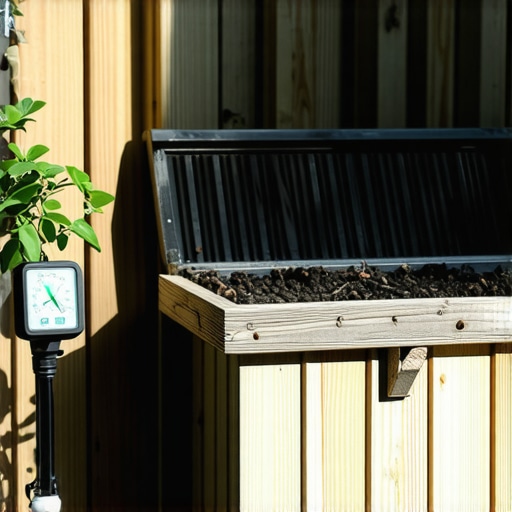
Image prompt: A reclaimed wood worm bin with adjustable ventilation panels, set in a shaded garden corner, showing a hygrometer and thermometer for climate control.
Embracing Natural Materials: Enhancing Habitat Complexity
Beyond reclaimed wood, I incorporated other natural, biodegradable materials—like coconut coir and shredded straw—to mimic the worms’ natural habitat more closely. These additions improve moisture retention and aeration, creating a layered environment that supports diverse microbial life. I found that mixing in small quantities of crushed eggshells or agricultural lime helped buffer pH levels, preventing acidity and fostering a more stable environment. These small but impactful modifications required a deeper understanding of soil ecology, pushing me to learn more about compost microbiomes and worm behavior.
Addressing Odor and Pest Management: The Subtleties
Odor control is a perpetual concern, especially with larger systems. I discovered that layering kitchen scraps with shredded paper or dried leaves acted as natural absorbents, reducing foul smells. Regularly turning the compost with a reclaimed wooden tool—crafted from scraps of old furniture—improved aeration and broke down organic matter evenly. Securing the lid with natural sealants and sealing any gaps kept pests at bay without introducing chemicals, aligning with my eco-conscious principles. This process underscored the importance of routine maintenance and observation, as small signs of imbalance can quickly escalate into bigger issues if left unchecked.
Engaging with the Community: Sharing and Learning
One of the most rewarding aspects of this advanced journey has been connecting with fellow enthusiasts through online forums and local workshops. Sharing insights about climate control, habitat enrichment, or pest prevention often sparks new ideas and solutions. I invite you to share your own experiences—what tweaks have transformed your vermicomposting, or what challenges still loom? Engaging with a community not only accelerates learning but also reinforces the virtue of collective sustainability efforts.
Further Exploration: Building a Multi-Tiered Compost System
For those eager to expand, I recommend exploring multi-tiered worm composting systems, which allow for continuous harvesting and increased capacity. Integrating these with reclaimed wood structures and natural materials can create a resilient, scalable setup. Resources like this detailed guide provided invaluable insights during my early experiments. Remember, every improvement is a step toward a more sustainable, enriching practice that benefits your garden and the planet.
Innovative Techniques for Microclimate Optimization in Worm Bins
As my expertise in vermiculture deepened, I realized that precise microclimate management is essential for maximizing worm survival and compost efficiency. While basic ventilation and moisture control are foundational, advanced strategies involve creating a dynamic environment that adapts to seasonal changes and microenvironmental fluctuations.
Designing Reclaimed Wood Structures with Climate Responsiveness
Incorporating adjustable, reclaimed wooden vents allows for real-time regulation of airflow. These can be fitted with eco-friendly hinges and sealed with natural sealants to prevent pest intrusion while maintaining breathability. Embedding hygrometers and thermometers within the structure provides continuous data, enabling me to fine-tune conditions, especially during extreme weather shifts.
Leveraging Natural Insulation and Site Positioning
Strategic placement of the worm bin in shaded, sheltered locations reduces temperature extremes. Adding natural insulation layers—such as straw bales or additional reclaimed wooden panels—further stabilizes internal temperatures. These methods mimic natural burrows, offering worms a comfortable habitat that resists seasonal stressors. For further insights into sustainable microclimate design, exploring natural building techniques can be enlightening.
Harnessing Sensor Technology for Precision Management
Integrating affordable sensor technology, such as digital hygrometers and thermometers, allows for real-time data collection. These sensors can be connected to simple DIY automation systems—using microcontrollers like Arduino—to alert me when conditions drift outside optimal ranges. This proactive approach transforms traditional vermiculture into a high-precision, eco-conscious operation that minimizes resource waste and maximizes output.
Creating a Resilient Ecosystem within Your Worm Bin
Complementing climate control, I enrich the habitat with microbe-friendly amendments—like biochar or crushed eggshells—that buffer pH and improve moisture retention. These additions foster a resilient ecosystem that can withstand fluctuations, reducing the need for constant manual adjustments. This holistic approach exemplifies how combining natural materials and modern technology leads to sustainable, high-yield composting systems.
How can you incorporate these advanced climate control strategies into your existing worm composting setup?
If you’re eager to elevate your vermiculture practice, start by assessing your current microenvironment and experiment with simple modifications like adjustable vents or site repositioning. Gradually introduce sensor technology to gain precise insights, and consider natural insulation options to buffer temperature extremes. Sharing your progress or challenges can spark valuable community discussions and innovative solutions—so don’t hesitate to connect with fellow enthusiasts or consult specialized forums for tailored advice.