
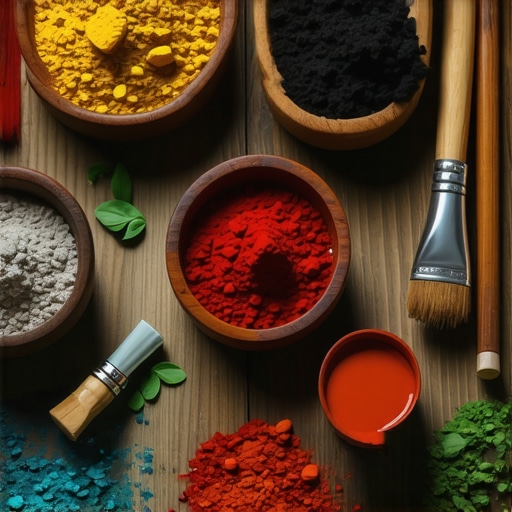
Discovering the Beauty of Earth Pigments: A Personal Journey
As an artist passionate about sustainability, I’ve always been fascinated by the idea of making my own paints using natural materials. I still remember the first time I ground a handful of ochre and turned it into a vibrant, earthy hue—an experience that transformed my approach to art. Creating natural paints not only connects me to ancient traditions but also ensures my art remains eco-friendly. Today, I want to share my insights on how you can start your own journey toward eco-conscious artistry by exploring earth pigments and natural paints.
Why Choose Natural Paints and Earth Pigments?
Over the years, I’ve learned that traditional synthetic paints often contain chemicals harmful to both the environment and our health. Switching to natural paints made from earth pigments feels like a responsible choice. These pigments are sourced from mineral-rich soils and plant extracts, offering a stunning palette of colors that age beautifully over time. Plus, making your own paints can be surprisingly simple and rewarding, turning your creative process into a mindful, eco-friendly practice.
How to Extract and Prepare Earth Pigments at Home
My favorite part of this journey is the hands-on process of creating earth pigments. I start by collecting raw materials—think clay, ochre, or charcoal—from local natural sites. I always check for permission and ensure I’m harvesting responsibly, respecting nature’s delicate balance. Once I have my raw materials, I dry and grind them into fine powders using a mortar and pestle or a dedicated grinder. To turn these powders into paints, I mix them with natural binders like beeswax or plant oils, creating a versatile palette for various artistic techniques. For detailed guidance, I often refer to trustworthy sources like Natural Pigments.
What Are the Challenges and Rewards of Natural Painting?
One question I often get is whether natural paints are as durable as synthetic ones. Honestly, with proper preparation and sealing, earth pigments can be incredibly resilient. However, they do require patience and experimentation to perfect. The real reward lies in the authenticity and connection to nature I feel when creating and using these pigments. Moreover, I love sharing my finished artworks, knowing they’re eco-friendly and safe for everyone to enjoy.
How Can I Deepen My Understanding of Eco-Friendly Art Techniques?
If you’re curious to learn more about sustainable art practices, I recommend exploring workshops and online courses dedicated to natural dyeing and pigment extraction. Engaging with communities focused on eco-art can provide invaluable tips and inspiration. Feel free to ask questions or share your experiences in the comments—I’d love to hear your journey into eco-friendly art!
Remember, every small step towards sustainability counts. Whether you’re creating a small botanical print or a large mural, using natural paints and earth pigments helps protect our planet while allowing your creativity to flourish. Happy eco-friendly creating!
Unlocking the Rich Palette of Earth Pigments for Sustainable Art
As an artist dedicated to eco-conscious practices, exploring the depths of natural earth pigments offers a world of vibrant possibilities. From the warm tones of ochre to the deep blacks of charcoal, these materials not only enrich your palette but also connect you to centuries-old traditions of sustainable artmaking. In this article, I’ll guide you through advanced techniques for sourcing, preparing, and utilizing earth pigments to elevate your creative projects while maintaining environmental integrity.
The Science and Art of Earth Pigments: A Fusion of Tradition and Innovation
Understanding the composition of earth pigments is essential for achieving durability and colorfastness in your artwork. Minerals like hematite and goethite provide reds and yellows, while ultramarine and indigo derived from natural sources add depth to your blues. Modern advancements have enabled us to refine these pigments, ensuring consistency and safety. Collaborating with trusted sources such as Natural Pigments can provide high-quality raw materials and expert insights, helping you develop a nuanced understanding of pigment properties and applications.
What Are the Most Effective Methods for Enhancing the Longevity of Natural Pigments?
One challenge with natural pigments is ensuring their resistance to environmental factors like UV exposure and humidity. Techniques such as incorporating natural binders—like damar resin or casein—can significantly improve adhesion and durability. Additionally, applying protective varnishes formulated for eco-friendly paints can preserve your artwork’s vibrancy over time. Experimenting with these methods allows for a tailored approach that balances aesthetic goals with longevity, especially important for artworks intended for outdoor display or long-term preservation.
Innovative Approaches to Extracting and Customizing Earth Pigments
Beyond traditional collection and grinding, there are innovative ways to customize earth pigments for specific artistic effects. For instance, thermal treatment of clays can alter their color and particle size, enabling a broader spectrum of hues. Similarly, blending different earth powders creates unique shades and textures, perfect for mixed-media projects or large murals. Incorporating natural additives like crushed mica or charcoal can add shimmer or depth, transforming simple earth tones into complex visual narratives.
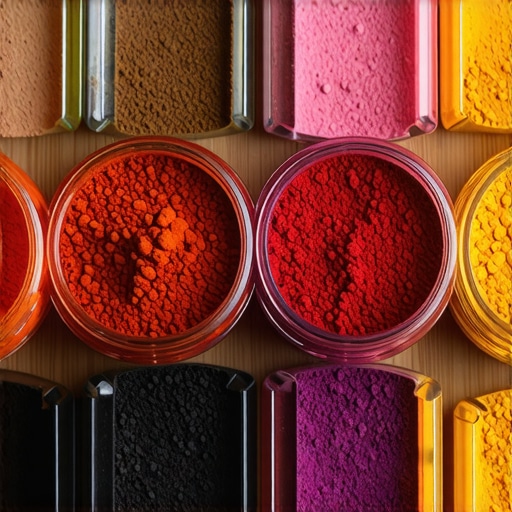
To visualize this process, imagine a palette of finely ground earth powders arranged in small jars, alongside natural binders and mixing tools—an artist’s laboratory blending tradition with creativity.
Integrating Earth Pigments into Modern Art Practices
As eco-artist and innovator, I often combine earth pigments with contemporary techniques such as digital printing or eco-resin casting. This fusion allows for the creation of sustainable art installations that are both visually compelling and environmentally responsible. For example, embedding earth pigments into biodegradable resins can result in textured sculptures that age gracefully, echoing natural decay and renewal.
Moreover, exploring partnerships with local communities for responsible sourcing not only enriches your cultural understanding but also supports sustainable practices. Remember, the key to mastering natural pigments is continuous experimentation and education. Workshops, online courses, and engaging with eco-art communities can deepen your expertise—consider exploring resources like home decor DIY projects for inspiration on practical applications.
If you’re eager to elevate your artistic practice further, I encourage you to share your experiences or ask questions in the comments. Your journey into eco-friendly art can inspire others to embrace sustainable creativity, making a meaningful impact one brushstroke at a time.
Embracing the Subtle Nuances of Earth Pigments in Personal Art Practice
Over the years, my journey with natural earth pigments has evolved from simple experimentation to a profound appreciation for their deep historical and cultural significance. I recall a particular project where I combined ochre and charcoal powders, not just for their aesthetic qualities, but to honor the ancient artisans whose crafts I admire. This layered approach, exploring the subtle variations in pigment composition and application techniques, revealed how deeply these materials can connect us to nature and tradition.
Refining Techniques for Enhanced Durability and Richness
One challenge I faced was achieving a balance between vibrant color and longevity. Through extensive testing, I discovered that natural binders like damar resin or casein could significantly enhance the durability of earth pigments. Incorporating natural resins, for example, creates a protective layer that shields pigments from environmental factors, ensuring that your artwork remains vibrant over time. Experimenting with different ratios and application methods has been key—sometimes a thin glaze of natural varnish can elevate the richness of the hue while offering protection.
What Are the Ethical and Sustainability Considerations in Sourcing Earth Pigments?
My personal experience has taught me that responsible sourcing is crucial. I always seek permission before collecting raw materials from natural sites, respecting local ecosystems and cultural sensitivities. Collaborating with local communities and sourcing from reputable suppliers like Natural Pigments ensures that my practice supports sustainable and ethical initiatives. This conscious approach deepens my connection to the land and reminds me that true artistry involves stewardship of natural resources.
How Can Advanced Knowledge of Mineral Composition Elevate Artistic Outcomes?
Understanding the mineralogical makeup of earth pigments opens new creative possibilities. For example, knowing that hematite provides deep reds and that goethite yields yellows allows me to tailor my palette for specific effects. Modern tools like portable X-ray fluorescence (XRF) analyzers enable artists to identify mineral compositions on-site, leading to more precise and consistent results. This fusion of science and art, supported by trusted sources such as Natural Pigments, empowers artists to push boundaries while respecting the integrity of natural materials.
Inviting Personal Experiences and Continued Exploration
I encourage you to share your own experiences with earth pigments—what challenges have you faced, and what discoveries have transformed your practice? Exploring advanced techniques, from thermal treatment of clays to creating custom blends, can truly elevate your work. For further inspiration and technical guidance, consider visiting home decor DIY ideas and engaging with online communities dedicated to sustainable art. Remember, every brushstroke rooted in nature’s palette is a step toward a more mindful, environmentally conscious art practice.
Harnessing Mineralogical Insights for Artistic Excellence
Delving deeper into the mineralogical composition of earth pigments allows me to craft artworks with unparalleled precision and longevity. Understanding the specific mineral constituents, such as hematite for rich reds or goethite for warm yellows, enables me to select materials that best suit my artistic vision. Modern analytical tools like portable X-ray fluorescence (XRF) spectrometers, as discussed by experts at Natural Pigments, empower me to identify mineral compositions on-site, ensuring consistency and authenticity in my palette. This fusion of science and art elevates my creative process, allowing for nuanced control over hue, saturation, and durability.
Innovative Processing Methods for Custom Earth Pigments
Beyond traditional grinding, thermal treatment of clays has opened new avenues for color manipulation and textural variation. Heating raw clay at specific temperatures alters its mineral structure, producing unique shades that are impossible to achieve through mere grinding. Additionally, blending different earth powders creates complex, layered hues that evoke natural landscapes. I often incorporate natural additives such as crushed mica or charcoal to introduce shimmer or depth, transforming simple earth tones into multi-dimensional visual stories. These innovative techniques require patience and experimentation but reward artists with extraordinary control over their medium.
Enhancing the Durability of Natural Pigments for Outdoor Art
One of the significant challenges with natural pigments is ensuring their resilience against environmental stressors like UV radiation and moisture. Integrating natural binders such as damar resin or casein can significantly bolster adhesion and weather resistance, as highlighted by conservation experts. Applying eco-friendly varnishes formulated for natural paints creates a protective barrier that preserves vibrancy over decades. This meticulous layering and sealing process demands a nuanced understanding of material interactions but ultimately results in artworks that age gracefully while maintaining their original brilliance. My ongoing experiments focus on balancing aesthetic vibrancy with practical longevity, pushing the boundaries of sustainable outdoor art.
Creating Custom Earth Pigment Blends for Unique Artistic Effects
Crafting bespoke blends of earth pigments allows me to develop a personal palette tailored to specific projects. Thermal treatment of clays can modify their hue and particle size, while mixing different powders yields unprecedented shades and textures. For example, blending ochre with charcoal creates muted, earthy tones perfect for naturalistic landscapes. Incorporating natural additives like mica or crushed shells introduces shimmer and texture, adding complexity to my compositions. These custom blends foster a deeper connection with my materials, enabling me to express nuanced emotional tones and intricate details that resonate with viewers.
How Can I Incorporate Eco-Conscious Practices into My Artistic Workflow?
Integrating eco-friendly practices involves not only sourcing responsibly but also adopting sustainable techniques throughout my creative process. I prioritize collecting earth materials ethically, obtaining necessary permissions and collaborating with local communities to support sustainable harvesting. Additionally, experimenting with natural binders and non-toxic varnishes minimizes environmental impact. Sharing my knowledge through workshops and online tutorials, I encourage others to embrace these practices, fostering a community committed to environmental stewardship. If you’re interested in deepening your understanding, exploring resources like our contact page can connect you with experts in sustainable art techniques. Remember, every conscious choice amplifies the positive impact we can have on our planet and art community.
Things I Wish I Knew Earlier (or You Might Find Surprising)
1. The Rich History Beneath Our Feet
Discovering that earth pigments have been used for thousands of years deepened my appreciation for natural materials. I once thought of pigments as just colors, but learning about their cultural significance and ancient origins made my art more meaningful.
2. The Power of Responsible Sourcing
Initially, I collected earth minerals without much thought. Now I realize that responsible harvesting and respecting local ecosystems are crucial. Small actions, like asking permission, can make a big difference in maintaining environmental balance.
3. The Surprising Durability of Natural Paints
Many believe natural pigments fade quickly, but with proper sealing and care, they can last for decades. This revelation encouraged me to trust traditional methods and experiment more confidently.
4. Customization Through Thermal Treatment
Heating clay not only alters its color but also expands the palette in ways I never expected. It’s like unlocking secret shades hidden within the earth, giving my artwork a unique, personal touch.
5. The Intersection of Science and Art
Using tools like XRF analyzers to identify mineral compositions has bridged the gap between science and art. This fusion allows for precision and authenticity in my natural pigment use, elevating my creative process.
6. Sharing and Community
Engaging with eco-art communities and sharing experiences has enriched my journey. It’s inspiring to see others embrace sustainable practices, creating a collective movement towards mindful artistry.
Resources I’ve Come to Trust Over Time
- Natural Pigments: A trusted source for high-quality natural pigments and detailed guides. Their expertise has been invaluable in my learning journey.
- Science for Artists: Books and online courses that explain the mineral compositions and extraction techniques, helping me understand the science behind my materials.
- EcoArt Communities: Online forums and local workshops where artists share sustainable techniques and ethical sourcing tips, fostering a supportive learning environment.
Parting Thoughts from My Perspective
Exploring earth pigments and embracing sustainable art practices has profoundly changed my approach to creativity. I’ve learned that natural materials offer a depth and authenticity that synthetic paints often lack, and that responsible sourcing is essential for preserving our environment. My advice is to start small—try grounding your own pigments or experimenting with natural binders—and let your curiosity lead the way. If this resonates with you, I’d love to hear your thoughts or experiences. Share it with someone who might find it inspiring, and continue nurturing your connection to nature through art. Happy creating and sustainable exploring!
,
This article really resonated with me, especially the emphasis on responsible sourcing and the hands-on process of creating earth pigments. I’ve recently started experimenting with natural binders like linseed oil and have found that they can really enhance the longevity of my paintings. It’s fascinating how thermal treatment of clays can open up new colour possibilities—I hadn’t considered this technique before, but it seems like a great way to deepen the palette. Have others experimented with heating different types of clay, and what results did you achieve? I believe that combining traditional methods with modern technology, like portable XRF devices, can truly elevate natural art practices. It’s inspiring to see how eco-conscious techniques not only promote sustainability but also bring unique character to artworks. Would love to hear more about anyone’s experiences blending natural earth pigments into mixed media—it’s such an exciting field for creative exploration.