
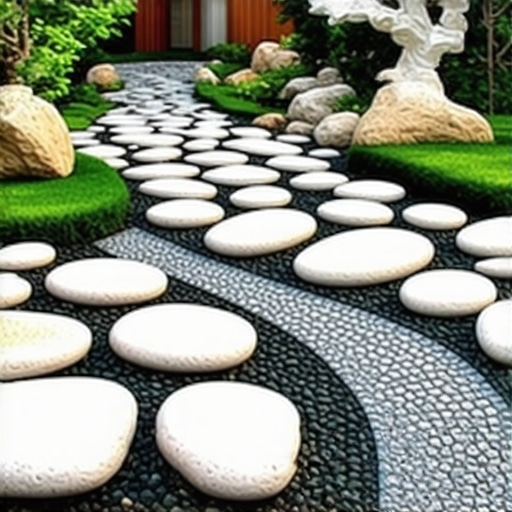
Ever spent hours trying to revamp a dull corner or an uninspired garden patch, only to feel like your efforts vanished into thin air? That was me not too long ago. I’d try all the latest trends, from fancy paint jobs to tricky DIY projects, but nothing seemed to stick or truly transform my space. It was frustrating—until I realized the secret wasn’t just in the big changes but in the details. Small, innovative embeds and decorative techniques can elevate your home and garden from ordinary to extraordinary, and I want to share those insights with you.
Why Embeds and Decorative DIY Techniques Matter Right Now
These days, more people are turning to DIY home decor ideas not just to save money, but to craft spaces that truly reflect their personality. Adding unique embedded elements—like decorative tiles, embedded stones, or recycled art—can create a sense of depth and character you just can’t get from store-bought decor. Plus, with the current surge in sustainable living, repurposing and embedding recycled materials into your projects isn’t just trendy; it’s eco-friendly too. According to a recent study, up to 70% of homeowners are now interested in DIY projects that incorporate sustainable materials to reduce their environmental footprint.
But let’s be honest—getting started can be intimidating. I made my fair share of mistakes early on, like rushing into complex projects without proper planning, which led to costly errors and a lot of wasted materials. The key is to approach it step-by-step, understanding the tricks of the trade, and choosing techniques that match your skill level. That’s exactly what I’ll help you with today: simple, effective methods to incorporate innovative embeds and decorative touches into your home and garden, making DIY not just a task but a rewarding journey.
Is This Style of Decor Actually Worth the Hype?
If you’re skeptical about whether embedding materials and decorative techniques are worth the effort, I get it. I’ve been there. My initial mistake was underestimating how much planning and patience these projects require. But once I saw how a few well-placed stones or a splash of color in a mosaic could completely change the vibe of a space, I was hooked. The payoff is real—these small details add personality and charm, making your environment uniquely yours. Want to learn more about beginner-friendly DIY projects? Check out this guide for beginners, which is packed with practical tips to get you started confidently.
Now, are you ready to turn your ordinary corners into extraordinary showcases of your creativity? Let’s dive into the art of embedding and decorating — I’ll walk you through the best techniques so you can start creating today!
Start with a Clear Plan
Before diving into embedding materials or decorative touches, sketch out your design and gather all necessary supplies. I once jumped straight into creating a mosaic border around my garden bed without a plan, leading to mismatched tiles and frustration. This time, I drafted a simple layout, selected color schemes, and listed materials like decorative stones, tiles, or recycled glass. Planning saves time and materials, ensuring your finished piece looks cohesive and polished.
Choose Your Embedding Materials Wisely
Think of embedding like creating a layered cake: each ingredient adds flavor and texture. For garden art, recycled glass, broken ceramic pieces, pebbles, or even bottle caps can serve as vibrant embeds. For example, I embedded recycled glass shards into a concrete stepping stone, creating a shimmering pathway that catches the sunlight. Match your materials to the environment—water-resistant, weatherproof, and eco-friendly options work best outdoors. Visit this guide for detailed material selection tips.
Prepare Your Surface Properly
Surface prep is crucial. Clean the area thoroughly to remove dirt, grease, or loose debris, which can prevent embeds from adhering properly. For my garden mosaic, I used a wire brush to roughen the surface of the concrete, helping the adhesive grip better. Use a primer if necessary, especially for smooth surfaces like wood or metal, to enhance bonding. This step is like priming a canvas before painting—essential for durability and a neat finish.
Use the Right Adhesives and Tools
Adhesive choice depends on your materials and environment. For outdoor embeds, a high-quality, weatherproof epoxy or outdoor-grade construction adhesive works best. I applied a generous layer of epoxy with a spatula to secure glass shards onto my stepping stones. Use tools like trowels, brushes, or toothpicks for precision, and protect your work with gloves and masks. Think of it as decorating a cake—careful placement ensures a professional look.
Embed with Precision and Patience
Place your materials carefully, pressing firmly but gently. I once rushed the embedding process and ended up with uneven tiles and loose stones. Instead, I pressed each piece into the adhesive, ensuring consistent depth and alignment. Allow adequate curing time—usually 24-48 hours—before moving or exposing the project to weather. Rushing leads to dislodged embeds or uneven surfaces; patience guarantees longevity and beauty.
Finish with a Sealant or Protective Coating
Seal your project to protect it from moisture, UV rays, and wear. For my garden mosaic, I applied a clear outdoor sealant after the adhesive set, enhancing color vibrancy and durability. Choose a sealant compatible with your materials; for example, a waterproof sealant for stones, or a UV-resistant spray for painted surfaces. This final step transforms your project from a temporary craft into a lasting piece of art.
Experiment and Refine Your Technique
Don’t be afraid to test different materials, patterns, or embedding techniques. I experimented with embedding small shells into a garden sculpture, which added texture and a coastal vibe. Each project teaches you something new—whether it’s how materials interact or how to improve adhesion. Keep notes or photos to track what works best, and gradually develop your unique style of home and garden art.
When it comes to embedding materials and decorative DIY projects, many enthusiasts fall prey to misconceptions that can undermine their efforts. As someone who has experimented extensively with these techniques, I can tell you that understanding the nuanced truths behind common beliefs can save you time, money, and frustration.
Why The Popular Belief That More Is Better Often Leads Astray
One widespread myth is that densely embedding materials—like filling every inch of a mosaic or layering multiple textures—automatically results in a more impressive finished product. In reality, over-embedding can create a cluttered appearance and compromise structural integrity. Less is often more, especially when you focus on strategic placement. Experts in sustainable design, such as those cited in recent studies, emphasize the importance of balance and intentionality to achieve harmony and durability in DIY projects.
Common Mistakes That Can Ruin Your Project Before It Starts
A frequent oops involves neglecting proper surface preparation, which many beginners overlook. This step is crucial because inadequate cleaning or not using the right primer can lead to embeds loosening or falling out over time. I once skipped this, resulting in a mosaic that started to disintegrate after weather exposure. Remember, even the most beautiful design fails if the foundational steps aren’t solid. For detailed surface prep techniques, check out this guide.
How Advanced Techniques Can Trip You Up Without Proper Knowledge
Many DIYers jump into complex embedding methods—like creating intricate patterns with multiple materials—without mastering basic skills first. This can lead to mismatched adhesion, uneven surfaces, or long curing times. For example, embedding glass shards into concrete requires precise adhesive choice and curing conditions; otherwise, the embeds may pop out or crack. To avoid costly mistakes, I recommend mastering foundational techniques and gradually progressing. For advanced projects, seek expert tutorials and practice on scrap materials before committing to your main project.
Have you ever fallen into this trap? Let me know in the comments. Remember, the key to successful embedding and decoration is patience, planning, and understanding the nuances that separate a professional finish from a DIY disaster. Equip yourself with knowledge, and your projects will not only look great but also stand the test of time.
Maintaining the quality and longevity of your embedded and decorative DIY projects requires more than just good initial techniques; it demands the right tools and ongoing care. Over the years, I’ve tested various equipment and methods that have proven indispensable for ensuring my projects remain stunning and durable. Today, I want to share these insights so you can keep your creations working beautifully for the long haul.
Invest in a Quality Wet Saw for Precise Cutting
A high-quality wet saw has become my go-to tool for cutting tiles, glass, and even recycled materials with precision. Unlike manual cutters, a wet saw reduces chipping and ensures clean edges, saving time and frustration. I personally prefer models with diamond blades, which cut through tough materials smoothly and reliably. For hobbyists looking to scale up or handle larger projects, investing in a durable wet saw can make a significant difference in both the finish and longevity of embedded elements.
Use a Variable Speed Rotary Tool for Detail Work
When embedding small stones or creating intricate patterns, control is everything. A versatile rotary tool with adjustable speed settings allows me to work delicately or power through tougher materials. I use mine to smooth edges, make tiny adjustments, or carve specific shapes into embedded pieces. The variable speed feature is critical to prevent damage and ensure clean, professional results. Brands like Dremel are well-known, but I recommend choosing models with sturdy construction and a range of compatible accessories for maximum flexibility.
Opt for Waterproof Epoxy and Sealants
Durability hinges on the adhesives and sealants you choose. I rely on high-quality, waterproof epoxy resins designed for outdoor use to secure embedded materials like glass, stones, or recycled glass shards. These epoxies resist weathering, UV damage, and moisture infiltration—factors that can otherwise cause embeds to loosen or degrade over time. Additionally, a good protective sealant applied after curing creates a barrier against the elements, ensuring your projects stay vibrant and intact for years.
Maintain Your Equipment Regularly
Tools are only as good as their maintenance. I recommend cleaning blades and bits after each use, checking for wear or damage, and storing equipment in dry, protected areas. Regularly replacing worn parts prevents poor performance and extends your tools’ lifespan. For example, dull blades can cause uneven cuts and stress materials, leading to cracks or dislodging embeds—costly mistakes that are easy to avoid with proper maintenance.
Where Do I See This Going in the Future?
As DIY embedding techniques evolve, so will the tools. Expect to see smarter, more integrated equipment with digital controls, better safety features, and eco-friendly options. For example, laser-guided saws or automated embedding systems could streamline complex projects, reducing errors and increasing consistency. Staying updated on innovations will help you keep your DIY craft not only effective but also cutting-edge.
How do I keep my embedded projects looking their best over time?
Regular inspection and maintenance are key. Clean surfaces gently with non-abrasive cleaners, reapply sealants as needed, and repair any damage promptly. Using the right protective coatings and avoiding harsh weather conditions can significantly prolong the life of your work. For comprehensive upkeep tips, check out this resource.
Try implementing one of these advanced techniques, like investing in a reliable wet saw or maintaining your tools diligently, and watch your projects stand the test of time. The investment in quality tools not only saves you money in repairs but also elevates your craftsmanship to professional levels.
What I Wish I Knew When I Started Embedding
One of the biggest lessons I learned is that less really is more. Overloading a project with too many embedded materials can create visual chaos rather than charm. Striking a balance between simplicity and detail ensures your work remains elegant and durable. Also, mastering surface preparation early on saved me from countless reworks; a clean, primed surface is the foundation of success in DIY embeds.
Tools and Resources That Changed My Approach
Investing in a high-quality wet saw was a game-changer, allowing me to cut tiles and glass precisely without damaging the materials. For detailed work, a versatile rotary tool with variable speeds helped me refine small embeds and add intricate touches. I also rely on trusted sources like this comprehensive guide for surface prep techniques and inspiring DIY craft ideas to keep my projects fresh and innovative.
Let Your Creativity Flourish and Your Space Shine
Now, it’s your turn to bring your home and garden to life with embedded elements and decorative touches. Start small, experiment with different materials, and don’t be afraid to make mistakes—each one is a step toward mastery. Remember, the key is patience and passion. Your unique creations can turn ordinary corners into extraordinary showcases of your personality and craftsmanship. Ready to create something beautiful? Dive into your next project and watch your space transform!