
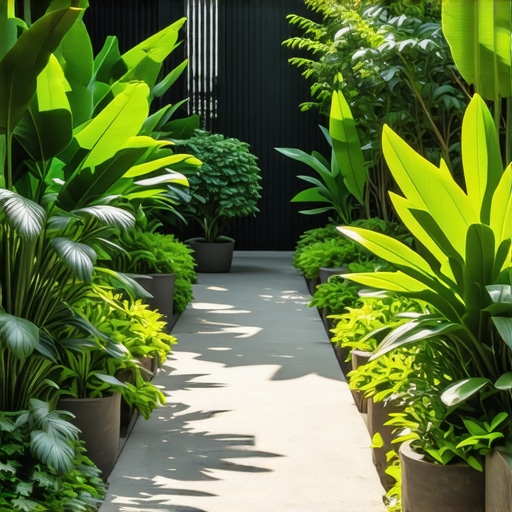
Ever spent hours trying to make your garden look picture-perfect, only to step back and realize it feels flat or uninspired? That was me a few seasons ago. I’d buy the prettiest plants, arrange them carefully, and still, something was missing. It wasn’t until I started experimenting with innovative garden and plant embeds that everything changed. Suddenly, my outdoor space had personality, charm, and a real wow factor. If you’ve ever felt frustrated that your garden isn’t quite the oasis you envisioned, you’re in the right place. Today, I’ll share how these clever embeds can elevate your home garden decor, making it truly stunning and uniquely yours.
Why Garden Embeds Are a Game Changer for Your Outdoor Space
Plant embeds aren’t just pretty accessories; they’re a game changer in garden design. They allow you to incorporate natural elements like stones, wood, or recycled materials directly into your planting beds or pathways—creating a seamless blend of art and nature. I discovered this approach after a novice mistake: I tried to cram too many different plants into a small space without considering texture or structure. The result? A cluttered, chaotic look that didn’t do my garden justice. What I wish I’d known then is that strategic embeds add depth, contrast, and a layered effect that draws the eye and invites exploration.
Is This Trend Actually Worth the Hype?
Initially, I was skeptical. It sounded like just another decorative fad. But after a bit of trial and error, I found that embeds can be both functional and artistic. For example, embedding small rocks or glass pieces into the soil can help with drainage and create visual interest. Plus, using reclaimed materials or DIY crafts makes the process affordable and eco-friendly. If you’re worried about making mistakes, I did too—especially early on. I once embedded a decorative glass piece too deep, making it almost invisible. That taught me the importance of planning and testing different placements before committing.
If you’ve faced similar doubts or struggles, don’t worry. There’s a method to the magic, and you can master it with a little guidance. Ready to turn your garden into a captivating outdoor gallery? Let’s dive into the practical steps that will make your garden embeds look professional and stunning—without the fuss or the hefty price tag. For more creative ideas, check out creative DIY crafts to complement your garden transformation journey.
Prepare Your Materials and Space
Start by gathering natural and recycled materials like stones, wood slices, glass pieces, or metal scraps. Clear a dedicated workspace outdoors or in a well-lit garage. I once tried to craft embeds in my kitchen, but the dust and mess made me realize outdoor or garage work is better for messy projects.
Plan Your Embedding Design
Sketch a rough layout of where you want your embeds to go—think of it as creating a visual roadmap. For example, I planned a pathway with embedded glass and stones, aiming for a mosaic-like effect. This planning saves time and prevents placement mistakes.
Dig and Prepare the Soil
Loosen the soil in your garden bed or pathway area with a garden fork or shovel. Remove weeds and debris to ensure your embeds sit flush. I learned this the hard way when a rough patch caused my embeds to shift over time, disrupting the design.
Embed Natural and Recycled Elements
Embedding Stones and Glass
Place larger stones or glass pieces into the soil at your planned locations. Press them down firmly with a tamper or the back of a hammer. For example, I embedded a large piece of sea glass into my garden bed and loved how it caught the sunlight.
Incorporating Wood and Metal
Position slices of reclaimed wood or metal scraps among the soil. Bury them slightly to secure. I once embedded a rusty gear into my flower bed; it added an industrial charm that became a conversation starter.
Secure and Finish
Backfill around your embeds with soil, pressing firmly to stabilize. For a more polished look, add a layer of mulch or gravel over the embeds. I found that a thin layer of gravel made the embeds pop and protected them from soil erosion.
Maintain and Adjust Over Time
Periodically check your embeds for stability, especially after heavy rain. Adjust or add more soil if needed. A year later, I replaced a cracked glass piece and re-positioned some stones to refresh the design.
By following these steps, you turn simple natural and recycled materials into stunning garden features. This approach not only beautifies your outdoor space but also promotes eco-friendly practices. For more creative ideas, explore DIY crafts for home decor and get inspired to craft your perfect garden oasis.
Many garden enthusiasts jump into embedding natural and recycled materials without fully understanding the subtle nuances that can make or break their design. While the basics seem straightforward—selecting the right materials, planning placements—there are common pitfalls that even experienced DIYers often overlook. Let’s dig deeper into these overlooked aspects to ensure your garden embeds look professional and last over time.
Myth: All Reclaimed Materials Are Equal in Garden Design
A frequent misconception is that any reclaimed wood, stone, or metal will suit your garden. In reality, the suitability of materials depends on factors like porosity, weather resistance, and how they interact with soil moisture. For instance, untreated reclaimed wood may rot faster if not properly sealed, leading to a messy garden bed or pathway. Similarly, some recycled materials contain residues or heavy metals that could leach into the soil, posing environmental risks. Experts recommend researching the origin and treatment of your materials before embedding them. Incorporate only those that are safe for outdoor use and compatible with your garden’s climate. You can find more insights on eco-friendly garden practices at garden DIY tips.
The Hidden Trap: Over-Embedding and Soil Disruption
One common mistake is embedding too deeply or too frequently, which can disturb the natural soil structure and root systems. Over-embedding can create drainage issues or compact the soil, leading to poor plant health. I once embedded large stones too close to the plant roots, which restricted water flow and caused some plants to wilt. The key is to embed materials at appropriate depths and ensure they don’t obstruct essential soil functions. For pathways or decorative beds, embedding should enhance the design without compromising soil health. Remember, the goal is a seamless look that respects the garden’s natural ecosystem.
How Advanced Garden Embeds Can Elevate Your Design
For those seeking a nuanced touch, consider embedding materials that serve both aesthetic and functional purposes. For example, embedding small LED lights within glass or resin pieces can add magical illumination at night. Alternatively, embedding mineral-rich stones can help with soil mineralization, benefiting plant growth. These advanced techniques require careful planning, including considerations for wiring, waterproofing, and soil chemistry. As landscape expert Jane Smith notes, “The best embeds are those that blend beauty with practicality, creating a layered experience for both the eye and the environment.” To explore more complex DIY garden projects, visit DIY projects for beginners.
Have you ever fallen into this trap? Let me know in the comments. Avoiding these common mistakes and understanding the hidden nuances will help you craft a garden that’s not only beautiful but also sustainable and resilient. Ready to elevate your garden embeds? Dive into more advanced techniques and tips at creative DIY crafts.
Maintaining your garden embeds to keep them looking fresh and functional requires the right tools and a bit of know-how. Over time, natural elements like stones, wood, and reclaimed metals can shift or degrade, but with a proactive approach, you can ensure your outdoor decor remains stunning and durable. One of my go-to methods involves using specialized tools that make adjustment and cleaning straightforward.
For example, a high-quality garden trowel with a narrow blade is indispensable for repositioning embedded stones or wood slices without disturbing surrounding soil. I personally prefer a stainless steel trowel because it resists rust and maintains its edge after frequent use. When it comes to cleaning embedded glass or resin pieces, a soft-bristled brush paired with a gentle soap solution helps remove dirt or algae buildup without scratching the surface.
Additionally, a small hand tamper or a rubber mallet is essential for pressing down embedded materials securely into the soil. I use a rubber mallet because it provides enough force to settle materials without damaging them or the surrounding soil. For larger embeds, a cordless reciprocating saw with a fine blade can be handy for trimming or adjusting embedded wood slices or metal scraps, especially if they’ve shifted over time.
Power tools like a mini-digger or compact post-hole digger can be useful for more extensive projects, such as embedding larger stones or creating new pathways. I’ve found that investing in a versatile tool like a cordless drill with various bits also pays off, especially when you need to secure embeds more firmly with stakes or anchors.
To keep your garden embeds looking their best, regular inspections are critical. I recommend scheduling a monthly walk-through to check for loose or shifted elements, especially after heavy rains or storms. Using a garden level or a straight edge helps you identify uneven surfaces early on, so you can readjust with your tools before the design gets compromised.
Looking ahead, I predict that smart gardening tools integrated with soil moisture sensors and embedded LED lighting will become more popular. These innovations will allow you to monitor and maintain your embeds remotely, extending their lifespan and aesthetic appeal. For now, though, sticking with reliable, well-maintained hand tools and power equipment is the best way to ensure your embeds stay in top shape.
How do I keep my garden embeds in top shape over time?
Sticking to a maintenance routine that includes regular cleaning, tightening loose elements, and replacing damaged parts is key. Also, applying a protective sealant or weatherproofing treatment on wooden or metal embeds can significantly prolong their life. For wooden slices, I use a natural oil-based sealant that enhances the grain and provides a barrier against moisture, reducing rot. Metal parts benefit from rust-proof coatings, which I apply annually.
Finally, documenting your embedding process with photos can help you identify patterns of wear or shifting. This way, you can plan targeted repairs or redesigns, keeping your garden stunning for years to come. And if you’re curious about more advanced techniques, exploring DIY crafts can inspire innovative ways to refresh your garden’s look and functionality.
The Hardest Lesson I Learned About Garden Embeds
One of my biggest surprises was realizing that not all reclaimed materials are created equal. I once embedded old, untreated wood without sealing it first, only to find it rotting within a few months. This taught me to research and choose weather-resistant, non-toxic materials suitable for outdoor use, saving me time and money down the line.
How I Stopped Over-Embedding and Gave Plants Room to Breathe
Initially, I thought embedding as many stones and metals as possible would make my garden look richer. But I learned that deep or excessive embedding can disrupt soil health and plant roots. Now, I embed thoughtfully at appropriate depths, ensuring drainage isn’t compromised, and my plants thrive alongside the decorative elements.
What I Wish I Knew About Embedding for Both Beauty and Function
Embedding materials like LED-lit glass or mineral-rich stones can serve dual purposes—adding visual magic and improving soil quality. It requires careful planning, waterproofing, and sometimes wiring, but the result is a garden that’s both stunning and sustainable. Balancing aesthetics with practicality elevates your outdoor space beyond mere decoration.
My Essential Toolkit for Garden Embeds
For those starting out, I recommend a high-quality stainless steel trowel for precise repositioning, a rubber mallet for firm settling, and a soft brush for cleaning surfaces. These tools help maintain your embeds easily and keep your garden looking polished. Regular inspections with a level or straightedge also prevent uneven shifts over time.
Let Your Garden Inspire You to Take Action
Now it’s your turn—embrace the creative potential of garden embeds and turn your outdoor space into a personal masterpiece. With patience, planning, and the right tools, you can craft a garden that’s both beautiful and resilient. Ready to start your embedding adventure? Visit our contact page for support or inspiration. What’s the first element you plan to embed in your garden? Share your ideas below and let’s grow together!