
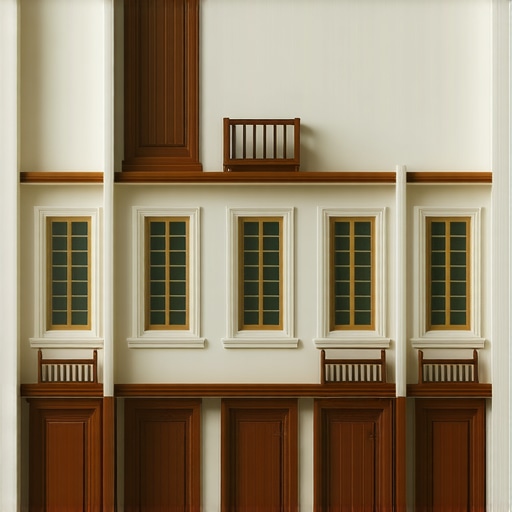
Discovering My Passion for Miniature Room Boxes
It all started when I stumbled upon a tiny, beautifully detailed miniature room box at a local craft fair. I was immediately captivated by the intricate architectural details and the craftsmanship involved. As someone passionate about DIY projects and miniature art, I decided to dive into this fascinating world of 1:12 scale miniature room boxes, which are essentially tiny replicas of real rooms packed with authentic details.
Unveiling the Charm of Architectural Details in Miniatures
What I love most about making miniature room boxes is the challenge of recreating architectural elements on a small scale. From tiny crown moldings to miniature window frames, every detail requires patience and precision. Over time, I learned that understanding real architectural features enhances the authenticity of my miniatures. For example, studying Victorian or Art Deco styles helps me decide which details to incorporate for a specific theme. I often refer to resources like home decor ideas to inspire my miniature designs.
My Practical Tips for Crafting Tiny Architectural Wonders
One of my key strategies is using high-quality materials like thin basswood sheets and fine modeling clay. I also employ tools such as precision scalpels and tiny brushes to add delicate details. When creating window casings or door frames, I find that referencing real architectural blueprints or photos helps me achieve realistic proportions and textures. For example, I often look at architectural prints to understand how to add depth and dimension to my miniature facades. The process is meticulous but incredibly rewarding.
What Makes Architectural Details So Critical in Miniature Room Boxes?
Why do I focus so much on tiny details? Is it worth the effort?
Absolutely! The small details breathe life into a miniature room box. They create a sense of realism and tell a story, making the miniature more than just a scaled-down replica. I remember a particular project where adding tiny electrical outlets and light fixtures transformed the scene into a believable living space. These details might seem minor, but they significantly boost the overall quality and impact of the miniature. Plus, I find that working on tiny architectural features improves my overall craftsmanship and patience.
If you’re interested in exploring this craft, I encourage you to start small and gradually add more details. The key is to enjoy the process and learn from each project. And if you want to see some of my work or get inspired, feel free to leave a comment or share your own miniature projects!
For more inspiration, check out creative DIY crafts that can complement your miniature building adventures.
Enhancing Miniature Room Boxes with Authentic Architectural Details
As an enthusiast and craftsperson in the miniature art world, I’ve found that incorporating detailed architectural elements elevates the realism and storytelling of my miniature room boxes. From tiny crown moldings to intricate window frames, every element demands precision and an eye for detail. Mastering these features involves understanding real-world architecture and translating those features into miniature scale with accuracy and finesse.
Choosing the Right Materials and Tools for Miniature Architecture
High-quality materials are essential for crafting convincing architectural details. Thin basswood sheets are perfect for creating moldings, while fine modeling clay allows for sculpting elaborate decorative elements. Precision tools like scalpels, fine-tipped brushes, and mini saws are invaluable for achieving clean cuts and delicate finishes. For example, referencing actual blueprints or photos helps ensure proportions are correct, making the miniature more believable.
Inspiration from Real-World Architectural Styles
Studying various architectural styles such as Victorian, Gothic, or Art Deco provides a rich palette of details to incorporate. Victorian designs often feature ornate trim and decorative brackets, while Art Deco emphasizes geometric patterns and streamlined forms. By integrating these elements thoughtfully, I create miniatures that evoke specific eras or design philosophies, adding depth and authenticity. Resources like home decor ideas serve as great sources of inspiration and reference for these details.
How Do Tiny Architectural Features Transform a Miniature Scene?
What is the impact of detailed architectural elements on the overall realism of a miniature room box?
In my experience, tiny architectural features are the key to transforming a simple miniature into a captivating scene. They provide context and scale, making the space feel authentic and lived-in. Small details like miniature electrical outlets, light fixtures, or textured wall surfaces can dramatically alter the perception of realism. These elements also tell a story, hinting at the lifestyle or era of the scene, which engages viewers on a deeper level.
Moreover, focusing on such details improves overall craftsmanship and patience, skills that are transferable to larger DIY projects. Many hobbyists find that working on miniature architectural details sharpens their attention to proportion, texture, and finish, which benefits their broader craft repertoire.
If you’re eager to explore this craft, start with simple details—perhaps a basic window frame or shelf—and gradually add complexity. The journey is as rewarding as the finished piece. Want to see more of my work or share your own projects? Feel free to leave a comment or connect through my blog!
For additional ideas and expert techniques, check out creative DIY crafts to inspire your miniature building adventures.
Deepening My Appreciation for Architectural Nuance in Miniatures
As I delved further into the world of miniature architecture, I began to realize that true authenticity lies in the subtle complexities of design. Small elements like the curvature of a tiny cornice or the intricate pattern of a miniature tile floor can dramatically influence the overall realism of a scene. I recall spending hours studying Victorian interiors, not just to replicate the grandeur but to understand the underlying craftsmanship that made these spaces so captivating. This attention to detail has become a personal passion, pushing me to learn advanced techniques such as layered paint effects and miniature texturing methods that mimic real materials.
The Art of Material Selection and Technique Refinement
Choosing the right materials is crucial when crafting convincing architectural features. I often experiment with different types of miniature wood, such as basswood and balsa, to get the perfect grain and finish. For decorative elements, I prefer fine modeling clay and resin, which allow for detailed sculpting and durability. Techniques like dry brushing and glazing help me add depth and weathering effects, giving my miniatures a lived-in feel. For instance, when creating a miniature crown molding, I carefully carve the profile, then use layered painting to highlight shadows and highlights, achieving a realistic appearance that enhances the overall scene.
How Do I Balance Artistic Creativity with Architectural Accuracy?
What are the challenges of maintaining both artistic expression and architectural fidelity in miniature craft?
This balance is delicate but essential. While I aim for accuracy, I also believe that a touch of artistic interpretation can bring warmth and personality to a miniature scene. I often refer to detailed architectural blueprints and historical references to guide my work, but I also allow myself creative freedom to adapt designs for aesthetic harmony. For example, I might exaggerate certain decorative features slightly to make them more visible or expressive at the miniature scale. The key is to respect the original architectural language while adding my personal touch, which makes each project uniquely engaging. If you’re interested in exploring this balance, I recommend studying real-world architecture through resources like home decor ideas and experimenting with different materials and techniques.
The Power of Small Details in Storytelling and Atmosphere
Every tiny architectural detail in my miniatures serves as a storytelling device. A miniature fireplace with intricately carved mantels or a window with carefully crafted mullions can evoke a specific era or mood. I love how these details can transform a simple box into a narrative scene that invites viewers to imagine a story behind the walls. For example, adding a tiny chandelier or textured wallpaper can suggest a Victorian parlor or a modern loft, respectively. These elements not only enhance realism but also deepen emotional engagement. I often share my projects online and encourage others to think about what story they want their miniature space to tell. Remember, the smallest detail can make a big difference in creating an immersive world.
Inviting Your Creative Exploration
If you’re passionate about miniature architecture, I urge you to keep experimenting with different materials, styles, and techniques. Start with simple features like window frames or door trims, then gradually incorporate more complex elements such as ornate cornices or textured wall finishes. The journey of mastering tiny architecture is as rewarding as the finished scene. Feel free to share your experiences or ask questions in the comments—I love hearing about fellow hobbyists’ creative pursuits. For further inspiration, explore creative DIY crafts that complement miniature building, or dive into detailed guides on advanced techniques like building miniature mechanical parts. The world of miniature architecture is vast and full of possibilities—enjoy every step of your creative journey!
Refining Scale and Texture for Architectural Authenticity
Achieving true realism in miniature architecture often hinges on mastering the nuanced interplay of scale and texture. I have found that layering various materials—such as fine sand, micro-beads, and textured pastes—can emulate the tactile qualities of real surfaces like brick, stone, or plaster. For example, applying a thin coat of textured paste followed by dry brushing creates a convincing aged wall surface that resonates with viewers. This meticulous attention to surface detail elevates the miniature from mere replication to an immersive experience.
Incorporating Historical Architectural Elements with Precision
My explorations into historical styles, such as Gothic or Beaux-Arts, have deepened my understanding of authentic detailing. I meticulously study period blueprints and photographs to incorporate elements like ornate corbels, decorative brackets, or intricate moldings. Reproducing these features involves advanced techniques like layered carving, fine sculpting with polymer clay, and precise paint effects to simulate patina and wear. This approach not only enhances visual authenticity but also enriches the narrative depth of each miniature scene.
How Can I Use Modern Technology to Enhance Miniature Architectural Creation?
Integrating technology has revolutionized my craft. Using 3D modeling software like SketchUp, I create detailed blueprints and custom components that are difficult to carve manually. These digital designs can then be 3D printed with high-resolution resin printers, providing intricate architectural elements with perfect precision. Additionally, photogrammetry allows me to capture real-world architectural features in 3D, which I can adapt and miniaturize for my projects. This synergy between traditional craftsmanship and cutting-edge tech enables the production of miniatures with unparalleled detail and accuracy. For a comprehensive guide on incorporating these tools, I recommend exploring advanced techniques in miniature creation.
Enhancing Realism Through Light and Shadow Manipulation
Another dimension of realism emerges through expert control of lighting. I experiment with miniature LED systems, strategically placed to cast natural shadows and highlight architectural features. Techniques like painting shadows directly onto surfaces using subtle gradients or employing micro-LEDs to simulate natural light sources create dynamic scenes that captivate viewers. This interplay of light and shadow adds depth, making the miniature environment feel alive and tangible. For those interested in integrating lighting into their miniatures, detailed tutorials are available on home decor projects.
Mastering Fine Detailing: From Micro-Scultping to Finishing Touches
My journey into fine detailing has involved honing micro-sculpting skills, which is essential for elements like tiny window panes, intricate ironwork, or decorative trim. Using magnification tools and ultra-fine brushes, I meticulously add these features, often incorporating metallic paints and patinas to mimic real materials. The finishing phase involves applying multiple layers of varnish, glazes, and weathering powders to create depth and authenticity. This process demands patience but results in miniature scenes that rival real-world craftsmanship.
Invitation to Explore Advanced Miniature Techniques
If you’re eager to push your skills further, I invite you to experiment with combining traditional methods with innovative technology, such as 3D printing and digital design. Each project becomes a personal exploration of artistry and precision. Feel free to share your experiences or ask questions—I love engaging with fellow enthusiasts aiming for mastery. For more insights into sophisticated DIY projects, visit creative DIY crafts and discover new avenues to elevate your miniature artistry.
Things I Wish I Knew Earlier (or You Might Find Surprising)
1. The Power of Observation
Early in my miniature journey, I underestimated how much real-world observation could elevate my work. Studying actual architectural features, from crown moldings to window trims, transformed my miniatures from simple replicas to believable scenes. Taking time to analyze photos and blueprints made a huge difference.
2. Small Details Make a Big Impact
Adding tiny electrical outlets, light fixtures, and textured wall surfaces might seem tedious, but these elements breathe life into miniature scenes. They create a sense of realism that captivates viewers and tells a story, making your work stand out.
3. The Importance of Quality Materials
Using high-quality materials like thin basswood sheets and fine modeling clay can drastically improve the final appearance. Cheaper alternatives often lead to frustration and less convincing details, so investing in good supplies is well worth it.
4. The Role of Patience and Practice
Mastering architectural details requires patience. I found that practicing techniques like layered painting and sculpting repeatedly helped me develop finesse and confidence, ultimately saving me time and effort in the long run.
5. Integrating Technology
Incorporating tools like 3D modeling software and resin printers opened new possibilities. Creating intricate components digitally and printing them allowed for precision and consistency, enhancing my miniature projects significantly.
6. The Joy of Storytelling
Every small architectural feature contributes to storytelling. Whether it’s a vintage chandelier or a textured wall, these details help convey the scene’s era, mood, and character, making your miniature scene more immersive.
Resources I’ve Come to Trust Over Time
- Architectural Blueprints and Photos: Studying authentic blueprints and historical photos has been invaluable in understanding proportions and styles. I highly recommend exploring local archives or online resources for inspiration.
- SketchUp and 3D Printing: Digital design tools like SketchUp enable me to craft precise components. Combined with resin 3D printers, I can produce detailed architectural elements with ease.
- Miniature Crafting Communities: Online forums and social media groups provide inspiration and feedback. Connecting with fellow hobbyists has accelerated my learning and introduced me to new techniques.
Parting Thoughts from My Perspective
Exploring the world of miniature architecture has been both challenging and rewarding. The key takeaway is that paying attention to tiny details can elevate your craft from good to extraordinary. Whether you’re recreating a Victorian parlor or designing a modern loft, understanding real-world architecture and practicing patience are essential. If this resonates with you, I’d love to hear your thoughts or see your projects—feel free to share in the comments or connect through my blog. Remember, every small detail adds depth and authenticity to your miniature scene, making it truly come alive.