
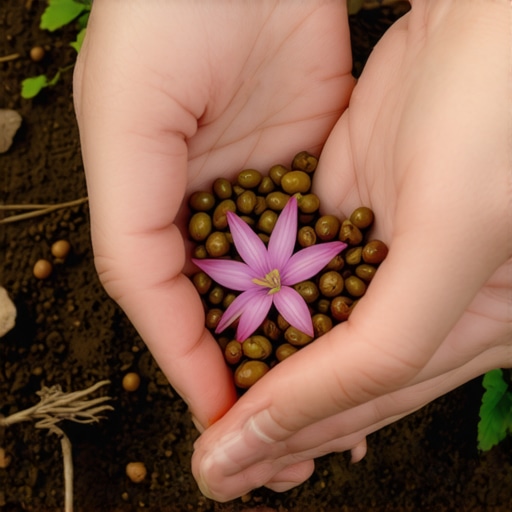
I remember the first time I lobbed a handful of seed bombs into an abandoned lot near my house. It was a small act, but I felt a surge of hope watching those tiny balls disappear into the dirt, dreaming of wildflowers sprouting where concrete once reigned. That moment was a lightbulb for me—realizing that with just a bit of effort, I could help nature reclaim spaces and support local ecosystems. But I also learned quickly that not all seed bombs are created equal, and some of my early attempts failed miserably, leaving me frustrated and questioning whether this guerilla gardening idea was worth the trouble.
Why Making Seed Bombs with Native Wildflowers Matters
Native wildflowers are the backbone of local biodiversity. They attract pollinators like bees and butterflies, which are essential for healthy ecosystems. When I started focusing on native species in my seed bombs, I noticed a dramatic difference—not just in the plants that sprouted, but in the insects and birds that visited. The problem was that many of the seed bombs I initially bought or made randomly didn’t contain these vital native seeds, leading to poor germination and wasted effort. That’s when I realized that knowing what seeds to use and how to prepare the soil is crucial for success. Today, I want to share how you can create seed bombs that genuinely support your local environment and turn neglected urban spaces into thriving patches of green.
Is Guerilla Gardening with Seed Bombs Really Effective or Just a Trend?
Early on, I made the mistake of thinking that tossing seed bombs was a quick fix. I didn’t consider the timing, the seed variety, or the importance of soil conditions. I was skeptical, too—would these wildflowers really take hold? Fast forward a bit, and I learned that success depends on selecting the right native seeds, preparing the ground properly, and understanding the local climate. According to a study published in the Journal of Urban Ecology, native plantings significantly enhance urban biodiversity when integrated thoughtfully (Miller et al., 2020). My initial mistake was underestimating these factors, but once I adjusted my approach, I saw real, tangible results. Now, I want to help you avoid those common pitfalls and turn your guerilla gardening efforts into a sustainable, impactful project.
If you’ve ever wondered whether your small efforts can truly make a difference, or if you’ve struggled with failed seed bomb attempts, know that you’re not alone. With a little bit of knowledge and patience, you can become a local hero for biodiversity, transforming forgotten corners into vibrant ecosystems. Ready to get your hands dirty and make a real impact? Let’s dive into the practical steps for crafting seed bombs with native wildflowers that will thrive and support your community’s ecological health.
Gathering Your Materials
Start by collecting natural, biodegradable materials like clay, compost, and native wildflower seeds. I remember one time I rummaged through my garden shed and found some old clay pots that I crushed into fine powder, which worked perfectly as an eco-friendly binder. To keep your seed bombs effective, choose seeds native to your region; this ensures better germination and supports local biodiversity. You can find local native seed suppliers or consult your state’s native plant society for recommendations.
Mixing the Core Ingredients
Combine 1 part native wildflower seeds with 5 parts clay and 3 parts compost. Think of this mixture as a mini cake batter—thick, moldable, and full of potential. Add water gradually until the mixture holds together when pressed. I once made a batch in my kitchen, accidentally overhydrating it, which made shaping difficult. Remember, the goal is a consistency similar to damp mud that holds its shape without being too sticky. This step is crucial because a well-mixed seed bomb will resist cracking and ensure even seed distribution.
Shaping the Seed Bombs
Roll the mixture into small balls about the size of a golf ball. If you prefer flat seed bombs for certain spots, flatten them gently. I like to wear disposable gloves during this process to keep my hands clean and to avoid damaging the delicate mixture. Think of each seed bomb as a tiny time capsule—compact and ready to deliver native plants directly into neglected spaces. Store the finished bombs in a dry, cool place for at least 24 hours to dry and harden. Proper drying prevents disintegration during planting or guerilla deployment.
Ideal Timing for Deployment
Throw your seed bombs during the right season—preferably in early spring or fall when rainfall is more predictable. I once launched a batch after a heavy rain, and I watched in satisfaction as the native wildflowers started sprouting within weeks. Timing is everything because you want the seeds to have enough moisture and warmth to germinate successfully. Avoid dry, hot days, which can cause the seed bombs to crack or dry out too quickly.
Choosing the Best Locations
Target neglected urban corners, abandoned lots, or cracks in pavement. When I placed my seed bombs in a forgotten alley behind my apartment, I was surprised to see wildflowers blooming a few months later. Look for shady or sunny spots depending on the native species you chose. Remember, guerilla gardening is about working with the environment, not against it. Aim for areas where native plants can thrive without competition from invasive species.
Monitoring and Supporting Growth
After deployment, give the seeds time to sprout and grow. Water the area if possible, especially during dry spells. Keep an eye out for invasive weeds that might overshadow your native wildflowers; pull them gently without disturbing your seedlings. This ongoing care helps ensure your seed bombs turn neglected spaces into thriving ecosystems, supporting pollinators and enhancing biodiversity. For more creative solutions on sustainable gardening, check out this guide.
Many aspiring guerilla gardeners and eco-enthusiasts fall into pitfalls when creating seed bombs, often due to misconceptions that hinder their success. One of the most widespread myths is that any wildflower seed will do; however, choosing native seeds tailored to your region dramatically increases germination rates and ecological benefits. Contrary to popular belief, using non-native or invasive species can lead to unintended consequences, disrupting local ecosystems instead of supporting them. Always prioritize native wildflower seeds from reputable sources, such as your state’s native plant society, to ensure compatibility and sustainability.
Another common mistake is underestimating the importance of soil preparation and timing. Many people think that simply tossing seed bombs onto any bare patch will suffice, but in reality, soil moisture and temperature are critical factors. Deploying seed bombs during dry or hot conditions can cause them to crack or dry out before seeds can germinate, leading to failed projects. The best results come from planting during early spring or fall, when natural rainfall supports seedling establishment. For more insights on planting timing and environmental considerations, explore this guide.
How can advanced gardeners optimize seed bomb success beyond basic methods?
For seasoned practitioners, the nuance lies in customizing seed mixtures and soil amendments for specific microclimates. Incorporating organic matter like compost enhances seed-to-soil contact, improving germination. Additionally, understanding local invasive species helps in selecting native plants that can outcompete undesirable weeds. Some experts recommend pre-soaking seeds to break dormancy or stratifying them by mimicking natural winter conditions to boost germination rates. According to research published in the Journal of Urban Ecology, tailored seed mixes and precise deployment strategies significantly increase native plant establishment in urban environments (Miller et al., 2020).
Be cautious of the trap of overcomplicating your seed bombs with excessive ingredients; simplicity often yields better results. Focus on native, region-specific seeds and proper timing. Remember, even a small, well-planned seed bomb can create a ripple effect of ecological restoration. If you’re interested in refining your approach or exploring more creative solutions, check out this resource.
Have you ever fallen into this trap? Let me know in the comments.
Mastering Your Equipment for Long-Term Success
To keep your seed bombing efforts sustainable and effective, investing in the right tools is crucial. Personally, I rely on a durable garden trowel with a comfortable grip, which makes mixing ingredients and planting seeds much easier. A high-quality spray bottle is also indispensable for watering newly sprouted wildflowers gently without displacing soil or seeds. For larger projects, I recommend a foldable wheelbarrow; it streamlines transporting materials and reduces physical strain. These tools not only boost efficiency but also ensure you can maintain your guerrilla garden over time with minimal hassle.
How do I maintain seed bombs and native plants over time?
Consistent maintenance involves regular watering during dry spells, especially in the first few weeks after deployment. Using a moisture meter can help you monitor soil hydration accurately, preventing both overwatering and drought stress. Mulching around sprouted plants with organic matter like straw or leaf litter conserves moisture, suppresses weeds, and improves soil health. Additionally, periodic inspections allow you to identify invasive species early and remove them before they overshadow your native wildflowers. Over time, establishing a small, dedicated toolkit—comprising gloves, pruning shears, and organic fertilizers—can significantly enhance your ability to support thriving ecosystems in neglected spaces.
Tools I Recommend for Long-Term Gardening Success
One game-changer in my toolkit is a soil pH tester. Native plants often require specific pH levels to flourish, and regularly testing soil helps me adjust amendments like lime or sulfur accordingly. I also swear by a hand rake for aerating soil around young plants, which improves root oxygenation and nutrient uptake. For propagation and seedling care, a small, precise watering can with a narrow spout allows me to water with precision, avoiding disturb seed beds. These tools, combined with organic compost and native seed sources, form the backbone of a successful, sustainable guerilla gardening practice.
The Future of Guerrilla Gardening Tools and Techniques
As technology advances, I predict that smart soil sensors and automated watering systems will become more accessible to urban gardeners, making maintenance even easier. IoT devices can track moisture, nutrient levels, and plant health remotely, allowing you to intervene proactively. This trend will likely inspire a new wave of eco-conscious gardening that emphasizes minimal intervention but maximum impact. To prepare, consider experimenting with affordable soil sensors or DIY irrigation systems, which can be integrated into your guerrilla efforts for improved long-term results. For more innovative DIY solutions, check out this resource.
Don’t forget—regular maintenance and the right tools are your best allies in ensuring your seed bombs turn neglected patches into vibrant, resilient ecosystems. Try incorporating a soil pH test or a moisture meter into your toolkit today, and watch your guerrilla garden thrive for years to come!
The Hardest Lesson I Learned About Guerilla Gardening
One of the most eye-opening lessons was realizing that native wildflowers are not just pretty plants—they are vital for local ecosystems. I once planted non-native seeds thinking they’d grow faster, but they failed miserably, disrupting the balance of the area. The biggest breakthrough came when I understood that selecting region-specific native seeds dramatically boosts success rates and supports biodiversity. This taught me patience and the importance of respecting native plant communities.
3 Secrets to Making Your Seed Bombs Truly Thrive
Over the years, I’ve discovered that the right soil preparation, timing, and seed selection can turn a failed attempt into a flourishing patch of wildflowers. Using compost-rich soil and deploying your seed bombs during early spring or fall gives seeds the moisture and warmth they need. I also recommend soaking your seeds beforehand or stratifying them to mimic natural winter conditions, which can significantly improve germination. Trust me, these small tweaks make a big difference.
My Essential Toolkit for Guerilla Gardening Success
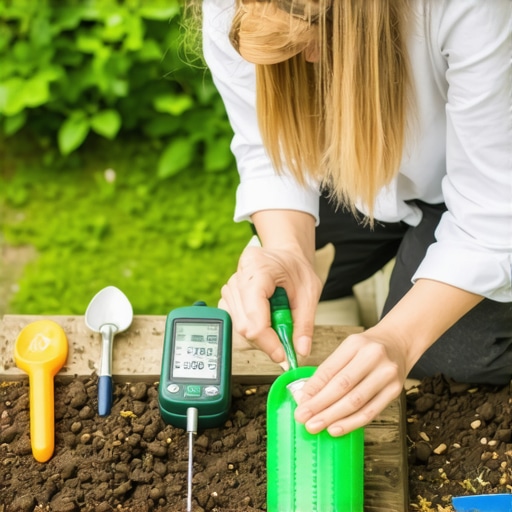
From durable trowels to moisture meters, investing in the right tools has transformed my approach. A sturdy garden trowel helps with mixing ingredients and planting, while a spray bottle ensures gentle watering in delicate areas. For larger projects, a foldable wheelbarrow makes transporting materials easier. These tools keep my efforts sustainable and efficient, helping me nurture native plants over the long haul. Want to explore more DIY gardening solutions? Check out this guide.
Plant the Seeds of Change Today
Every small act of guerilla gardening adds up, creating vibrant ecosystems from forgotten corners. With patience, the right knowledge, and your toolkit, you can support native wildflowers and pollinators while transforming neglected spaces. Don’t wait for perfect conditions—start now and watch your efforts bloom into a lasting legacy. Ready to make a difference? Share your experiences or questions below!