
Have you ever stared at a blank canvas, feeling overwhelmed by the complexity of layered encaustic artwork? I remember my first attempts—layers of wax, pigments, and textures that refused to cooperate, leaving me frustrated and unsure if I’d ever pull off a piece that truly resonated. That lightbulb moment when I realized I was missing a few key techniques changed everything. Today, I want to share how mastering advanced layered encaustic methods transformed my art and can do the same for you.
Why Perfecting Layered Encaustic Can Elevate Your Art
Encaustic art, with its rich textures and luminous finishes, has a magnetic appeal. But without the right techniques, it can quickly turn into a messy, frustrating process. I used to struggle with achieving depth and clarity—my layers would blend into a muddy mess or peel off unexpectedly. The breakthrough came when I learned to control the layering process and incorporate mixed media elements seamlessly. This mastery not only boosted my confidence but also opened the door to creating complex, multi-dimensional pieces that stand out.
Is It Really Worth the Effort to Learn Advanced Techniques?
Early on, I made the mistake of rushing into advanced encaustic methods without understanding the fundamentals. It led to wasted materials and disappointment. But once I took the time to build a solid foundation—like understanding proper fusing and layering techniques—I saw dramatic improvements. If you’ve ever felt skeptical about whether these skills are worth the investment, I get it. But trust me, the payoff is worth every ounce of effort. For a step-by-step guide tailored for all skill levels, check out this comprehensive tutorial.
Mastering these techniques isn’t just about aesthetics; it’s about giving yourself the tools to express your vision with confidence. If you’re ready to take your encaustic art to the next level, let’s dive into what makes these methods so powerful—and how you can start applying them today.
Start with Quality Materials and Workspace
Before diving into layering, ensure you have high-quality encaustic wax, pigments, and tools. A clean, well-ventilated workspace with a heat source like a griddle or heat gun helps maintain control. I once attempted a piece in a cluttered corner, which led to uneven melting and frustration. Setting up properly made a noticeable difference in the final texture and clarity.
Build Layers Gradually for Depth
The key to rich encaustic art is layering in thin, controlled coats. Think of each layer as adding a new dimension—like stacking translucent gels. I remember working on a landscape and starting with a light background, gradually adding darker tones. Patience here results in depth and vibrancy that flat layers can’t achieve.
Use a Fusing Technique to Seal Each Layer
Proper fusing is crucial. Pass your heat tool lightly over the surface to melt each layer just enough to bond without disturbing the previous one. I once overheated a layer, causing it to bubble; learning to control the heat was a game-changer. Consistent fusing prevents peeling and creates a smooth, luminous surface.
Incorporate Mixed Media for Texture
Add materials like paper, fabric, or metal into your layers for tactile effects. To experiment, I embedded bits of torn paper into a piece, then fused it carefully. The result was a textured surface that caught light differently, adding complexity. Be sure to embed media while the wax is still warm enough to fuse securely.
Manipulate and Carve Layers for Visual Interest
Once your layers are set, carve into them with tools like palette knives or heated needles. I love creating subtle lines or patterns that reveal underlying colors. This technique adds a sense of movement and depth, like revealing hidden layers of a story. Always work with a light touch to avoid damaging the surface.
Achieve Finishing Touches with Glazing and Wax Washes
Finish your artwork with transparent glazes or wax washes to unify layers and enhance luminosity. I once applied a thin glaze of pigment mixed with wax, which made the colors pop without overwhelming the piece. This step brings cohesiveness and a professional finish.
Practice and Experiment
Layered encaustic art is a skill that improves with practice. Start small, test different techniques, and document your results. Over time, you’ll discover what works best for your style. Remember, even initial messes are part of the learning process—each layer teaches you something new.
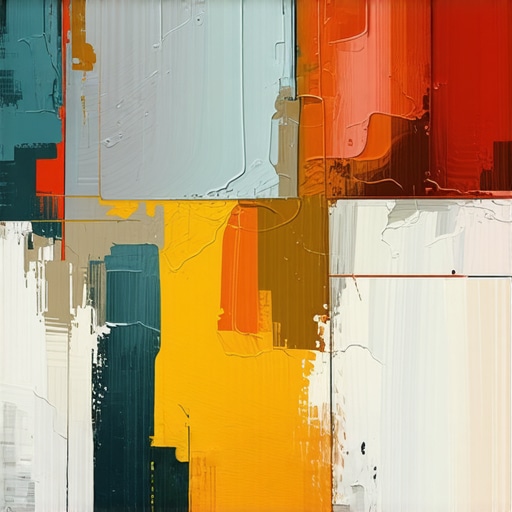
Many artists diving into advanced layered encaustic art fall prey to misconceptions that can hinder their progress. One widespread myth is that layering wax is a quick process, but in reality, each layer requires patience and proper fusing to avoid issues like bubbling or peeling. Rushing through these steps often results in a compromised finish and added frustration. Instead, understanding the nuances of thin, controlled layers can dramatically improve the final result.
Another misconception revolves around the idea that all waxes are created equal. In truth, the quality of encaustic wax varies significantly, impacting adhesion, transparency, and durability. Using lower-grade wax might seem cost-effective initially, but it can lead to problems such as inconsistent textures or color bleeding over time. Investing in high-quality materials pays off in the long run and allows for more sophisticated layering techniques.
What mistakes do even experienced encaustic artists make when layering?
One common pitfall is over-fusing layers, which can cause the wax to become overly hard and less receptive to subsequent applications. This often results in a loss of texture and depth. Conversely, under-fusing leaves the layers prone to peeling or shifting. Expert artists recommend light, quick passes with a heat tool for each layer, paying close attention to the wax’s gloss and bond. Mastery of fusing techniques is crucial for building complex, multi-dimensional artwork.
Additionally, many artists overlook the importance of temperature control. Applying wax at inconsistent temperatures can lead to uneven layers or unwanted textures. Using a reliable heat source and monitoring wax temperature helps ensure smooth, even coats that fuse perfectly. According to encaustic master Lisa Pressman, maintaining a steady temperature creates the ideal environment for layering intricate compositions without surprises.
For those eager to elevate their skills, exploring advanced layering methods can unlock new creative possibilities. Remember, the key lies in patience, quality materials, and precise fusing. If you’re serious about mastering encaustic art, focus on these details—your work will thank you. And if you want step-by-step guidance tailored for all skill levels, check out this comprehensive tutorial.
Have you ever fallen into this trap? Let me know in the comments!
Creating stunning layered encaustic artworks is just part of the journey; maintaining your tools and workspace ensures your art stays vibrant and your process remains smooth over time. Investing in the right equipment and knowing how to care for it can save you time, materials, and frustration in the long run. Let’s explore some specific tools I swear by and maintenance practices that keep my encaustic studio humming.
Why a Quality Heat Gun Is a Must
For fusing layers and carving into wax, nothing beats a high-quality, variable-temperature heat gun, like the Wagner HT1000. I prefer this model because it offers precise temperature control, which is vital for avoiding bubbles or warping. Regularly cleaning the nozzle prevents uneven heat distribution, and storing it in a dry, dust-free environment prolongs its lifespan. Don’t forget to check the power cord for wear—safety first!
Choosing the Right Palette Knives and Carving Tools
Durable, heat-resistant palette knives, preferably made of stainless steel, are essential for manipulating wax without bending or snapping. I keep several on hand, each with different shapes for detail work or broad strokes. Clean them immediately after use with a solvent like mineral spirits to prevent wax buildup, which can compromise precision. For carving, a heated needle or dedicated wax sculpting tools help reveal textures and layers seamlessly.
Maintaining Your Workspace for Consistency
My workspace is a dedicated, well-ventilated area with a heat-resistant surface, like a silicone mat. Regularly wiping down surfaces with a soft cloth prevents dust and wax residue from contaminating new layers. Proper ventilation is crucial—encaustic fumes can be harmful over time, so I use a HEPA filter extractor. This not only keeps the air clean but also ensures my materials stay uncontaminated, preserving the clarity of my colors.
Storing Materials to Extend Their Life
High-quality encaustic wax and pigments should be stored in airtight containers away from direct sunlight, ideally in a cool, dry place. I label my wax with the date of purchase to monitor its freshness, as older wax can develop impurities that affect application. For tools, a dedicated toolbox with compartments prevents damage and keeps everything organized, saving time during busy studio sessions.
Looking ahead, I predict that smart maintenance tools—like temperature-controlled storage units or sensor-equipped heat guns—will become more common among encaustic artists, helping us keep our tools in optimal condition automatically. Staying updated with these innovations can give you an edge in creating consistently stunning work.
How do I maintain my tools and workspace over time?
Consistency is key. Regularly cleaning and inspecting your tools, replacing worn parts, and organizing your studio space prevents issues before they start. Establish a routine—weekly wipe-downs, monthly tool checks, and proper storage habits—so your tools remain reliable and your art continues to shine. For detailed guidance, check out this step-by-step tutorial on building your ideal studio setup.
By prioritizing maintenance and choosing the right equipment, you’ll ensure your encaustic art not only looks amazing but also lasts for years to come. Take one tip from this list today—perhaps calibrate your heat gun or organize your carving tools—and watch your work improve dramatically.
The Hardest Lesson I Learned About Encaustic Layers
One of my biggest realizations was that rushing through layers leads to loss of depth and texture. Patience is key—each layer needs proper fusing and cool-down time to build complexity without damage. This insight transformed my approach from hasty to deliberate, resulting in richer, more vibrant artworks.
Three Myths About Encaustic Layering That Held Me Back
Many artists believe all waxes are the same—wrong! High-quality encaustic wax provides better adhesion and transparency. Also, layering quickly saves time but often ruins textures. Slow, controlled application with quality materials is the secret to professional-looking pieces.
What Experienced Artists Won’t Tell You About Achieving Texture and Depth
It’s not just about adding layers—it’s about manipulating them with carving and glazes. These techniques reveal underlying colors and create luminous effects that flat layers can’t mimic. Mastering carving tools and glazing tricks unlocks hidden potential in your art.
Curated Tools That Changed My Encaustic Practice
High-Quality Heat Gun: A variable-temperature Wagner HT1000 helps control fusing precisely, preventing bubbles or overheating.
Durable Palette Knives: Stainless steel knives of different shapes allow seamless manipulation and carving into layers.
Silicone Workspace Mats: Protect surfaces and make cleanup easier.
Refrigerated Storage for Waxes: Keeps waxes fresh and free of impurities, extending their usability.
Ignite Your Creativity and Take Action Today
Layered encaustic art is a journey worth every effort. With patience, quality materials, and a willingness to experiment, you’ll unlock new levels of artistic expression. Start small, learn from each layer, and watch your skills grow.
What’s the biggest challenge you face when layering encaustic wax, and how do you plan to overcome it? Share your thoughts below!