
My First Encounter with the Art of Kintsugi
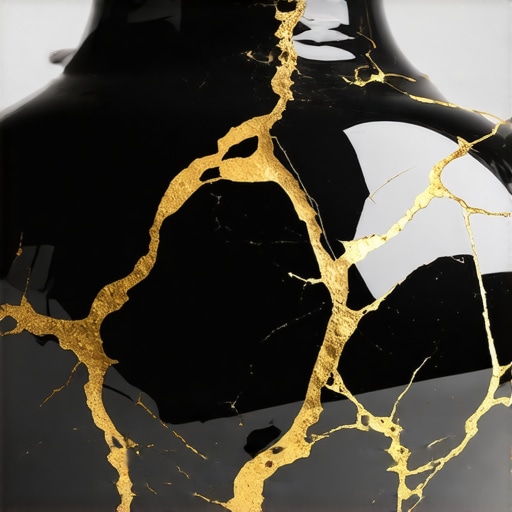
I’ll never forget the day I accidentally dropped my favorite ceramic bowl. It was a beautiful piece, a gift from my grandmother, and I was devastated when it shattered into several pieces. That was until I discovered the captivating world of Master Kintsugi, a traditional Japanese art that transforms broken pottery into stunning art by repairing it with gold lacquer.
Discovering the Philosophy Behind Kintsugi
As I delved deeper into the process, I learned that Kintsugi isn’t just about mending cracks; it’s about embracing imperfections and turning them into beauty. This philosophy resonated with me, reminding me that our flaws and scars can tell a story and add character. The technique involves meticulously filling the cracks with lacquer mixed with powdered gold, creating a striking visual contrast that highlights the history of the piece.
My Journey into the Craft of Repairing with Gold Lacquer
Armed with patience and curiosity, I started practicing DIY home decor techniques, blending traditional methods with my personal touch. The process requires precision, a steady hand, and an appreciation for the imperfections. I found it incredibly rewarding to see my broken ceramics regain their strength and beauty, each crack becoming a unique feature rather than a flaw.
Why I Believe Kintsugi Is More Than Just Repair
Through my experience, I realized that Master Kintsugi is a profound metaphor for resilience and acceptance. It teaches us that our wounds can be transformed into works of art, a lesson that extends beyond ceramics to our personal lives. Expert sources, such as the Wikipedia article on Kintsugi, highlight how this technique embodies a philosophy of embracing life’s imperfections.
How can I start practicing Kintsugi at home?
If you’re curious about trying this technique, start with small projects like repairing a broken mug or plate. You’ll need some specialized lacquer, gold powder, and a steady hand. Watching tutorials and practicing patience are key. Remember, each repaired piece is a testament to resilience, just like us.
I’d love to hear your thoughts or experiences if you’ve tried Kintsugi or similar repair techniques. Feel free to share your stories in the comments below or explore more about creative DIY solutions for home decor on our site.
Unveiling the Artistic Depth of Kintsugi
Kintsugi, the revered Japanese art of repairing ceramics with gold, transcends mere restoration. It embodies a philosophy that celebrates imperfection and resilience. When broken pottery is mended with shimmering gold, it not only regains its form but also gains new layers of meaning, turning flaws into features that narrate a story of survival and beauty.
The Practical Steps to Embark on Your Kintsugi Journey
For those eager to explore this art form, starting with small, manageable projects is advisable. Begin with a cherished mug or a delicate plate—items that hold sentimental value. You will need specialized lacquer, often called urushi, and fine gold powder. Precise application and patience are essential; the process demands a steady hand and a calm mind. Watching detailed tutorials can provide guidance, but hands-on practice is the best teacher.
Understanding the Nuances of Kintsugi Techniques
There are various methods within Kintsugi, such as the crack repair, inlay, and the more sophisticated ‘nashiji’ technique which involves creating textured gold accents. Each approach adds distinct aesthetic qualities and requires different skill levels. As you progress, experimenting with these methods allows for personal expression and a deeper appreciation of the craft.
Is Kintsugi a Reflection of Personal Growth?
Absolutely. The process of repairing with gold is a powerful metaphor for embracing one’s scars—be they emotional or physical. The Japanese philosophy behind Kintsugi encourages us to see beauty in our imperfections and to recognize that our flaws are integral to our identity. This perspective can significantly influence how we approach personal challenges and setbacks, fostering resilience and self-acceptance. For inspiration on integrating such philosophies into everyday life, consider exploring the Wikipedia article on Kintsugi.
What are some advanced considerations when practicing Kintsugi to ensure durability and aesthetic harmony?
Advanced practitioners focus on the preparation of the lacquer, ensuring it bonds well and creates a durable repair. The mixing ratio of urushi and gold powder, the curing time, and environmental conditions all influence the final outcome. Additionally, understanding the history and cultural significance of Kintsugi enhances the authenticity and depth of your work. Incorporating these elements requires patience, study, and a respectful approach to this ancient art form.
If you’re interested in expanding your creative DIY repertoire, consider exploring easy crafts for home decor or delve into unique DIY crafts that can complement your Kintsugi practice and enrich your living space. Remember, each repaired piece is not just a restoration but a celebration of resilience and beauty in imperfection. Share your Kintsugi stories or ask questions in the comments, and let’s inspire each other to embrace our flaws and turn them into art.
Exploring the Nuances of Kintsugi: Beyond Basic Repairs
As I continued to immerse myself in the art of Kintsugi, I began to appreciate the subtle intricacies that elevate a repair from simple mending to a true work of art. Advanced techniques, such as nashiji—a method involving textured gold accents—add depth and character to the piece, transforming it into a narrative of resilience and beauty. Mastering these methods requires patience, a keen eye for detail, and a profound respect for the cultural heritage behind the craft.
The Science and Philosophy of Durability in Kintsugi
One of the most fascinating aspects I discovered is the importance of understanding the chemistry behind the lacquer and gold powder. The ratio of urushi to gold, curing environments, and layering techniques all influence the longevity of the repair. According to Wikipedia, these meticulous practices embody a philosophy that values endurance and acceptance. Incorporating this scientific understanding into practice enhances both the aesthetic and functional durability of the repaired object.
Personal Growth Reflected in the Art of Repair
Practicing Kintsugi has become more than a craft; it’s a mirror reflecting my own journey of resilience. Each crack filled with shimmering gold is a reminder that our scars, whether emotional or physical, contribute to our unique story. Embracing imperfections has cultivated a sense of peace and confidence, encouraging me to approach life’s challenges with patience and grace. The process has taught me that beauty often lies in our flaws, and that healing is a form of art itself.
Seeking Deeper Mastery: How Can Enthusiasts Elevate Their Kintsugi Skills?
For those eager to deepen their mastery, exploring advanced techniques and cultural contexts is essential. Studying the history of Kintsugi, understanding different regional styles, and experimenting with innovative materials can enrich your work. Additionally, engaging with expert communities or taking specialized courses can provide valuable feedback and inspiration. Remember, the journey toward mastery is ongoing, and each piece you create adds to your personal narrative of growth.
How can I incorporate Kintsugi principles into everyday life and creative projects?
Beyond ceramics, the philosophy of embracing imperfections can influence various aspects of life. For instance, in DIY home decor, incorporating elements that highlight flaws—like distressed wood or uneven textures—can create a warm, authentic aesthetic. You might also consider applying the metaphor to personal development, viewing setbacks as opportunities for growth and beauty. Exploring related projects, such as DIY decor ideas, can help integrate these principles into your environment.
If you’re inspired to incorporate advanced techniques or personal reflections into your practice, I invite you to share your experiences or questions. Engaging with a community of creative explorers can deepen your understanding and appreciation of this profound art form.
The Ever-Evolving Art of Kintsugi: A Living Tradition
Kintsugi is not a static craft but a living tradition that evolves with each practitioner. By experimenting with new materials, techniques, and philosophies, we contribute to its ongoing story. My journey has shown me that mastery involves a blend of technical skill, cultural awareness, and personal introspection. As you explore this art, remember that every crack filled with gold is a testament to resilience—a reminder that our imperfections are what make us truly beautiful.
Unraveling the Subtle Art of Texture and Depth in Kintsugi
As I delved deeper into the world of Master Kintsugi, I discovered that the true artistry lies not only in the application of gold but also in the nuanced manipulation of textures and layering techniques. The nashiji method, with its textured gold surface, creates a captivating interplay of light and shadow that elevates a simple repair into a profound statement of resilience. Achieving this effect requires a meticulous approach, from preparing the lacquer to controlling the curing environment, often involving a delicate balance of humidity and temperature, as detailed in Wikipedia.
In my practice, I experimented with layering thin applications of urushi and gold powder, allowing each layer to cure thoroughly before adding the next. This technique not only enhances the visual richness but also improves the durability of the repair, making it resistant to everyday wear. The mastery of these advanced textures demands patience and a refined understanding of the materials, transforming a repaired piece into an intricate tapestry of history and artistry.
The Science Behind the Art: Chemistry and Longevity
Understanding the chemistry of urushi lacquer is essential for creating durable Kintsugi repairs. The natural polymer in urushi, a plant resin derived from the lacquer tree, undergoes a curing process that involves polymerization, forming a robust bond that withstands environmental stressors. Proper mixing ratios, typically around 2:1 (urushi to gold powder), and curing in optimal conditions—away from excessive humidity or direct sunlight—are vital. An insightful resource, Wikipedia, emphasizes that the combination of scientific precision and artistic intuition results in repairs that are both beautiful and resilient.
Incorporating these scientific principles into my craft, I found that a well-cured lacquer layer, combined with a controlled application of gold, significantly extends the lifespan of the repair. This understanding is particularly crucial when restoring treasured heirlooms or creating art intended for long-term display, where both aesthetic appeal and structural integrity are paramount.
Personal Reflection: Embracing the Flaws as a Path to Mastery
Practicing these advanced techniques has deepened my appreciation for the philosophical core of Kintsugi. Each crack filled with textured gold becomes a symbol of resilience, echoing the journey of overcoming challenges and embracing imperfections. The process has become a form of meditation, requiring patience, precision, and a respectful acknowledgment of the material’s natural qualities.
Engaging with expert communities and exploring innovative materials—such as colored urushi or alternative metallic powders—continues to inspire me. I invite fellow enthusiasts to share their experiences with these sophisticated methods or to ask questions about refining their craft. Deepening one’s mastery not only elevates the aesthetic quality but also enriches the personal narrative expressed through every repaired piece.
How can I incorporate new materials and techniques to further personalize my Kintsugi repairs?
Exploring alternative materials like colored resins, fine silver, or even incorporating mixed media can add unique character to your repairs. Experimenting with different textures and finishes allows for a more expressive and personalized approach, bridging traditional craftsmanship with contemporary art. For detailed insights into innovative materials, consulting specialized workshops or expert tutorials can be invaluable. Remember, each new technique is a step toward mastering the art of resilience and beauty in imperfection. Feel free to share your discoveries or ask for advice on integrating these advanced methods into your practice, and let’s continue to grow together in this inspiring journey.
Things I Wish I Knew Earlier (or You Might Find Surprising)
1. The Power of Patience
When I first started practicing Kintsugi, I underestimated how crucial patience is. Rushing through the process often led to less satisfying results. It’s a mindful craft that rewards slow, deliberate work, teaching me that beauty takes time to emerge.
2. The Importance of Environment
Environmental factors like humidity and temperature can significantly affect the lacquer’s curing process. I learned this the hard way when a repair didn’t hold because I overlooked the curing conditions. Creating a controlled space makes all the difference.
3. The Value of Cultural Context
Understanding the cultural roots of Kintsugi deepens my appreciation for the art. It’s not just about repair but embracing imperfections as a philosophy that celebrates resilience. This perspective transformed how I view my own flaws.
4. Advanced Techniques Elevate Your Work
Exploring methods like nashiji texture or inlay work can turn simple repairs into genuine art pieces. These techniques require more skill but add layers of depth and storytelling to your creations.
5. The Material Science Aspect
Learning about the chemistry behind urushi lacquer and gold powder has helped me create more durable repairs. Proper mixing ratios and curing times ensure longevity, making my pieces not just beautiful but lasting.
6. The Joy of Imperfection
Finally, I realized that embracing imperfections is the core of Kintsugi’s beauty. Each crack filled with shimmering gold is a reminder that flaws tell a story and add character—something I now cherish in my personal journey.
Resources I’ve Come to Trust Over Time
1. Wikipedia’s Kintsugi Article
This comprehensive overview provided me with essential historical and technical insights, helping me grasp the cultural significance and scientific principles behind the craft.
2. YouTube Tutorials by Master Artisans
Visual guides from experienced practitioners offered practical tips and techniques that transformed my approach from trial and error to confident practice.
3. Books on Japanese Philosophy and Art
Reading about the philosophy behind Wabi-Sabi and resilience enriched my understanding of why Kintsugi is so much more than just repair—it’s a way of life.
4. Online Communities and Forums
Engaging with fellow enthusiasts around the world has been inspiring. Sharing progress, asking questions, and exchanging ideas keeps me motivated and learning.
Parting Thoughts from My Perspective
Exploring Kintsugi has been a journey of both technical skill and personal growth. It’s a beautiful reminder that our scars, whether on pottery or in life, are what make us unique and resilient. If you’re curious about starting your own practice, remember that patience, environment, and a willingness to embrace imperfections are your best allies. I encourage you to dive in, experiment, and see how this ancient art can transform your perspective on beauty and resilience. If this resonated with you, I’d love to hear your thoughts or stories about your own experiences with Kintsugi. Share it with someone who might find it inspiring, and let’s celebrate the beauty in our flaws together.