
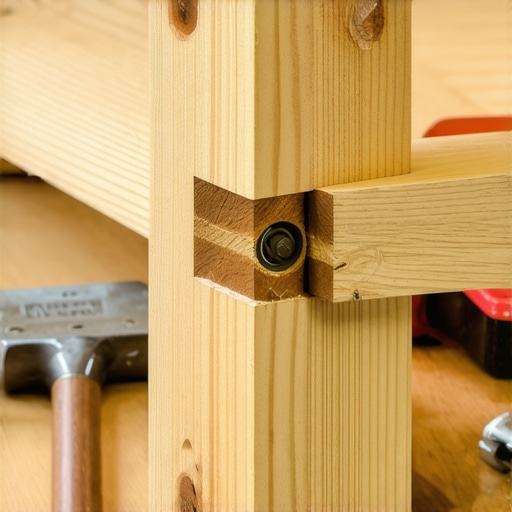
Discovering the Power of Traditional Joinery in My Workshop
As someone passionate about woodworking, I always sought ways to enhance the strength and longevity of my furniture projects. My journey began with a simple curiosity about traditional joinery techniques, especially the mortise and tenon joint. I remember the first time I attempted this joint; it was daunting but incredibly satisfying once fitted perfectly. Over time, I realized that mastering the master mortise and tenon joints could truly elevate my craft and produce furniture that withstands the test of time.
Why I Became Obsessed with the Master Mortise and Tenon Technique
In my experience, the key to building stronger furniture lies in the quality of the joints. The master mortise and tenon is not just a functional connection; it’s a testament to craftsmanship. It offers superior load-bearing capacity and stability, especially when dealing with large or intricate pieces. I delved into various resources, including step-by-step DIY guides, to refine my skills. The process of creating these joints requires patience and precision, but the results are rewarding and worth every effort.
How I Perfected My Technique and Achieved Professional Results
Practicing repeatedly, I learned the importance of accurate measurements and proper tools. For instance, I invested in quality chisels and a mortising machine, which made the process smoother and more consistent. I also experimented with different wood types, noting how the grain and density affected the joint’s strength. The more I practiced, the more confident I became. I even started incorporating these joints into complex projects, such as custom cabinets and dining tables, where their strength truly shines. My advice to fellow woodworking enthusiasts is to start small, perfect your technique, and gradually take on more challenging projects.
What makes a mortise and tenon joint the best choice for durable furniture?
In my opinion, the mortise and tenon joint is unparalleled in creating durable, long-lasting furniture because it provides a strong mechanical connection that resists pulling apart under stress. Unlike nails or screws, which can loosen over time, the mortise and tenon offers a tight fit that, when glued and secured properly, becomes part of the furniture’s very structure. For more tips on building resilient furniture, check out home improvement ideas.
Interested in trying your hand at mastering this technique? Share your experiences or ask questions in the comments below. I love hearing from fellow DIY enthusiasts!
Unveiling the Secrets of Timeless Joinery Techniques
As a passionate woodworker, I’ve always been fascinated by the elegance and durability of traditional joinery methods. These techniques, honed over centuries, serve as the backbone of high-quality furniture and craftsmanship. Among them, the mortise and tenon joint stands out as a pinnacle of strength and aesthetic appeal, allowing artisans to create pieces that last generations.
Why Do Expert Woodworkers Prefer the Mortise and Tenon?
The beauty of the mortise and tenon lies in its ability to combine mechanical strength with visual harmony. Unlike modern fasteners, this joint relies on precise fitting and craftsmanship, resulting in a seamless connection that resists pulling apart even under heavy load. This is why many professional workshops emphasize mastering this joint for projects ranging from classic chairs to intricate cabinetry. According to step-by-step DIY guides, developing skills in traditional joinery can dramatically enhance the quality of your woodworking projects.
Refining Your Technique for Professional-Grade Results
Achieving mastery requires patience, precision, and the right tools. I recommend investing in high-quality chisels, a reliable marking gauge, and a mortising machine if possible. Practicing on scrap wood allows you to understand how different grains and densities affect the joint’s fit and strength. Over time, I learned to fine-tune my measurements and develop a keen eye for detail, which made my joints tighter and more durable. When incorporating these joints into larger pieces, such as custom furniture, the investment in skill pays off manifold. For additional insights, explore home improvement tips.
What Makes Mortise and Tenon the Gold Standard for Long-lasting Furniture?
From an expert perspective, the key advantage is the joint’s ability to resist various stresses and strains. Its interlocking design distributes weight evenly and provides exceptional stability. When glued and secured properly, it becomes an integral part of the furniture’s structure, unlike nails or screws that may loosen over time. This craftsmanship not only ensures durability but also enhances the aesthetic appeal, as the joint can be made nearly invisible. For those eager to delve deeper into advanced woodworking techniques, resources like building miniature models can offer practical applications of joinery skills beyond furniture.
Have you tried incorporating traditional joinery into your projects? Share your experiences or ask for expert advice in the comments below. Your journey into mastering these techniques can lead to creations that are both beautiful and enduring!
Embracing the Nuances of Traditional Joinery in My Craft
Every time I delve into traditional joinery, I discover new layers of complexity and beauty that I hadn’t appreciated before. The mortise and tenon joint, for instance, isn’t merely about fitting two pieces of wood together; it’s an intricate dance of precision, patience, and understanding the subtle interplay of wood grain, moisture content, and hand tool finesse. My journey has taught me that mastering these joints is as much about developing a keen eye and tactile sensitivity as it is about technical skill. I’ve spent countless hours refining my measurements, selecting the right tools, and practicing on scrap wood, each step revealing deeper insights into the craft.
Beyond Technique: The Philosophical Elegance of Joinery
What fascinates me most is how these age-old techniques embody a philosophy of harmony and respect for the material. When I craft a mortise and tenon joint, I feel a connection to artisans of centuries past, their patience and dedication echoing in every precise cut. This reverence for tradition adds a layer of meaning to my work, transforming it from mere construction into a form of artistic expression. I often reflect on how these joints, invisible to most, uphold structures that last for generations—an enduring testament to craftsmanship’s power to transcend time.
Refining My Approach: From Novice to Artisan
Progressing from a beginner to someone capable of creating professional-quality furniture requires more than just learned techniques; it demands a mindset of continual improvement and curiosity. I now invest in high-quality chisels, a good marking gauge, and occasionally, a mortising machine to enhance my precision. Practicing different woods like oak, cherry, and walnut has taught me how each grain behaves, influencing the fit and strength of joints. I also experiment with finishing techniques that complement the joinery, ensuring that the joint remains seamless and aesthetically pleasing. For those eager to elevate their skills, I recommend exploring comprehensive guides and tutorials, such as those found here.
Why the Mortise and Tenon Remains a Gold Standard in Durable Furniture
From my perspective, the strength of the mortise and tenon lies in its mechanical interlock, which distributes stress efficiently and resists pulling apart. Unlike nails or screws, which can loosen or corrode over time, this joint becomes an integral part of the furniture’s structure when glued and secured properly. Its aesthetic appeal also can’t be overstated; when executed with finesse, it creates a virtually invisible connection that celebrates the natural beauty of the wood. If you’re curious about integrating traditional techniques into your projects, resources like home improvement tips can provide valuable insights.
Have you experimented with or mastered traditional joinery? I invite you to share your experiences or ask questions in the comments—I find that every discussion enriches my understanding and passion for this craft.
The Depths of Joinery Technique and Its Artistic Potential
In my ongoing exploration, I’ve realized that joinery isn’t just a functional necessity but also an art form that allows for creative expression. The precision and care required can be a meditative process, transforming woodworking into a form of mindful craftsmanship. Advanced techniques, such as through-tenons or housed joints, push the boundaries of strength and aesthetics, opening new avenues for innovation. For example, exploring building miniature models has shown me how traditional joinery principles can be adapted to complex mechanical assemblies, blending art and engineering seamlessly.
How can I push the boundaries of traditional joinery without compromising durability?
This question has driven my recent experiments. I believe that integrating traditional joinery with modern adhesives, reinforcement techniques, and innovative wood treatments can expand creative possibilities while maintaining strength. The key is understanding the underlying mechanics and respecting the material’s natural tendencies. For instance, combining dovetails with modern epoxy resins can produce furniture that is both visually striking and highly durable. If you’re interested in such hybrid approaches, I encourage you to explore resources on advanced woodworking techniques and experiment on your projects. Sharing your experiences or asking for advice can lead to breakthroughs that honor tradition while embracing innovation.
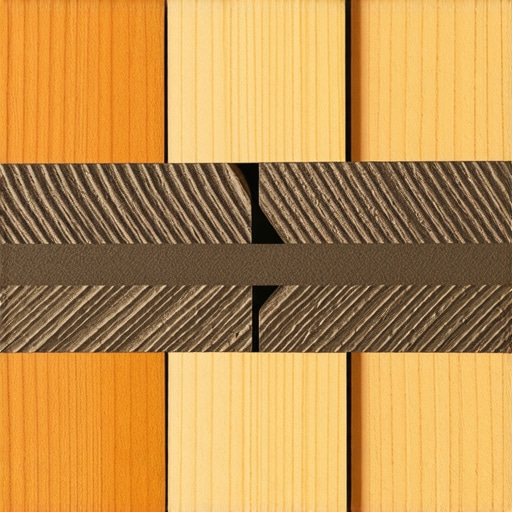
Mastering Complex Joinery: Pushing the Boundaries of Craftsmanship
As I delved deeper into traditional joinery, I found myself increasingly captivated by the potential to innovate while respecting time-honored principles. One technique that exemplifies this harmony is the
double mortise and tenon joint, which offers enhanced load-bearing capacity for large-scale furniture. This joint, often employed in grander architectural woodwork, demands meticulous precision and an understanding of wood behavior under stress. To achieve such mastery, I turned to advanced resources like building miniature models that utilize complex joinery, which broadened my perspective on integrating traditional techniques with mechanical design.
Innovative Reinforcement Methods for Enduring Durability
Integrating modern adhesives and reinforcement strategies into classical joints can significantly amplify their strength. For example, embedding a thin steel rod within a tenon can prevent twisting and shear forces, particularly in furniture subjected to dynamic loads. The challenge lies in balancing these reinforcements without compromising the joint’s aesthetic integrity. I experimented with high-viscosity epoxy resins, which bond seamlessly and fill microscopic gaps, ensuring a robust connection. According to advanced embroidery techniques, combining traditional craftsmanship with innovative materials can create artifacts that are both beautiful and resilient.
Refining Precision: Tools and Techniques for the Expert Woodworker
Achieving impeccable joints requires an arsenal of precision tools and an evolved technique. I advocate for the use of laser-guided marking systems and micro-adjustable chisels to attain centimeter-perfect fits. These innovations, alongside time-tested hand tools, allow for meticulous control and finesse. Practicing on varied wood species, such as ebony or teak, has taught me to adapt my approach to different grain structures, optimizing both strength and visual harmony. For those striving for excellence, comprehensive tutorials like smart DIY solutions provide invaluable insights into integrating technology into traditional craft.
Beyond the Technique: Philosophical Reflections on Joinery’s Enduring Significance
What intrigues me profoundly is how these complex joints symbolize a dialogue between material and maker. Every precise cut and fit embodies respect for natural fibers and the patience of craftsmanship. Engaging with these techniques fosters a meditative state, transforming woodworking from mere construction into a spiritual practice. The enduring strength of such joints, documented in historic masterpieces, reminds us that patience and mastery forge legacies that withstand the ravages of time. Exploring this philosophical dimension enriches my work, inspiring a deeper connection to the craft and its cultural lineage.
Engaging with the Community: Sharing Innovations and Learning from Peers
As I continue to refine my skills, I invite fellow artisans and enthusiasts to share their experimentation with hybrid joinery techniques. Whether it’s combining traditional dovetails with modern epoxy or experimenting with reinforced mortise and tenon joints, collaborative dialogue accelerates innovation. If you’re eager to explore advanced joinery, I encourage you to visit home improvement tips for inspired ideas and support. Your insights and questions can spark breakthroughs, pushing the boundaries of what we can achieve with wood and craftsmanship.
Things I Wish I Knew Earlier (or You Might Find Surprising)
The Hidden Strength of Simplicity
Early in my woodworking journey, I underestimated how much traditional joinery techniques like the mortise and tenon could influence the durability of furniture. Discovering that these age-old methods often outperform modern fasteners in longevity was a game-changer for me, emphasizing the beauty of craftsmanship rooted in simplicity.
The Art Beyond Function
Mastering joinery isn’t just about creating sturdy pieces; it’s an artistic expression. The precision and care involved turn each joint into a small work of art, and I often find myself appreciating the aesthetic harmony it brings to my projects, making each piece uniquely special.
Patience Is a Virtue (and a Skill)
Practicing traditional joinery demands patience and meticulous attention to detail. I learned that rushing through these techniques compromises the fit and strength of the joint, so taking my time has been crucial for achieving professional results.
Tools Make a Difference
Investing in quality tools, like sharp chisels and reliable marking gauges, significantly improved my craftsmanship. The right tools not only make the process smoother but also enhance precision, leading to better-fitting joints and stronger furniture.
Traditional Techniques Are Versatile
From furniture to intricate architectural details, traditional joints like the dovetail and mortise-tenon adapt beautifully to various projects. Exploring these methods has expanded my creative possibilities and deepened my appreciation for woodworking’s rich heritage.
Resources I’ve Come to Trust Over Time
- Fine Woodworking Magazine: An excellent resource for detailed tutorials and inspiration, it’s helped me refine my technique and stay motivated.
- The Complete Manual of Woodworking by Albert Jackson: This book offers comprehensive insights into traditional joinery, making complex techniques approachable.
- Woodworking for Dummies: A friendly guide that covers the basics and inspires confidence for beginners and experienced woodworkers alike.
- Online Forums like LumberJocks: Engaging with a community of passionate artisans provides practical advice and encouragement.
Parting Thoughts from My Perspective
Embracing traditional joinery like the mortise and tenon has profoundly transformed my woodworking practice. These techniques embody patience, artistry, and resilience—values that elevate the craft beyond mere construction. If you’re curious about integrating these methods into your projects, I encourage you to start small, practice diligently, and enjoy the process of learning. Sharing your experiences or asking questions can also open new doors to mastery. I’d love to hear your thoughts—feel free to drop a comment or share your journey with traditional joinery!