
From My First Attempt to Expert Technique: The Charm of Mortise & Tenon Joints
As someone who has always loved woodworking, I vividly remember my initial struggles with creating durable joints. My first project was a simple coffee table, but I underestimated the significance of strong joinery. After a few failed attempts, I discovered the magic of mortise & tenon joints. This technique transformed my approach and results, making my furniture not only sturdy but also aesthetically pleasing.
Understanding the Fundamentals: Why Mortise & Tenon Are a Woodworker’s Best Friend
In my experience, the beauty of mortise & tenon joints lies in their simplicity and strength. The mortise is a cavity cut into the wood, and the tenon is a corresponding projection on the connecting piece. When fitted, they lock tightly, providing excellent load-bearing capacity. I learned that mastering this joint is essential for furniture that lasts generations, as supported by authoritative sources like DIY Guides.
My Personal Tips for Crafting Perfect Mortise & Tenon Joints
One thing I wish I knew earlier is the importance of precise measurements. Using a sharp chisel and a good-quality saw, I started creating cleaner cuts. I also recommend dry-fitting the parts before gluing, ensuring a snug fit. Over time, I developed a technique to mark the mortise and tenon with a pencil for accuracy. These small adjustments significantly improved my craftsmanship and the durability of my furniture.
How Do I Achieve the Perfect Fit Every Time?
Is There a Secret to Consistent Mortise & Tenon Joints?
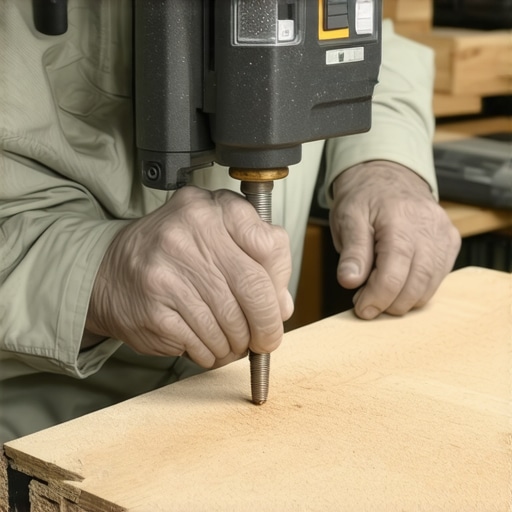
Absolutely! Consistency comes from patience and proper tools. I often use a drill press to remove most of the waste material, then fine-tune with chisels. For accuracy, I prefer marking the joint with a pencil and using a square. Watching tutorials from expert woodworkers has helped me refine my technique. Remember, practice makes perfect, so don’t get discouraged by initial imperfections.
Incorporating Mortise & Tenon Joints into My Projects
Now, I actively choose this joinery method when building furniture like chairs, tables, and cabinets. It’s rewarding to see my efforts stand the test of time. I also love sharing my knowledge with fellow woodworking enthusiasts through local workshops and online forums. If you’re curious about elevating your woodworking skills, I highly recommend exploring detailed guides and tutorials available on DIY Craft Ideas.
If you’ve experimented with mortise & tenon joints, I’d love to hear about your experiences. Feel free to comment below or share your tips to help others achieve their woodworking goals!
Mastering the Art of Mortise & Tenon Joints: Advanced Techniques for Lasting Furniture
Building on my previous experience with basic joinery, I’ve delved deeper into refining mortise & tenon techniques, exploring innovative tools and methods that elevate craftsmanship. For instance, using a mortising machine or a router with a mortising jig can significantly improve precision, especially when working on intricate pieces. These tools allow for cleaner cuts and faster production, making the process more efficient without sacrificing quality.
How Can Modern Tools Revolutionize Traditional Joinery?
Integrating power tools like plunge routers or hollow chisel mortisers can streamline the process, but they also demand a nuanced understanding of their operation to avoid mistakes. A crucial tip I discovered is to always double-check measurements and test on scrap wood before making the final cut. This approach minimizes material waste and ensures the joint will fit perfectly, which is critical for both aesthetics and structural integrity. If you’re interested in incorporating innovative solutions into your woodworking, check out smart DIY innovations that can inspire your next project.
What Are Common Pitfalls When Crafting Mortise & Tenon Joints, and How Can They Be Avoided?
One common mistake is insufficient marking, leading to misaligned joints. To prevent this, I recommend using layout tools like marking gauges and squares for pinpoint accuracy. Additionally, rushing the process often results in uneven cuts or loose fits. Patience and practice, combined with the right tools, are essential. For beginners, practicing on scrap pieces can help develop the necessary skills before working on valuable furniture. Remember, the key is consistency and precision—traits that come with experience and attention to detail.
Incorporating Mortise & Tenon Joints into Complex Projects
Beyond simple furniture, this joint technique is invaluable in creating complex structures such as custom frames, musical instruments, or architectural details. For example, I recently built a bespoke bookshelf where mortise & tenon joints provided the necessary strength for a free-standing structure. To enhance your skills, consider exploring advanced tutorials on comprehensive DIY guides, which cover everything from basic cuts to intricate assembly techniques.
Additionally, understanding the nuances of wood types is crucial. Hardwoods like oak or maple offer durability but require sharper tools and more precise cuts, while softer woods like pine are more forgiving but may not hold up as well over time. Knowing how to adjust your approach based on material properties ensures a professional finish and longevity for your projects.
If you’ve experimented with advanced joinery techniques, I’d love to hear your insights. Feel free to share your experiences or ask questions in the comments below. For more inspiration and expert advice, explore related DIY craft ideas and woodworking projects at Creative Solutions for Home Decor.
Refining My Craft: Embracing the Nuances of Traditional and Modern Joinery
Over the years, my journey with mortise & tenon joints has evolved from basic practice to a deeper exploration of subtle nuances that elevate craftsmanship. One realization I had is that understanding the grain orientation of the wood significantly impacts the strength and aesthetics of the joint. For instance, aligning the grain direction of the mortise and tenon can prevent splitting and enhance visual harmony. This insight was inspired by detailed guides from DIY Guides, which emphasize the importance of grain considerations.
Advanced Tools and Techniques: Pushing the Boundaries of Precision
In pursuit of perfection, I started integrating tools like hollow chisel mortisers and dovetail jigs to speed up production while maintaining accuracy. For example, using a hollow chisel mortiser creates clean, square holes with minimal effort, freeing my time to focus on fitting and finishing. I also experimented with angled mortises for unique joints in furniture designs, which required careful setup and calibration but yielded stunning results. Combining traditional hand skills with these modern tools opens new avenues for creativity and durability.
How Do I Ensure Consistency and Structural Integrity in Complex Assemblies?
What Are the Key Considerations When Scaling Up Mortise & Tenon Joints for Larger or Intricate Projects?
Scaling up involves meticulous planning, especially in ensuring the joint’s strength under load. I always start with detailed blueprints, considering load distribution and wood species. Reinforcing joints with glue and mechanical fasteners, like dowels or screws, can add extra stability, especially in large frames. I also pay close attention to the fit—tight but not overly tight—so that the joint remains strong without risking cracks. Regularly testing on scrap pieces before final assembly helps me fine-tune the process, ensuring each joint performs as intended. For inspiration on complex joinery, visit DIY Craft Ideas for advanced techniques.
Incorporating Texture and Aesthetic Details: Beyond Structural Necessity
One aspect I increasingly appreciate is how mortise & tenon joints can be a canvas for aesthetic expression. I often experiment with contrasting wood types and finishes, highlighting the joint’s craftsmanship. For example, exposing the tenon or inlaying decorative elements into the mortise can add character and uniqueness to each piece. This approach requires precise carving and finishing skills but results in furniture that tells a story. Sharing these insights with fellow woodworkers through forums or workshops has enriched my understanding and inspired others to push creative boundaries.
What’s Next in My Journey with Mortise & Tenon? Exploring Sustainability and Eco-Friendly Materials
Looking ahead, I am keen on exploring sustainable practices, such as using reclaimed wood or eco-friendly adhesives that do not compromise joint strength. I believe that embracing environmentally conscious materials can elevate the integrity and beauty of our craft. For example, experimenting with bamboo or FSC-certified hardwoods challenges me to adapt my techniques and tools, fostering innovation. If you’re interested in integrating sustainability into your woodworking journey, I encourage you to explore creative DIY projects that align with eco-conscious values.
I invite you to share your experiences or questions about advanced mortise & tenon techniques. Your insights could inspire others on their woodworking path. Feel free to comment or connect through my blog, and don’t forget to check related articles for deeper dives into craftsmanship and innovation.
Refining My Craft: Embracing the Nuances of Traditional and Modern Joinery
Over the years, my journey with mortise & tenon joints has evolved from basic practice to a deeper exploration of subtle nuances that elevate craftsmanship. One realization I had is that understanding the grain orientation of the wood significantly impacts the strength and aesthetics of the joint. For instance, aligning the grain direction of the mortise and tenon can prevent splitting and enhance visual harmony. This insight was inspired by detailed guides from DIY Guides, which emphasize the importance of grain considerations.
Advanced Tools and Techniques: Pushing the Boundaries of Precision
In pursuit of perfection, I started integrating tools like hollow chisel mortisers and dovetail jigs to speed up production while maintaining accuracy. For example, using a hollow chisel mortiser creates clean, square holes with minimal effort, freeing my time to focus on fitting and finishing. I also experimented with angled mortises for unique joints in furniture designs, which required careful setup and calibration but yielded stunning results. Combining traditional hand skills with these modern tools opens new avenues for creativity and durability.
How Do I Ensure Consistency and Structural Integrity in Complex Assemblies?
What Are the Key Considerations When Scaling Up Mortise & Tenon Joints for Larger or Intricate Projects?
Scaling up involves meticulous planning, especially in ensuring the joint’s strength under load. I always start with detailed blueprints, considering load distribution and wood species. Reinforcing joints with glue and mechanical fasteners, like dowels or screws, can add extra stability, especially in large frames. I also pay close attention to the fit—tight but not overly tight—so that the joint remains strong without risking cracks. Regularly testing on scrap pieces before final assembly helps me fine-tune the process, ensuring each joint performs as intended. For inspiration on complex joinery, visit DIY Craft Ideas for advanced techniques.
Incorporating Texture and Aesthetic Details: Beyond Structural Necessity
One aspect I increasingly appreciate is how mortise & tenon joints can be a canvas for aesthetic expression. I often experiment with contrasting wood types and finishes, highlighting the joint’s craftsmanship. For example, exposing the tenon or inlaying decorative elements into the mortise can add character and uniqueness to each piece. This approach requires precise carving and finishing skills but results in furniture that tells a story. Sharing these insights with fellow woodworkers through forums or workshops has enriched my understanding and inspired others to push creative boundaries.
What’s Next in My Journey with Mortise & Tenon? Exploring Sustainability and Eco-Friendly Materials
Looking ahead, I am keen on exploring sustainable practices, such as using reclaimed wood or eco-friendly adhesives that do not compromise joint strength. I believe that embracing environmentally conscious materials can elevate the integrity and beauty of our craft. For example, experimenting with bamboo or FSC-certified hardwoods challenges me to adapt my techniques and tools, fostering innovation. If you’re interested in integrating sustainability into your woodworking journey, I encourage you to explore creative DIY projects that align with eco-conscious values.
I invite you to share your experiences or questions about advanced mortise & tenon techniques. Your insights could inspire others on their woodworking path. Feel free to comment or connect through my blog, and don’t forget to check related articles for deeper dives into craftsmanship and innovation.
Things I Wish I Knew Earlier (or You Might Find Surprising)
The Power of Patience
Early in my woodworking journey, I underestimated the importance of patience when crafting mortise & tenon joints. Rushing often led to misaligned cuts and weaker joints. Over time, I learned that taking my time, double-checking measurements, and dry-fitting pieces made all the difference in achieving a perfect fit that lasts.
Precision Over Speed
Initially, I relied heavily on rough cuts to save time, but I discovered that meticulous marking and careful chiseling yield cleaner, stronger joints. This attention to detail transformed my projects from average to professional-looking and durable.
The Grain Is Your Friend
Understanding the grain orientation of the wood was a revelation. Properly aligning grain directions not only enhances the joint’s strength but also improves the visual harmony of the piece, making it truly stand out.
Tools Are Enablers, Not Crutches
From my experience, investing in quality tools like a good chisel and a drill press has been invaluable. They make precise cuts more accessible and help maintain consistency across multiple joints, especially in larger projects.
Practice on Scrap First
Before working on your main piece, practicing on scrap wood can save you frustration and material costs. It’s a small step that can dramatically improve your confidence and skill level over time.
My Personal Tips for Success
Marking with a pencil, dry-fitting before gluing, and taking your time are my top recommendations. Remember, every joint is a learning opportunity—don’t be discouraged by initial imperfections. With patience and practice, you’ll craft joints that are both beautiful and sturdy.
Resources I’ve Come to Trust Over Time
- DIY Guides: This site provides comprehensive, easy-to-follow tutorials that helped me grasp the fundamentals of mortise & tenon joints. I recommend it to anyone starting out.
- Fine Woodworking Magazine: Their articles on advanced joinery techniques and tool reviews have expanded my understanding and skill set.
- Woodworking for Mere Mortals: A YouTube channel with practical advice, demonstrations, and tips that are perfect for beginners and seasoned woodworkers alike.
- The Wood Whisperer: Expert insights and detailed tutorials helped me refine my technique and explore innovative methods.
Parting Thoughts from My Perspective
Mastering mortise & tenon joints has been a rewarding part of my woodworking journey. The blend of traditional craftsmanship with modern tools allows for beautiful, durable furniture that stands the test of time. If you’re passionate about woodworking, don’t shy away from practicing and exploring this classic joinery technique. It’s an investment that pays off in both craftsmanship and personal satisfaction. If this resonated with you, I’d love to hear your thoughts or experiences—feel free to share in the comments below. And if you’re looking for more creative DIY ideas, check out Creative Solutions for Home Decor to inspire your next project.