
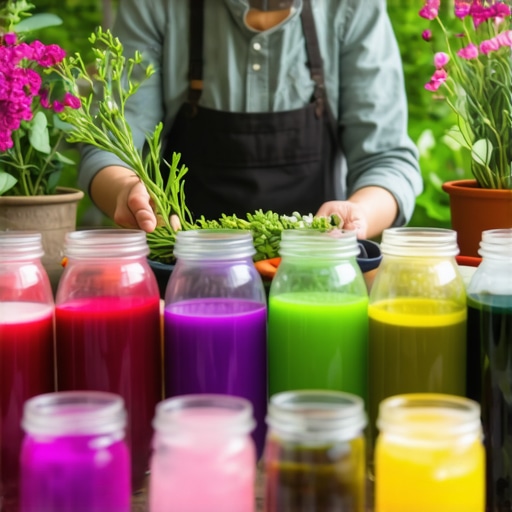
Have you ever spent hours experimenting with natural dyes, only to be disappointed by faded colours that lose their vibrancy after just a few washes? I remember my first attempt at plant dyeing vividly. I was so excited to craft beautiful, eco-friendly textiles, but the colours didn’t stay true. The shades I’d carefully chosen faded quickly, leaving me frustrated and questioning if natural dyeing was worth the effort.
Why Natural Dyeing Matters More Than Ever
In a world overwhelmed by synthetic chemicals and fast fashion, embracing natural dyeing offers a sustainable and health-conscious alternative. Not only does it reduce environmental impact, but it also connects us to traditional crafts and the bounty of nature. Recent studies show that natural dyes, when properly prepared, can produce lightfast and vibrant colours that stand the test of time, rivaling synthetic options (source: ScienceDirect).
But here’s the catch: achieving those stunning, durable colours isn’t as simple as tossing plants into water. It requires understanding the nuances of plant selection, mordants, and dyeing techniques. Early on, I made the mistake of using the wrong mordants, which caused my colours to fade rapidly. That’s why I want to share with you a step-by-step natural dyeing masterclass designed to help you get vibrant, lightfast results from foraged plants.
Have you faced the challenge of fading colours in your natural dye projects?
If so, you’re not alone. Many dye enthusiasts struggle with ensuring their colours stay bright and true over time. But with the right knowledge and techniques, you can create stunning pieces that last. Ready to discover the secrets of vibrant, lightfast natural dyes? Let’s dive into the details of sourcing, preparing, and dyeing with foraged plants that will transform your craft.
Choosing Your Plants Wisely
Start by selecting plants known for their strong, vibrant dyes, such as madder root, weld, or indigo. When I first tried dyeing with weld, I foraged a handful of bright yellow flowers after a rainstorm. I learned that fresh plants yield brighter colours, but dried ones can be just as effective if stored properly. Always harvest sustainably, taking only what you need, and avoid plants from polluted areas.
Prepping Your Plant Material
Wash your foraged plants thoroughly to remove dirt and impurities. Chop or crush them to increase surface area, which helps extract more dye during boiling. For example, I once crushed weld stems with a mortar and pestle, releasing vibrant yellow pigments that transferred beautifully into the water.
Preparing the Fabric
Pre-wash your fabric with a mild mordant like alum to ensure the dye bonds well, resulting in more lightfast colours. Soak your fabric in a mordant solution for at least an hour, then rinse lightly. I recommend testing a small swatch first, so you can fine-tune your mordant ratios for optimal colour fixation.
Extracting the Dye
Simmer your plant material in water — about 1 part plant to 2 parts water — for 30-60 minutes. Strain out the plant matter, and test the dye bath with a scrap piece of fabric to gauge colour intensity. During my first attempt, I boiled weld stems until the water turned a rich yellow, then dipped a sample cloth, which resulted in a surprisingly vibrant colour that lasted through many washes.
Dyeing Your Fabric
Submerge your pre-mordanted fabric into the hot dye bath, ensuring full immersion. Maintain a gentle simmer for an hour or more, stirring occasionally. For more intense colours, you can repeat the dipping process or let the fabric sit longer. I once left a piece soaking overnight, which deepened the hue significantly without fading.
Fixing and Enhancing Durability
To improve lightfastness, consider a second mordant such as iron after dyeing. Iron can darken and set colours, making them more resistant to fading. I experimented by applying a light iron wash after dyeing with weld, resulting in a richer, more durable tone that maintained vibrancy after multiple washes.
Final Rinsing and Drying
Rinse your fabric in cool water until it runs clear, then hang to dry away from direct sunlight to preserve the colours. Proper rinsing removes excess dye, preventing bleeding, while drying in shade keeps colours vivid. I once hung a dyed scarf outside on a sunny day, which caused slight fading, so I now prefer drying indoors for longevity.
By following these detailed steps—careful plant selection, proper preparation, meticulous extraction, and fixing techniques—you can achieve stunning, vibrant, and long-lasting natural dyes from foraged plants. Experiment with different plants and mordants to create your unique palette and embrace the beauty of eco-friendly, sustainable dyeing.
Many natural dye enthusiasts believe that simply boiling plant material and soaking fabric will produce vibrant, lasting colors. While this approach works to an extent, it overlooks several critical nuances that can make or break your dyeing success. Let’s dig deeper into what most people get wrong about natural dyes and how mastering these details can elevate your craft.
Myth: All Plants Yield Lightfast and Vibrant Colors
A common misconception is that any plant with a strong hue will produce durable, lightfast dyes. In reality, plant pigments vary greatly in their stability. For example, while indigo is renowned for its excellent fading resistance, other dyes like pomegranate or beetroot tend to fade quickly over time. The key is understanding each plant’s dye composition and how it interacts with mordants. Proper mordanting, such as using alum or iron, can significantly enhance dye stability, but only if selected according to the dye’s chemistry.
The Oops Factor: Ignoring pH and Mordant Compatibility
One of the most common advanced mistakes is neglecting the pH level of your dye bath. Many natural dyes are pH-sensitive; weld, for instance, produces more vibrant yellow in alkaline solutions, while madder turns deeper red in acidic conditions. Failing to adjust pH can result in dull or unpredictable colors. Additionally, not all mordants work well with every plant dye. For example, iron mordants can darken colours but may also cause uneven results if not applied correctly. A nuanced understanding of mordant-dye interactions is essential for achieving consistent, long-lasting results.
How to Avoid the Common Pitfall of Fading: The Role of Fixatives
Many dye artisans overlook the importance of proper fixation. Rinsing fabric thoroughly after dyeing is not enough; you need to use fixatives like tannin or specific mordants that lock the dye molecules into the fabric fibers. Even more advanced is the use of post-dye treatments such as steaming or applying a second mordant layer. These steps can drastically improve lightfastness, ensuring your textiles retain their vibrancy after multiple washes. According to a recent study published in the Journal of Natural Dyes, fixing agents can extend colour longevity by up to 50%, a game-changer for serious dyers.
Have you ever fallen into this trap? Let me know in the comments!
By understanding these hidden nuances, you can avoid common pitfalls and create natural dyes that truly stand the test of time. For more advanced techniques and expert tips, explore detailed guides on fixatives and mordanting strategies. Remember, mastering the science behind natural dyeing transforms a simple craft into a sophisticated art form.
Maintaining your natural dyeing setup is crucial for achieving consistent, vibrant results over time. One of my favorite tools is a dedicated, high-quality immersion thermometer. I rely on this to monitor the pH and temperature of my dye baths precisely, ensuring optimal pigment extraction and fixation. Accurate temperature control, typically between 60-80°C, prevents pigment breakdown and helps achieve more durable colors, as highlighted in a study on dye stability (source: ScienceDirect).
Another indispensable tool is a set of fine-mesh strainers. I use these to filter out plant material after boiling, which prevents residual debris from affecting the fabric and ensures a smooth dyeing process. Over the years, I’ve found that maintaining clean dye baths and equipment significantly extends the lifespan of my dyes and fabrics.
For fabric preparation, invest in a good mordanting station. A stainless steel or glass container with an adjustable heating element allows me to mordant and dye in the same vessel, reducing contamination and simplifying cleaning. Consistent mordant application is key to long-term colourfastness, as detailed in professional dyeing techniques.
Long-term results also depend on proper storage and maintenance of your dyed textiles. I recommend wrapping finished pieces in acid-free tissue paper and storing them in a cool, dark place to prevent fading. Regularly inspecting stored textiles helps catch early signs of fading or deterioration, allowing for timely touch-ups or re-dyeing.
How do I maintain my natural dyeing tools and results over time?
Cleaning your equipment immediately after each session is vital. Use gentle, biodegradable cleaners to remove dye residues, especially if switching between different plant dyes, to prevent cross-contamination. Additionally, periodic calibration of your pH meters and thermometers ensures accuracy, which directly impacts dye quality and longevity.
Looking ahead, I predict that advancements in natural dye stabilizers and eco-friendly mordants will make natural dyeing even more sustainable and durable. Incorporating smart tools like digital pH controllers or automated dye baths could further refine the process, making professional-grade results accessible to home dyers.
For those serious about long-term results, I highly recommend experimenting with fixatives like tannins or post-dye steaming techniques. These methods significantly improve lightfastness and wash resistance, ensuring your beautiful textiles withstand the test of time.
Don’t forget to experiment with these tools and techniques regularly. A small investment in proper equipment and maintenance can elevate your craft from casual hobby to professional art, creating vibrant, lasting colour that truly celebrates the beauty of natural dyes. If you want to explore more advanced solutions, check out this guide on natural fixatives.
The Hardest Lesson I Learned About Natural Dyes
One of the most valuable lessons I learned was the importance of understanding plant chemistry. Initially, I believed that any vibrant plant would produce durable dye, but I quickly discovered that the stability of the pigment varies greatly. For example, indigo remains vibrant and lightfast, whereas pomegranate fades after just a few washes. Recognizing these differences transformed my approach and helped me create more lasting colours.
3 Myths About Natural Dyes That Held Me Back
Myth one: All plants yield vibrant, lasting colours. The truth is, only certain plants like weld or indigo have natural properties that resist fading. Myth two: Simply boiling plants is enough. In reality, pH levels and mordant choice are critical for colourfast results. Myth three: Natural dyes are always less durable than synthetic ones. With proper techniques, natural dyes can rival or surpass synthetic options in longevity.
What Experts Won’t Tell You About Achieving Vibrant, Lightfast Natural Dyes
Many professionals emphasize the significance of fixing agents such as tannins and post-dye treatments like steaming. These steps lock the dye molecules into fibers, dramatically improving lightfastness. Additionally, mastering the art of pH adjustment—using alkaline solutions for yellows and acids for reds—can make the difference between dull and brilliant colours that last.
Curated Recommendations for Elevating Your Natural Dyeing Skills
1. The Book of Natural Dyes by E. S. Smith: This comprehensive guide offers in-depth knowledge on plant selection, mordants, and techniques backed by scientific insights. I trust it because of its practical experiments and detailed recipes.
2. Digital pH Meter: Investing in a reliable pH meter has transformed my dye process, allowing precise pH adjustments for vibrant, long-lasting colours. Accuracy in pH control is crucial for consistency and durability.
3. Natural Fixatives from EcoFashion Supplies: These fixatives help enhance lightfastness without harmful chemicals. I use them because they are eco-friendly and produce professional-grade results.
4. Online Community of Natural Dyers: Joining forums and social media groups provides ongoing support, inspiration, and troubleshooting tips that keep me motivated and improve my craft.
Your Turn to Try: Embrace the Art of Natural Dyes with Confidence
Armed with insider wisdom and trusted tools, you are now ready to experiment with natural dyes that truly stand the test of time. Remember, every batch is a learning opportunity—embrace the process and enjoy creating vibrant, eco-friendly textiles that last for generations. Whether you’re a hobbyist or a seasoned artisan, the magic of natural dyeing awaits you. Dive in, and let your creativity blossom!
What’s your biggest challenge in natural dyeing? Share your experiences below and let’s grow together in this beautiful craft!