
Have you ever stared at your vintage tile floors or walls, feeling a pang of frustration every time you see water stains or mold creeping into the grout? I’ve been there. One rainy season, my once-charming retro bathroom turned into a damp, moldy nightmare, despite my best efforts to keep it dry. It was a lightbulb moment for me—realizing that old tiles, especially vintage ones, need special care and modern solutions to withstand moisture and prevent mold growth. That experience pushed me into discovering the magic of waterproof and mold-resistant finishes, and today, I want to share what I’ve learned so you can avoid the same pitfalls.
The Importance of Proper Finishes for Vintage Tiles
Vintage tiles are treasures. They add character, charm, and a unique personality to any home. But they also come with their own set of challenges—mainly, how to keep them looking stunning over the years without succumbing to water damage or mold. Traditional finishes often fail to protect these delicate surfaces, especially in high-moisture areas like bathrooms or kitchens. That’s where specialized, waterproof, and mold-resistant finishes come into play. These modern solutions can extend the life of your vintage tiles, maintain their beauty, and save you from costly repairs down the line.
In this post, I’ll walk you through the process of re-tiling with finishes that lock out moisture and inhibit mold growth. Whether you’re a seasoned DIYer or just starting out, mastering these techniques can transform your space into a durable, stylish haven. Plus, I’ll share some common mistakes to avoid and tips from my personal experience to ensure your project is a success. Ready to protect your vintage tiles and make them last for generations? Let’s dive in!
Have you faced issues with water damage or mold in your vintage tile projects? Share your story or questions in the comments below—I’d love to hear from you!
Prepare the Surface Thoroughly
Start by removing any loose grout, dirt, or old sealant from your vintage tiles using a wire brush or a stiff scrubber. Clean the surface with a mixture of mild detergent and water, then rinse thoroughly. Dry completely with a clean cloth to ensure no moisture remains, as residual dampness can compromise the finish.
Choose the Right Waterproofing Product
Select a high-quality, breathable waterproof sealer suitable for vintage ceramic or encaustic tiles. I recommend a penetrating sealer that soaks into the tile and grout, creating an invisible barrier against water infiltration. During my first attempt, I mistakenly chose a surface coating that peeled over time—so don’t make that mistake.
Application Tip:
Apply the sealer with a clean brush or sponge, working in small sections. Use a lint-free cloth to wipe away excess product immediately to prevent pooling. Allow it to cure for at least 24 hours before proceeding to the next step.
Apply Mold-Resistant Finish
Once the sealer is fully cured, apply a mold-resistant epoxy or urethane coating designed for high-humidity environments. This creates a durable, water-resistant layer that also inhibits mold growth. I learned this lesson the hard way when I neglected this step, and mold started creeping into my grout lines again.
Application Process:
Use a foam roller or a high-quality brush to evenly coat the tiles and grout lines. Be meticulous around edges and corners. For best results, apply two coats, allowing each layer to dry completely before the next. This extra layer acts as a safeguard against moisture seepage.
Seal the Grout Properly
Apply a clear, mold-resistant grout sealer with a fine brush or applicator bottle directly into the grout lines. Make sure to fill every gap thoroughly. After curing, wipe away any excess with a damp cloth. This step was crucial in my project—failing to seal the grout led to mold buildup within months.
Maintain the Finish Regularly
Inspect your tiles and grout every six months, especially in bathrooms or kitchens. Reapply the mold-resistant sealer as needed to maintain its protective properties. Regular cleaning with a pH-neutral cleaner helps preserve the finish and prevent mold spores from settling.
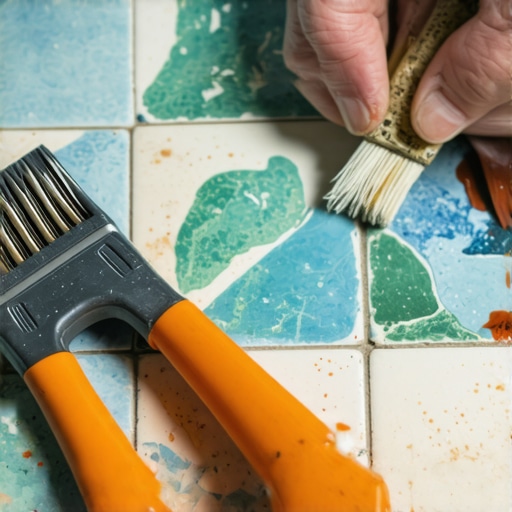
Image showing the step-by-step application of waterproof sealant on vintage tiles, with close-ups of tools and finished surface.
Many DIY enthusiasts and even seasoned homeowners often fall into misconceptions when it comes to waterproofing vintage tiles, especially in moisture-prone areas like bathrooms and kitchens. Let’s dig deeper into some nuances that are frequently overlooked but crucial for lasting results.
The Myth of Universal Sealers
A widespread misconception is that one type of sealer works perfectly for all vintage tiles. In reality, the choice of sealer should be tailored based on the tile material, porosity, and existing finishes. For example, penetrating sealers are ideal for porous tiles like encaustic or ceramic, as they soak into the surface and provide invisible protection. Surface sealers, on the other hand, form a film layer that can peel or crack over time if not suitable for high-moisture environments. Relying on the wrong sealer can trap moisture underneath, leading to mold and deterioration—an oops I made early in my DIY journey. Always consult manufacturers’ guidelines or expert sources before selecting your product.
The Hidden Trap: Ignoring Breathability
Many assume that waterproofing means sealing everything tight. However, vintage tiles and their substrates often require breathable finishes to prevent moisture from getting trapped inside. Using non-breathable coatings in humid environments can cause water vapor to accumulate beneath the surface, leading to efflorescence and tile delamination over time. A study by the Building Research Establishment (BRE) highlights that breathable sealers are essential for historic and vintage tile preservation, especially in environments with fluctuating humidity levels. This nuance can be the difference between a durable finish and a mold-infested disaster. Have you ever fallen into this trap? Let me know in the comments.
Advanced Question: How can I balance waterproofing and breathability for vintage tiles?
Achieving this balance involves selecting products specifically designed to be both water-resistant and vapor-permeable. Look for silane or siloxane-based penetrating sealers labeled as breathable; these allow moisture vapor to escape while blocking liquid water ingress. Proper application techniques, such as thin coats and adequate curing time, are also critical. Incorporating these practices can significantly extend the lifespan of your vintage tiles and prevent common pitfalls like trapped moisture or mold growth.
In summary, understanding the nuanced differences between types of sealers and the importance of breathability can save you from costly repairs and preserve the beauty of your vintage tiles. For more expert insights and advanced DIY solutions, explore our comprehensive guides on home decor ideas and smart DIY tips. Don’t forget to regularly inspect and reapply your sealants to keep your vintage tiles looking their best for years to come.
Maintaining the longevity and beauty of vintage tiles requires more than just aesthetic care; it demands the right tools and consistent techniques to ensure their durability over time. From specialized cleaning equipment to advanced sealing methods, investing in quality tools can significantly simplify your maintenance routine and extend the life of your vintage tiles.
Why I Recommend a High-Quality Grout Scraper
In my experience, a precision grout scraper with a carbide blade has been invaluable. It allows me to remove stubborn mold or old grout without damaging the delicate tile surface. Unlike generic scrapers, a carbide blade maintains its sharpness longer and provides cleaner results, which is essential for preparing surfaces before resealing.
Using a Steam Cleaner for Deep Cleaning
For routine cleaning, I swear by a handheld steam cleaner. It penetrates deep into grout lines, loosening dirt and killing mold spores without harsh chemicals. This tool saves time and preserves the integrity of vintage materials, especially when combined with a soft brush attachment for gentle scrubbing.
Applying Sealants with a Precision Applicator
When it comes to sealing, I prefer a high-precision, refillable applicator bottle. It offers better control over the application of penetrating sealers and grout sealants, ensuring even coverage without excess. Proper application is critical—uneven sealing can trap moisture or leave areas vulnerable to mold.
Long-Term Results Through Consistent Maintenance
By regularly inspecting tiles and reapplying sealants as needed—typically every 1-2 years—you prevent water infiltration and mold growth. Keeping a schedule of maintenance with these tools ensures your vintage tiles stay pristine for decades. Additionally, adopting a routine cleaning protocol with neutral pH cleaners helps maintain the protective finishes, reducing the need for costly restoration.
Future Trends: Smart Maintenance Solutions
Looking ahead, I believe smart sensors embedded in tiles could revolutionize maintenance. These sensors could monitor moisture levels and alert homeowners before mold or damage develop, making proactive care easier. Combining traditional tools with emerging technology will likely become the norm in vintage tile preservation.
How do I maintain vintage tile finishes over time?
Consistent inspection, timely reapplication of sealants, and gentle cleaning with appropriate tools are key. Investing in quality equipment like carbide grout scrapers and steam cleaners ensures thorough maintenance without risking damage. For more innovative ideas on preserving your home’s character, explore our home decor ideas and stay ahead with smart DIY solutions.
The Hardest Lesson I Learned About Waterproofing Vintage Tiles
One of my biggest mistakes was rushing the sealing process without proper surface preparation. I discovered that neglecting to thoroughly clean and dry tiles before applying sealants leads to peeling, trapping moisture underneath, which causes mold and damage over time. This experience taught me patience and the importance of meticulous prep work, especially with delicate vintage tiles.
3 Myths About Vintage Tile Waterproofing That Held Me Back
Initially, I believed that a single coat of sealer would suffice or that all tiles could be protected with generic waterproof products. Both myths resulted in subpar results. I learned that different tiles require tailored solutions and multiple coats for lasting protection. Consulting experts and manufacturer guidelines made a huge difference in my projects.
What Experts Won’t Tell You About Vintage Tile Maintenance
Many professionals overlook the importance of breathability in sealants. Using non-breathable coatings traps moisture, leading to efflorescence and deterioration. My lightbulb moment was realizing that choosing breathable, vapor-permeable sealers preserves the integrity of vintage tiles and prevents costly repairs down the line. This nuanced understanding is crucial for durable preservation.
Curated Recommendations for Long-Lasting Vintage Tile Care
- Silane and Siloxane-Based Sealers: I trust these because they penetrate deeply and allow moisture vapor to escape, protecting tiles without trapping water.
- Steam Cleaners: My go-to tool for deep, chemical-free cleaning that preserves delicate surfaces and grout integrity.
- High-Quality Grout Sealers: Ensuring every grout line is sealed prevents mold buildup and maintains the overall look.
- Expert Resources: The Building Research Establishment (BRE) provides invaluable insights into breathable sealants and preservation techniques.
Your Turn to Try: Embrace the Art of Vintage Tile Preservation
Preserving vintage tiles is a rewarding journey that combines patience, knowledge, and the right tools. By learning from real experiences and expert advice, you can ensure your tiles not only survive but continue to add charm and character to your home for generations. Don’t be afraid to experiment, ask questions, and share your progress. Every tile tells a story, and your careful care will keep those stories alive for years to come. Ready to start your own vintage tile preservation adventure? Dive into more DIY ideas at home decor ideas and share your successes or challenges below!