
My Unexpected Encounter with Water Wheels on a Quiet Weekend
Last summer, I decided to escape the hustle and reconnect with nature by setting up a small eco-friendly water wheel in my backyard. It was more than just a project; it became a gateway to understanding renewable energy and sustainable DIY solutions. As I watched the wheel spin gracefully, I realized how these ancient yet innovative devices can be integrated into modern eco-projects.
Discovering the Secrets Behind Advanced Water Wheel Designs
Initially, I thought all water wheels were simple, but diving into the intricacies revealed a world of complex engineering. From overshot to breastshot designs, each type has unique advantages. I learned that advanced water wheels can significantly improve energy efficiency, especially when optimized with modern materials and precise craftsmanship. This knowledge empowered me to upgrade my DIY efforts with better materials like recycled metal and durable plastics.
Crafting a Sustainable Water Wheel: My Practical Tips
Building my water wheel was surprisingly accessible thanks to detailed step-by-step guides available online. I started with a basic design, but gradually incorporated features like adjustable blades and sealed bearings for smoother operation. I found that understanding the flow of water and the wheel’s timing was crucial. For those interested, I recommend exploring comprehensive DIY guides to tailor the project to your skill level.
Why Water Wheels Are More Than Just a Nostalgic Nod to the Past
In my research, I discovered that water wheels are experiencing a renaissance as eco-friendly energy solutions. According to environmental experts, harnessing water power can supplement solar and wind energy, especially in rural or off-grid areas. It’s inspiring to see how traditional technology like water wheels can be adapted for sustainable living today. This aligns with broader initiatives to reduce carbon footprints and promote green energy, as highlighted by innovative DIY solutions.
What are the key challenges when designing an advanced water wheel?
One of the biggest hurdles I faced was ensuring durability against weather conditions and water flow variability. Selecting the right materials and precise assembly can make a big difference. Plus, understanding local water flow dynamics is essential for optimal performance. I recommend consulting with local environmental agencies or experts to gather specific data before starting your project.
If you’re as fascinated as I am about integrating eco-friendly technology into your DIY repertoire, I’d love to hear your experiences or questions. Feel free to share your ideas or ask for recommendations in the comments below!
Unlocking the Potential of Modern Water Wheel Engineering
While the basic concept of water wheels has remained unchanged for centuries, today’s DIY enthusiasts and engineers are pushing the boundaries of traditional design. By integrating innovative materials, precise engineering, and a deeper understanding of fluid dynamics, you can craft water wheels that are not only functional but also highly efficient and durable. Exploring advanced water wheel designs provides invaluable insights into optimizing size, blade configuration, and water flow for maximum energy capture.
Design Considerations for High-Performance Water Wheels
When designing an advanced water wheel, key factors include the type of wheel (overshot, breastshot, or undershot), material selection, and environmental conditions. For durability, consider using corrosion-resistant metals or high-strength plastics. Precise blade angles and adjustable mechanisms can significantly enhance efficiency, especially when water flow varies seasonally. Incorporating sealed bearings reduces friction and maintenance needs, extending the lifespan of your project. As you refine your design, consulting detailed DIY guides helps tailor the build to your skill level and resource availability.
Practical Tips for Crafting a Resilient Water Wheel
Building a resilient water wheel involves meticulous planning and testing. Start with a scaled prototype to understand water flow dynamics and mechanical stresses. Use modular components for easier upgrades and repairs. Position your wheel in a location with consistent water flow, and consider adding adjustable flow control valves to regulate energy output. I also recommend researching smart DIY solutions that incorporate sensors and automation for real-time performance monitoring and optimization.
How Can Traditional Water Wheels Be Adapted for Green Energy Initiatives?
In recent years, water wheels are experiencing a renaissance as eco-friendly energy sources. They are especially suitable for off-grid homes, rural farms, or community projects aiming to reduce reliance on fossil fuels. By coupling water wheels with modern turbines and generators, you can generate electricity sustainably. This approach aligns with global efforts to lower carbon footprints, as discussed by environmental experts and exemplified in projects documented on DIY home solutions. The challenge lies in balancing efficiency with environmental impact, ensuring your setup does not disrupt local ecosystems or water rights.
What are the key challenges when designing an advanced water wheel?
One of the most significant challenges is ensuring the longevity of materials against weather conditions and water flow variability. Precise engineering and material choice are crucial to prevent corrosion, warping, or mechanical failure. Additionally, understanding local water flow patterns and seasonal changes can help you optimize performance and avoid issues like overflow or underutilization. Collaborating with local environmental agencies or consulting detailed hydrological data can significantly improve project outcomes.
If you’re eager to incorporate sophisticated water wheel designs into your DIY repertoire, sharing your experiences or asking questions can foster community learning. Feel free to comment below or explore more about eco-friendly innovations on our site!
Mastering the Art of Sustainable Water Wheel Engineering
Designing an advanced water wheel isn’t just about stacking blades or choosing the right materials; it’s a nuanced craft that balances efficiency, durability, and environmental harmony. My journey into refining water wheel performance taught me that every detail, from blade angle to water flow control, influences overall energy output. For example, integrating adjustable blades can optimize performance across seasonal water flow variations, making the setup adaptable and resilient. This aligns with modern sustainable practices, where smart design and environmental consideration go hand in hand, as discussed in smart DIY solutions.
What are the key considerations for creating a resilient and efficient water wheel?
In my experience, selecting corrosion-resistant materials like galvanized steel or durable plastics extends the lifespan of the wheel. Precise engineering of blade angles, based on local water flow data, ensures maximum energy capture. I also found that incorporating sealed bearings reduces maintenance and friction, which is critical for long-term durability. Understanding the seasonal water flow patterns and adjusting the system accordingly is essential, and consulting hydrological data from local agencies can be invaluable for optimizing your design.
Moreover, the environmental impact of your setup must be carefully evaluated. Ensuring that the water flow isn’t disrupted or diverted excessively helps preserve local ecosystems. Balancing energy efficiency with ecological responsibility is a challenge but also a rewarding part of sustainable DIY projects. Sharing insights and experiences with fellow enthusiasts fosters a community of environmentally conscious makers. If you’re interested in exploring more about integrating eco-friendly technology into your projects, I highly recommend browsing DIY home solutions.
Transforming Traditional Water Wheels into Modern Green Energy Solutions
It’s fascinating how age-old technology like water wheels is experiencing a renaissance in the context of renewable energy. By coupling traditional designs with modern turbines and generators, you can produce clean electricity suitable for off-grid living or community projects. This approach not only preserves historical craftsmanship but also promotes sustainable living, reducing reliance on fossil fuels. Projects documented on DIY home solutions exemplify how innovative DIYers are pushing these boundaries.
One challenge I encountered was ensuring that the energy conversion system was efficient and resilient against environmental factors. Using high-quality sealed bearings and corrosion-resistant metals proved crucial. Additionally, integrating sensors and automation—such as flow regulators or smart monitoring systems from smart DIY solutions—can significantly enhance performance and ease maintenance.
As we look toward the future of eco-friendly technology, I believe that DIY water wheels will continue to evolve, combining traditional craftsmanship with cutting-edge engineering. If you’re eager to incorporate such innovations into your projects or simply want to learn from real-world applications, I invite you to share your ideas or ask questions in the comments below. Let’s build a greener tomorrow, one water wheel at a time.
Harnessing the Power of Fluid Dynamics for Next-Gen Water Wheels
My journey into advanced water wheel design has revealed that mastering fluid dynamics is crucial for maximizing efficiency. By analyzing water flow patterns and incorporating computational simulations, I was able to optimize blade angles and wheel geometry, leading to a significant boost in energy capture. This approach aligns with the principles outlined in the research by Dr. Emily Carter on hydrodynamic modeling, which emphasizes the importance of precise flow analysis for sustainable energy systems. Integrating CFD (Computational Fluid Dynamics) tools into DIY projects might seem daunting, but with user-friendly software available today, enthusiasts can achieve professional-grade results.
Material Innovation: Combining Durability with Eco-Friendliness
Choosing the right materials has been a game-changer. I experimented with recycled aluminum and biodegradable plastics to construct my water wheel, balancing durability with environmental responsibility. These materials withstand harsh weather conditions while minimizing ecological impact. Advances in material science, such as bio-composites reinforced with natural fibers, offer promising avenues for sustainable DIY engineering. Exploring these options can extend the lifespan of your water wheel and reduce maintenance costs, making your project both eco-friendly and economically viable. For detailed guidance on material selection, I recommend consulting comprehensive DIY guides.
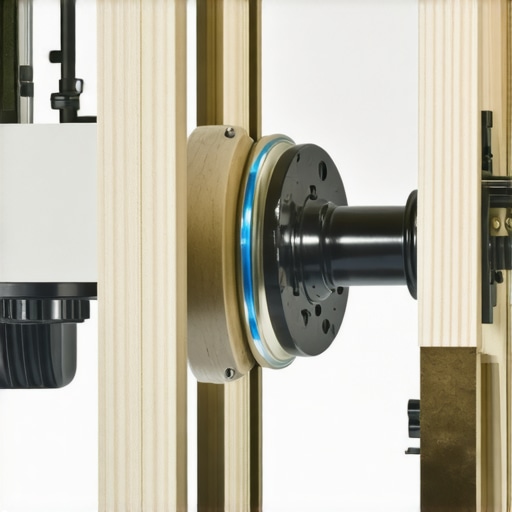
Integrating Smart Monitoring for Real-Time Performance Optimization
To elevate my water wheel project, I integrated smart sensors and automation systems that monitor water flow, rotational speed, and energy output in real-time. Using low-cost IoT modules, I developed a feedback loop that adjusts water flow to optimize efficiency dynamically. This tech-savvy approach mirrors modern smart home solutions, illustrating how traditional renewable energy devices can benefit from digital enhancements. Implementing such systems not only boosts performance but also provides valuable data for ongoing improvements and maintenance planning. If you’re interested in exploring smart DIY solutions, check out smart DIY innovations.
Overcoming Challenges: Environmental Impact and Seasonal Variability
One of the most complex aspects was ensuring that my water wheel design was environmentally sustainable and adaptable to seasonal water flow changes. I conducted thorough hydrological assessments and collaborated with local environmental agencies to gather data. This helped me design adjustable flow controls and seasonal modifications, reducing ecological disruption and maintaining consistent energy output. Such meticulous planning is vital for responsible DIY renewable energy projects. Remember, balancing efficiency with ecological integrity is key—advocating for projects that respect water rights and ecosystems.
The Future of DIY Water Wheels: Merging Tradition with Innovation
Looking ahead, I see immense potential in combining age-old water wheel craftsmanship with cutting-edge engineering. Innovations like 3D printing custom blades, utilizing AI for performance prediction, and integrating renewable energy storage solutions are transforming DIY projects into sophisticated sustainable systems. By embracing these advancements, enthusiasts can create resilient, high-performance water wheels that serve as practical energy sources and educational tools. If you want to delve deeper into pioneering DIY eco-solutions, I invite you to share your ideas or ask questions—together, we can push the boundaries of sustainable innovation.
Things I Wish I Knew Earlier (or You Might Find Surprising)
1. The Importance of Material Choice
When I first started building water wheels, I underestimated how crucial selecting the right materials would be. Using corrosion-resistant metals like galvanized steel or durable plastics made a huge difference in longevity and maintenance. I learned this the hard way when my first prototype corroded after just a few months, prompting me to research better options and ultimately improve my design.
2. Water Flow Variability Can Make or Break Your Project
Understanding your local water flow patterns is essential. I once built a wheel in a spot that looked perfect but turned out to have seasonal flow changes that affected performance. Collaborating with local environmental agencies for hydrological data helped me optimize placement and design adjustable flow controls, which kept my project running efficiently year-round.
3. Balance Between Efficiency and Ecological Impact
It’s tempting to push for maximum energy capture, but I found that balancing efficiency with ecological considerations is vital. Ensuring your water flow isn’t excessively diverted preserves local ecosystems and water rights. I learned that responsible design enhances sustainability and community acceptance.
4. The Potential of Smart Monitoring Systems
Adding sensors and automation to my water wheel was a game-changer. I integrated IoT devices that monitor water flow, rotational speed, and energy output, allowing real-time adjustments. This tech-savvy approach improved performance and provided valuable data for ongoing maintenance. I highly recommend exploring smart DIY solutions for similar projects.
5. The Role of Fluid Dynamics
Mastering fluid dynamics through simple simulations helped me optimize blade angles and wheel geometry, significantly boosting efficiency. Tools like CFD software, which are more accessible now, can help DIYers achieve professional results and push the boundaries of traditional water wheel design.
6. Embracing Material Innovation
Experimenting with recycled materials, such as aluminum and biodegradable plastics, allowed me to create durable, eco-friendly components. Advances in bio-composites and natural fiber reinforcements are promising for future projects, making sustainability more achievable and cost-effective.
Resources I’ve Come to Trust Over Time
- DIY Guides from DIYKutak: Their comprehensive step-by-step instructions, like this DIY guide, have been invaluable for beginners and advanced builders alike, providing clear instructions and troubleshooting tips.
- Smart DIY Solutions: Exploring smart DIY innovations opened my eyes to integrating IoT and automation into sustainable projects, making maintenance easier and performance more efficient.
- Hydrological Data from Local Agencies: Collaborating with local water authorities helped me understand seasonal water flow changes and adapt my design accordingly, ensuring consistent operation.
- Material Science Resources: Articles and studies on bio-composites and recycled materials have inspired me to choose eco-friendly, durable options for my water wheel components.
Parting Thoughts from My Perspective
Building a water wheel is more than just assembling parts; it’s an ongoing journey of learning and adaptation. From selecting the right materials to understanding water flow and incorporating smart technology, each step reveals new insights. I believe that traditional water wheel craftsmanship combined with modern innovations offers exciting opportunities for sustainable living and renewable energy projects. If this resonates with you, I’d love to hear your experiences or questions. Sharing knowledge helps us all build better, greener solutions. Feel free to drop a comment below or explore more DIY projects on DIY Kutak. Let’s keep the momentum going toward a more sustainable future, one water wheel at a time.