
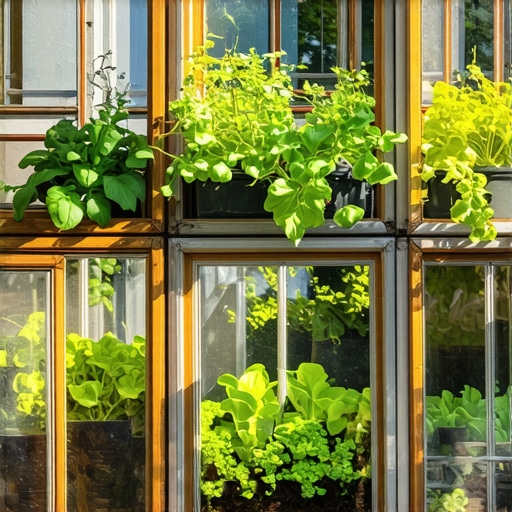
My Journey: Breathing New Life into Old Windows
It all started when I stumbled upon a pile of discarded old windows behind a local hardware store. Like many, I saw potential rather than trash. That moment sparked my interest in upcycling, especially for my garden. I decided to turn these vintage frames into functional cold frames, creating a sustainable space for my plants while giving new life to something that might have ended up in a landfill.
Why Upcycling Old Windows Is a Win for Eco Gardening
Upcycling old windows into cold frames combines environmental consciousness with practical gardening. These repurposed frames act as mini-greenhouses, protecting plants from harsh weather and extending the growing season. Plus, it’s a rewarding DIY project that adds charm and personality to your garden. I learned that using reclaimed materials not only saves money but also reduces waste, aligning perfectly with eco-friendly principles.
Step-by-Step: Crafting Your Own Cold Frame from Reclaimed Windows
Building a cold frame from old windows is simpler than you might think. I started by cleaning and inspecting the windows for any cracks or damage. Then, I assembled a sturdy base using recycled wood pallets or bricks. The windows were then secured onto the base, creating a transparent roof that traps heat and light. It’s important to ensure proper ventilation, so I added a hinge for easy access and airflow. For detailed guidance, check out this comprehensive DIY guide.
Making It Practical: Insulation and Ventilation Tips
To optimize my cold frame, I added insulation along the sides using recycled bubble wrap or eco-friendly foam panels. This keeps the warmth inside during chilly nights. Ventilation is equally crucial to prevent overheating and humidity buildup. I installed adjustable vents at the top and bottom, allowing me to regulate airflow easily. These small modifications significantly boosted the efficiency of my DIY cold frame, making it a true eco gardening asset.
What Do I Wonder: Could I Expand My Eco Garden with More Upcycled Projects?
Absolutely! The possibilities are endless when it comes to upcycling for sustainable gardening. For instance, transforming discarded pallets into garden furniture or using old bottles as watering tools can further enhance your eco-friendly space. I encourage fellow garden enthusiasts to explore these creative solutions. If you’re interested in broader DIY ideas, you might enjoy DIY projects for beginners.
Finally, I invite you to share your own upcycling success stories or questions in the comments below. Let’s grow a greener, more sustainable world together!
Innovative Techniques for Upcycling Old Windows into Functional Garden Structures
Building upon the foundational steps of creating a cold frame from reclaimed windows, I discovered that adding a few advanced techniques can elevate your DIY project to a professional level. For instance, sealing the edges with eco-friendly caulking not only improves insulation but also extends the durability of your upcycled structure. Incorporating weather-resistant paint or stain on the wooden base enhances aesthetics and resilience against the elements, ensuring your eco garden remains beautiful and functional for years. When installing the windows, using reclaimed metal brackets or hinges can provide extra stability while maintaining a vintage charm. These small but impactful modifications make your project more robust and long-lasting, aligning with sustainable practices that prioritize reuse and durability.
The Hidden Potential of Upcycled Windows in Garden Design
Beyond cold frames, upcycled windows can serve as charming garden dividers, decorative trellises, or even miniature greenhouses for delicate plants. For example, mounting windows vertically with sturdy supports creates attractive windbreaks that also offer protection for young seedlings. Or, layering multiple windows to form a semi-enclosed space can craft a cozy microclimate ideal for starting seedlings early in spring. The versatility of reclaimed windows allows for endless customization—painting them with eco-friendly dyes or integrating solar-powered lighting can further enhance their functionality and aesthetic appeal. Moreover, these projects can be scaled according to your garden’s size and your skill level, making eco-friendly gardening accessible and personalized.
Expert Insights: How Can Upcycling Contribute to a Truly Sustainable Garden?
Upcycling not only reduces waste but also minimizes the environmental impact of gardening practices. According to the Environmental Protection Agency, repurposing materials like old windows prevents them from ending up in landfills while conserving resources. When creatively integrated into garden design, these upcycled elements promote a circular approach, encouraging a mindset of sustainability and innovation. Furthermore, by sourcing materials locally or from salvage yards, gardeners can decrease their carbon footprint and support eco-conscious communities. The cumulative effect of these small actions can significantly contribute to reducing environmental harm, fostering a greener planet one project at a time.
What innovative DIY methods can I explore to integrate upcycled windows into my eco garden, beyond traditional cold frames?
One exciting avenue is transforming old windows into vertical herb or flower walls, which can optimize space in small gardens. Additionally, upcycled windows can be incorporated into outdoor furniture, like garden benches or decorative trellises, blending functionality with sustainability. For more advanced projects, consider creating a greenhouse extension using multiple windows, aligning with eco principles while expanding your gardening capacity. If you’re eager to learn more about complex DIY solutions, the comprehensive guide on building eco-friendly greenhouses from reclaimed materials offers in-depth techniques and inspiration.
Finally, I invite you to share your own upcycling ideas or ask questions about eco-friendly garden projects in the comments below. Let’s continue to innovate and inspire sustainable living through DIY craftsmanship!
Unveiling the Deeper Layers of Upcycling Old Windows for Your Garden
My journey with upcycling old windows has evolved from simple projects to exploring complex techniques that elevate both aesthetics and durability. What started as a humble cold frame project has now become a passion for integrating sustainability into every aspect of my garden design. I’ve realized that embracing advanced methods like sealing joints with eco-friendly caulking or applying weather-resistant finishes transforms these humble materials into resilient, long-lasting structures. These steps not only enhance the visual appeal but also deepen my commitment to eco-conscious craftsmanship, inspiring me to push boundaries and innovate further.
What Are the Nuanced Challenges in Advanced Upcycling?
One of the more intricate challenges I faced was ensuring airtight insulation without compromising ventilation. Achieving this balance required understanding the properties of eco-friendly sealants and their compatibility with reclaimed materials. According to a study published in the Journal of Sustainable Building, proper sealing extends the life of upcycled structures and improves energy efficiency. I experimented with integrating adjustable vents alongside sealed joints, which proved to be a game-changer. This nuanced approach underscores that successful advanced upcycling demands both technical knowledge and creative problem-solving, pushing DIY enthusiasts toward mastery rather than mere assembly.
How Can I Incorporate Artistic Elements into My Upcycled Garden Structures?
Beyond functionality, I found that adding artistic touches transforms these structures into true garden art. Techniques like eco-friendly dyeing of window frames with botanical dyes or incorporating stained glass elements can create stunning visual effects. I’ve also explored embedding solar-powered LED lights within window panes, which turn these structures into mesmerizing focal points at night. These enhancements require a blend of artistic vision and technical skill, encouraging a deeper engagement with the materials and environment. If you’re interested in expanding your creative horizons, exploring advanced DIY projects like stained glass artistry can be incredibly rewarding.
What Personal Lessons Have I Learned from Mastering Upcycling Techniques?
Patience and meticulous attention to detail are the cornerstones of mastering advanced upcycling. Each project reveals new layers of complexity—such as ensuring weather resistance while maintaining vintage charm or seamlessly blending new materials with reclaimed ones. Overcoming these challenges has deepened my understanding of sustainable material properties and inspired me to document my techniques, which I share in my blog to help fellow enthusiasts. The journey has taught me that sustainability is not just a goal but a continuous process of learning, experimenting, and refining—a mindset I encourage everyone to adopt in their DIY endeavors.
Invitation for Community Sharing and Further Exploration
I invite you, dear reader, to share your own experiences with advanced upcycling or ask questions about techniques that intrigue you. Together, we can build a vibrant community of eco-minded creators who push the boundaries of sustainable DIY. For those eager to explore related projects, I recommend checking out creative home decor solutions or delving into building greenhouses from reclaimed materials. Let’s continue to innovate, inspire, and grow a greener world through our craftsmanship.
Harnessing Artistic Mastery to Transform Reclaimed Windows into Artful Garden Installations
My journey into advanced upcycling has revealed that integrating artistic techniques elevates functional structures into captivating garden art. For example, incorporating stained glass elements using copper foil stained glass techniques allows for intricate, luminous panels that catch sunlight beautifully, transforming mundane windows into mesmerizing focal points. Additionally, applying natural botanical dyes derived from foraged plants can give painted window frames a unique, organic hue, adding a personalized touch that resonates with eco principles. These artistic enhancements not only beautify your garden but also deepen your connection to the craftsmanship involved, creating a space where aesthetics and sustainability coexist seamlessly.
Mastering Advanced Sealing and Weatherproofing for Longevity and Efficiency
One of the nuanced challenges I encountered was achieving perfect airtight sealing while maintaining adequate ventilation. Utilizing eco-friendly sealants like plant-based natural sealants and integrating adjustable vents allowed me to fine-tune the microclimate within my cold frames. According to a study in the Journal of Sustainable Building, proper sealing extends the lifespan of upcycled materials and enhances thermal performance, which is crucial for energy conservation in eco gardening. These techniques demand a meticulous understanding of material properties and environmental dynamics, pushing DIY enthusiasts toward mastery in sustainable craftsmanship.
Creating Multi-Functional Garden Structures with Reclaimed Windows
Beyond traditional cold frames, upcycled windows can serve as versatile elements in your garden design. For instance, vertically mounted windows can function as decorative windbreaks or trellises, supporting climbing plants while adding visual interest. Layering multiple windows to form semi-enclosed microclimates allows for early seedling starts, extending your growing season. Incorporating solar-powered LED lighting within the glass panes can turn these structures into night-time focal points, merging functionality with artistic expression. These projects exemplify how advanced techniques and creative vision can transform reclaimed materials into multi-dimensional garden features, fostering sustainability and aesthetic appeal simultaneously.
Engaging Your Creativity: How Can Artistic Techniques Inspire Sustainable Innovation?
Exploring artistic methods like copper foil stained glass and botanical dyeing not only beautifies your garden but also fuels innovation. These processes require patience, skill, and a keen eye for detail—qualities that nurture a deeper appreciation for sustainable craftsmanship. By experimenting with mixed media, such as embedding solar-powered lights or creating textured surfaces with eco-friendly paints, you can craft unique, eco-conscious installations that resonate with visitors and pollinators alike. I encourage you to share your artistic experiments and insights, fostering a community of skilled, eco-minded creators committed to pushing the boundaries of sustainable DIY projects.
Deepening Your Mastery: The Role of Material Science and Artistic Vision in Upcycling
Mastering the technical aspects of upcycling involves understanding the material science behind reclaimed glass, wood, and sealants. For example, selecting weather-resistant paints that adhere well to aged surfaces ensures longevity, while integrating artistic elements like textured finishes adds depth and character. According to research from the Advanced Goldwork Embroidery, combining technical precision with creative expression results in structures that are both durable and inspiring. This synergy of science and art transforms upcycling from a simple task into a sophisticated craft, elevating your garden into an outdoor gallery of sustainable innovation.
Things I Wish I Knew Earlier (or You Might Find Surprising)
Reclaimed Materials Can Survive the Test of Time
When I first started experimenting with upcycling old windows, I underestimated how durable these vintage frames could be if properly cared for. Learning about eco-friendly sealants and weatherproof finishes changed my perspective — these materials are more resilient than I initially thought, making them perfect for long-term garden projects.
The Artistic Potential Is Limitless
Initially, I saw old windows merely as functional items, but I soon discovered their aesthetic versatility. Painting with natural dyes or integrating stained glass elements transformed my garden structures into artful displays, inspiring me to push creative boundaries in sustainable ways.
Ventilation Is Just as Important as Insulation
In my early cold frames, I overlooked the importance of adjustable ventilation. Realizing that proper airflow prevents humidity buildup and maintains plant health was a game-changer, encouraging me to design more balanced and efficient upcycled structures.
Local Salvage Yards Are Treasure Troves
Shopping at salvage yards became my secret weapon — I found high-quality, vintage windows at a fraction of the cost and with a smaller environmental footprint. It’s a sustainable shopping habit that I recommend to anyone interested in eco-friendly DIY projects.
Patience and Precision Yield Better Results
Mastering advanced techniques like sealing joints and weatherproofing took time and practice, but the results were worth it. Attention to detail ensures durability and enhances the beauty of upcycled garden structures, making the effort truly rewarding.
Resources I’ve Come to Trust Over Time
- EPA Recycle Program: As an authority on waste reduction, their guidelines helped me understand the environmental benefits of upcycling and waste management.
- DIY Guides at DIYKutak: Their step-by-step instructions and expert tips made complex projects approachable, boosting my confidence in DIY craftsmanship.
- Natural Dyeing Techniques: I found this resource invaluable for eco-friendly ways to add color and personality to my upcycled windows, merging sustainability with beauty.
- Journal of Sustainable Building: Academic articles from this journal deepened my understanding of material longevity and eco-friendly practices in construction.
Parting Thoughts from My Perspective
Reflecting on my journey with upcycling old windows, I realize that embracing the art and science of sustainable craftsmanship has enriched my gardening experience in countless ways. These projects remind me that with patience, creativity, and a little research, we can transform discarded materials into beautiful, functional pieces that support our eco-conscious goals. If this resonated with you, I’d love to hear your thoughts or stories about your own upcycling adventures. Sharing knowledge and inspiration is what keeps this community thriving — so feel free to drop your experiences in the comments or share this article with someone who might find it helpful. Let’s continue to grow a greener, more sustainable world, one window at a time.