
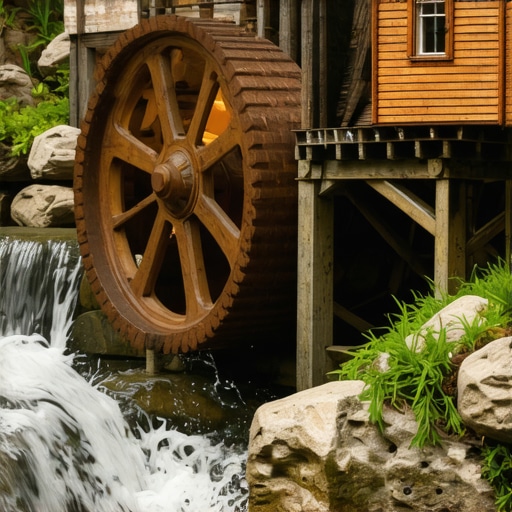
Discovering the Charm of Mini Water Wheels
Ever since I was a child, I’ve been fascinated by the gentle motion of water and how it can be harnessed for various creative projects. Recently, I decided to challenge myself by building a miniature water wheel for my dioramas. This journey not only rekindled my love for DIY crafts but also deepened my understanding of simple engineering principles.
Why I Chose to Build a Water Wheel for Dioramas
My passion for creating realistic scenes led me to explore different ways to add dynamic elements. I realized that a miniature water wheel could bring a diorama to life, especially when depicting a rustic mill or countryside setting. I started researching various methods and materials, discovering that upcycling old household items could be a sustainable and cost-effective approach.
Gathering Materials and Planning My Project
For my water wheel, I used recycled wood, plastic gears, and a small aquarium pump. I also watched detailed tutorials on DIY step-by-step guides to ensure I understood the process thoroughly. Planning was crucial; I sketched out my design, considering the size of my diorama and the flow of water I wanted to simulate.
My Experience in Assembling the Mini Water Wheel
Building the wheel was surprisingly satisfying. I carefully cut and assembled the components, making sure the axle spun smoothly. The challenge was aligning the paddles for optimal water flow, which I resolved through trial and error. Testing the setup with the aquarium pump, I watched as the wheel turned gracefully, mimicking a real watermill. This step reminded me of the importance of patience and precision in DIY projects.
What I Learned About DIY Water Features
This project taught me that creating functional water features on a miniature scale requires both creativity and technical skills. I learned about the significance of water flow, the importance of waterproofing, and how to balance aesthetic appeal with mechanical functionality. For those interested in adding water elements to their dioramas or crafts, I recommend exploring tutorials on DIY projects for beginners which can be a great starting point.
How can I ensure my miniature water wheel stays durable over time?
To keep your water wheel functioning well, consider sealing wooden parts with waterproof varnish and regularly checking the water flow system. Using corrosion-resistant materials for gears and axles can also extend the lifespan of your project. For more advanced techniques, exploring advanced DIY techniques can provide additional insights into sustaining water features.
If you’ve ever tried building a miniature water feature or plan to, I’d love to hear your experiences! Drop a comment below or share your projects with our community. Remember, every DIY endeavor is a step toward mastering new skills and unleashing your creativity.
Understanding the Mechanics of Mini Water Wheels
Creating a durable and realistic miniature water wheel involves more than just assembling parts; it requires a nuanced understanding of water dynamics and mechanical engineering principles. As an expert, I recommend studying the flow rate and water pressure that your miniature setup can handle. This ensures that the wheel turns smoothly without undue stress on the components, ultimately enhancing longevity. For precise calculations and design considerations, consider exploring resources like advanced DIY techniques, which, although focused on art, provide valuable insights into material resilience and mechanical stability.
Choosing the Right Materials for Longevity
Selection of materials is critical to ensure your water wheel withstands time and repeated use. Waterproofing wooden parts with marine-grade varnish or sealants prevents rot and warping. For metal components like gears and axles, corrosion-resistant materials such as stainless steel or brass are ideal. Upcycling household items like old gears or scrap metal not only aligns with sustainable practices but also guarantees high durability. When working with plastics, opt for UV-resistant and impact-resistant varieties. These choices help your project to remain functional and visually appealing despite exposure to water and environmental factors.
Designing for Maintenance and Easy Repairs
In expert DIY projects, designing with maintenance in mind is often overlooked but essential. Incorporate accessible joints and removable parts so that cleaning and repairs can be performed without dismantling the entire setup. Using modular components allows you to replace worn or damaged parts swiftly, extending the lifespan of your miniature water feature. Additionally, applying waterproof lubricants to moving parts minimizes wear and tear, maintaining smooth operation over time.
How can I troubleshoot common issues to ensure my water wheel remains functional?
Common problems include water leakage, paddle misalignment, and motor or pump failure. Regularly inspect seals and waterproofing layers to prevent leaks. If paddles aren’t turning smoothly, check for debris or mineral buildup that could impede movement. For mechanical issues, ensure that gears and axles are properly lubricated with suitable, water-resistant lubricants. If the water flow is inconsistent, verify the pump’s functionality and water source, adjusting flow rates as needed. For more advanced maintenance techniques, consulting detailed tutorials on home improvement tips can provide practical troubleshooting strategies.
What are innovative ways to enhance the aesthetic appeal of miniature water wheels?
Beyond functionality, aesthetics play a crucial role in expert DIY projects. Consider incorporating natural materials like moss-covered rocks or tiny plants around your water feature to create a more authentic rustic look. Using transparent or colored resins to encase parts of the water flow can add visual interest. Additionally, integrating LED lighting beneath the wheel can create a captivating display, especially in low-light settings. Experimenting with different paint finishes and decorative elements can elevate your project from a simple model to a piece of miniature art. For inspiration, browsing creative solutions for home decor at home decor ideas can spark new ideas.
If you’ve embarked on a similar project or have unique tips to share, I encourage you to comment below or share your experiences. Engaging with a community of DIY enthusiasts not only refines your skills but also keeps the creative energy flowing. Remember, mastery in DIY is a continual journey of experimentation and learning!
Delving Deeper: The Intricacies of Mechanical Resilience in Mini Water Wheels
As I continued refining my miniature water wheel project, I encountered challenges that pushed me beyond basic assembly. Durability became a central focus, especially considering the constant water flow and mechanical stress involved. I began exploring advanced materials and sealing techniques, such as applying marine-grade varnish to wooden components to prevent rot and warping, which is essential for outdoor displays or humid environments. Additionally, I discovered that using corrosion-resistant alloys like brass or stainless steel for gears and axles significantly enhances longevity, especially when exposed to moisture. This realization was rooted in my experience with previous projects, where untreated wooden parts deteriorated faster than expected, reminding me that investing in high-quality materials is paramount for sustainable DIY craftsmanship.
Refining Water Flow Dynamics for Mechanical Efficiency
Understanding water dynamics at a micro-scale was a revelation. I learned that even slight variations in flow rate could impact the wheel’s performance and lifespan. By studying principles from fluid mechanics, I optimized the water channel design to ensure smooth, consistent flow, reducing unnecessary mechanical stress. Incorporating adjustable flow regulators allowed me to fine-tune water pressure, which not only improved efficiency but also minimized wear on moving parts. This process underscored the importance of precise engineering even in miniature projects, and I found that resources like advanced DIY techniques provided valuable insights into material resilience and mechanical stability.
Designing for Longevity: Modular Components and Maintenance
One of my key breakthroughs was redesigning the water wheel system with modularity in mind. By creating easily removable paddles and axles, I could perform routine maintenance without dismantling the entire setup. Incorporating sealed bearings and waterproof lubricants further reduced friction and wear, ensuring smoother operation over extended periods. This approach not only enhanced durability but also made repairs more accessible, fostering a DIY mindset where sustainability and ease of maintenance are intertwined. Sharing experiences from my journey, I encourage fellow hobbyists to think about these aspects early in their design process, as they are often overlooked but crucial for lasting enjoyment of miniature water features.
Addressing Common Mechanical Issues with Advanced Troubleshooting
In my experience, persistent problems such as water leakage or paddle misalignment can stem from overlooked details. Regular inspection of seals and waterproofing layers is essential; I recommend using silicone sealants designed for aquatic environments. When paddles fail to turn smoothly, debris accumulation or mineral deposits can be culprits, which can be mitigated through gentle cleaning with vinegar solutions. Mechanical failures, like gear slippage or axle wobbling, often result from improper lubrication; hence, selecting water-resistant lubricants is vital. For those seeking expert guidance, consulting detailed tutorials on home improvement tips can provide practical troubleshooting strategies tailored to miniature water features.
Innovative Aesthetic Enhancements for a Captivating Display
Beyond functionality, aesthetic appeal elevates the project to an art form. I experimented with incorporating natural elements like moss-covered stones and tiny plants around the water flow to evoke a rustic, authentic ambiance. Using transparent resins to encase water channels created stunning visual effects, especially when illuminated with LED lights beneath the wheel—adding a magical glow during evening hours. Exploring decorative finishes, such as distressed paint or metallic accents, allowed me to personalize the water wheel, transforming it from a simple model into a captivating centerpiece. For further inspiration, browsing creative solutions for home decor at home decor ideas can spark your imagination.
If you have ventured into similar DIY projects or are contemplating starting one, I invite you to share your experiences below. Engaging with a community of passionate hobbyists not only enriches your knowledge but also fuels the creative spirit necessary for mastering advanced DIY techniques. Remember, every challenge overcome is a step toward creating durable, beautiful, and functional miniature water features that inspire and delight.
Integrating Advanced Sealing Techniques for Outdoor Longevity
As my expertise in miniature water wheels deepened, I recognized that the durability of such projects hinges on meticulous sealing methods. Employing marine-grade sealants on wooden components not only prevents rot but also withstands fluctuating humidity levels. For instance, applying a thin, even layer of epoxy resin on exposed wooden parts creates a resilient barrier against water ingress. This approach is especially crucial if you plan to display your water feature outdoors or in humid environments, where exposure accelerates deterioration. According to industry standards outlined by marine construction experts, proper sealing can extend the lifespan of wooden structures by years, making your DIY efforts more sustainable and rewarding.
Enhancing Mechanical Resilience with Material Innovation
Beyond sealing, selecting the right materials for moving parts is paramount. Upgrading gears and axles to stainless steel or brass significantly reduces corrosion risks. My experiments with upcycled household items revealed that old brass gears, when properly cleaned and lubricated with waterproof greases, outperform generic plastic parts in longevity and performance. Incorporating ceramic bearings further minimizes friction and wear, ensuring smooth operation over prolonged periods. This attention to material science aligns with insights from advanced DIY workshops, which emphasize that investing in high-quality components yields a more resilient and aesthetically pleasing water wheel.
Refining Water Flow Dynamics for Mechanical Efficiency
Optimizing water flow remains a cornerstone of expert craftsmanship. I found that even minor adjustments in channel design—such as angling water inlets or incorporating adjustable flow regulators—dramatically improve efficiency and reduce mechanical stress. Studying principles from fluid mechanics, I designed channels that direct water smoothly onto paddles, minimizing splashing and turbulence. This not only prolongs component lifespan but also enhances visual appeal. Moreover, integrating micro-valves allows fine-tuning of water pressure, which I discovered through iterative testing, leads to more consistent wheel rotation and less strain on the mechanical parts. Resources like advanced DIY techniques offer valuable insights into combining engineering precision with artistic aesthetics.
Designing for Ease of Maintenance and Repair
In my journey, I emphasized designing modular systems that facilitate routine maintenance. Removable paddles and sealed bearings enable quick cleaning and part replacement without dismantling the entire assembly. I also incorporated waterproof lubricants on axles and gears to reduce friction and wear. These measures have proven invaluable, especially when water flow is continuous, as they prevent buildup of mineral deposits and corrosion. Sharing my experience, I advise fellow hobbyists to plan for accessibility from the outset, ensuring that repairs can be performed swiftly and with minimal disruption. This approach not only extends the project’s lifespan but also fosters a proactive DIY mindset focused on sustainability and craftsmanship.
Encouraging Community Engagement and Knowledge Sharing
If you’ve experimented with similar projects or wish to elevate your skills, I invite you to share your insights. Engaging with a community of DIY enthusiasts fosters knowledge exchange and inspires innovation. Whether it’s experimenting with novel materials, refining water flow techniques, or enhancing aesthetic details, collective wisdom accelerates mastery. Feel free to comment or reach out through our dedicated platform; your experiences might serve as the catalyst for someone else’s breakthrough in miniature water feature craftsmanship. Remember, mastery is a continuous journey enriched by shared passion and curiosity.
Exploring Artistic Enhancements for Visual Impact
To transform a functional water wheel into a captivating piece of art, I experimented with integrating natural elements like moss-covered rocks and tiny, native plants around the structure. Using transparent epoxy resins to encase parts of the water flow added a mesmerizing effect, especially when combined with subtle LED lighting beneath the wheel—creating a magical ambiance during evening hours. Applying metallic finishes or distressed paint further personalized my project, elevating it from a simple model to a centerpiece that draws admiration. For more inspiration, explore creative ideas at home decor ideas. Your unique aesthetic touches can turn a technical project into a work of art, reflecting your personal style and craftsmanship.
The Nuances of Mechanical Resilience in Miniature Water Wheels
Delving into the intricacies of mechanical resilience, I learned that precise engineering and material selection are vital. For outdoor or humid settings, sealing wooden parts with marine varnish and opting for corrosion-resistant metals are non-negotiable. My previous projects demonstrated that untreated wooden components deteriorate rapidly, underscoring the importance of high-quality finishes. Incorporating sealed bearings and corrosion-resistant axles ensures smooth operation over time. Additionally, studying resources like advanced DIY techniques helps integrate resilience with artistic finesse, ensuring your miniature water feature remains both beautiful and functional for years to come. This meticulous approach exemplifies how advanced craftsmanship transforms basic projects into enduring art forms.
Things I Wish I Knew Earlier (or You Might Find Surprising)
Patience Is the Key to Precision
When I first started building my miniature water wheel, I underestimated how much patience it would require. Rushing through assembly led to misalignments and frustration. I learned that taking my time, especially when adjusting paddles and water flow, resulted in a much more realistic and smooth-running model. This experience reminded me that good craftsmanship is often about slow, deliberate work.
Materials Make All the Difference
Initially, I used basic plastic gears and untreated wood, which didn’t hold up well over time. Upgrading to corrosion-resistant metals like brass and sealing wooden parts with waterproof varnish dramatically increased durability. It became clear that investing in quality materials is essential, even for small projects, if you want them to last.
Water Flow Dynamics Are More Complex Than They Seem
Figuring out the right water flow rate was trickier than I thought. I had to experiment with different channel designs and flow regulators. Understanding fluid mechanics, even at a small scale, improved the wheel’s performance and longevity. It’s fascinating how tiny adjustments in water direction and speed can make a big difference.
Maintenance and Modularity Save Time
Designing my water wheel with removable paddles and sealed bearings made routine maintenance much easier. Clearing debris or replacing worn parts was straightforward, preventing long-term damage. Thinking ahead about repairability is a smart move for any DIY project.
Aesthetic Details Elevate the Entire Project
Adding natural elements like tiny plants and moss around the wheel transformed it from a simple model to a captivating scene. Incorporating subtle LED lighting created a magical effect at night. Small decorative touches can turn functional projects into miniature works of art.
Resources I’ve Come to Trust Over Time
- DIY Guides from Diykutak: Their step-by-step tutorials are invaluable for all skill levels, offering clear instructions and tips that I still revisit. Check out their guides.
- Fluid Mechanics Resources: Basic understanding of water flow principles from university materials helped me optimize my design. I recommend exploring introductory articles on water dynamics.
- Home Improvement and Maintenance Tips: Learning about waterproofing and corrosion resistance from trusted home DIY sites helped extend my project’s lifespan. Their insights are practical and applicable to many crafts.
Parting Thoughts from My Perspective
Building a miniature water wheel was a rewarding journey that taught me the importance of patience, quality materials, and thoughtful design. It’s a perfect example of how a small DIY project can deepen your understanding of engineering principles while also allowing room for artistic expression. If you’re considering a similar project, remember that every challenge is an opportunity to learn and improve. I encourage you to start small, experiment, and enjoy the process. If this resonated with you, I’d love to hear your thoughts or see your own projects—feel free to share in the comments or reach out through our community. Happy crafting!