
My Journey into the World of Encaustic Art
I’ll never forget the first time I experimented with encaustic painting. The way I could layer hot wax and achieve rich textures fascinated me. Over time, I discovered that mastering advanced techniques in encaustic art could truly elevate my work, especially when it came to creating depth and intricate textures. Today, I want to share some personal insights into these advanced methods, so you can also explore the endless possibilities of encaustic art.
Exploring Texture with Heat and Tools
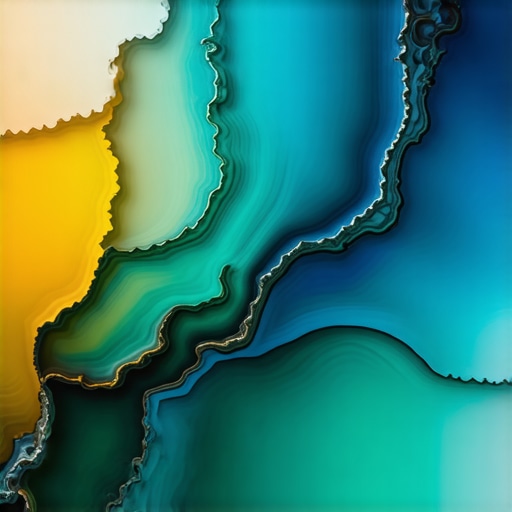
One of my favorite ways to add texture is by manipulating the wax with various tools such as palette knives, brushes, and even heat guns. I found that controlling the heat allows me to create smooth layers or rough, textured surfaces. For instance, by applying heat selectively, I can melt certain areas to create a marbled effect, which adds a dynamic depth to my artwork. I highly recommend experimenting with different tools to see how they influence the wax’s behavior, as detailed in advanced embossing techniques.
Layering for Depth and Intrigue
Layering is central to creating compelling encaustic pieces. I often build multiple layers, allowing each to cool and then adding new layers on top. This process results in a complex surface that invites viewers to explore the artwork visually. To enhance this, I sometimes embed mixed media elements like paper, fabric, or even small objects between layers, which adds tactile interest. It’s like creating a miniature world within each piece, reminiscent of the detailed work found in advanced goldwork embroidery.
Using Pigments and Additives for Unique Effects
Another secret to achieving stunning textures involves adding pigments, resins, or even encaustic mediums to the wax. These additives can change the consistency and appearance of the wax, giving it a matte or glossy finish or creating crackle effects. I love experimenting with different combinations to see how they influence the final texture. For more professional techniques, I often refer to advanced encaustic layering.
What Makes Encaustic Layering Truly Magical?
Have you ever wondered how to achieve that luminous, multi-dimensional look in encaustic art?
The secret lies in understanding how heat, layering, and texture interact. When I master these advanced techniques, my work gains a vibrancy that flat, simple layers can’t achieve. It’s a dance of control and spontaneity that keeps me excited about each project. If you’re eager to deepen your encaustic practice, I recommend exploring resources like advanced stained glass techniques for inspiration on layering and texture.
Feel free to share your experiences or ask questions in the comments—I love hearing how others are exploring encaustic art!
Innovative Tools for Textural Mastery in Encaustic Art
Building on the foundational techniques, exploring diverse tools can dramatically transform your encaustic artworks. Beyond palette knives and heat guns, consider using specialized tools such as metal scrapers, textured rollers, or even household items like combs and sponges. These can produce unique surface effects, from intricate patterns to spontaneous textures. For instance, employing a metal wire brush can create fine scratches that add a layer of complexity. Incorporating such tools, inspired by advanced embossing techniques, allows artists to push boundaries and develop signature textures.
Layering Techniques That Capture Light and Shadow
Deep layering is essential for creating luminous depth in encaustic work. One advanced approach involves building transparent layers that interact with underlying colors and textures, enhancing the sense of light and shadow. Using translucent mediums or glazing can mimic the effects of stained glass, as demonstrated in stained glass artistry. Incorporating embedded objects like metallic flakes or mica powders between layers amplifies the reflective quality, creating mesmerizing effects that change with viewing angle. Such techniques require precise control over heat application and timing, emphasizing the importance of experience and patience in mastering multi-layered encaustic art.
Innovative Additives for Texture and Finish
Enhancing wax with advanced additives can dramatically alter surface qualities. For example, integrating natural resins like damar or pine rosin can produce crackle effects or glossy finishes. Experimenting with different proportions and heating methods allows for customization tailored to each project. Artists might also explore incorporating eco-friendly materials like plant-based pigments or upcycled materials, aligning with sustainable practices. As with advanced encaustic layering, these experiments deepen technical mastery and artistic expression.
What Are the Secrets to Achieving a Multidimensional Glow in Encaustic?
How can mastery of heat control and layering techniques create that mesmerizing luminous effect in encaustic art?
The secret lies in understanding how each layer interacts with light and how controlled heat application can reveal or conceal underlying textures and colors. When I focus on precise heat modulation, I can selectively melt or set layers, creating a dynamic interplay of translucency and opacity. This mastery of thermal dynamics transforms flat surfaces into vibrant, glowing compositions. For those eager to elevate their skills, exploring advanced goldwork techniques can offer valuable insights into layering and surface effects that translate beautifully into encaustic art.
Feel free to share your experiences or ask questions—your insights can inspire others to explore these advanced techniques and push their artistic boundaries!
Unlocking the Secrets of Light and Shadow Play in Encaustic Art
One of the most captivating aspects of advanced encaustic art is the ability to manipulate light and shadow through layered textures and translucent layers. I vividly recall experimenting with transparent mediums and embedding metallic powders between layers, which created a luminous glow that seemed to breathe with movement as viewers changed angles. This effect is akin to stained glass artistry, as I learned from studying advanced stained glass techniques. The challenge lies in controlling heat application precisely to reveal underlying textures without disturbing the upper layers, a skill that requires patience and an intuitive feel for thermal dynamics.
Refining Texture Creation with Innovative Tools
Beyond traditional palette knives and heat guns, I began incorporating tools like textured rollers, metal scrapers, and even household items such as sponges and combs. These tools opened new avenues for spontaneous and intricate surface effects. For example, using a wire brush to create fine scratches added depth and complexity, reminiscent of the detailed embossing techniques explored in advanced embossing methods. Each tool’s unique interaction with the wax demands experimentation to understand how heat influences their texture, making every piece a personal journey of discovery.
Adding Additives for Unique Surface Qualities
Experimenting with additives like damar resin, mica powders, and plant-based pigments has been transformative. These materials can change the surface finish from glossy to matte or introduce crackle effects that add a vintage charm. For instance, mixing damar resin with wax and heating it to a specific temperature creates a crackle surface that adds visual intrigue, much like the techniques detailed in advanced encaustic layering. The key is to understand how each additive behaves under heat and how it influences the final texture, which I believe is the essence of mastering advanced encaustic art.
Deepening Artistic Expression Through Layering and Embedding
Layering is a core principle, but pushing its boundaries involves embedding mixed media elements like fabric, paper, or tiny objects within layers. This technique creates miniature worlds within each artwork, inviting viewers to explore the surface’s tactile richness. I often embed metallic flakes or mica powders to reflect light and add an otherworldly glow, akin to the effects seen in stained glass projects. Achieving these effects demands precise control over heat timing and layering sequence, transforming the artwork into a dynamic interplay of transparency and opacity.
Personal Reflection: How Advanced Techniques Elevate Encaustic Art
Every layer I add, every tool I experiment with, and every additive I incorporate feels like a step closer to capturing the luminous, multidimensional effects I aspire to. Mastery in this art form is less about rigid steps and more about an intuitive understanding of how heat, texture, and composition interact. For those eager to deepen their exploration, I recommend studying advanced goldwork embroidery, which shares similar principles of layering and surface manipulation that translate beautifully into encaustic techniques.
Sharing your experiences and discoveries can inspire a vibrant community of artists pushing the boundaries of encaustic art. Feel free to comment below—I love hearing how others are integrating these advanced methods into their creative practice!
Harnessing the Power of Translucency and Layer Interplay
One of the most mesmerizing aspects of advanced encaustic artistry is the mastery of translucency, which allows light to permeate through multiple layers, creating a luminous, almost ethereal glow. Achieving this effect involves more than just layering; it requires a nuanced understanding of how each layer interacts with light and how heat can be manipulated to reveal or conceal underlying textures. I have often experimented with glazing mediums and transparent wax mixtures, inspired by techniques used in stained glass art, to enhance this play of light. For deeper exploration, studying advanced stained glass techniques has provided valuable insights into how light interacts with layered surfaces.
Innovative Use of Additives for Surface Complexity
Adding subtle elements like mica powders, metallic flakes, or even organic materials such as crushed shells can dramatically alter the surface’s reflective qualities. These additives, when carefully integrated into the wax, can produce shimmering effects that change with the viewer’s angle, mimicking the complex play of light seen in natural mineral formations. The challenge lies in controlling the heat so that these materials embed seamlessly without disturbing the underlying layers. My approach involves heating the wax to specific temperatures, akin to techniques in goldwork embroidery, where controlling heat is vital for surface effects. Experimentation with damar resin and other natural resins can create crackle or glossy finishes, adding depth and texture that elevate the visual intrigue of each piece.
How Can Controlled Heat Modulation Elevate Your Artistic Depth?
Mastering heat application is crucial for unlocking the full potential of encaustic layering. Precise heat control enables an artist to selectively melt or set layers, revealing textures beneath or creating translucent effects that enhance the multidimensionality of the work. This delicate dance between heating and cooling transforms flat surfaces into dynamic compositions that seem to breathe with light. For those seeking to refine this skill, I recommend exploring advanced goldwork embroidery, which shares similar principles of surface manipulation and layering. The key is patience and developing an intuitive feel for thermal dynamics, much like tuning a musical instrument.
Deepening Engagement Through Texture and Light Interaction
Integrating tactile elements like embedded objects or textured tools introduces a new dimension to encaustic art. When these elements catch and reflect light, they create shifting visual effects that invite viewers to explore the surface physically and visually. For instance, embedding metallic flakes or mica powders between layers can produce a shimmering, luminous effect that changes with viewing angles, reminiscent of the intricate effects achieved in stained glass artistry. This technique demands meticulous timing and control over heat to ensure that embedded materials are secured without disturbing the layers above. I often experiment with textured rollers or household tools like sponges to create spontaneous, organic textures, which add vibrancy and complexity to the surface.
Engage with Your Artistic Journey
Advanced encaustic techniques are a continual process of discovery, requiring patience, precision, and a willingness to experiment. I encourage you to explore these methods, adapt them to your unique style, and document your results. Sharing your experiences not only enriches your practice but also contributes to a vibrant community of artists pushing the boundaries of wax-based art. Feel free to reach out through comments or connect on my platform to exchange insights and ideas—your journey can inspire others to unlock new dimensions of their creativity.
Things I Wish I Knew Earlier (or You Might Find Surprising)
The Power of Slow Layering
One insight I wish I had embraced sooner is the importance of patience in layering. Rushing to build layers often leads to less vibrant textures. I remember rushing through my first few pieces, missing the depth that slow, deliberate layering can bring. Taking my time has truly transformed my work, revealing nuances I hadn’t noticed before.
Heat Control Is an Art in Itself
Mastering heat application is more than just turning the heat gun on and off. I found that subtle adjustments can make a dramatic difference in texture and transparency. Experimenting with different heat settings opened my eyes to a world of possibilities, from crackling surfaces to smooth, luminous layers.
Embedding Mixed Media Is More Than Decoration
Embedding small objects or textured materials isn’t just for aesthetic interest; it adds a tactile dimension that interacts with light beautifully. My favorite discoveries are embedding metallic flakes or organic materials, which reflect light and change appearance based on viewing angle, adding a magical quality to my art.
Understanding Additives Unlocks New Effects
Additives like damar resin, mica powders, or natural pigments can completely change the character of your wax. I learned that small adjustments in proportions or heating method can produce matte, glossy, or crackled effects. These subtle tweaks often make the biggest difference in final appearance.
The Joy of Spontaneous Tool Use
Beyond traditional brushes and knives, using household items like sponges, combs, or even toothbrushes can create unexpected textures. I love the spontaneity these tools bring, often leading to happy accidents that become focal points in my artwork.
Layer Interplay Creates Luminous Depth
The most rewarding part of advanced encaustic art is understanding how translucent layers interact with each other to produce a glowing depth. Learning to control this interplay with glazing and heat modulation has elevated my work from flat to multidimensional.
Resources I’ve Come to Trust Over Time
- Encaustic Art Magazine: A treasure trove of techniques, artist interviews, and product reviews that keeps me inspired and informed.
- Mary Ellen Bute’s Tutorials: Her detailed videos on layering and texture are invaluable for anyone wanting to deepen their encaustic practice.
- ArtResin’s YouTube Channel: Great for understanding how to incorporate mixed media seamlessly into encaustic works, especially with embedding techniques.
- Books by Amy Gowmen: Her comprehensive guides on encaustic painting have been foundational in my learning journey, especially for advanced techniques.
Parting Thoughts from My Perspective
Exploring advanced encaustic art has been a deeply rewarding journey of experimentation and discovery. The key takeaway for me is that patience and curiosity unlock the most stunning effects—whether it’s controlling heat, layering transparencies, or embedding unexpected materials. I encourage anyone passionate about this medium to embrace the process, learn from trusted resources, and trust your intuition. If this resonated with you, I’d love to hear your stories or questions—sharing our experiences fuels the creative community we all cherish. Remember, every new experiment brings you closer to mastering the luminous, multidimensional magic of encaustic art.