
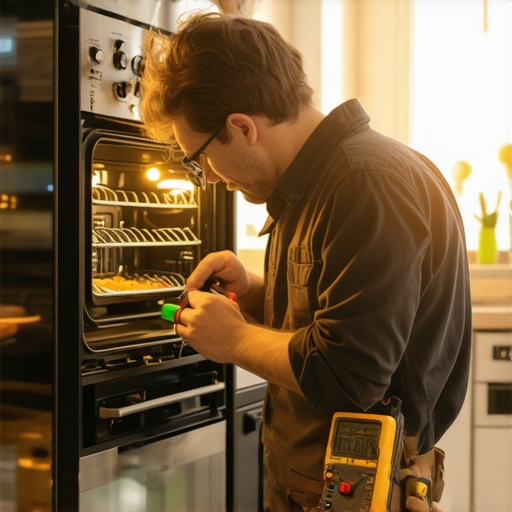
Discovering the Hidden Troubles of My Electric Oven
It all started one chilly morning when I went to bake my favorite cookies, only to find my electric oven refusing to heat up. Frustration quickly turned into curiosity—I knew I had to troubleshoot the issue myself. Over the years, I’ve learned a lot about repairing electric ovens, and today I want to share some of my personal insights to help you if you face similar problems.
Common Electric Oven Problems I’ve Faced
Why Isn’t My Oven Heating? A Personal Breakdown
One of the most frequent issues I encountered was the oven not heating at all. After some research, I discovered it could be due to a faulty heating element or a blown fuse. I carefully checked the heating element for signs of damage—like cracks or blistering—and tested the fuse with a multimeter. Replacing a damaged heating element or fuse often restores proper functioning. For detailed guidance, I found the expert guide incredibly helpful.
How Do I Reset My Electric Oven Safely?
Sometimes, the issue isn’t mechanical but a simple reset. I once had to reset my oven after a power surge caused a fault. Turning off the power at the circuit breaker for a couple of minutes and then turning it back on reset the system. Always ensure the oven is unplugged before resetting or inspecting internal components to avoid electrical hazards.
Could It Be the Oven’s Thermostat? My Personal Experience
Another common culprit I’ve faced is a malfunctioning thermostat. If your oven heats unevenly or doesn’t reach the set temperature, the thermostat might be faulty. Testing it with a multimeter and replacing it if necessary saved me from costly repairs. Remember, always consult your oven’s manual or a professional if unsure about testing or replacing thermostats.
What Are the Best DIY Tips for Maintaining My Electric Oven?
Regular cleaning and inspection are key. I make it a habit to clean the oven interior with a mixture of baking soda and vinegar, which keeps it in top shape. Also, checking door seals and ensuring proper ventilation prevents overheating. For more innovative solutions, explore smart DIY ideas that can extend your oven’s lifespan.
Finally, if you’re unsure about any repair, don’t hesitate to contact a professional. Safety always comes first when dealing with electrical appliances. I’ve found that sharing my experiences and learning from others on forums has been invaluable. Feel free to share your own troubleshooting stories in the comments below!
Uncovering the Complexities of Electric Oven Troubleshooting
Having dealt with various electric oven issues over the years, I can attest that each problem often reveals deeper mechanical or electrical nuances. For instance, when an oven refuses to heat despite a new heating element, it might be time to investigate the oven’s wiring connections or the control board—areas that are often overlooked by casual users. These intricate components require careful inspection, and understanding their role can prevent unnecessary replacements.
Is Your Oven’s Control Panel the Hidden Culprit?
One aspect that often puzzles homeowners is the control panel’s malfunctioning. If your oven’s digital display is unresponsive or showing error codes, it might be due to a faulty control board or loose connections. Testing these components involves specific tools and knowledge, but a seasoned DIYer can often diagnose issues by inspecting for burnt or damaged traces. For advanced troubleshooting, consulting detailed guides like expert guides can be invaluable.
Can Regular Maintenance Extend Your Oven’s Lifespan?
Absolutely. Routine maintenance is the cornerstone of longevity for any appliance. I recommend not just cleaning but also inspecting wiring connections and relays periodically. Using a multimeter to check continuity in the control circuits can catch problems early. Additionally, ensuring proper ventilation prevents overheating and prolongs the life of sensitive components. For innovative solutions on DIY maintenance, explore smart DIY ideas that can be integrated into your routine.
What Are the Nuanced Signs That Indicate a Need for Professional Repair?
Sometimes, signs like persistent error codes, inconsistent heating, or strange noises point beyond simple DIY fixes. If you notice any of these, it’s wise to consult a professional technician. Their expertise in diagnosing complex control system failures or electrical faults can prevent costly damage. Remember, safety is paramount when working with high-voltage appliances, and sometimes a professional repair is the most cost-effective choice.
Sharing your own experiences or asking questions on specialized forums can also deepen your understanding. If you’re curious about exploring more advanced DIY projects or want to learn how to build a sustainable greenhouse for your herbs, check out this comprehensive guide. Your journey toward mastering home repair and improvement is continuous, and every challenge offers a new learning opportunity!
Unveiling the Intricacies of Electric Oven Control Systems
Throughout my journey of troubleshooting electric ovens, I’ve come to realize that the control panel and its electronic brain are often the hidden culprits behind seemingly simple issues. When the digital display flickers or becomes unresponsive, it’s tempting to replace the entire unit, but sometimes, a detailed inspection reveals loose connections or burnt traces that can be repaired with patience. I recall a particular instance where re-soldering a damaged control board saved me hundreds of dollars and extended the oven’s lifespan. For those interested in the technical side, exploring advanced troubleshooting guides can provide invaluable insights into diagnosing these complex components.
Is It Worth Delving Into Advanced Wiring Diagnostics?
Absolutely. When basic checks don’t resolve the heating issues, delving into wiring diagrams and testing continuity becomes essential. I’ve learned to use a multimeter not just for quick tests but to map entire wiring harnesses, ensuring each connection is solid. This process is meticulous but rewarding, as it often uncovers hidden faults like corroded terminals or damaged insulation. Remember, safety remains paramount—always disconnect power before probing internal wiring. If you’re eager to learn more about electrical diagnostics, I recommend consulting comprehensive home improvement tips that include electrical troubleshooting.
How Can I Prevent Future Complex Failures in My Oven?
Prevention hinges on proactive maintenance. Regularly inspecting and cleaning the control panel, wiring, and connections can catch early signs of wear. I’ve adopted a habit of applying dielectric grease to connectors to prevent corrosion and ensure reliable contact. Additionally, installing a surge protector can shield the control system from voltage spikes, which are surprisingly common during thunderstorms or power surges, as I experienced firsthand. Investing in these small but impactful upgrades can save you from expensive repairs down the line. For more innovative ideas on maintaining appliances, check out the smart DIY solutions section.
Reflecting on My Repair Philosophy
Over time, I’ve learned that patience and curiosity are my best allies when tackling intricate electrical issues. Each repair teaches me more about how these complex systems work, fostering a deeper respect for modern appliance engineering. Sometimes, the solution is a simple fix like reconnecting a loose wire, but other times, it’s a challenge that pushes me to learn new skills. Sharing these experiences with fellow DIY enthusiasts in online forums has been invaluable, as collective knowledge often uncovers solutions that aren’t immediately obvious. If you’re passionate about DIY repair and want to explore more advanced projects, I recommend exploring advanced DIY furniture projects that can complement your repair skills. Remember, every challenge is an opportunity to learn and grow, and your perseverance will pay off in the end.
Deciphering the Intricate Control Systems of Modern Electric Ovens
One of the most fascinating aspects of modern electric ovens is their sophisticated control systems, which often involve microprocessors, sensors, and intricate wiring diagrams. When troubleshooting issues like inconsistent heating or unresponsive displays, I’ve found that a deep understanding of these components can make all the difference. For instance, analyzing the control board’s firmware and checking for firmware corruption or software glitches can prevent unnecessary replacements. I recall a project where re-flashing the control software via manufacturer-specific tools resolved a persistent error, saving me hundreds of dollars. For those eager to venture into this realm, exploring advanced troubleshooting guides can significantly elevate your diagnostic skills.
Utilizing Advanced Electrical Diagnostics for Precision Repairs
Beyond basic multimeter tests, employing tools like oscilloscopes or clamp meters enables precise analysis of electrical signals and current flows within the oven’s circuits. I’ve used an oscilloscope to detect subtle voltage fluctuations indicating faulty relays or control board malfunctions. This approach is particularly useful when dealing with complex issues like intermittent heating or digital glitches. Additionally, mapping the wiring harnesses with continuity testers helps identify hidden faults such as corroded connectors or broken insulation. Remember, safety remains paramount—always disconnect power before probing internal wiring. If you want to deepen your electrical diagnostic expertise, I recommend consulting comprehensive home improvement tips that include electrical troubleshooting techniques.
Preventative Strategies for Long-Term Oven Reliability
Proactive maintenance is vital for preventing complex failures down the line. Regularly inspecting and cleaning the control panel, wiring connections, and relays can catch early signs of wear. Applying dielectric grease to connectors and terminals prevents corrosion and ensures consistent contact. Moreover, installing surge protectors can shield sensitive control components from voltage spikes caused by power surges—an often overlooked but critical safeguard. I’ve experienced firsthand how a simple surge protector saved my oven’s control system from damage during a thunderstorm. For more innovative maintenance solutions, explore smart DIY ideas that extend appliance lifespan.
Harnessing the Power of Firmware Updates and Software Diagnostics
Modern ovens often receive firmware updates that improve functionality and fix bugs. Keeping the control system’s firmware current can resolve issues that seem hardware-related but are actually software glitches. Some brands provide official update tools; others require professional servicing. I once resolved a persistent error code by updating the firmware, which involved downloading the latest version from the manufacturer’s website and installing it via a USB interface. This process not only fixed the problem but also enhanced the oven’s energy efficiency. For detailed procedures on firmware management, professional guides and manufacturer support pages are invaluable resources.
Encouraging Community Engagement for Complex Repairs
Sharing your repair experiences and learning from others can accelerate your mastery of advanced troubleshooting. Forums dedicated to home appliance repair, such as Reddit’s r/ApplianceRepar, often feature detailed discussions and solutions from seasoned DIYers and professionals alike. I’ve found that engaging with these communities broadens my understanding of rare issues and innovative fixes. If you’re passionate about elevating your repair skills or exploring new DIY projects, I invite you to delve into more advanced topics and share your insights. Discover comprehensive guides on building fine furniture from reclaimed wood or learn new craft techniques—your journey into mastery is ongoing and rewarding.
Things I Wish I Knew Earlier (or You Might Find Surprising)
1. Not Every Fault Is Visible
One of the biggest surprises was realizing that sometimes, a faulty component like a heating element can look perfectly fine. It’s easy to assume damage is obvious, but often, the real issue is hidden deep within the wiring or control board. This taught me to look beyond the obvious and dig a little deeper, which saved me from unnecessary replacements.
2. Resetting Can Be a Game Changer
Resetting the oven by turning off the power at the breaker often resets the system and clears minor glitches. I used this trick more than once when my oven refused to respond, and it’s surprisingly effective. Always remember to unplug or switch off the appliance before inspecting internal parts for safety.
3. Thermostats Are Tricky
My experience with the thermostat taught me that even a small fault can cause uneven heating or inaccurate temperature readings. Testing it with a multimeter and replacing it when necessary was a simple fix that made a big difference in baking quality.
4. Regular Maintenance Extends Lifespan
Cleaning the interior with baking soda and vinegar, inspecting door seals, and ensuring good ventilation helped me avoid overheating. Regularly checking wiring connections and relays also prevented bigger issues down the line.
5. Sometimes, Professional Help Is Best
When error codes or strange noises appeared, I learned that consulting a professional was often the safest choice. Complex control system failures or electrical faults are better left to experts to avoid safety hazards.
Resources I’ve Come to Trust Over Time
- Manufacturer’s Manual: The first resource I rely on for troubleshooting steps specific to my oven model. It provides detailed diagrams and safety tips.
- DIY Repair Forums: Communities like Reddit’s r/ApplianceRepar are invaluable for shared experiences and solutions from seasoned DIYers.
- Online Video Tutorials: Visual guides from trusted channels helped me understand complex repairs step-by-step.
Parting Thoughts from My Perspective
Dealing with my electric oven’s issues has been a journey of patience and discovery. I’ve learned that many problems can be fixed with a bit of curiosity and the right resources, but safety always comes first. Troubleshooting can be rewarding, especially when you avoid costly repairs and gain confidence in your DIY skills. If this resonates with you, I’d love to hear your own experiences or tips—sharing our stories makes us better at keeping our appliances alive and well. Remember, every challenge is an opportunity to learn and grow, so don’t hesitate to explore new DIY projects and solutions to enhance your home’s efficiency and longevity.
I really appreciate this detailed overview of troubleshooting electric ovens. Working on appliances can sometimes be daunting, especially when issues aren’t immediately visible. I’ve had similar experiences where the problem was hidden in wiring connections or a faulty control board, not just the heating element. It’s interesting how often a simple reset or cleaning can resolve what seems like a complex issue. I found that keeping a multimeter handy and periodically inspecting connections has saved me quite a bit of hassle. Regarding the control panel issues, detailed inspection and sometimes re-soldering the control board have been game-changers for me. Has anyone tried using an oscilloscope for diagnosing intermittent power issues? I’d love to hear about your experiences or any tips on advanced diagnoses, as I’m looking to deepen my troubleshooting skills.