
My Greenhouse Dream: From Reclaimed Wood to Sustainable Paradise
Ever since I visited a community garden last year, I was captivated by the idea of building my own greenhouse using eco-friendly methods. The thought of transforming reclaimed materials into a beautiful, functional space not only excited me but also aligned with my commitment to sustainable living. I started researching, reading articles, and gathering ideas on how to design and build a green structure that minimizes environmental impact while maximizing efficiency.
Why I Chose Reclaimed Materials for My Greenhouse
Reclaimed materials, especially wood and glass, have a unique charm and character that new materials often lack. Plus, repurposing old wood from pallets or discarded furniture is an excellent way to reduce waste and give new life to what would otherwise be trash. According to the Environmental Protection Agency, upcycling materials significantly reduces landfill waste and cuts down on the carbon footprint of construction projects. I was determined to incorporate this eco-conscious approach into my greenhouse project.
Designing a Sustainable Structure: My Personal Tips
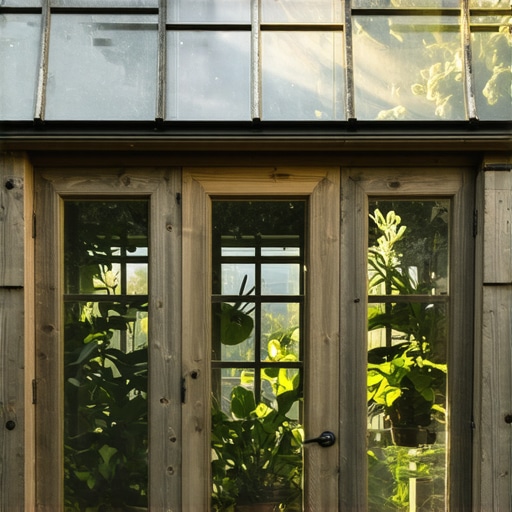
First, I sketched out a simple yet functional design, ensuring plenty of sunlight exposure and ventilation. I used reclaimed timber for framing, which I sourced from local salvage yards. The glass panels were repurposed from old windows, giving the greenhouse a charming vintage look while providing excellent insulation. To enhance energy efficiency, I added natural shading techniques, such as planting deciduous trees nearby to control heat during summer. It’s amazing how small design choices can make a big difference in sustainability.
Building Step-by-Step: My Hands-On Experience
As I assembled the structure, I discovered that working with reclaimed materials requires patience and some creative problem-solving. For example, I reinforced weak spots in the wood with eco-friendly sealants and used recycled nails and screws. The process reminded me of the importance of craftsmanship and resourcefulness. For detailed guidance, I referred to comprehensive DIY resources like DIY step-by-step building guides. Building my greenhouse was not only a project but a journey into sustainable design.
What Are the Practical Benefits of Greenhouses Made from Reclaimed Materials?
Besides reducing environmental impact, I found that these greenhouses provide excellent insulation, helping maintain stable temperatures for my plants year-round. The reclaimed wood adds a rustic charm that enhances my garden’s aesthetic. Additionally, I feel a sense of pride knowing my greenhouse is a product of eco-friendly practices. It’s a perfect example of how personal projects can contribute to a greener planet.
Curious About Eco-Friendly DIY Projects? How Can You Start Your Own?
If you’re inspired to create your own sustainable greenhouse, start by assessing what reclaimed materials you have or can source locally. Take small steps: perhaps refurbish old windows or pallets, then gradually expand your project. Remember, every little bit helps in reducing waste and promoting eco-conscious living. I encourage you to share your ideas or experiences in the comments below—let’s learn from each other’s journeys!
Choosing the Right Reclaimed Materials for Your Greenhouse
When embarking on a sustainable greenhouse project, selecting high-quality reclaimed materials is crucial. Reclaimed timber from old barns, pallets, or furniture can bring character and durability to your structure. Additionally, repurposed glass from old windows not only reduces waste but also offers excellent insulation, helping to maintain optimal temperatures for your plants. Always inspect reclaimed materials for integrity and treat them with eco-friendly sealants to ensure longevity and safety. For more ideas on repurposing materials, visit natural earth pigments and eco-friendly paints.
Design Considerations for a Sustainable Greenhouse
Designing an energy-efficient greenhouse involves strategic placement and thoughtful features. Orient your structure east-west to maximize sunlight exposure and incorporate natural shading techniques, such as deciduous trees or shade cloths, to prevent overheating during summer. Incorporate ventilation options like adjustable vents or roof windows to promote airflow. Using reclaimed timber for framing reduces environmental impact, while positioning the greenhouse to harness prevailing winds can improve natural cooling. For detailed guidance, check out comprehensive DIY building guides.
Building with Patience: Step-by-Step Insights
Constructing a greenhouse from reclaimed materials demands patience and precision. Reinforce weak spots with eco-friendly sealants and recycled fasteners. When assembling, ensure proper alignment and stability, especially when working with irregular reclaimed wood. Incorporate sustainable practices like collecting rainwater for irrigation and installing solar-powered ventilation fans to enhance self-sufficiency. Remember, every challenge is an opportunity to innovate, turning potential obstacles into creative solutions. For inspiration on advanced DIY techniques, explore advanced restoration projects.
Practical Benefits of a Reclaimed Wood Greenhouse
Beyond its eco-friendliness, a reclaimed wood greenhouse offers superior insulation, maintaining stable temperatures that extend your growing season. Its rustic aesthetic adds charm to any garden and fosters a deeper connection with sustainable practices. By reducing reliance on manufactured materials, you lower your carbon footprint while creating a personalized space that reflects your commitment to environmental stewardship. Moreover, growing organic plants in such a greenhouse can lead to healthier produce and a more self-sufficient lifestyle. For more creative outdoor projects, visit DIY outdoor oasis ideas.
Embracing the Complexity of Sustainable Greenhouse Building
Building my reclaimed greenhouse was initially driven by a desire to reduce my environmental footprint, but as I delved deeper into the process, I realized that sustainability encompasses much more than just repurposing materials. It involves understanding the nuanced interplay of design, climate, and long-term ecological impact. For instance, integrating passive solar techniques, such as strategic orientation and thermal mass, can significantly improve energy efficiency and plant health, transforming a simple structure into a resilient eco-system. According to experts in sustainable architecture, these advanced techniques can reduce energy consumption by up to 40%, making a real difference in a personal project’s ecological footprint.
Reflections on Material Integrity and Craftsmanship
While reclaimed wood offers character and sustainability, it also demands a meticulous eye for quality and craftsmanship. I learned that inspecting each piece for signs of rot, pests, or structural weakness is crucial. Sometimes, the process required me to reinforce or even replace certain sections, which taught me patience and problem-solving skills. The art of working with imperfect materials also deepened my appreciation for craftsmanship and the value of sustainable design. This level of attention not only ensures durability but also elevates the aesthetic, creating a greenhouse that is both functional and soulful. For those interested in refining their DIY skills, exploring smart DIY solutions can provide valuable techniques for handling reclaimed materials effectively.
Innovating Beyond Basic Sustainability: Integrative Design
My experience also led me to consider how integrating renewable energy sources, such as solar panels or wind turbines, can further enhance the eco-friendliness of my greenhouse. Even small-scale solar setups can power ventilation fans or automatic window openers, creating a self-sustaining environment. This approach aligns with the concept of a circular system, where energy and resources are continually reused and recycled. For example, collecting rainwater for irrigation and using composting systems to nourish the soil not only minimizes waste but also creates a closed-loop cycle that mimics natural ecosystems. Exploring smart DIY innovations can inspire new ways to embed sustainability into everyday life.
Personal Growth Through Sustainable Projects
Reflecting on this journey, I realize that creating a reclaimed greenhouse has been as much an internal process as a physical one. It’s challenged me to confront imperfections—both in the materials and within myself—fostering resilience, patience, and a deeper respect for nature’s processes. Every challenge, from sourcing the right glass to ensuring airtight seals, has been an opportunity for growth. Sharing these insights helps me connect with others who are exploring sustainable practices, and I invite you to share your experiences or questions below. Together, we can learn how personal projects not only improve our environment but also enrich our lives with meaningful skills and insights. If you’re curious about expanding your DIY knowledge, consider exploring creative home decor projects that further support sustainable living.
Harnessing Passive Solar Design for Ultimate Sustainability
One of the most sophisticated strategies I implemented was passive solar design, which involves precise orientation, thermal mass integration, and natural shading to optimize energy efficiency without relying on external power sources. By positioning my greenhouse along an east-west axis and incorporating materials like reclaimed concrete and stone for thermal mass, I enhanced heat retention during winter and minimized cooling needs in summer. According to research published by the U.S. Department of Energy, passive solar techniques can reduce heating costs by up to 40%, making them indispensable for eco-conscious DIY projects.
Advanced Material Integrity: Ensuring Longevity and Safety
Working with reclaimed timber and glass demands an elevated level of scrutiny and craftsmanship. I adopted non-toxic, eco-friendly preservatives for wood treatment, ensuring durability without compromising environmental principles. For glass, I inspected each pane meticulously for microfractures or signs of degradation, reinforcing weak spots with recycled silicone sealants. This meticulous process not only guarantees structural safety but also preserves the aesthetic charm of the vintage materials. Mastering these details can significantly extend your greenhouse’s lifespan and safety, aligning with sustainable building philosophies.
Integrating Renewable Energy: Solar and Wind Synergies
To elevate my greenhouse into a self-sufficient eco-system, I integrated small-scale solar panels and a vertical-axis wind turbine. Powering automated vent openers, LED grow lights, and climate sensors allows me to maintain optimal conditions with minimal external input. The synergy between solar and wind harnesses natural resources efficiently, exemplifying a circular resource model. The National Renewable Energy Laboratory emphasizes that combining multiple renewable sources can increase energy reliability and resilience, essential for sustainable DIY initiatives.
Creating a Living Ecosystem: Water Management & Soil Regeneration
Beyond structural considerations, I prioritized regenerative water management systems, such as rainwater harvesting and greywater recycling, to minimize waste. Installing a multi-tiered rainwater collection system connected to a drip irrigation network ensures plants receive consistent moisture while conserving water. Additionally, I incorporated composting chambers and vermiculture beds within the greenhouse, promoting soil health and nutrient recycling. This integrated approach not only sustains the plants but also embodies the principles of a closed-loop ecological system, aligning with permaculture practices. For detailed guides, visit DIY composting systems.
Engaging with Community and Continuous Learning
Building my greenhouse was a journey of constant learning and community engagement. I connected with local permaculture groups and online forums, exchanging tips on advanced insulation techniques, pest management, and automation. Sharing progress and setbacks fostered a collaborative environment where innovative solutions emerged. I invite you to participate in these communities, explore advanced DIY techniques, and contribute your insights—together, we can push the boundaries of sustainable construction. For inspiration and detailed tutorials, explore smart DIY innovations.
Things I Wish I Knew Earlier (or You Might Find Surprising)
Patience Is a Virtue
Working with reclaimed wood taught me that patience isn’t just a virtue; it’s a necessity. Every piece of wood has a story, and some need extra care or reinforcement. Rushing the process can lead to mistakes, but taking my time allowed me to appreciate each detail and craft a sturdy, beautiful structure.
Imperfections Can Be Beautiful
Initially, I was frustrated by the irregular shapes and textures of reclaimed materials. But over time, I realized these imperfections add character and charm to the greenhouse. Embracing these quirks made the project uniquely mine and created a rustic aesthetic that’s hard to replicate with new materials.
Repurposing Is More Than Recycling
Finding new uses for old materials feels incredibly rewarding. From old windowpanes to pallet wood, each piece I reused reduced waste and added authenticity. It’s a reminder that sustainability can be woven into the very fabric of a project, making it more meaningful and eco-friendly.
Design Matters More Than You Think
Thoughtful orientation and natural shading techniques drastically improved energy efficiency. A simple east-west layout and planting deciduous trees for shade kept the greenhouse comfortable without extra energy costs. Small design choices have a big impact on sustainability and comfort.
The Learning Never Stops
Every step revealed new challenges and solutions. Whether reinforcing weak spots or sealing joints, I discovered that continuous learning is part of the DIY journey. Resources like DIY building guides became invaluable companions.
Resources I’ve Come to Trust Over Time
- U.S. Department of Energy: Their comprehensive guides on passive solar design helped me optimize my greenhouse orientation and materials for maximum efficiency. It’s a reliable resource for sustainable architecture insights.
- Environmental Protection Agency (EPA): Their data on upcycling and waste reduction strategies reinforced my eco-conscious choices and motivated me to keep experimenting with reclaimed materials.
- Local Salvage Yards: Personal experiences sourcing quality reclaimed wood and glass made me appreciate locally available resources. Supporting local businesses also reduces transportation emissions.
- DIY Guides and Forums: Platforms like DIY step-by-step building guides provided practical tips that saved me time and frustration.
Parting Thoughts from My Perspective
Building my reclaimed greenhouse was a transformative experience that blended sustainability, craftsmanship, and personal growth. It taught me that small, mindful decisions—like choosing reclaimed materials and natural shading—can have a significant ecological impact. More importantly, it reminded me that the journey of creating something meaningful is as valuable as the final product. If this story resonated with you, I’d love to hear your thoughts or experiences. Feel free to share in the comments or explore more DIY projects at DIY tips and ideas. Remember, every effort toward sustainability counts, and your green thumb can help shape a greener future.”},