
My First Encounter with Marionette Crafting: An Unexpected Delight
It all started when I stumbled upon a vintage puppet at a flea market. The intricate joints and lifelike movements fascinated me, igniting a passion to craft my own marionette. From that moment, I delved into the world of puppet-making, eager to learn the secrets behind creating a durable, functional articulated marionette with controls.
Understanding the Anatomy of a Marionette: The Foundation of Craftsmanship
Building a marionette begins with understanding its anatomy. I found that mastering the articulation of limbs, head, and torso is crucial. Each joint must allow smooth movement while maintaining stability. I recommend studying detailed guides or tutorials, like those found at DIY step-by-step guides to grasp the mechanics involved.
Choosing Materials That Make or Break Your Marionette
In my experience, selecting the right materials significantly impacts the durability and ease of movement. I prefer lightweight woods like balsa or basswood for the frame, coupled with flexible wires for joints. For the outer features, fabrics and clay work well. Remember, the materials should complement the design and ensure long-lasting performance. For inspiration, explore creative DIY crafts.
Assembling the Marionette: From Frame to Fine-Tuning
Assembling involves meticulous work. I start by constructing the frame, ensuring all joints are secure yet flexible. The control system, usually strings or rods, is attached last. I found that testing each limb’s movement before finalizing helps catch issues early. Patience is key—each step builds upon the last to create a seamless puppet. For detailed assembly techniques, this comprehensive guide proved invaluable.
How Do I Achieve Realistic Movements and Lifespan?
Achieving realistic movements depends on precise joint construction and control string tension. I spend time adjusting string lengths and angles until the puppet moves naturally. Regular maintenance and careful handling extend the lifespan. I also recommend researching advanced techniques, like those in expert hanging techniques, which can be adapted for control systems.
What Challenges Might I Face When Creating a Marionette and How Can I Overcome Them?
Challenges include joint stiffness, control difficulty, and material fragility. I overcame these by experimenting with different materials, practicing control techniques, and seeking feedback from experienced puppeteers. Sharing experiences in online forums or communities can provide valuable insights. Remember, patience and perseverance are your best friends in this craft.
If you’re inspired to start your marionette journey or want to refine your skills, I encourage you to explore more resources or share your progress in the comments below. Crafting a marionette is not just about the final puppet but about enjoying the creative process and the unique stories each puppet can tell.
For further inspiration and techniques, visit this detailed guide.
Refining Control and Movement: The Art of Precise String Tension
Achieving natural, lifelike movements in your marionette hinges on meticulous control of string tension. I often employ adjustable pulleys and fine-tune the length of control strings to mimic organic motion. Small adjustments can make a significant difference in how fluid and realistic your puppet’s gestures appear. For complex scenes, consider incorporating multiple control points, which requires a keen understanding of leverage and balance. For an in-depth exploration of control systems, check out expert hanging techniques.
Enhancing Durability: Material Choices for Long-Lasting Marionettes
Durability is often overlooked but critical, especially if your marionette will be used frequently. I recommend using reinforced wires or even metal rods in joints for added strength without sacrificing flexibility. For the outer shell, silicone-based clays provide resilience and flexibility, resisting cracks and wear over time. Additionally, choosing high-quality fabrics for clothing and facial features can prevent deterioration. When selecting materials, always consider the puppet’s intended use—be it display, performance, or educational purposes. For inspiration on material innovation, explore creative DIY crafts.
Integrating Technology: Modern Enhancements for Classic Puppetry
In recent years, integrating simple electronics can elevate your marionette’s expressiveness. Small servo motors or microcontrollers can animate eyes or mouths, adding a layer of realism that traditional puppetry can’t achieve alone. These enhancements require a blend of craftsmanship and basic programming skills, but they open new creative possibilities. For example, remote-controlled puppets can perform complex sequences or respond to audience interactions. If you’re interested in adding tech to your puppet projects, consider learning about basic electronics or robotics, which can be found through various DIY resources. Want to see how this can be done? Check out advanced techniques for incorporating technology into traditional crafts.
What Are the Common Pitfalls in Marionette Crafting and How Can Experts Avoid Them?
Many beginners face issues like joint instability, control difficulty, or material fragility. From my experience, the key to avoiding these pitfalls lies in thorough planning and incremental testing. For instance, testing joint movement after each assembly phase ensures issues are caught early. Additionally, seeking feedback from experienced puppeteers or participating in online forums can provide practical insights. Remember, patience and continuous learning are essential—each puppet you craft sharpens your skills and deepens your understanding of this intricate art. If you’d like to explore more advanced techniques, visit this detailed guide.
If you’re eager to elevate your marionette projects, consider sharing your progress or questions below. The community’s collective experience can be a valuable resource on your creative journey.
Refining Control: The Subtle Art of String Tension and Leverage
One of the most nuanced aspects of marionette crafting for me has always been achieving that perfect balance in string tension. It’s a delicate dance—too tight, and the puppet’s movements feel stiff; too loose, and control becomes unpredictable. I’ve spent countless hours adjusting pulley systems and experimenting with different string materials, discovering that even the slightest tweak can dramatically change the puppet’s expressiveness. Advanced puppeteers often incorporate multiple control points, leveraging principles of physics to create more lifelike gestures. This approach demands a deep understanding of leverage, angles, and tension, akin to tuning a musical instrument, where harmony between components results in natural movement.
For those interested in elevating their control systems, I recommend exploring detailed guides on expert hanging techniques, which can be adapted for string control. These resources shed light on how to fine-tune control systems for complex scenes, allowing your puppet to perform with fluidity and realism that captivates audiences.
Material Science and Durability: Building Puppets That Stand the Test of Time
Durability remains a cornerstone of successful marionette design, especially for performance or frequent handling. From my experience, integrating reinforced materials—such as metal rods in joints or high-tensile wires—can significantly extend the lifespan of your puppet. Silicone-based clays for facial features offer resilience against cracking and wear, maintaining their detail over time. Choosing quality fabrics for clothing not only enhances aesthetic appeal but also resists deterioration. It’s essential to consider the puppet’s intended use; a display piece may require different materials than a performance puppet subjected to rigorous manipulation.
To innovate further, I’ve explored eco-friendly alternatives that don’t compromise strength, such as bamboo or recycled metals, aligning craft with sustainability. For inspiration on material ingenuity, visiting creative DIY craft sources can provide fresh ideas for balancing durability with aesthetic appeal.
Technological Integration: Enhancing Expression with Microcontrollers and Servos
In recent years, I’ve experimented with integrating simple electronics into my puppets, transforming static marionettes into expressive performers. Small servo motors controlled by microcontrollers like Arduino or Raspberry Pi can animate eyes, mouths, or even limbs, adding a new dimension of realism. These tech enhancements require a blend of craftsmanship and basic programming skills but can open exciting creative avenues, such as remote-controlled performances or interactive puppetry.
For those keen on exploring this frontier, I suggest starting with beginner-friendly electronics kits and learning basic coding. Resources that detail how to incorporate motors and sensors into puppetry projects are plentiful and can be found through DIY electronics communities. Seeing a puppet respond to audience interaction or perform complex sequences is incredibly rewarding and pushes the boundaries of traditional puppetry.
Deepening Your Practice: Overcoming Challenges and Continuous Learning
Every craft has its hurdles, and marionette making is no exception. Common pitfalls—such as joint instability or control difficulty—often stem from overlooked details or rushed assembly. My approach has always been to adopt a mindset of continuous experimentation and incremental testing. After each assembly phase, I test movement and control, adjusting tension or reinforcement as needed. Engaging with online forums or experienced puppeteers provides invaluable feedback, helping to refine techniques and avoid common mistakes.
Patience and perseverance are your best allies. Every puppet you craft, whether successful or flawed, deepens your understanding of this intricate art. For those eager to push their skills further, exploring advanced guides on pattern matching and joint construction can be transformative. Sharing your progress and seeking community input creates a rich learning environment that accelerates growth.
If you’re passionate about elevating your marionette projects, I encourage you to experiment boldly, document your journey, and connect with fellow enthusiasts. The creative process is as rewarding as the final performance, and each puppet tells a story of perseverance, innovation, and artistic exploration. Want to dive even deeper? Check out this detailed guide for comprehensive instructions and inspiration.
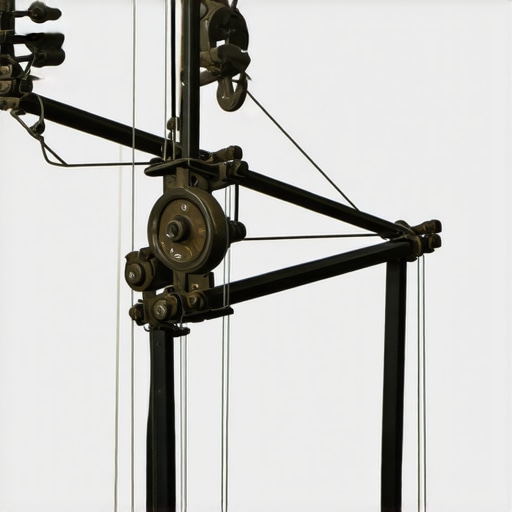
Exploring the Nuances of Joint Articulation and Leverage in Marionette Craftsmanship
Delving into the intricate mechanics of marionette articulation reveals a world where physics and artistry converge. Achieving fluid, lifelike movements requires a precise balance of string tension, joint flexibility, and leverage. Advanced puppeteers often utilize multi-control systems, leveraging principles of physics to craft complex gestures that mirror natural motion. For instance, incorporating adjustable pulleys and fine-tuning string angles can dramatically enhance performance, making each movement appear organic and spontaneous. This meticulous tuning process echoes the detailed expertise found in professional puppet theaters, where every small adjustment contributes to the overall realism.
Innovative Material Science for Durability and Aesthetic Excellence
Building upon foundational material choices, my exploration into advanced materials has led me to integrate reinforced metals and eco-friendly composites. Metal rods with high tensile strength are now standard in joint construction, providing resilience against frequent manipulation. Silicone-based clays, combined with natural fibers, create facial features that resist cracking while maintaining flexibility. Furthermore, sustainable materials like bamboo or recycled metals align with my commitment to eco-conscious craftsmanship. Exploring these alternatives not only extends the lifespan of puppets but also enriches their aesthetic appeal, blending durability with artistic expression. For inspiration, I recommend reviewing creative DIY crafts that showcase innovative material applications.
Integrating Modern Technology: From Servos to Interactive Puppetry
Advancements in microelectronics have opened new horizons for puppet artistry. Embedding small servo motors controlled by microcontrollers like Arduino or Raspberry Pi allows for precise, programmable movements—such as blinking eyes or mouth gestures—that elevate traditional puppetry into the realm of interactive art. These integrations demand a harmonious blend of mechanical finesse and programming skill, creating puppets capable of responding to audience cues or performing complex sequences seamlessly. I encourage enthusiasts to explore beginner electronics kits and tutorials, which serve as accessible gateways into this exciting intersection of technology and craft. For detailed insights, consider reviewing advanced techniques for incorporating electronics.
Overcoming Challenges in Advanced Marionette Construction
Despite the wealth of innovative techniques, crafting highly articulated marionettes presents unique challenges—joint fragility, control complexity, and material fatigue. My approach involves rigorous testing at each construction phase, ensuring joints move freely without stiffness or looseness. Seeking feedback from experienced puppeteers through online forums or local workshops can provide practical insights, helping to refine control systems and material choices. Patience and persistent experimentation are vital, as each puppet becomes a learning artifact, sharpening skills and deepening understanding of this complex art form. Engaging with comprehensive guides, such as this detailed resource, further supports mastery.
How Can I Customize My Marionette for Specific Performance Styles?
Customizing your puppet involves tailoring its design to match the expressive style of your performances. This can include adjusting joint placement for exaggerated movements or integrating expressive facial features with flexible materials. Advanced control systems might also be necessary for synchronized gestures, especially in complex storytelling. Experimenting with different control configurations and materials allows for a personalized touch, making each puppet a unique performer. For those interested in refining these techniques, I recommend exploring smart DIY solutions that blend artistry with innovation.
If you’re eager to elevate your marionette projects, I invite you to share your experiences or questions. Engaging with a community of enthusiasts accelerates learning and sparks creative breakthroughs, transforming each puppet into a storytelling masterpiece.
Things I Wish I Knew Earlier (or You Might Find Surprising)
The Hidden Power of Material Choice
One thing I wish I’d realized sooner is how critical selecting the right materials is. I once spent weeks working with fragile wires that kept bending or breaking, which was frustrating. Switching to reinforced metals and durable fabrics truly transformed my projects, making them more resilient and lifelike. It’s worth experimenting with different materials early on to see what best suits your style and needs.
Adjusting String Tension: More Than Just Fine-Tuning
Adjusting string tension isn’t just about making the puppet move; it’s about creating a natural flow. I spent hours tweaking pulley systems and string lengths, and each small adjustment brought my marionette’s gestures closer to real life. Remember, patience and meticulous tuning are key to achieving that seamless, lifelike movement.
The Value of Incremental Testing
When assembling your marionette, I’ve learned the hard way that testing joints and control points after each step saves lots of trouble later. It’s tempting to rush through, but taking the time to test and refine as you go leads to a much smoother final performance. This approach not only prevents frustration but also deepens your understanding of the mechanics involved.
Incorporating Technology for Extra Expression
In recent years, I’ve started integrating simple electronics like servo motors controlled by microcontrollers. It’s incredible how blinking eyes or speaking mouths can add personality and realism. While it requires some basic programming, the results are well worth the effort and open up a whole new creative dimension.
Community and Feedback: Your Best Allies
Engaging with online forums and local puppetry groups has been invaluable. Sharing your progress and receiving feedback accelerates learning and sparks new ideas. Don’t be afraid to ask for advice or showcase your work; the community’s support can boost your confidence and skill level.
Resources I’ve Come to Trust Over Time
- DIY step-by-step guides: This comprehensive resource has been my go-to for understanding the mechanics of puppet-making, offering clear instructions suitable for all skill levels. Check it out at DIY guides.
- The Puppet Science Blog: An insightful site that dives into the physics and artistry of marionette control, helping me refine my techniques and control systems.
- Electronics for Puppeteers: A beginner-friendly resource on integrating microcontrollers and servo motors, which has expanded my creative possibilities.
Parting Thoughts from My Perspective
Crafting a marionette is a journey filled with surprises, challenges, and rewarding moments. From understanding the importance of material choices to mastering string tension and control, every step deepens your connection to this art form. I believe the key is patience and continuous experimentation—each puppet you create teaches you something new. If this resonated with you, I’d love to hear your experiences or questions. Share your journey, and let’s keep inspiring each other in this fascinating craft. For more detailed guidance and inspiration, explore this detailed guide.